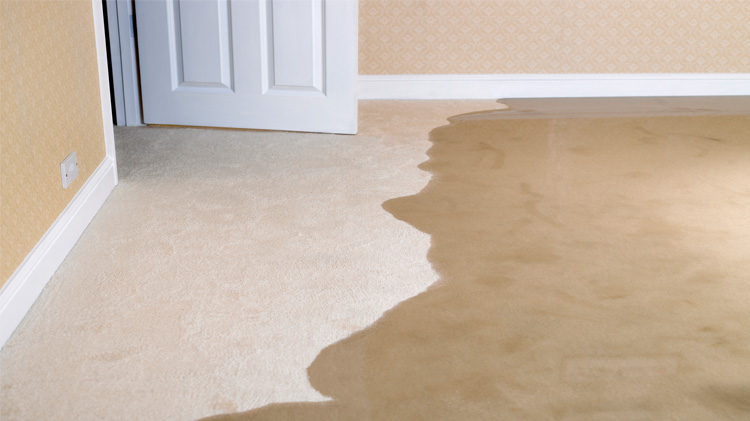
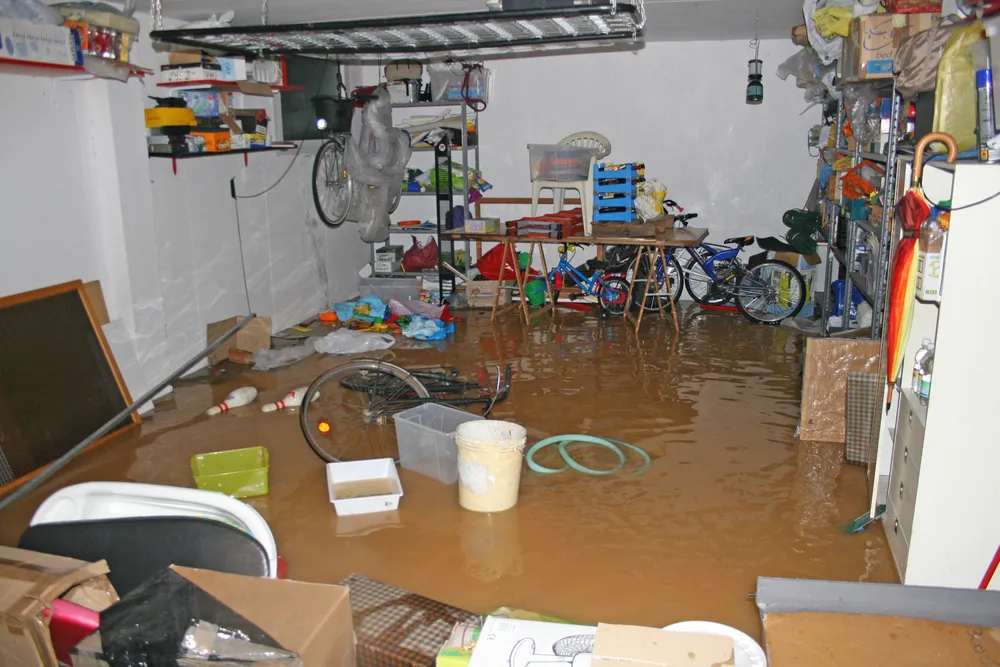
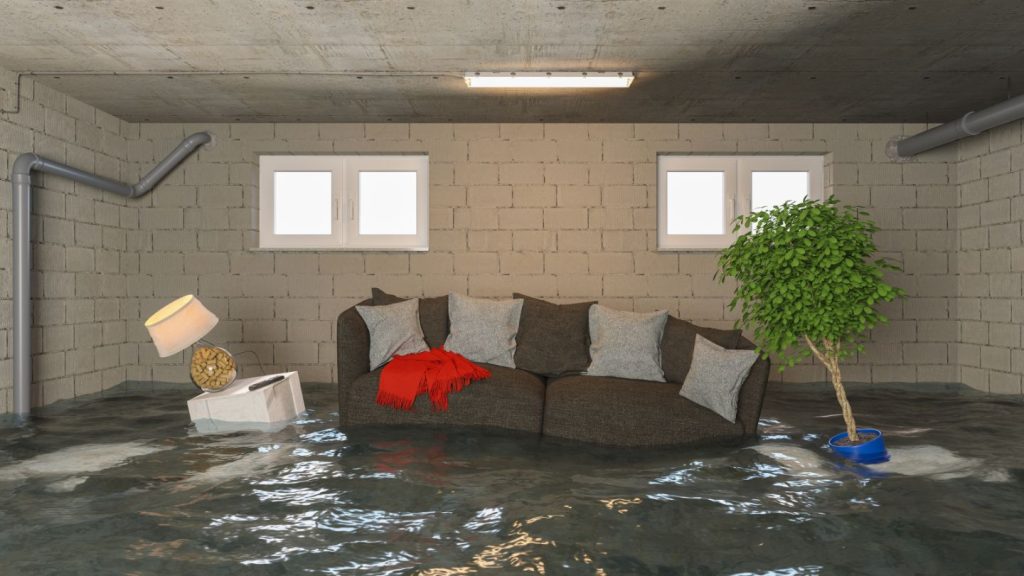
Flooding is one of the most common and destructive natural disasters, affecting millions of people each year. Whether you live in a flood-prone region or simply want to be prepared, understanding how to protect your loved ones and property is essential. This guide offers practical flood safety tips for families and homeowners, covering preparation, emergency response, and recovery strategies to minimize risks and damages.
Taking proactive steps can make a significant difference in how you and your household handle rising waters. From creating an emergency plan to safeguarding your home’s infrastructure, being informed and ready is the best defense against unexpected flooding. For more comprehensive advice on reducing water-related risks, you may also want to review these flood damage prevention tips.
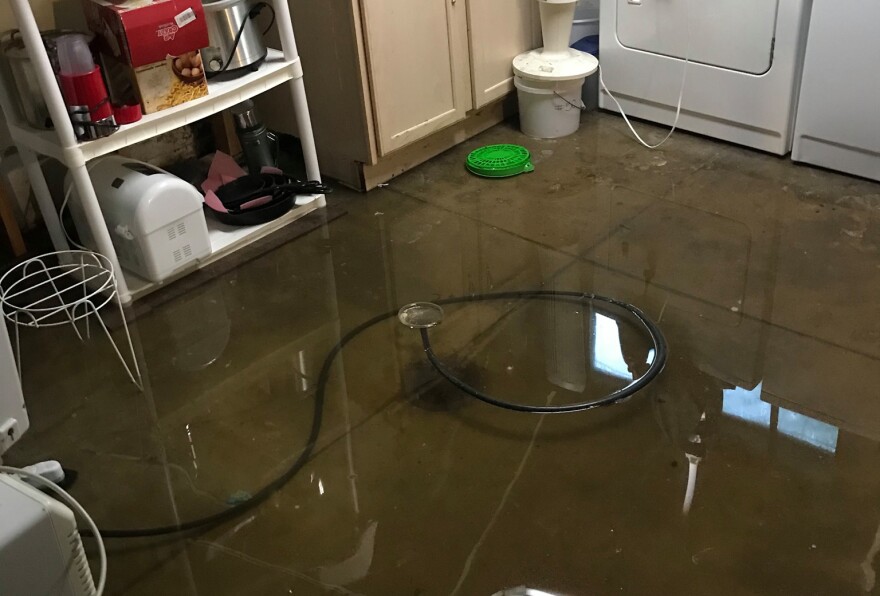
Preparing Your Family for Flood Emergencies
The foundation of any effective response to flooding is preparation. Families should develop a clear emergency plan that all members understand. This includes knowing evacuation routes, establishing a communication strategy, and assembling an emergency kit with essentials such as water, non-perishable food, medications, flashlights, batteries, and important documents.
- Discuss evacuation plans with everyone in your household. Identify safe meeting points and routes to higher ground.
- Keep a list of emergency contacts, including local authorities and nearby relatives.
- Practice your plan regularly, especially if you have young children or elderly family members.
It’s also wise to monitor weather alerts and flood warnings through reliable sources. Many communities offer text or app-based notification systems to keep residents informed of changing conditions.
Home Protection and Flood Prevention Strategies
Safeguarding your property is a critical part of flood preparedness. Homeowners can take several steps to reduce the risk of water damage and improve their residence’s resilience to flooding.
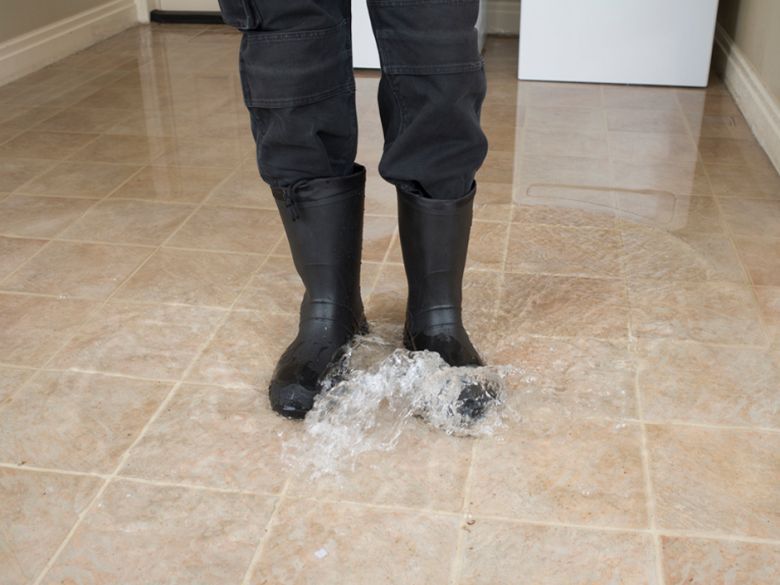
- Install sump pumps and backflow valves to prevent water from entering your basement or crawlspace.
- Keep gutters and downspouts clear of debris to ensure proper drainage away from your home’s foundation.
- Seal cracks in walls, floors, and around windows to block water intrusion.
- Store valuables and important documents in waterproof containers or on higher floors.
- Consider using smart technology, such as water leak detectors, to receive early warnings of leaks or flooding inside your home.
For more detailed advice on keeping your plumbing in top shape, explore these plumbing maintenance tips for homeowners. Regular maintenance can help prevent issues that might worsen during heavy rains.
Responding Safely During a Flood Event
When a flood warning is issued or water levels begin to rise, immediate action is crucial. Prioritize the safety of your family and pets above all else. If authorities recommend evacuation, do so promptly and follow designated routes. Avoid walking or driving through floodwaters, as even shallow water can be dangerous and hide hazards such as debris or downed power lines.
- Move to higher ground or the highest level of your home if evacuation is not possible.
- Turn off utilities like electricity and gas if instructed and safe to do so.
- Keep a battery-powered radio handy to receive updates from emergency services.
- Stay away from bridges and fast-moving water, which can be unstable or collapse.
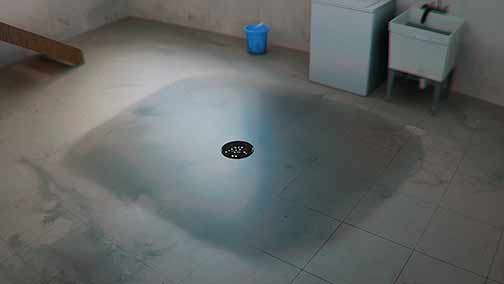
For those with basements, understanding basement sewer backup solutions can help minimize damage and health risks during and after flooding.
Post-Flood Recovery and Cleanup Advice
Once the immediate danger has passed, returning home safely and beginning cleanup are the next priorities. Wait for official guidance before re-entering your property. Inspect for structural damage, gas leaks, and electrical hazards before starting any cleaning or repairs.
- Wear protective clothing, gloves, and boots to avoid contact with contaminated water or debris.
- Document all damage with photos and notes for insurance claims.
- Remove wet materials and begin drying out your home as soon as possible to prevent mold growth.
- Disinfect surfaces and discard items that cannot be thoroughly cleaned.
- Be cautious of hidden dangers such as sharp objects, weakened floors, or wildlife that may have entered during the flood.
If your flooding was caused by appliance leaks, reviewing dishwasher leak prevention tips can help you avoid similar issues in the future.
Technology and Innovations for Flood Risk Reduction
Advances in technology are providing new ways for families and communities to manage flood risks. From early warning systems and real-time monitoring to smart home devices, these tools can enhance preparedness and response.
For a deeper look at how modern solutions are making a difference, see this overview of technologies that are combatting flood risks globally. Investing in these innovations, such as water leak detectors, can offer peace of mind and additional protection for your household.
Frequently Asked Questions
What should be included in a family flood emergency kit?
A well-prepared emergency kit should contain bottled water, non-perishable food, a flashlight, extra batteries, a first aid kit, essential medications, copies of important documents, cash, and basic hygiene supplies. Consider adding items for infants, pets, or elderly family members as needed.
How can homeowners reduce the risk of basement flooding?
Regularly clean gutters and downspouts, install a sump pump with a battery backup, seal foundation cracks, and ensure proper grading around your home to direct water away from the foundation. For more detailed solutions, review advice on basement sewer backup solutions.
Why is it dangerous to drive through floodwaters?
Even a small amount of moving water can sweep away vehicles and hide hazards like debris, sinkholes, or downed power lines. It’s always safest to turn around and find an alternate route rather than risk crossing flooded roads.
Are there steps to prevent plumbing-related flooding?
Yes, regular maintenance, inspecting pipes and appliances, and installing leak detectors can help prevent plumbing failures that lead to flooding. For more information, see these plumbing maintenance tips for homeowners.
Conclusion
Being proactive about flood safety tips for families can help protect both lives and property. By preparing in advance, maintaining your home, and staying informed, you can reduce the impact of flooding and recover more quickly if disaster strikes. Remember to update your emergency plans regularly and take advantage of available technologies to stay ahead of potential risks.