Basement and utility room floor drains are crucial for protecting your property from water damage, but when they back up, the results can be costly and hazardous. Effective floor drain backup prevention is essential for homeowners and property managers who want to avoid flooding, mold, and expensive repairs. This article covers practical strategies to keep your drains clear, minimize risk, and maintain a healthy indoor environment.
Understanding the causes of drain backups and implementing regular maintenance can make a significant difference. We’ll outline the most effective methods, from simple cleaning routines to advanced solutions like backwater valves and water leak detectors. For those interested in related home care topics, you might also find value in our guide on how to store a cast iron press long term, which covers moisture management and rust prevention in storage areas.
Why Floor Drains Back Up
Before addressing prevention, it’s important to understand what causes floor drains to back up. The most common reasons include:
- Clogged pipes due to debris, hair, or grease buildup.
- Heavy rainfall or rapid snowmelt overwhelming the municipal sewer system.
- Tree roots infiltrating underground pipes and causing blockages.
- Broken, collapsed, or misaligned drain lines.
- Improperly installed or missing backwater valves.
Recognizing these causes helps you target your prevention efforts where they matter most.
Routine Maintenance for Reliable Drainage
Regular upkeep is the foundation of floor drain backup prevention. Simple steps can dramatically reduce your risk of water damage:
- Clear debris from the drain cover and surrounding area every month.
- Flush the drain with hot water and a mild detergent to break up grease or soap residue.
- Pour a bucket of water down rarely used drains to keep the trap filled and prevent sewer gases from entering your home.
- Inspect for slow drainage, gurgling sounds, or foul odors—these may signal a developing clog.
Addressing minor issues early prevents them from becoming major problems later on.
Advanced Solutions for Preventing Drain Backups
For properties with a history of flooding or those in high-risk areas, basic maintenance may not be enough. Consider these advanced options:
- Install a backwater valve to prevent sewage from flowing backward into your basement during heavy storms.
- Upgrade old or damaged pipes to modern, root-resistant materials.
- Use a sump pump with a battery backup to remove excess water during power outages.
- Place a water leak detector near floor drains for early warning of leaks or rising water.
Investing in these upgrades can save thousands in repair costs and protect your home from long-term damage.
Responding Quickly to Early Warning Signs
Even with the best prevention, problems can still arise. Acting quickly when you notice warning signs is crucial:
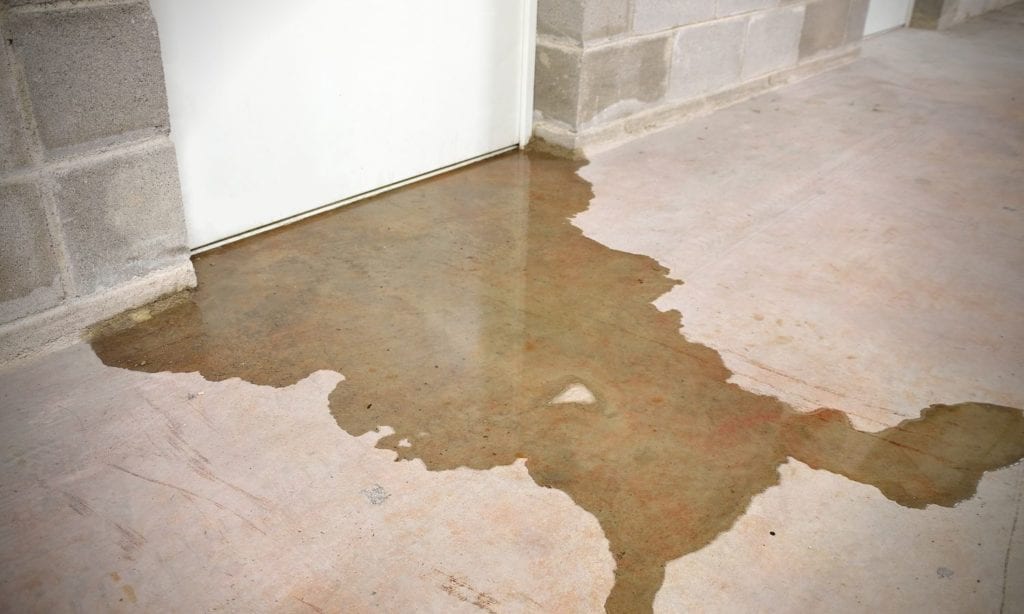
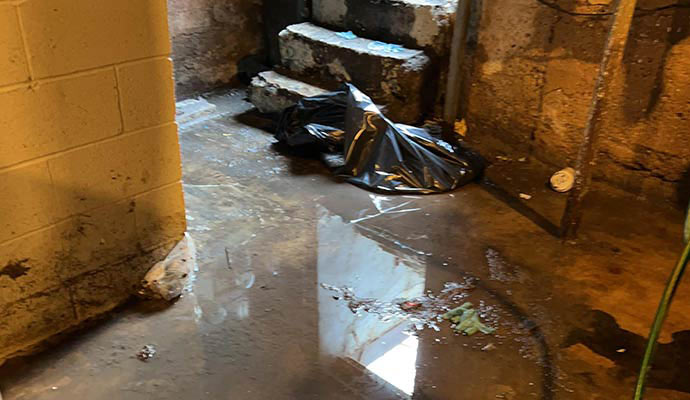
- Slow draining or standing water around the floor drain.
- Unusual smells or gurgling noises from the drain.
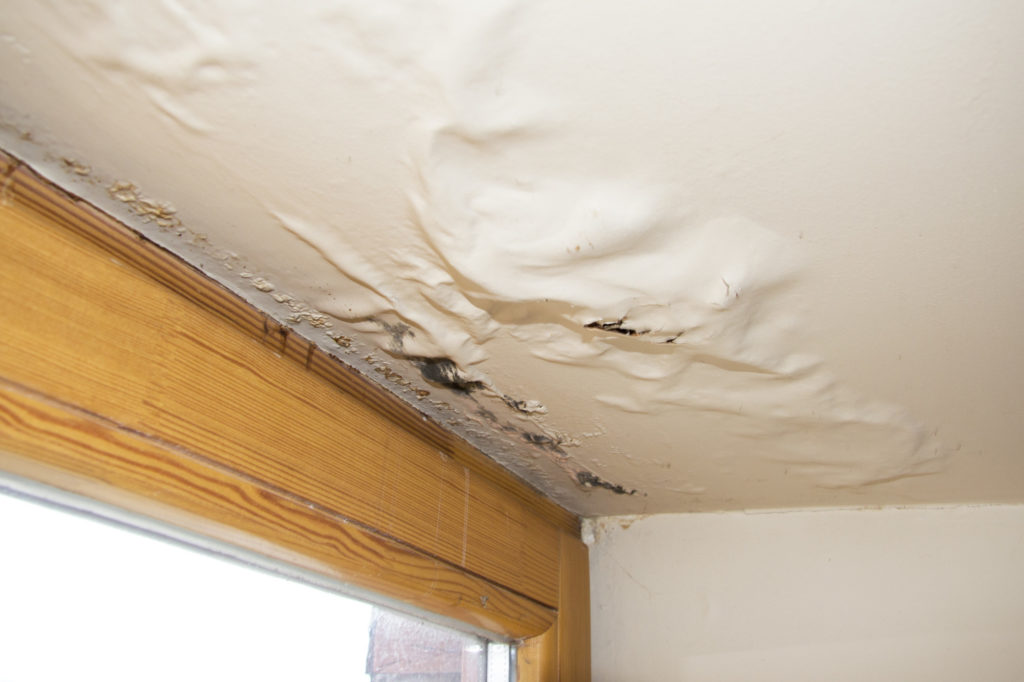
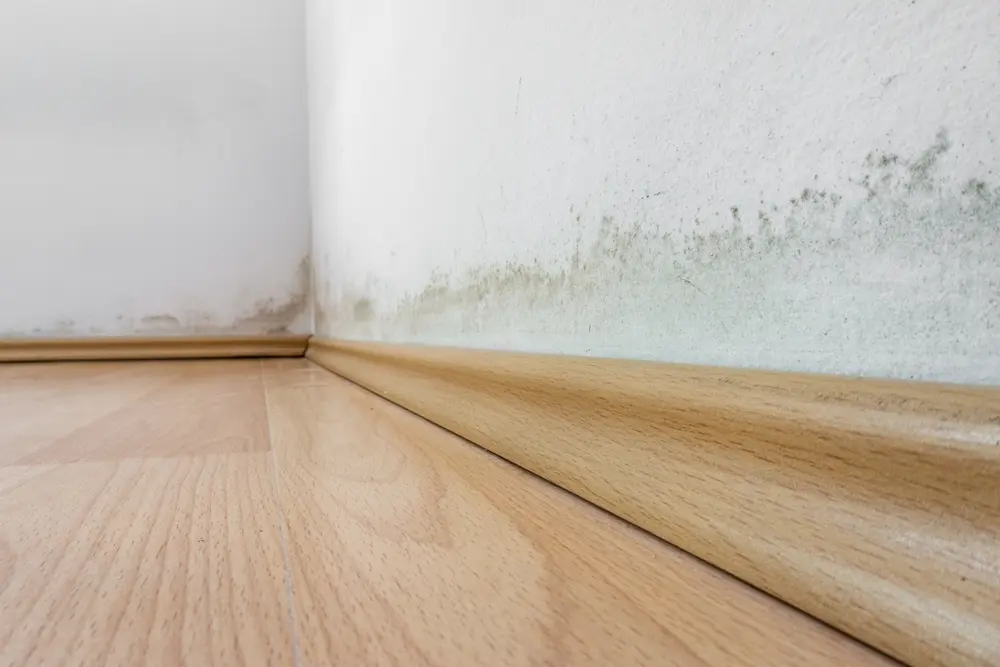
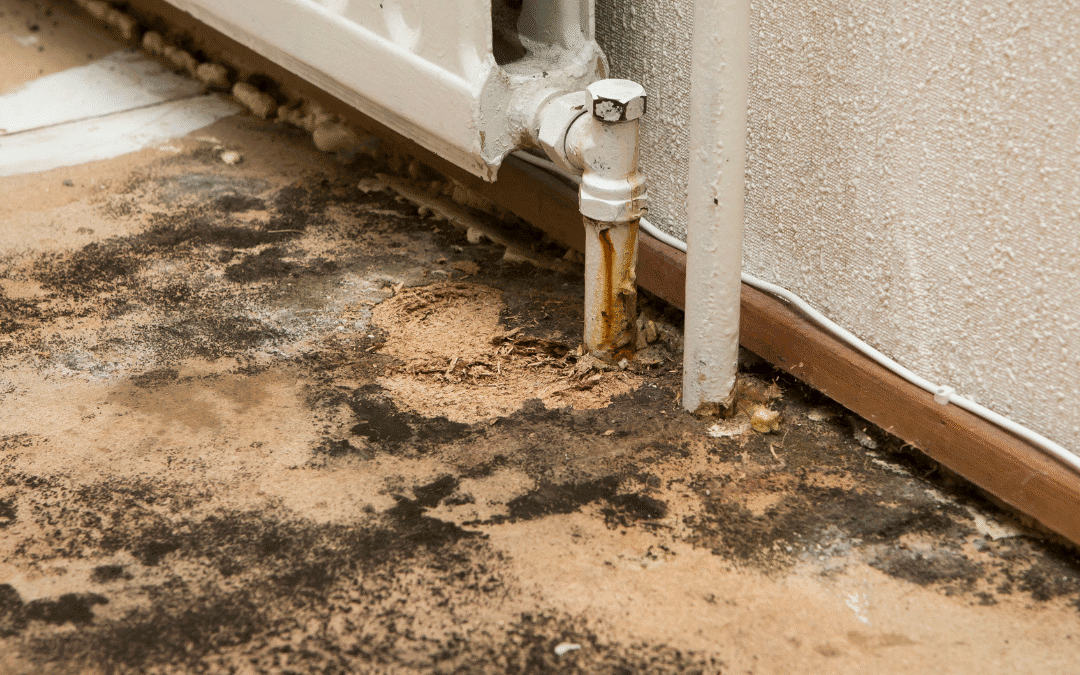
- Visible mold growth or water stains near the drain area.
If you spot any of these issues, use a plunger or drain snake to clear minor clogs. For persistent problems, contact a licensed plumber to assess your drainage system and recommend repairs.
Protecting Your Home from Water Damage
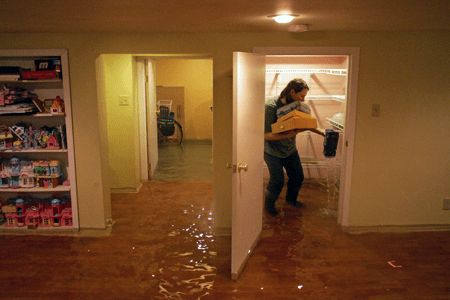
Water damage from drain backups can lead to costly repairs and health risks from mold and bacteria. To minimize these dangers:
- Store valuable items off the basement floor or in waterproof containers.
- Seal cracks in foundation walls and floors to prevent seepage.
- Maintain gutters and downspouts to direct rainwater away from your home’s foundation.
- Consider professional waterproofing services for high-risk basements.
Taking these steps alongside regular drain maintenance provides comprehensive protection for your property.
Preparing for Severe Weather and Flood Events
Extreme weather can overwhelm even well-maintained drainage systems. Preparation is key:
- Keep sandbags or flood barriers on hand for rapid deployment.
- Test your sump pump and backup systems before heavy rain is forecasted.
- Review your insurance policy to ensure coverage for sewer backups and flooding.
- Follow expert advice on how to prepare your property before a flood to reduce risk and speed recovery.
By staying proactive, you can limit damage and recover more quickly after a severe event.
Frequently Asked Questions
What is the most effective way to prevent floor drain backups?
The most effective method combines regular cleaning, installing a backwater valve, and using a water leak detector for early warning. Together, these steps address both common and unexpected causes of backups.
How often should I clean my basement floor drain?
Inspect and clean your floor drain at least once a month. If you notice slow drainage or odors, address them immediately to prevent clogs from worsening.
Can I use chemical drain cleaners for maintenance?
It’s best to avoid harsh chemical cleaners, as they can damage pipes over time. Instead, use hot water and mild detergent or a mechanical snake for stubborn clogs.
Conclusion
Protecting your home from basement flooding and sewer backups requires a combination of routine maintenance, smart upgrades, and quick response to warning signs. By following these floor drain backup prevention strategies, you’ll reduce the risk of costly water damage and maintain a safer living environment. For more tips on managing moisture and protecting your property, check out our other resources, such as how to press tortillas for taquitos for kitchen care insights.