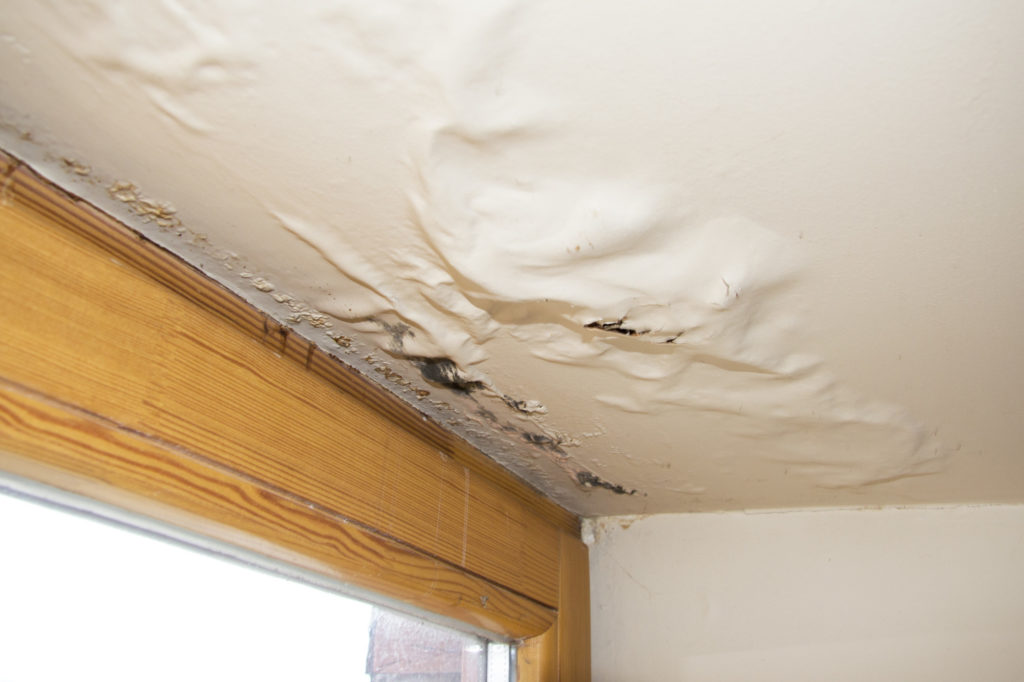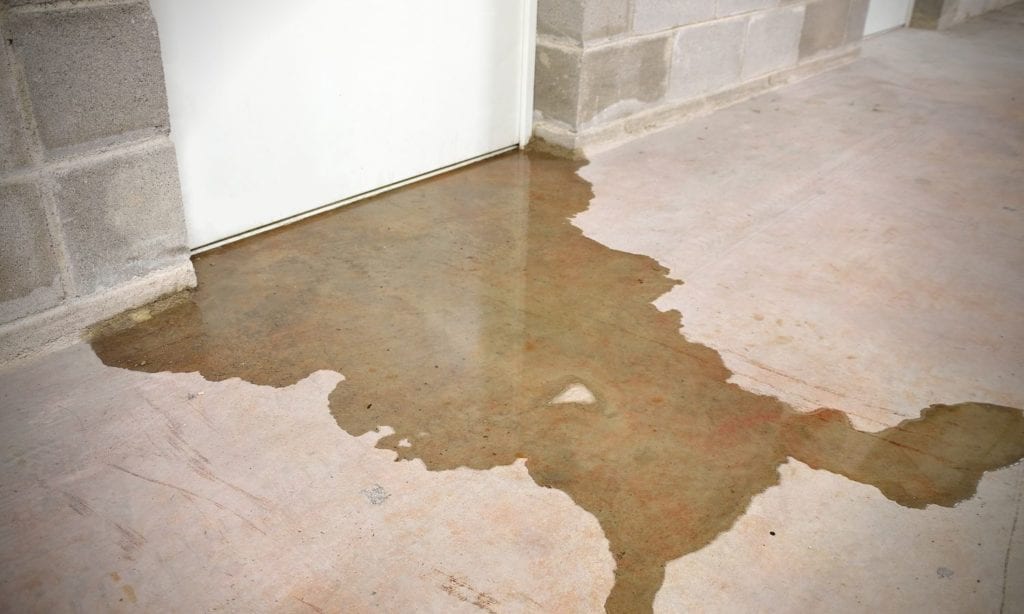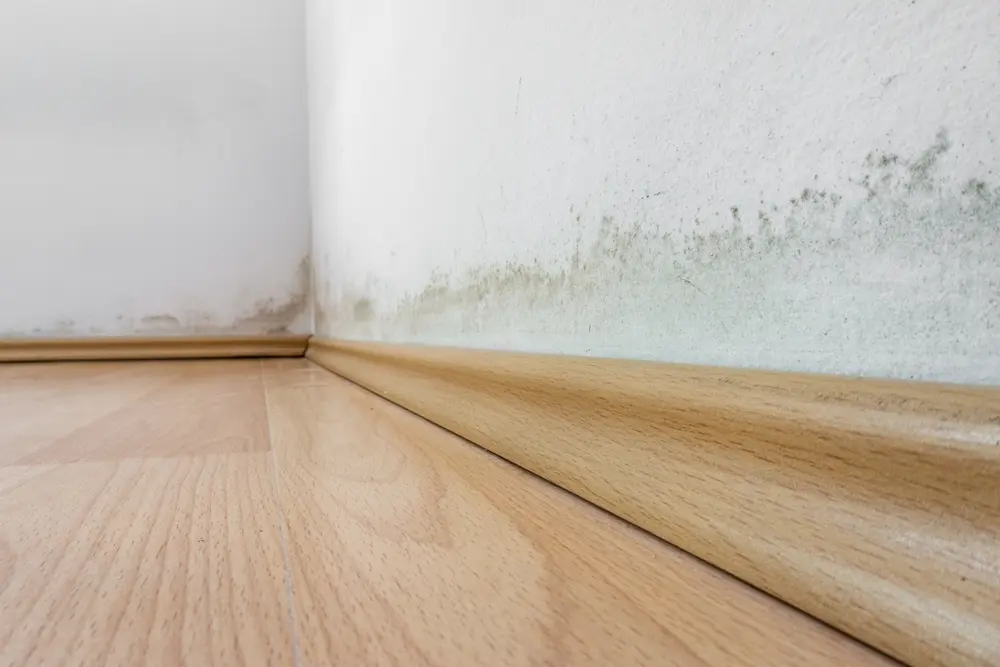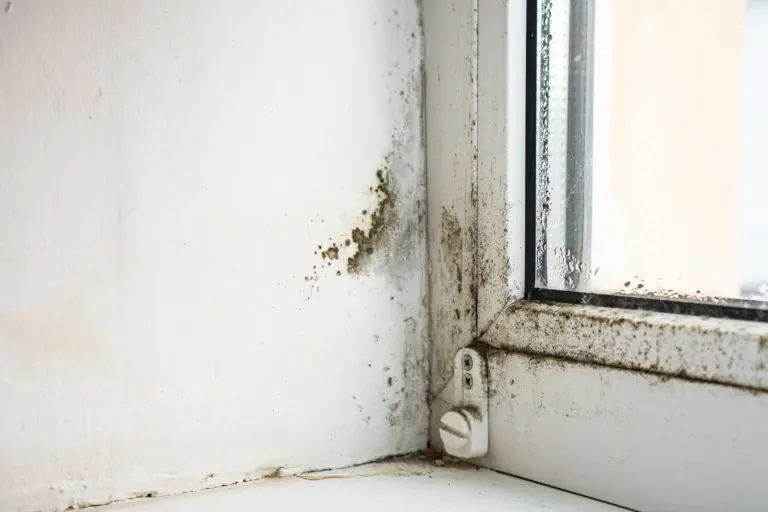
A well-installed French drain can be a homeowner’s best defense against water intrusion, basement leaks, and landscape flooding. However, even the best drainage system needs regular care to keep functioning at its best. Without proper upkeep, debris, sediment, and root growth can compromise your drain’s efficiency, leading to costly water damage and mold issues.
This guide shares practical French drain maintenance tips to help you prevent flooding and protect your property. Whether you’ve just installed a new system or want to extend the life of an existing one, following these strategies will keep your drainage working smoothly year-round.
If you’re interested in other practical home care topics, you might also find value in our article on how to sanitize a cast iron press, which covers essential maintenance for kitchen tools.
Why Regular Drainage System Care Matters
French drains are designed to redirect water away from your foundation and low-lying areas. Over time, however, they can become clogged with leaves, silt, and other debris. Neglecting routine inspection and cleaning can result in standing water, saturated soil, and even interior flooding. By making maintenance a habit, you’ll avoid expensive repairs and keep your property dry and safe.
Key French Drain Maintenance Tips for Homeowners
Keeping your drainage system in top shape doesn’t have to be complicated. Here are the most effective ways to ensure your French drain continues to protect your home:
- Inspect the Drainage Line Regularly: Walk along the length of your drain at least twice a year, especially after heavy rain. Look for pooling water, soft spots in the lawn, or visible blockages at the drain’s inlet and outlet.
- Clear Surface Debris: Remove leaves, grass clippings, and mulch from the drain’s surface grates or openings. This prevents organic matter from washing into the system and causing clogs.
- Flush the Drain Pipe: Use a garden hose to flush water through the pipe, pushing out accumulated silt and small debris. For stubborn blockages, a plumber’s snake or drain auger can help clear the line.
- Trim Nearby Roots: Tree and shrub roots can infiltrate the drain pipe, leading to slow drainage or complete blockages. Keep vegetation trimmed back and consider root barriers if you have large trees nearby.
- Check for Erosion or Sinking: Monitor the soil above and around the drain for signs of erosion or settling. If you notice depressions or exposed piping, add soil or gravel to restore proper coverage and prevent further damage.
- Test Downspout Connections: If your French drain is connected to gutter downspouts, ensure all joints are secure and free of leaks. Redirecting roof runoff efficiently is key to preventing system overload.
How to Spot and Fix Common Drainage Issues
Even with diligent care, problems can arise. Here’s how to identify and address some of the most frequent issues:
- Standing Water Near the Outlet: If water pools at the end of your drain, the outlet may be blocked or the slope may be insufficient. Clear any obstructions and check the grade to ensure water can flow freely away from your property.
- Slow Drainage: Water that drains slowly after rain could indicate a partial clog or sediment buildup. Flushing the pipe or using a drain auger can often resolve this.
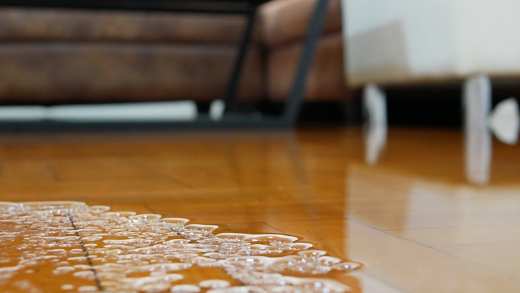
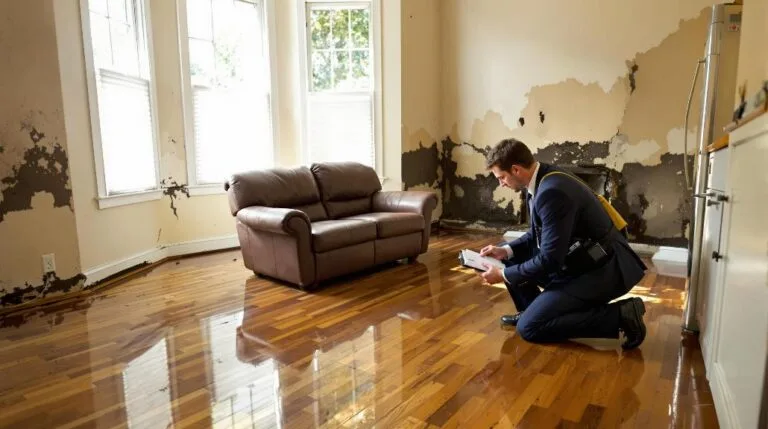
- Mold or Dampness Indoors: Persistent moisture inside your basement or crawlspace may mean your French drain isn’t working as intended. Inspect for blockages, broken pipes, or improper installation, and consult a professional if needed.
Seasonal Drainage System Upkeep
Different times of year bring unique challenges for your French drain. Here’s how to adapt your maintenance routine:
Spring and Fall: Prime Inspection Seasons
These are the best times to check your system, as increased rainfall and falling leaves can quickly clog drains. Clear away debris and flush the line before and after the rainy season.
Summer: Watch for Root Growth
Warm weather encourages plant and root growth, which can invade your drain. Inspect for signs of root intrusion and trim back aggressive plants.
Winter: Prevent Freezing and Ice Dams
In colder climates, standing water in your French drain can freeze and cause pipe damage. Make sure the system is draining completely before winter, and insulate exposed sections if necessary.
Proactive Steps to Prevent Water Damage
In addition to routine drain care, consider these extra precautions to further reduce your risk of flooding:
- Install a Sump Pump: For homes with persistent groundwater issues, a sump pump can provide an added layer of protection by actively removing water that collects in your basement or crawlspace.
- Monitor for Leaks: Early detection is key. Devices such as pipe or toilet leak detectors can alert you to hidden water problems before they escalate.
- Seal Foundation Cracks: Inspect your foundation for cracks or gaps where water could seep in. Seal these promptly with appropriate waterproofing products.
- Maintain Gutters and Downspouts: Keep gutters clean and ensure downspouts direct water well away from your home’s foundation.
For more detailed advice on protecting your home from moisture and leaks, see these tips to protect your home from water damage from restoration professionals.
Frequently Asked Questions
How often should I inspect my French drain?
It’s best to inspect your system at least twice a year—once in the spring and once in the fall. You should also check it after major storms or if you notice signs of poor drainage, such as standing water or soggy soil.
What are the signs my French drain is clogged?
Common signs include water pooling near the drain, slow drainage after rain, soggy spots in your yard, or increased humidity and dampness indoors. If you notice any of these, inspect the drain for visible blockages and flush the line if necessary.
Can I clean my French drain myself, or should I hire a professional?
Many routine maintenance tasks—such as clearing surface debris and flushing the pipe—can be handled by homeowners. However, if you encounter persistent clogs, root intrusion, or suspect a broken pipe, it’s wise to consult a drainage professional for repairs.
Are there ways to make my French drain last longer?
Yes. Regular cleaning, monitoring for root growth, and keeping the system free of debris will extend its lifespan. Installing root barriers and ensuring proper grading around your property can also help prevent premature failure.