
Managing water intrusion is a crucial concern for homeowners, especially those with basements or properties in areas prone to heavy rainfall. Two of the most common solutions for keeping spaces dry are French drains and sump pumps. Each system addresses water problems differently, and understanding their advantages, limitations, and best use cases can help you make an informed decision for your property.
Whether you’re dealing with persistent dampness, occasional flooding, or planning preventive measures, it’s important to weigh the pros and cons of these drainage solutions. This article breaks down how each system works, compares their effectiveness, and offers practical advice on choosing the right option for your needs. For those interested in related home maintenance topics, you might also find value in learning how to sanitize a cast iron press for your kitchen tools.
How French Drains Work
A French drain is a gravel-filled trench containing a perforated pipe that redirects surface water and groundwater away from your foundation. The system is designed to intercept water before it enters your basement or crawl space, channeling it to a safe discharge point such as a storm drain, dry well, or lower area of your yard.
The installation process involves digging a trench along the problem area, laying down landscape fabric, adding gravel, placing the perforated pipe, and then covering it with more gravel and soil. French drains are passive systems, relying on gravity to move water, so they don’t require electricity or mechanical parts.
Understanding Sump Pumps
In contrast, a sump pump is an active system installed in a pit (sump basin) at the lowest point of your basement or crawl space. When water accumulates in the pit, the pump automatically activates and expels the water through a discharge pipe, directing it away from your home’s foundation.
Sump pumps are particularly effective in areas with a high water table or frequent flooding. They require electricity to operate and often include a backup battery to ensure continued function during power outages.
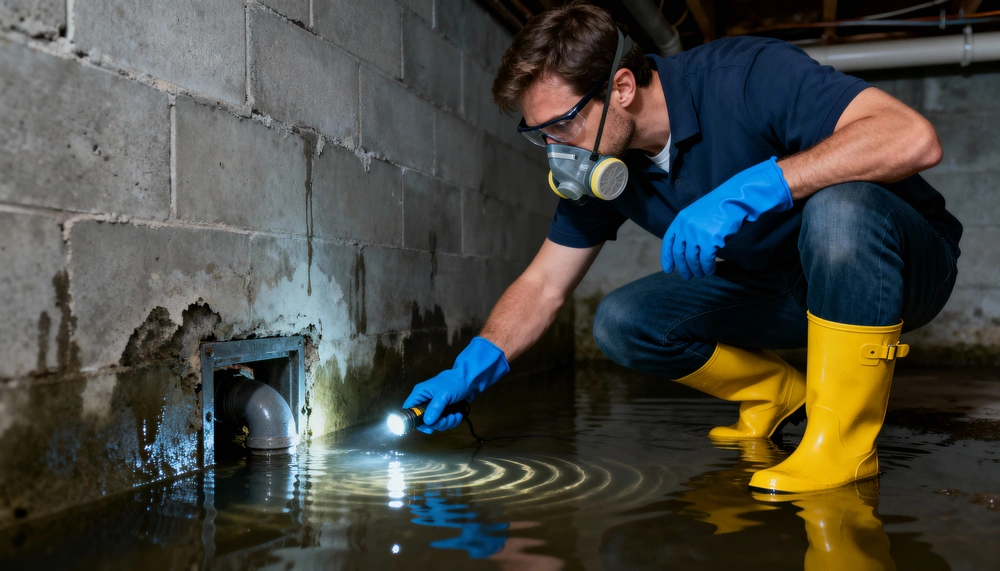
Comparing Drainage Solutions: Key Differences
When evaluating french drain vs sump pump systems, several factors come into play. Here’s a side-by-side comparison to help clarify their strengths and weaknesses:
| Feature | French Drain | Sump Pump |
|---|---|---|
| Operation | Passive (gravity-based) | Active (requires power) |
| Installation | Trench and pipe system, usually outdoors or along basement perimeter | Pit and pump, typically inside basement or crawl space |
| Maintenance | Minimal, occasional cleaning | Regular checks, possible pump replacement |
| Best For | Redirecting surface and groundwater before it enters the home | Removing water that has already entered the basement |
| Power Dependency | No | Yes |
| Cost | Moderate to high (depends on length and complexity) | Moderate (pump and installation) |
When to Choose a French Drain
Opt for a French drain if you notice water pooling around your foundation, soggy yards, or if your basement walls show signs of moisture but not active flooding. This system is ideal for properties with sloping landscapes or where gravity can be used to move water away efficiently.
- Best for preventing water from reaching your basement in the first place
- Low maintenance once installed
- Does not rely on electricity
However, installation can be disruptive and costly, especially if retrofitting an existing home. It’s most effective when installed during new construction or major landscaping projects.
When a Sump Pump Is the Right Choice
A sump pump is the preferred solution if your basement or crawl space is prone to flooding or if groundwater regularly seeps through the floor. It’s also suitable for homes in areas with high water tables or heavy rainfall.
- Quickly removes water that enters the basement
- Can handle sudden, heavy influxes of water
- Backup systems available for power outages
Keep in mind that sump pumps require ongoing maintenance and monitoring. It’s wise to test your pump regularly and consider a water leak detector for early warning of potential failures.

Combining Both Systems for Maximum Protection
In some cases, the best approach is to use both a French drain and a sump pump together. The drain intercepts water before it enters your home, while the pump provides a backup in case water still finds its way inside. This dual strategy is common in areas with severe weather or properties with chronic moisture issues.
Homeowners interested in global trends for flood prevention can explore technologies that are combatting flood risks around the world to see how modern solutions are being implemented.
Cost Considerations and Maintenance
The cost of installing a French drain varies based on the length and complexity of the system, but it typically ranges from a few thousand dollars for a basic setup to much more for extensive projects. Sump pumps are generally less expensive to install but require periodic replacement and maintenance.
Regularly inspect your drainage system, clear debris from pipes and trenches, and test sump pumps to ensure they function properly. Investing in a water leak detector can provide early alerts and help prevent costly water damage.
FAQs About Basement Water Solutions
Can I install a French drain and a sump pump myself?
While some homeowners tackle these projects on their own, both systems require careful planning and proper installation to be effective. French drains involve significant excavation, and sump pumps need correct placement and electrical work. For most, hiring a professional is recommended to ensure long-term reliability.
How do I know which drainage solution is best for my home?
Assess your property’s specific water issues. If water collects outside or seeps through walls, a French drain may be best. If water pools on the basement floor or flooding is frequent, a sump pump is likely more suitable. In complex cases, consult a waterproofing specialist for a tailored recommendation.
What maintenance is required for these systems?
French drains need occasional inspection for clogs or root intrusion, but are mostly hands-off. Sump pumps should be tested every few months, and the pit kept clean. Replace pumps as needed and consider a backup power source to ensure operation during outages.
Conclusion: Making the Right Choice
Both French drains and sump pumps are proven methods for protecting your home from water damage. The right choice depends on your property’s layout, the source of water intrusion, and your budget. In many cases, combining both systems offers the most comprehensive protection. Regular maintenance and early detection tools further enhance your home’s resilience against moisture problems.




