As temperatures drop, the risk of pipes freezing and bursting becomes a real concern for homeowners. Water expands as it freezes, and this expansion can cause pipes to crack or rupture, leading to costly water damage and repairs. Implementing practical strategies for protecting your plumbing system is essential for avoiding winter emergencies. This article offers a comprehensive set of frozen pipe prevention tips to help you safeguard your home and maintain peace of mind throughout the coldest months.
Alongside these actionable steps, you’ll find guidance on recognizing vulnerable areas, using technology for early detection, and understanding the broader impact of winter weather on your property. For those interested in a broader approach to water damage protection, consider reviewing residential flood prevention strategies as well.
Why Pipes Freeze and the Risks Involved
Understanding why pipes freeze is the first step in preventing damage. When the temperature drops below 32°F (0°C), water inside uninsulated or poorly protected pipes can freeze. This is especially common in unheated areas such as basements, attics, garages, and exterior walls. As the water freezes, it expands, putting pressure on the pipe walls. If the pressure becomes too great, the pipe can burst, releasing gallons of water into your home.
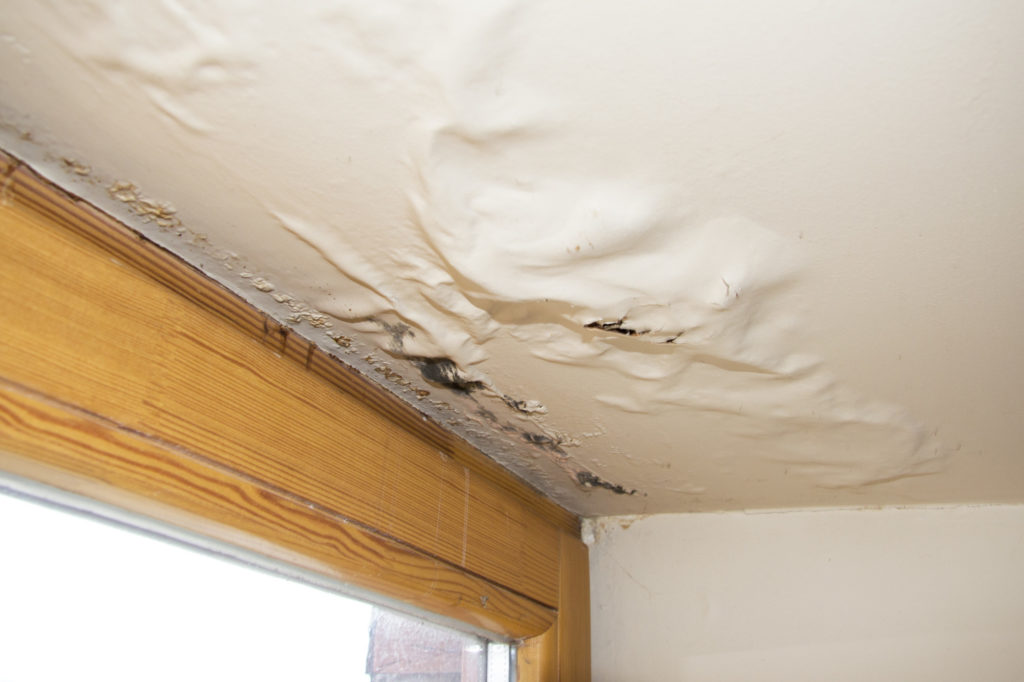
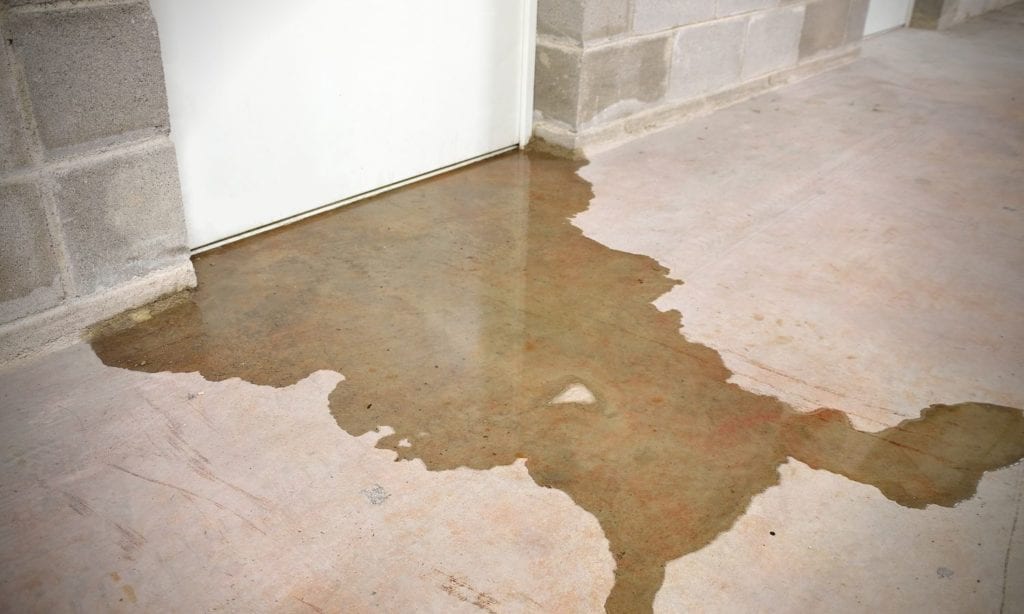
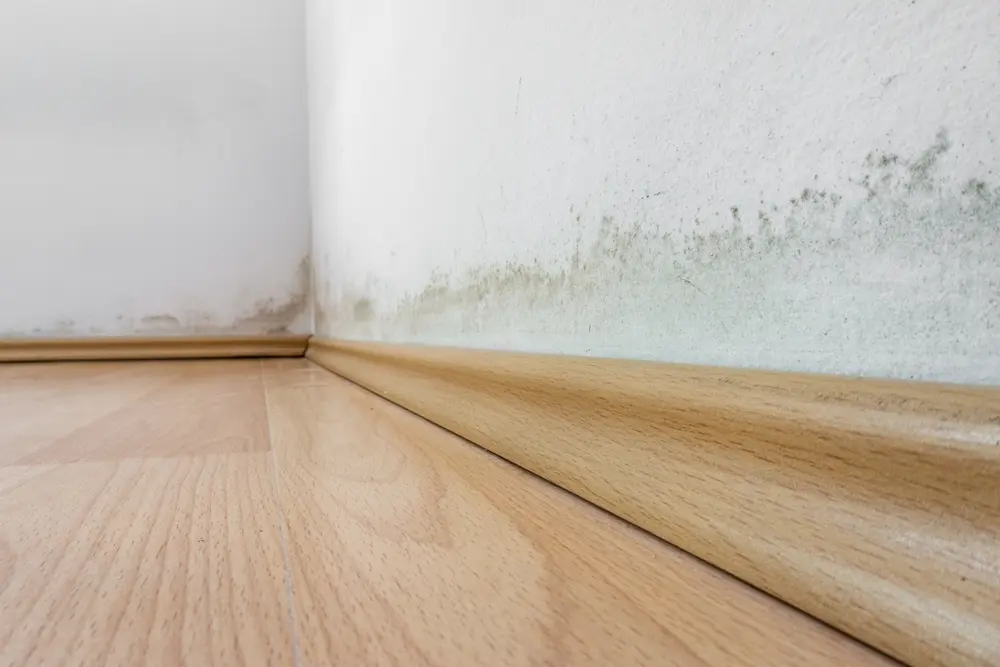
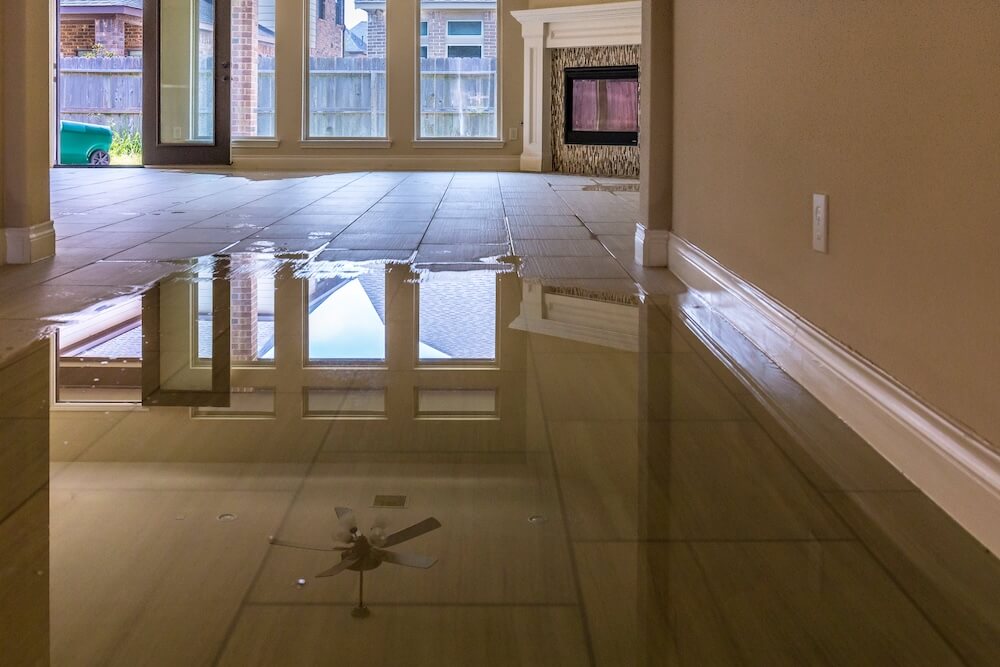
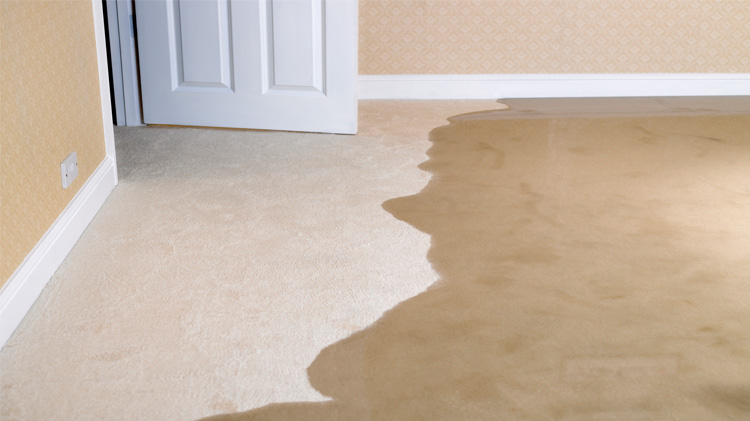
The consequences of a burst pipe go beyond plumbing repairs. Water damage can ruin flooring, walls, and personal belongings, and may even lead to mold growth if not addressed promptly. In severe cases, flooding can compromise the structural integrity of your home. To avoid these risks, it’s crucial to take proactive steps before the coldest weather arrives.
Identifying Vulnerable Pipes in Your Home
Not all pipes are equally at risk. Focus your efforts on areas most susceptible to freezing:
- Exposed pipes in unheated spaces (basements, crawl spaces, attics, garages)
- Pipes running along exterior walls
- Outdoor hose bibs and sprinkler lines
- Plumbing under kitchen and bathroom cabinets, especially on outside walls
Inspect these locations before winter sets in. Look for signs of previous freezing, such as bulging, cracks, or water stains. If you’re unsure which areas are most at risk, a home flood prevention checklist can help you conduct a thorough inspection.
Essential Frozen Pipe Prevention Strategies
Implementing the right measures can significantly reduce the likelihood of frozen pipes. Here are the most effective techniques:
Insulate Pipes and Exposed Areas
Pipe insulation is one of the most cost-effective ways to protect your plumbing. Use foam pipe sleeves, heat tape, or fiberglass insulation on exposed pipes. Pay special attention to pipes in unheated areas and those near exterior walls. Don’t forget to insulate crawl spaces and attics to help maintain a warmer environment.
Seal Gaps and Cracks
Cold air can enter your home through gaps around windows, doors, and where pipes enter walls. Use caulk or expanding foam to seal these openings. This not only helps prevent pipes from freezing but also improves your home’s overall energy efficiency.
Maintain Consistent Indoor Temperatures
Keep your thermostat set to the same temperature during the day and night, even if you’re away. Avoid letting the indoor temperature drop below 55°F (13°C). Open cabinet doors under sinks to allow warm air to circulate around pipes, especially in kitchens and bathrooms located on exterior walls.
Let Faucets Drip During Extreme Cold
Allowing a slow trickle of water to run from faucets connected to vulnerable pipes can prevent freezing. Moving water is less likely to freeze, and this simple step can relieve pressure in the system, reducing the risk of a burst pipe.
Disconnect and Drain Outdoor Hoses
Remove garden hoses, drain outdoor faucets, and shut off the water supply to exterior spigots if possible. This prevents water from freezing in the hose or faucet and backing up into your indoor plumbing.
Using Technology for Early Detection
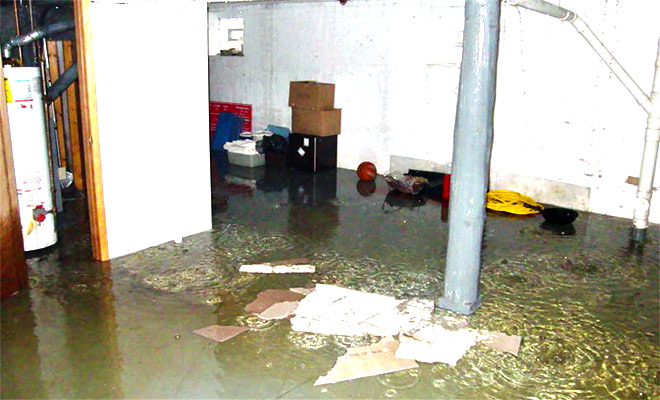
Even with the best precautions, unexpected cold snaps or power outages can still put your pipes at risk. Installing a water leak detector provides an extra layer of protection. These devices alert you to leaks or unusual moisture levels, allowing you to take action before significant damage occurs. For a detailed look at how these devices can help, explore resources on how to prevent home flooding.
Smart home sensors can also monitor temperature and humidity in vulnerable areas, sending notifications to your phone if conditions become risky. This is especially valuable if you travel frequently or own a second property.
Responding Quickly to Frozen Pipes
If you suspect a pipe has frozen, act immediately to minimize damage:
- Turn off the main water supply to prevent flooding if the pipe bursts.
- Apply gentle heat to the frozen section using a hair dryer, heating pad, or warm towels. Never use open flames or high-heat devices.
- Open faucets to allow water to flow as the ice melts.
- Check for leaks once the pipe has thawed and repair any damage promptly.
If you’re unable to locate or safely thaw the frozen pipe, contact a licensed plumber for assistance.
Additional Steps to Protect Your Property
Beyond the basics, consider these extra measures for comprehensive winter protection:
- Have your heating system serviced annually to ensure reliable performance.
- Install backup power for your furnace to maintain heat during outages.
- Know the location of your main water shut-off valve for quick access in emergencies.
- Review your insurance policy to confirm coverage for water damage due to burst pipes.
- Stay informed about local weather advisories and prepare for cold snaps in advance.
For more information on protecting your home from water-related disasters, you may find this guide to safeguarding your home from flooding helpful.
FAQ: Common Questions About Preventing Frozen Pipes
How can I tell if my pipes are at risk of freezing?
Pipes located in unheated spaces, along exterior walls, or in poorly insulated areas are most vulnerable. If you notice reduced water flow, frost on pipes, or especially cold spots in your home, take steps to insulate and protect those areas.
What should I do if I’m leaving my home for an extended period during winter?
Set your thermostat to at least 55°F (13°C), shut off and drain the water supply if possible, and ask a trusted neighbor to check your property regularly. Using smart leak detectors and temperature sensors can provide peace of mind while you’re away.
Is it necessary to let faucets drip all winter?
Letting faucets drip is only necessary during extreme cold snaps or when you know certain pipes are at risk. Focus on taps connected to pipes in unheated or exterior locations.
Where can I find more tips on preventing water damage at home?
For further advice on minimizing the risk of water damage, see our detailed article on home flooding causes and prevention methods.
Conclusion
Taking proactive steps to prevent pipes from freezing is far less stressful and expensive than dealing with the aftermath of a burst pipe. By insulating vulnerable areas, maintaining consistent heat, sealing drafts, and leveraging technology, you can significantly reduce your risk of winter water damage. Stay vigilant, prepare early, and use these practical measures to keep your home safe and dry throughout the cold season.