Making soft, pliable gluten-free tortillas at home can be a rewarding experience, but achieving the right texture requires a careful approach. This guide to pressing gluten free tortillas covers the essential steps, equipment, and troubleshooting tips to help you create tortillas that are flexible and delicious every time. Whether you’re new to gluten-free cooking or looking to refine your technique, you’ll find practical advice to improve your results.
Understanding the unique properties of gluten-free dough is key to successful tortilla making. Unlike traditional wheat-based recipes, gluten-free tortillas rely on different flours and binders, which can affect how the dough behaves during pressing and cooking. With the right preparation and pressing methods, you can enjoy tortillas that hold together well and have a satisfying bite.
For those interested in related techniques, you may also want to read about how to press tortillas for chilaquiles for additional preparation methods and insights.
Choosing the Right Ingredients for Gluten-Free Tortillas
The foundation of any great gluten-free tortilla is the flour blend. Common choices include masa harina (for corn tortillas), rice flour, cassava flour, and blends that may contain potato starch or xanthan gum. Each flour has its own moisture absorption and elasticity characteristics, which influence how the dough presses and cooks.
- Masa harina: Ideal for classic corn tortillas, offering a naturally gluten-free base with good pliability.
- Cassava flour: Produces a soft, flexible tortilla with a mild flavor, suitable for those avoiding grains.
- Rice flour blends: Often combined with tapioca or potato starch for improved texture and flexibility.
Binders such as xanthan gum or psyllium husk are sometimes added to mimic the elasticity that gluten provides. Adjusting the water content is also crucial; gluten-free doughs tend to require more moisture to stay workable and avoid cracking during pressing.
Preparing and Resting the Dough
Proper dough preparation is essential for easy pressing and optimal texture. Start by thoroughly mixing your chosen flours, binders, salt, and water until a smooth, cohesive dough forms. The dough should feel moist but not sticky, and it should hold together without crumbling.
Letting the dough rest for at least 20–30 minutes allows the flours to fully hydrate and the binders to activate. This rest period makes the dough more pliable and easier to press into thin, even rounds. Cover the dough with a damp towel or plastic wrap to prevent drying out.
Essential Equipment for Pressing Gluten-Free Tortillas
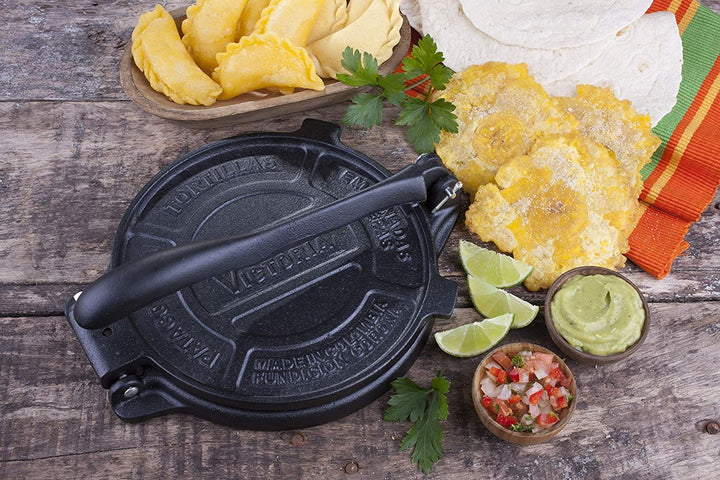
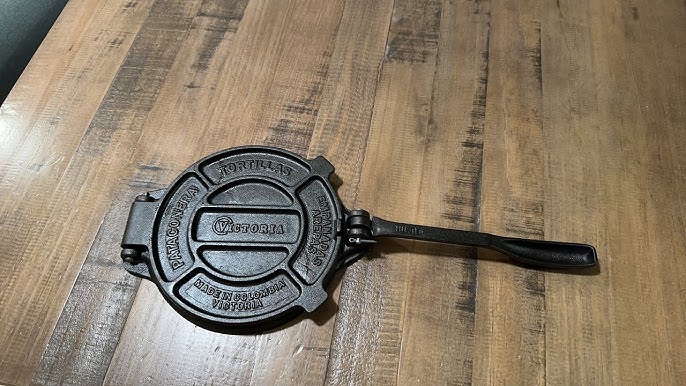
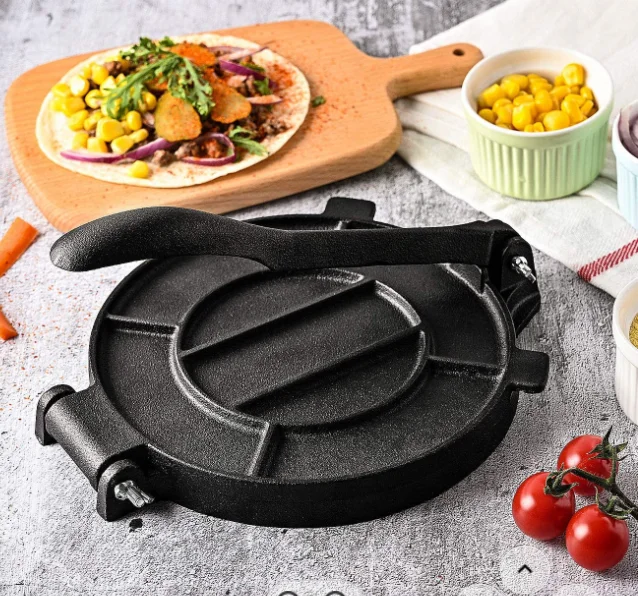
While it’s possible to flatten tortillas with a rolling pin, a tortilla press offers the most consistent results, especially for gluten-free doughs that can be delicate. A sturdy press ensures even thickness and helps prevent tearing.
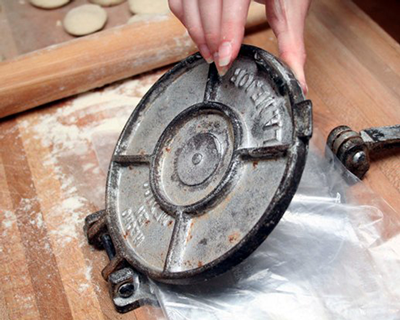
To prevent sticking, line both sides of the press with sheets of parchment paper or plastic. This simple step makes it easier to peel the tortilla off the press without tearing, especially when working with gluten-free doughs that lack the stretch of wheat-based recipes.
For tips on keeping your equipment clean and safe, see advice on how to sanitize a cast iron press between cooking sessions.
Step-by-Step Process for Pressing Gluten-Free Tortillas
- Divide the rested dough into equal portions, rolling each into a ball about the size of a golf ball.
- Place a dough ball between two sheets of parchment or plastic on the tortilla press.
- Press down firmly and evenly to flatten the dough into a thin, round tortilla. Aim for a thickness of about 1/16 to 1/8 inch.
- Carefully peel the tortilla from the liner, supporting it with your hand or a spatula if needed.
- Transfer the tortilla to a hot, dry skillet or griddle for immediate cooking.
If the dough cracks or sticks, adjust the moisture level or try a different liner. Some gluten-free flours absorb more water than others, so small tweaks can make a big difference.
Tips for Achieving the Best Texture
Getting the texture right is the main challenge when working with gluten-free tortillas. Here are several strategies to help you achieve soft, flexible results:
- Hydrate the dough adequately: Slightly wetter doughs are easier to press and less likely to crack.
- Press evenly: Apply steady, even pressure to avoid thin spots or uneven cooking.
- Cook immediately: Freshly pressed tortillas cook best and retain their flexibility.
- Cover cooked tortillas: Stack them in a towel or tortilla warmer to trap steam and keep them soft.
- Experiment with flour blends: If your tortillas are too brittle, try adding a small amount of tapioca starch or a binder like xanthan gum.
For more troubleshooting tips, you can explore why tortillas may shrink after pressing and how to address common issues by reading why do tortillas shrink after pressing.
Common Mistakes and How to Avoid Them
Even experienced cooks can encounter challenges when making gluten-free tortillas. Here are some frequent mistakes and solutions:
| Problem | Possible Cause | Solution |
|---|---|---|
| Tortillas crack when pressed | Dough too dry or not rested | Add a little water and let dough rest longer |
| Tortillas stick to press | No liner or dough too wet | Use parchment/plastic, dust with flour if needed |
| Tortillas are tough | Overcooked or too thick | Press thinner and cook briefly on each side |
| Tortillas break when folded | Insufficient binder or hydration | Increase binder or water slightly |
For more in-depth tips on tortilla making, check out these expert tips for making tortillas at home to further refine your technique.
Storing and Reheating Gluten-Free Tortillas
Proper storage helps maintain the softness and flavor of your homemade tortillas. Allow tortillas to cool completely, then store them in an airtight container or resealable bag. For short-term storage, keep them at room temperature for up to 2 days. For longer storage, refrigerate or freeze, separating each tortilla with parchment to prevent sticking.
To reheat, wrap tortillas in a damp towel and microwave for 15–20 seconds, or warm them briefly on a skillet. This restores their flexibility and makes them ready for tacos, wraps, or other dishes.
For advice on keeping your masa fresh before pressing, see how to store corn masa for pressing for practical storage solutions.
FAQ: Pressing and Cooking Gluten-Free Tortillas
What is the best flour for gluten-free tortillas?
Masa harina is the traditional choice for corn tortillas, while cassava and rice flour blends work well for grain-free or wheat-free options. The best flour depends on your dietary needs and flavor preferences.
Why do my gluten-free tortillas crack when I press them?
Cracking usually means the dough is too dry or hasn’t rested long enough. Add a small amount of water and allow the dough to rest for at least 20–30 minutes before pressing again.
Can I use a rolling pin instead of a tortilla press?
Yes, a rolling pin can be used, but it may be harder to achieve even thickness and round shapes, especially with delicate gluten-free doughs. A tortilla press is recommended for consistent results.
How do I keep my tortillas soft after cooking?
Stack cooked tortillas in a clean towel or tortilla warmer to trap steam. This helps maintain their softness and flexibility until ready to serve.
Are there any tips for using a tortilla press with gluten-free dough?
Always use parchment or plastic liners to prevent sticking, and press the dough gently but firmly. Adjust the dough hydration as needed for best results.
Conclusion
With the right ingredients, equipment, and pressing technique, making gluten-free tortillas at home is both achievable and satisfying. By following the steps and troubleshooting tips in this article, you can consistently produce tortillas with excellent texture and flavor. Experiment with different flours and hydration levels to find what works best for your kitchen, and enjoy fresh, homemade tortillas any time.