Intense storms and prolonged downpours are becoming more common, and with them comes the risk of water damage to residential properties. Taking proactive steps to safeguard your living space from flooding can save you from expensive repairs, health hazards, and the loss of valuable belongings. This guide outlines practical strategies for heavy rain flood prevention that every homeowner should know.
Whether you live in a flood-prone area or simply want to minimize risk during severe weather, understanding how to prepare your property is essential. From maintaining drainage systems to using technology for early detection, there are effective measures you can implement to keep your home dry and secure.

If you’re interested in related household tips, you might also find value in our article on how to sanitize a cast iron press, which covers best practices for kitchen tool maintenance.
Understanding the Risks of Residential Flooding
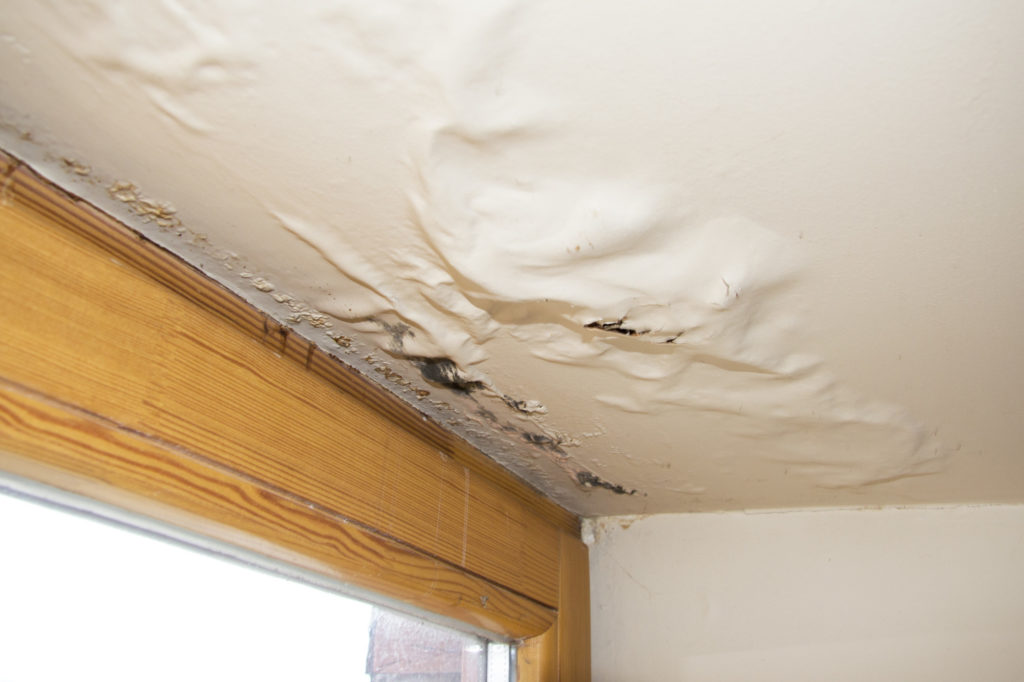
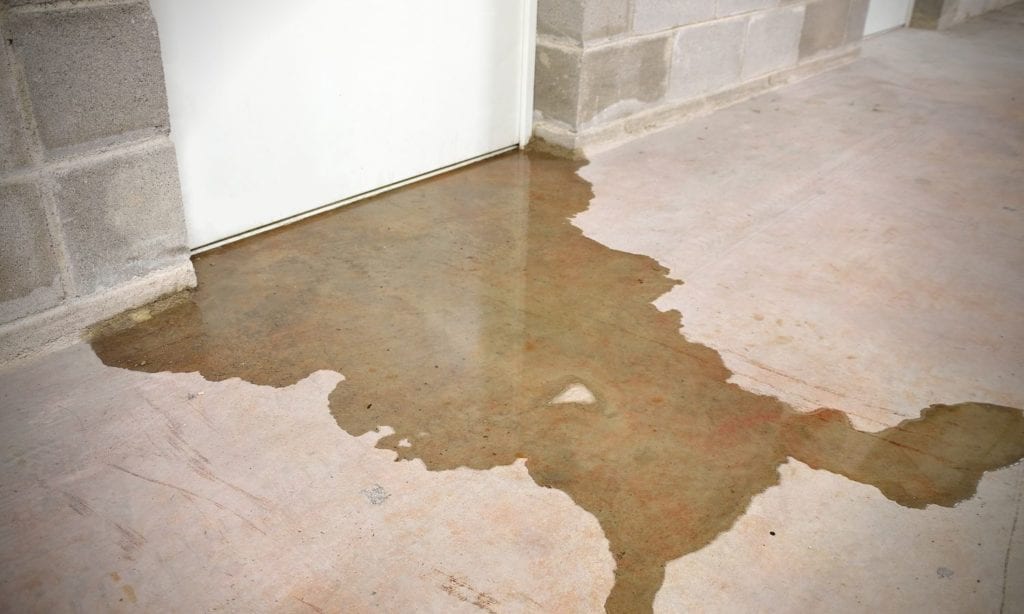
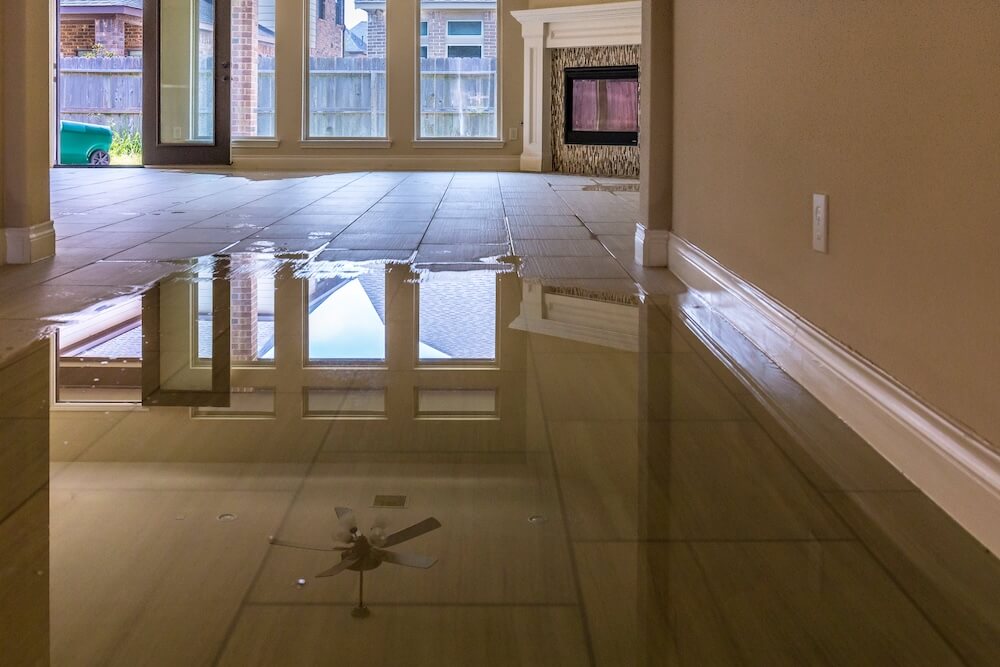
Flooding can happen quickly, especially when heavy rainfall overwhelms local drainage systems or when the ground becomes saturated. Even homes outside of designated flood zones are vulnerable if water cannot properly drain away from the foundation. Common consequences include:
- Structural damage to foundations, walls, and floors
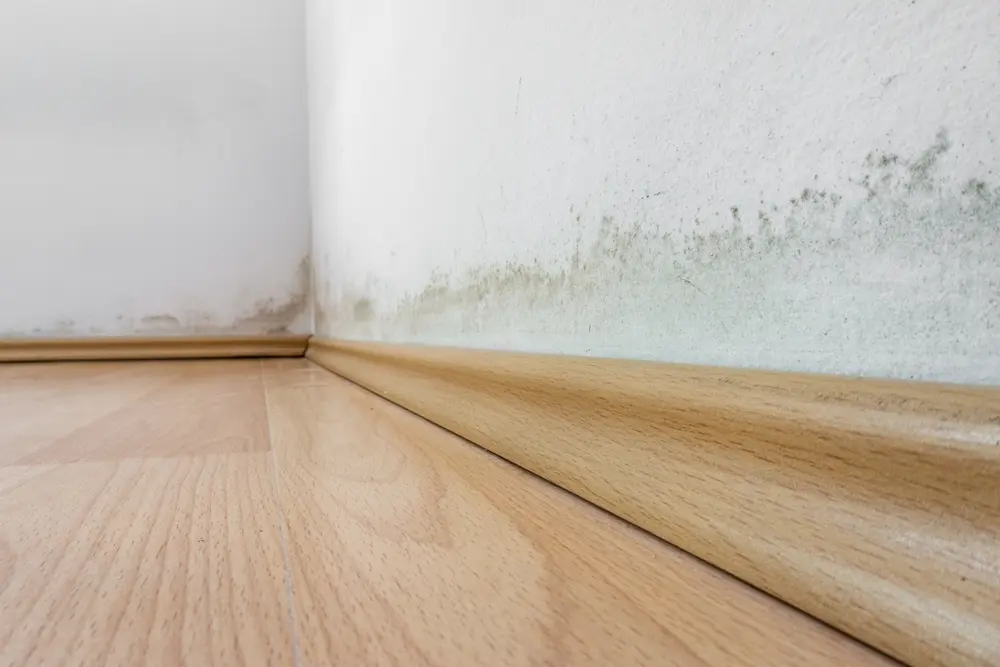
- Mold growth and indoor air quality issues
- Loss of personal property
- Electrical hazards and appliance failure
Recognizing these risks is the first step in developing a comprehensive flood prevention plan for your property.
Essential Home Maintenance for Flood Defense
Regular upkeep is one of the most effective ways to protect your home from water intrusion. Focus on these areas to strengthen your defense against heavy rainfall:
- Clean Gutters and Downspouts: Remove leaves and debris to ensure water flows freely away from your roof and foundation.
- Inspect Roof and Flashing: Repair damaged shingles and seal any gaps where water could enter.
- Maintain Sump Pumps: Test your sump pump regularly and consider a backup power source in case of outages.
- Seal Foundation Cracks: Use waterproof sealant to close any visible cracks in your basement or crawl space walls.
- Check Grading: The ground around your home should slope away to direct water away from the foundation.
Exterior Improvements for Water Diversion
Making changes to your home’s exterior can significantly reduce the risk of water entering during storms. Here are some practical upgrades:
- Install French Drains: These underground pipes help redirect water away from your property.
- Extend Downspouts: Attach extensions to carry roof runoff several feet from your foundation.
- Use Permeable Landscaping: Replace concrete with gravel, mulch, or permeable pavers to allow water to soak into the ground.
- Build Swales: Shallow ditches along your yard can channel water away from vulnerable areas.
These improvements not only help with heavy rain flood prevention but can also enhance your property’s appearance and value.
Basement and Interior Flood Protection Strategies
The basement is often the first area affected by flooding. To minimize the risk of water damage indoors:
- Install Backwater Valves: Prevent sewage from backing up into your home during storms.
- Elevate Appliances: Place washers, dryers, and HVAC systems on raised platforms.
- Store Valuables Off the Floor: Use shelves or waterproof containers for important items.
- Apply Waterproof Coatings: Use specialized paints and sealants on basement walls and floors.

Technology and Early Warning Systems
Modern technology offers valuable tools for flood prevention and early detection. Consider these options:
- Water Leak Detectors: Place sensors in basements, laundry rooms, and near water heaters to receive instant alerts if water is detected.
- Smart Sump Pumps: Some models can send notifications to your phone if they activate or lose power.
- Weather Apps and Alerts: Stay informed about severe weather warnings in your area.
Investing in these technologies can provide peace of mind and help you respond quickly to potential issues.
Community Resources and Professional Help
Sometimes, professional assessment is necessary to address complex drainage or structural issues. Local contractors can evaluate your property and recommend solutions tailored to your needs. Additionally, many municipalities offer resources for residents, such as sandbags or guidance on floodplain management.
For a comprehensive overview of flood risk reduction, you may find this expert guide to preventing flooding helpful. It covers both DIY and professional strategies for keeping your home safe during severe weather.
Long-Term Planning and Insurance Considerations
While immediate actions are crucial, long-term planning is equally important for heavy rain flood prevention. Review your homeowner’s insurance policy to ensure it covers flood damage, as many standard policies do not. Consider purchasing additional flood insurance if you live in an at-risk area.
Keep an inventory of your belongings, store important documents in waterproof containers, and develop an emergency plan for your household. These steps will help you recover more quickly if flooding does occur.
Frequently Asked Questions
What are the most effective ways to keep water away from my home’s foundation?
The most effective strategies include keeping gutters and downspouts clear, ensuring proper grading around your home, installing French drains, and extending downspouts to direct water away from the foundation. Regular maintenance and exterior improvements can significantly reduce the risk of water intrusion.
How can I protect my basement from flooding during heavy rain?
To protect your basement, install a sump pump with a backup power source, seal cracks in the foundation, use waterproof coatings on walls and floors, and consider installing backwater valves to prevent sewage backups. Storing valuables off the floor and using water leak detectors can also help minimize damage.
Is flood insurance necessary if I don’t live in a flood zone?
Flooding can occur outside of traditional flood zones due to heavy rainfall or blocked drainage systems. While it may not be required, having flood insurance provides financial protection and peace of mind, especially as weather patterns become more unpredictable.
Where can I find more information on household maintenance and safety?
For additional tips on keeping your home in top shape, check out our article on how to store corn masa for pressing, which shares practical advice for kitchen storage and food safety.