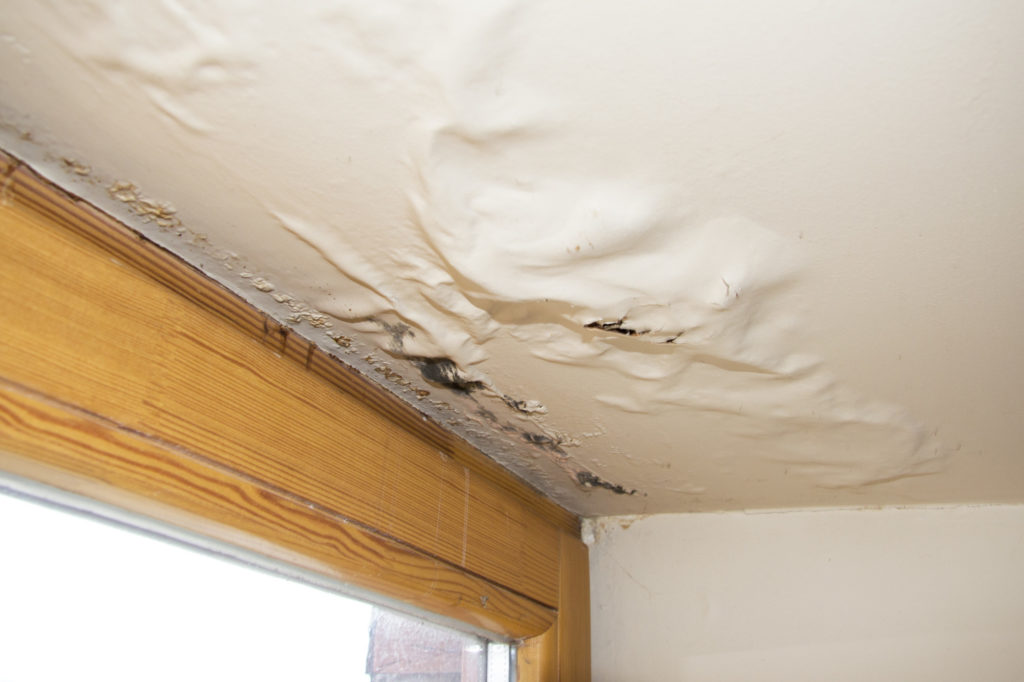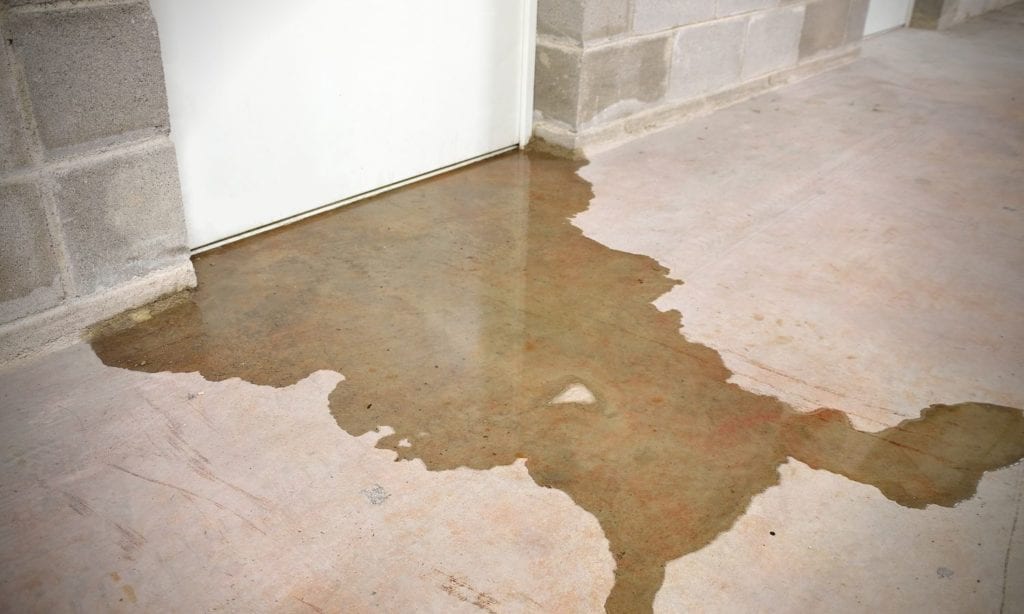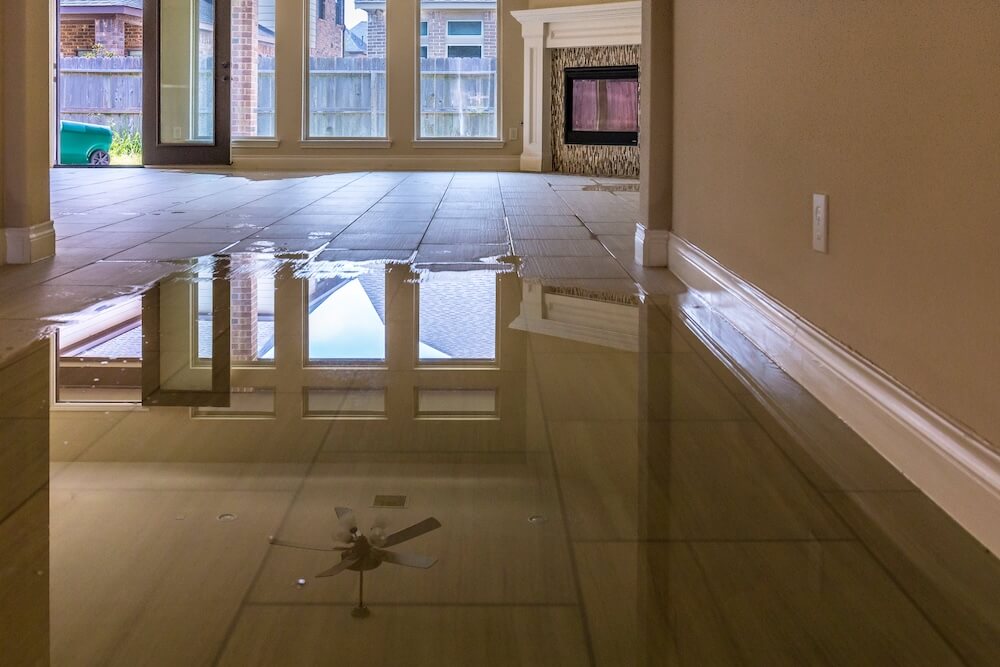
Flooding is one of the most common and costly disasters homeowners face. Whether caused by heavy rain, burst pipes, or rising groundwater, water damage can lead to expensive repairs and long-term issues like mold. Fortunately, home flood early warning systems are making it easier to detect threats before they become disasters. These technologies provide crucial alerts, giving you time to act and minimize damage.
In this guide, you’ll learn how these systems work, what features to look for, and how to integrate them into your property for maximum protection. We’ll also highlight practical tips and resources, including smart home flood alerts and other effective prevention strategies.
Understanding Flood Detection for Homes
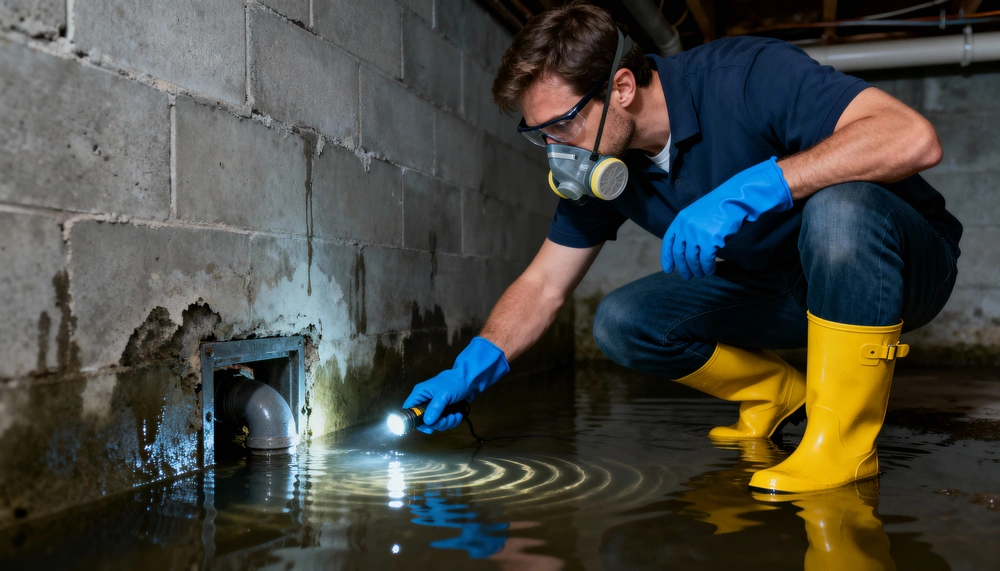
Modern flood detection technology has advanced far beyond traditional water alarms. Today’s systems use a combination of sensors, wireless connectivity, and smart notifications to provide real-time alerts. These devices can be placed in basements, near sump pumps, under sinks, or anywhere water leaks are likely to occur.
Many homeowners are also exploring low-cost flood prevention tips and combining them with automated solutions for a layered approach to protection.
Key Features of Home Flood Early Warning Systems
When evaluating which system to install, consider the following important features:
- Sensor Placement: Look for systems that allow multiple sensors to cover vulnerable areas throughout your home.
- Connectivity: Many devices connect to Wi-Fi or smart home hubs, enabling instant alerts to your phone or email.
- Battery Backup: Power outages often accompany severe weather. Choose devices with battery options to ensure continuous monitoring.
- Integration: Some solutions work with other smart home devices, like shutoff valves or security systems, for automated responses.
- Mobile Alerts: Immediate notifications help you act quickly, even if you’re away from home.
- Audible Alarms: Loud alarms can alert anyone in the house to a problem, even if mobile notifications are missed.
How These Systems Help Prevent Costly Damage
The main advantage of early warning flood systems is time. By detecting water as soon as it appears, you can shut off the main supply, move valuables, or call for help before the situation escalates. This rapid response can mean the difference between a minor inconvenience and a major insurance claim.
For new builds, integrating flood protection for new homes during construction can further reduce risk. Retrofitting existing homes with smart sensors is also highly effective, especially in flood-prone regions.
Types of Flood Sensors and Alarms
There are several types of devices available, each suited to different needs:
- Spot Sensors: Detect water at a specific point, ideal for under appliances or in corners.
- Rope Sensors: Cover a larger area by detecting water along the length of a cable, useful for basements or crawl spaces.
- Smart Sensors: Connect to home networks for remote monitoring and integration with other devices.
- Standalone Alarms: Simple battery-powered units that sound an alarm when water is detected.
For DIY enthusiasts, there are also DIY flood prevention projects that can complement commercial solutions.

Installation and Maintenance Tips
Setting up a home flood alert system is usually straightforward. Most sensors are wireless and can be placed anywhere water intrusion is a concern. For best results:
- Test sensors regularly to ensure they’re working properly.
- Replace batteries as needed, or choose models with long-life batteries.
- Keep sensors clean and free of dust or debris.
- Consider professional installation for complex setups or integration with other smart home systems.
For more comprehensive protection, learn about permeable pavement benefits and other landscaping solutions that help manage water around your property.
Smart Home Integration and Remote Monitoring
Many modern systems are compatible with smart home platforms like Alexa, Google Home, or Apple HomeKit. This allows you to receive alerts on your phone, trigger other devices (such as shutting off water valves), and monitor your property from anywhere. Some advanced solutions even provide historical data and analytics to help you identify recurring issues.
For those interested in the latest advancements, technologies combating flood risks worldwide offer insight into how innovation is shaping flood prevention at both the residential and community levels.
Choosing the Right Solution for Your Home
The best system for your needs depends on your home’s layout, local flood risks, and budget. Consider starting with the most vulnerable areas—such as basements, laundry rooms, or near water heaters—and expanding coverage as needed. Look for products with reliable customer support, easy installation, and positive reviews.
Combining technology with practical steps, like regular maintenance and landscape improvements, provides the strongest defense against water damage.
Frequently Asked Questions
What areas of the home should be prioritized for flood sensors?
Focus on basements, crawl spaces, laundry rooms, under sinks, near water heaters, and around sump pumps. Any location with plumbing or a history of leaks is a good candidate for sensor placement.
Can early warning systems prevent all types of flooding?
While these systems provide rapid alerts for leaks and minor water intrusions, they cannot stop large-scale flooding from severe weather or infrastructure failure. However, they significantly reduce the risk of unnoticed leaks turning into major problems.
Are smart home flood alerts difficult to install?
Most modern devices are designed for easy DIY installation, with wireless connectivity and simple setup procedures. For more complex integrations, professional installation may be beneficial.
How often should I test my flood detection system?
It’s recommended to test your sensors every few months and after any battery changes. Regular testing ensures your system remains reliable when you need it most.
Investing in a reliable flood detection solution is one of the most effective ways to protect your home and belongings. By staying proactive and leveraging both technology and practical prevention, you can minimize the impact of unexpected water events and enjoy greater peace of mind.