Flooding can cause significant and costly damage to homes, impacting everything from the foundation to personal belongings. As weather patterns shift and extreme events become more common, it’s crucial for homeowners to understand the best ways to protect their property. This guide explores a range of home flooding solutions designed to provide both immediate and long-term defense against water intrusion.
Whether you live in a flood-prone area or simply want to be prepared for unexpected storms, knowing how to minimize risk and respond quickly can make all the difference. We’ll cover practical steps, essential equipment, and maintenance tips to help you safeguard your home and belongings. For those interested in kitchen care, you might also find value in learning how to sanitize a cast iron press between cooking sessions.

Understanding the Risks of Residential Flooding
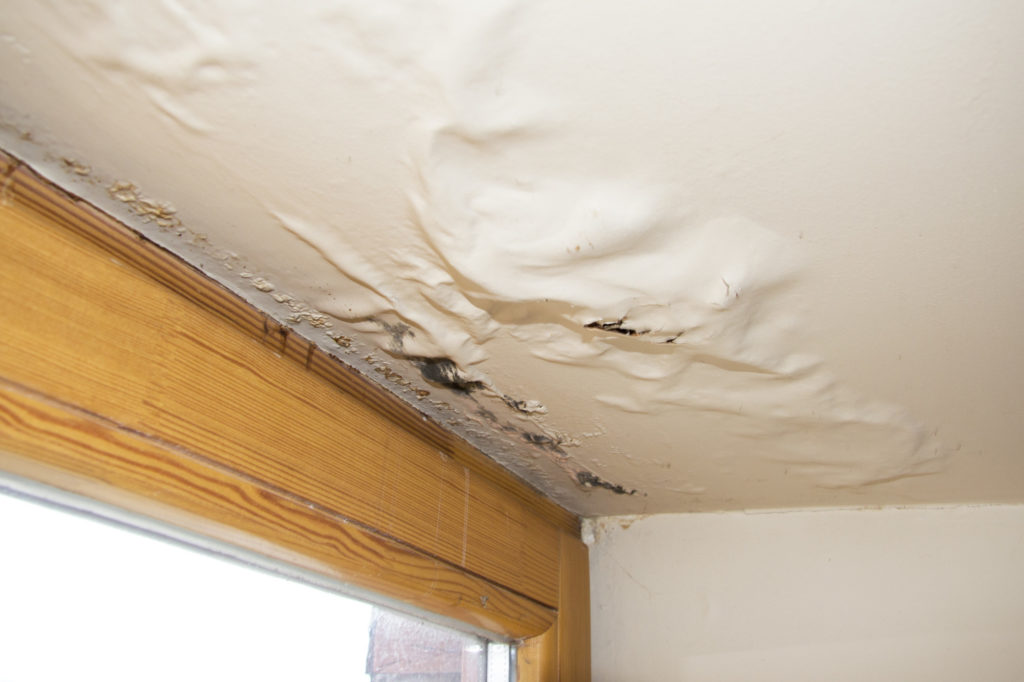
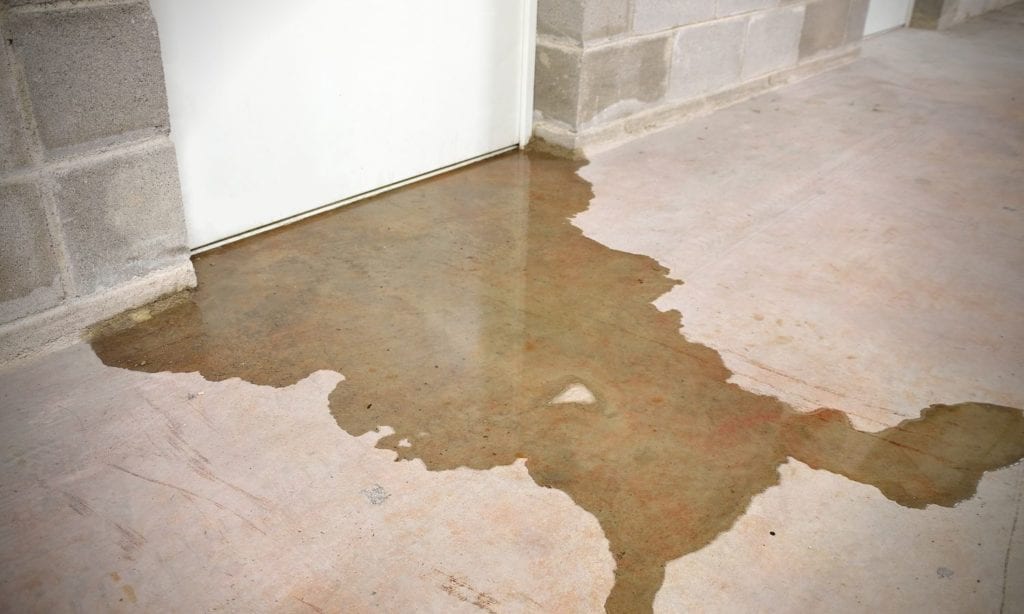
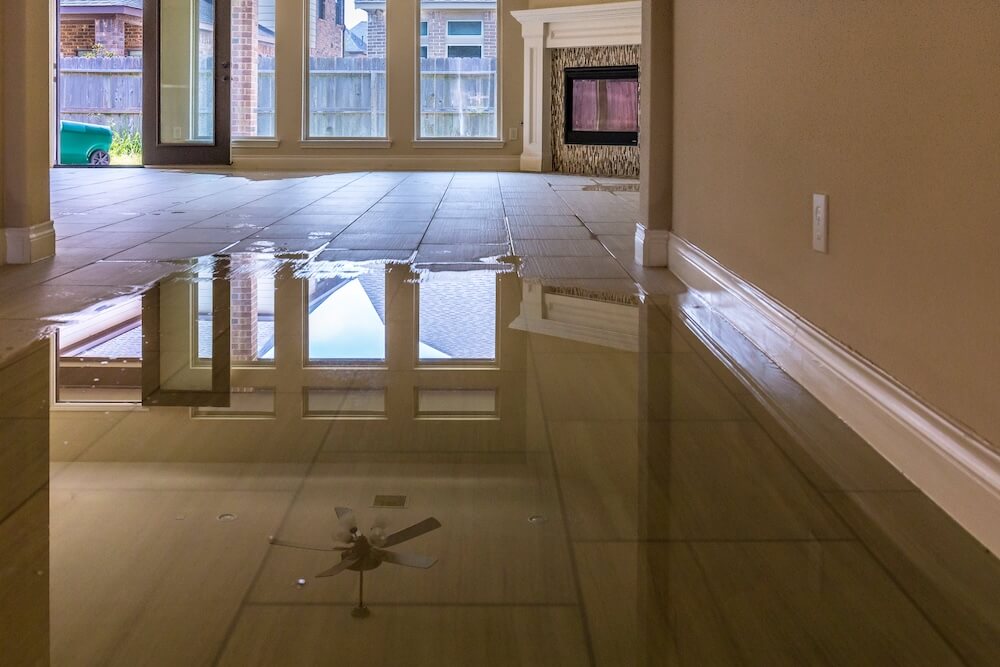
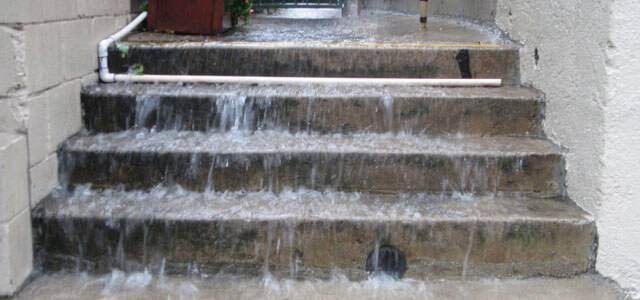
Before exploring prevention methods, it’s important to recognize the various sources of water damage. Flooding can result from heavy rainfall, rapid snowmelt, overflowing rivers, or even plumbing failures inside the home. Each scenario presents unique challenges, but all require a proactive approach to minimize harm.
Assessing your property’s vulnerability is the first step. Look for low-lying areas, poor drainage, or cracks in the foundation. If your neighborhood has a history of flooding, consider consulting local flood maps and speaking with neighbors about past incidents.
Proven Home Flooding Solutions for Prevention
There are several effective strategies to reduce the risk of water entering your home. Combining multiple methods often yields the best results, especially for properties in high-risk zones.
- Install Sump Pumps: Sump pumps are essential for homes with basements or crawl spaces. They automatically remove water that accumulates below ground level, preventing it from seeping into living areas.
- Seal Foundation Cracks: Inspect your foundation for gaps or cracks and seal them with waterproof materials. This simple step can block a major entry point for water.
- Maintain Gutters and Downspouts: Clean gutters regularly and ensure downspouts direct water at least six feet away from your home’s foundation. Clogged or misdirected drainage can quickly lead to pooling and leaks.
- Landscape for Drainage: Grade your yard so water flows away from the house. Consider installing French drains or swales to redirect runoff.
- Install Backwater Valves: These devices prevent sewage from backing up into your home during heavy rain or municipal system overloads.
Smart Technology for Early Detection
Modern home flooding solutions increasingly rely on technology to provide early warnings and prevent costly damage. Water leak detectors and smart alarms can alert homeowners to problems before they escalate.
These devices are typically placed near appliances, under sinks, or in basements. When moisture is detected, they send notifications to your phone or trigger audible alarms. This allows for quick action, such as shutting off the water supply or moving valuables out of harm’s way.
Investing in smart sensors is especially useful for those who travel frequently or own rental properties. A small upfront cost can prevent thousands of dollars in repairs and lost possessions.
Emergency Response: What to Do When Flooding Occurs
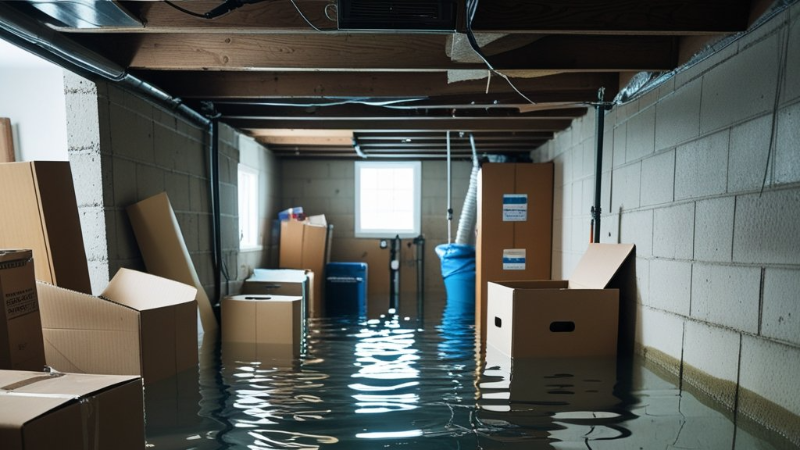
Even with the best precautions, severe weather or unexpected plumbing failures can still lead to water intrusion. Knowing how to respond quickly is key to minimizing damage.
- Shut Off Electricity: If water is rising near electrical outlets or appliances, turn off the power at the main breaker to avoid shock hazards.
- Move Valuables to Higher Ground: Relocate important documents, electronics, and sentimental items to upper floors or shelves.
- Remove Standing Water: Use wet/dry vacuums, mops, or pumps to clear water as soon as it is safe to do so.
- Document Damage: Take photos and videos for insurance claims before starting cleanup.
- Contact Professionals: For significant flooding, reach out to restoration experts who can assess structural damage and prevent mold growth.
Long-Term Maintenance for Flood Prevention
Consistent upkeep is vital for ensuring that your home flooding solutions remain effective over time. Routine inspections and timely repairs can prevent small issues from becoming major problems.
- Test sump pumps and backup batteries at least twice a year.
- Inspect gutters, downspouts, and drainage systems each season.
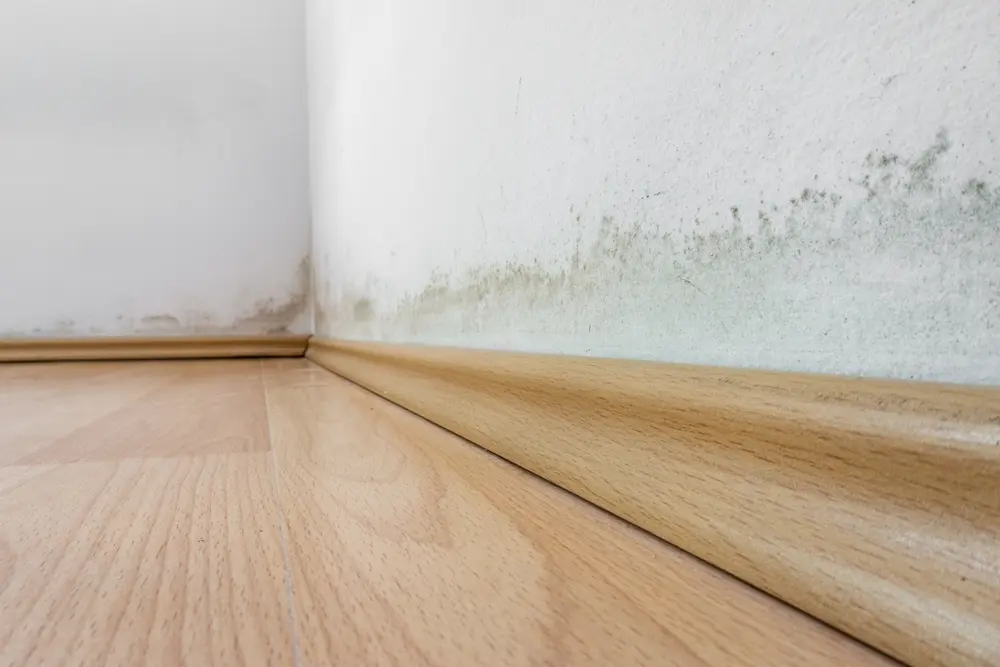
- Check for signs of moisture in basements, crawl spaces, and around windows.
- Replace weather stripping and caulking as needed.
- Review your insurance policy to ensure adequate flood coverage.
For more detailed prevention strategies, you can consult resources like this comprehensive guide to preventing flooding.
Additional Resources and Related Tips
Staying informed about best practices can further reduce your risk. For example, if you’re interested in food preparation, you might want to explore how to press tortillas for chilaquiles or how to store corn masa for pressing for kitchen efficiency. While these topics differ from flood prevention, they highlight the importance of proper care and preparation in all aspects of home management.
Frequently Asked Questions
What are the most effective ways to prevent basement flooding?
The most reliable methods include installing a sump pump, sealing foundation cracks, maintaining gutters and downspouts, and ensuring proper yard grading. Combining these steps with regular inspections greatly reduces the risk of water entering your basement.
How can smart devices help with flood prevention?
Smart water leak detectors and alarms provide early warnings by alerting homeowners to leaks or rising moisture levels. This enables quick action, such as shutting off water supplies or moving valuables, which can prevent extensive damage.
Is flood insurance necessary if I have implemented prevention measures?
While prevention measures significantly lower your risk, flood insurance offers financial protection in case of severe events. It’s especially important for homes in flood-prone areas or regions with unpredictable weather patterns.