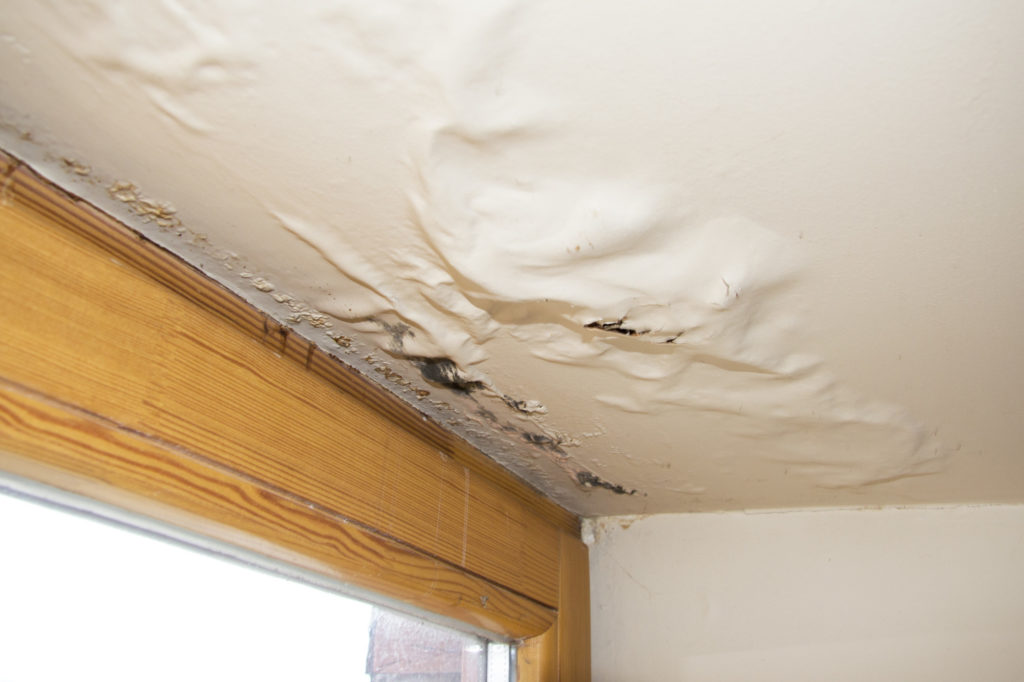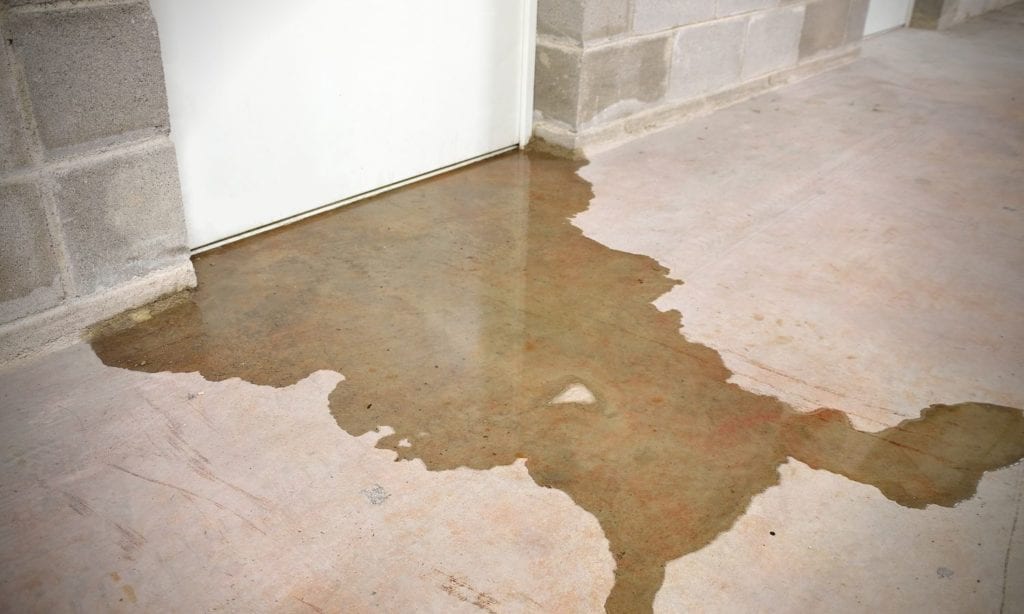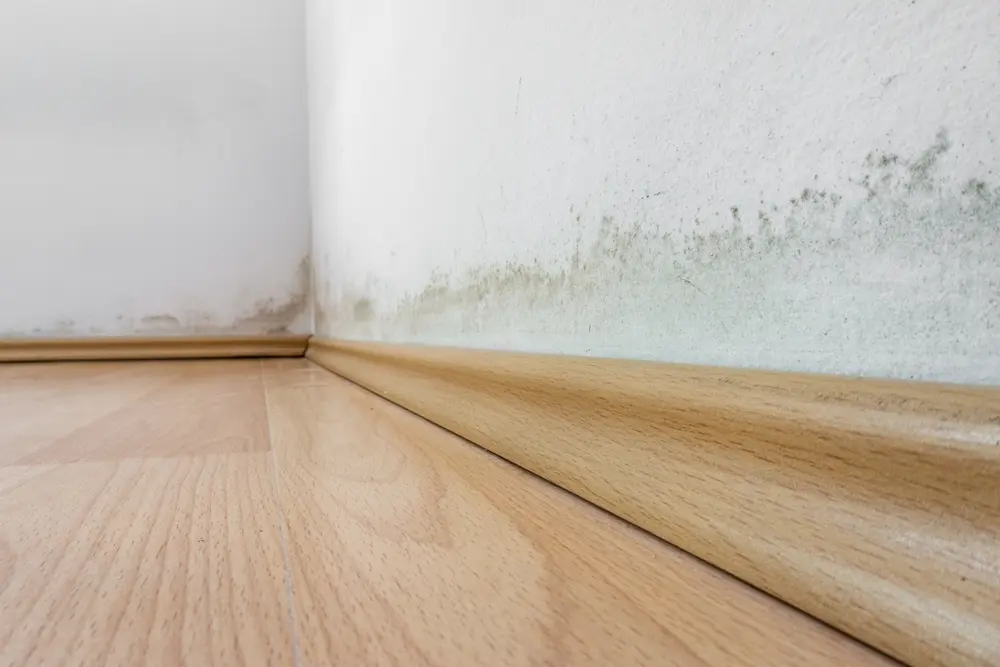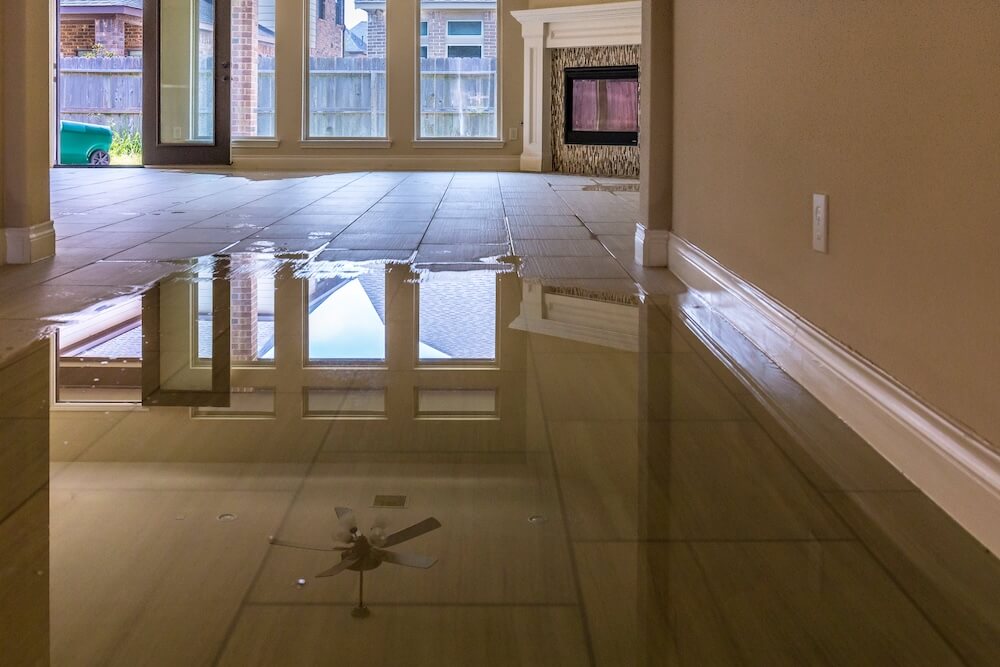
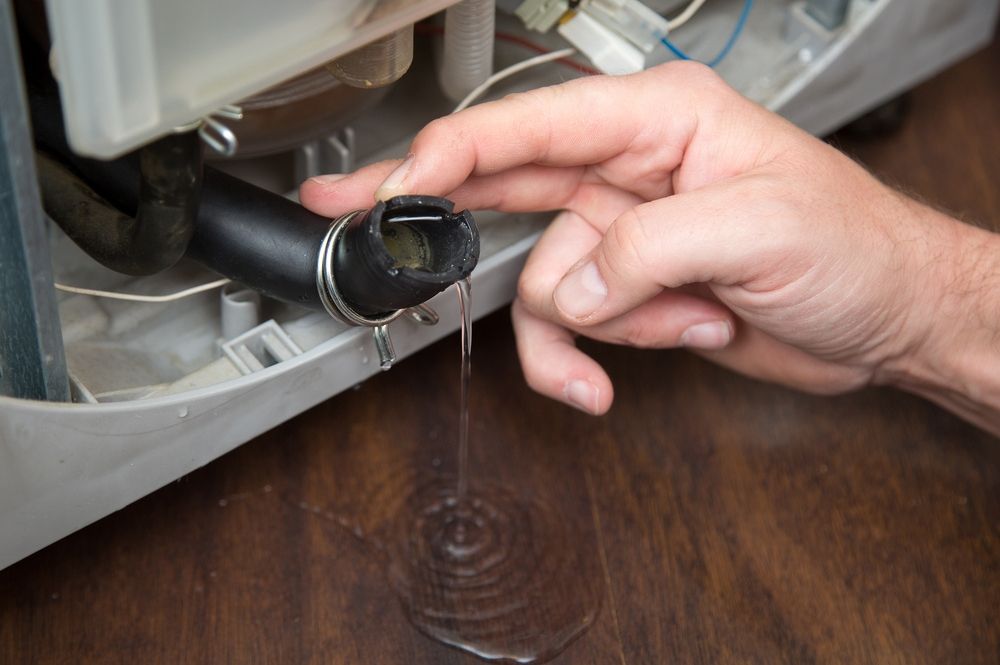
Water damage is a major concern for homeowners, often leading to expensive repairs, health hazards, and loss of valuable property. Traditional methods of detecting leaks or moisture issues are often reactive, only alerting residents after significant damage has occurred. With the rise of smart technology, the Internet of Things (IoT) is transforming how we protect our living spaces. By connecting sensors, detectors, and automated systems, IoT provides real-time monitoring and early warnings, helping to minimize the risks and costs associated with water-related incidents.
In this article, we’ll explore the practical ways that smart home devices and connected sensors are making it easier than ever to safeguard homes from leaks, burst pipes, and flooding. We’ll also highlight how these technologies integrate seamlessly into daily life, offering peace of mind and proactive protection.
For those interested in other smart home applications, you might also enjoy our guide on how to press tortillas for chilaquiles, which explores innovative kitchen tools and methods.
The Role of Smart Sensors in Water Damage Prevention
One of the most significant advances in home protection is the use of IoT-enabled sensors that monitor for leaks, humidity, and abnormal water flow. These devices are typically installed in high-risk areas such as basements, under sinks, near water heaters, and behind appliances. When a sensor detects moisture or an unusual change in water usage, it sends an immediate alert to the homeowner’s smartphone or central hub.
This rapid notification allows residents to take action before a minor leak becomes a major problem. Some systems can even trigger automatic shutoff valves, stopping the flow of water to prevent further damage. By leveraging real-time data and connectivity, these smart solutions offer a proactive approach to home maintenance.

How Connected Devices Detect and Respond to Leaks
The integration of connected leak detectors and water flow monitors is at the heart of modern water damage prevention. These devices use a combination of sensors and wireless communication to keep homeowners informed. Some of the most common features include:
- Moisture sensors: Placed in vulnerable spots, these detect the presence of water and send alerts instantly.
- Flow meters: Monitor the rate of water usage and identify unusual patterns that may indicate a leak or burst pipe.
- Automatic shutoff valves: When a problem is detected, these can cut off the water supply to prevent further flooding or seepage.
- Integration with smart home hubs: Many systems connect with platforms like Alexa, Google Home, or Apple HomeKit for centralized control and notifications.
By combining these elements, IoT-based solutions offer a comprehensive defense against common sources of water damage, from slow leaks to sudden pipe failures.
Benefits of Using IoT for Home Water Protection
Embracing smart technology for water management brings several key advantages:
- Early detection: Catching leaks early reduces repair costs and minimizes disruption.
- Remote monitoring: Homeowners can check their property’s status from anywhere, receiving instant alerts if issues arise.
- Automated response: Some systems can automatically shut off water, reducing the risk of extensive damage.
- Lower insurance premiums: Many insurers offer discounts for homes equipped with leak detection systems.
- Peace of mind: Knowing your home is protected around the clock brings confidence and security.
According to expert advice on protecting your home from water damage, proactive monitoring and fast response are the most effective strategies for minimizing loss.

Choosing and Installing Smart Water Monitoring Devices
Selecting the right IoT devices for your home depends on your specific needs and the layout of your property. Here are some tips for getting started:
- Identify risk areas: Focus on places where leaks are most likely, such as bathrooms, kitchens, laundry rooms, and basements.
- Compare device features: Look for sensors with reliable connectivity, long battery life, and compatibility with your existing smart home ecosystem.
- Professional vs. DIY installation: Some systems are easy to install yourself, while others may require a plumber or technician for setup.
- Regular maintenance: Test sensors periodically and replace batteries as needed to ensure continuous protection.
By taking these steps, you can maximize the effectiveness of your smart water monitoring system and enjoy the benefits of automated protection.
Integrating IoT Water Solutions with Other Smart Home Devices
Many homeowners are already using smart thermostats, security cameras, and lighting controls. Integrating water monitoring devices with these systems can create a more comprehensive and convenient home automation experience. For example, leak alerts can be programmed to trigger lights or alarms, making it easier to respond quickly in an emergency.
Additionally, some platforms allow you to monitor all your smart devices from a single app, simplifying management and reducing the risk of missed notifications. This level of integration not only enhances safety but also streamlines daily routines.
Common Causes of Water Damage and How IoT Addresses Them
Understanding the typical sources of leaks and flooding can help you prioritize where to deploy smart sensors. Some of the most frequent causes include:
- Worn or burst pipes
- Faulty appliances (dishwashers, washing machines, water heaters)
- Clogged drains or toilets
- Roof or foundation leaks
- Weather-related flooding
IoT-enabled devices are designed to detect these issues early, often before visible signs appear. By monitoring both water flow and environmental conditions, these systems provide a robust defense against a wide range of threats.
Frequently Asked Questions
What types of IoT devices are best for preventing water damage?
The most effective options include leak detectors, moisture sensors, smart water shutoff valves, and flow meters. Look for devices that offer real-time alerts, integration with your smart home system, and reliable battery life.
Can IoT water sensors help lower my home insurance costs?
Many insurance providers offer discounts for homes equipped with smart leak detection and shutoff systems. Check with your insurer to see if you qualify for reduced premiums by installing these devices.
How difficult is it to install smart water monitoring devices?
Installation varies by device. Many sensors are designed for easy DIY setup, while automatic shutoff valves may require professional installation. Always follow the manufacturer’s instructions for best results.
Conclusion
The adoption of IoT-based water monitoring is rapidly changing how homeowners protect their properties from leaks and flooding. By providing real-time data, instant alerts, and automated responses, these technologies offer a proactive solution that saves money, reduces stress, and preserves the value of your home. Whether you’re looking to upgrade your current system or just starting to explore smart home options, investing in connected water protection is a practical step toward a safer, more resilient living environment.