Mold growth hidden within walls can cause significant health issues and property damage before it becomes visible. Recognizing the early warning signs and understanding the best ways to uncover concealed mold is crucial for homeowners, renters, and property managers alike. This guide explores practical steps, tools, and expert tips for identifying mold that may be lurking out of sight, helping you protect your home and well-being.
While surface mold is easy to spot, the real challenge lies in discovering colonies that develop behind drywall, paneling, or wallpaper. These hidden infestations often result from unnoticed water leaks, high humidity, or previous flooding. Early detection can prevent costly repairs and reduce health risks associated with prolonged exposure.
If you’re interested in related home care topics, you might also find value in our article on how to sanitize a cast iron press for safe and effective kitchen maintenance.
Common Signs of Hidden Mold Growth
Detecting mold that is not immediately visible requires attention to subtle clues. Here are some of the most frequent indicators that there may be a problem behind your walls:
- Musty Odors: A persistent, earthy smell is often the first hint of mold activity, even when no discoloration is present on surfaces.
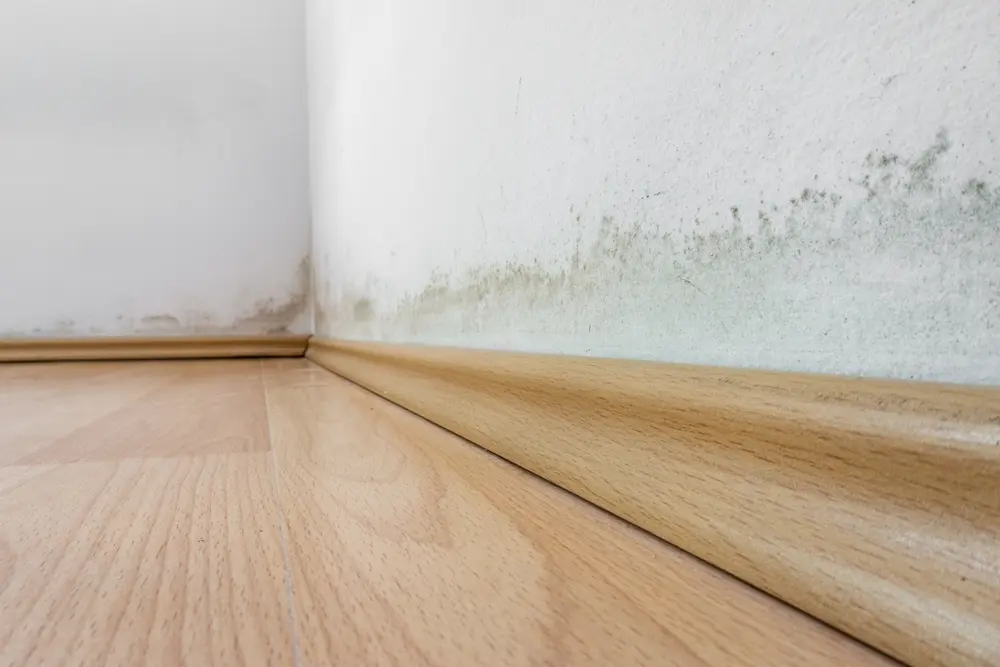
- Staining or Discoloration: Yellow, brown, or greenish stains appearing on drywall or wallpaper can signal moisture and possible fungal growth inside the wall cavity.
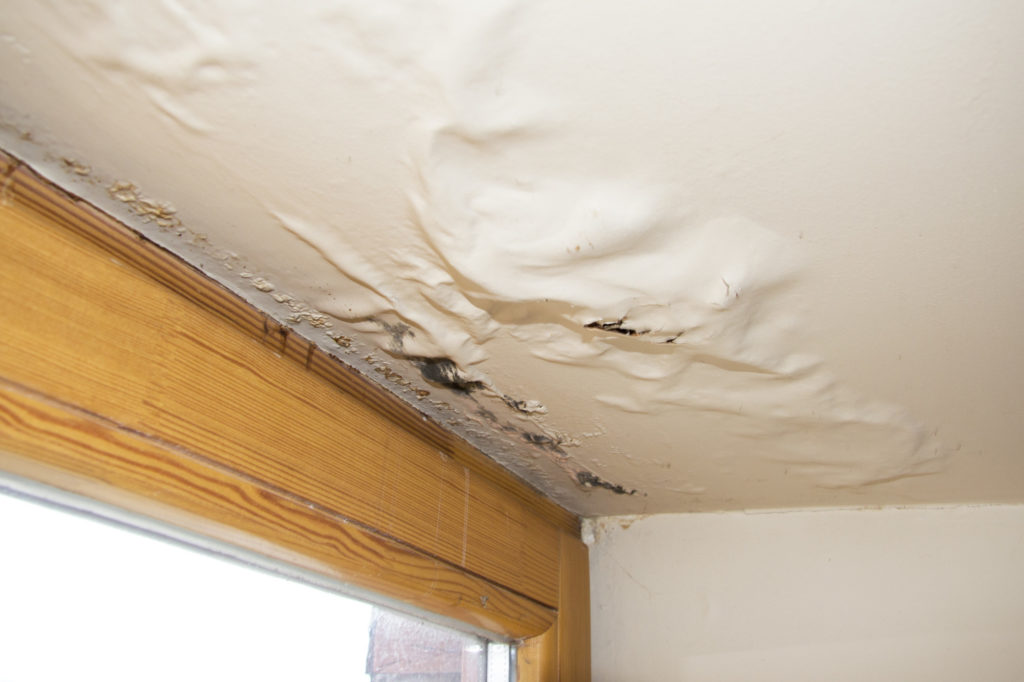
- Peeling or Bubbling Paint: Moisture trapped behind walls can cause paint or wallpaper to lose adhesion, leading to visible bubbling or peeling.
- Unexplained Allergies or Respiratory Issues: Increased sneezing, coughing, or asthma symptoms indoors may be linked to airborne mold spores.
- Warped Walls or Ceilings: Warping or bulging often results from water damage and may indicate a hidden leak fueling mold development.
Why Mold Develops Behind Walls
Understanding the causes of hidden mold is key to prevention and effective remediation. Mold thrives in damp, dark environments. Some of the most common reasons for concealed growth include:
- Plumbing Leaks: Slow leaks from pipes inside walls can go unnoticed for weeks or months, providing a constant moisture source.
- Roof or Window Leaks: Water intrusion from above or around windows can seep down into wall cavities.
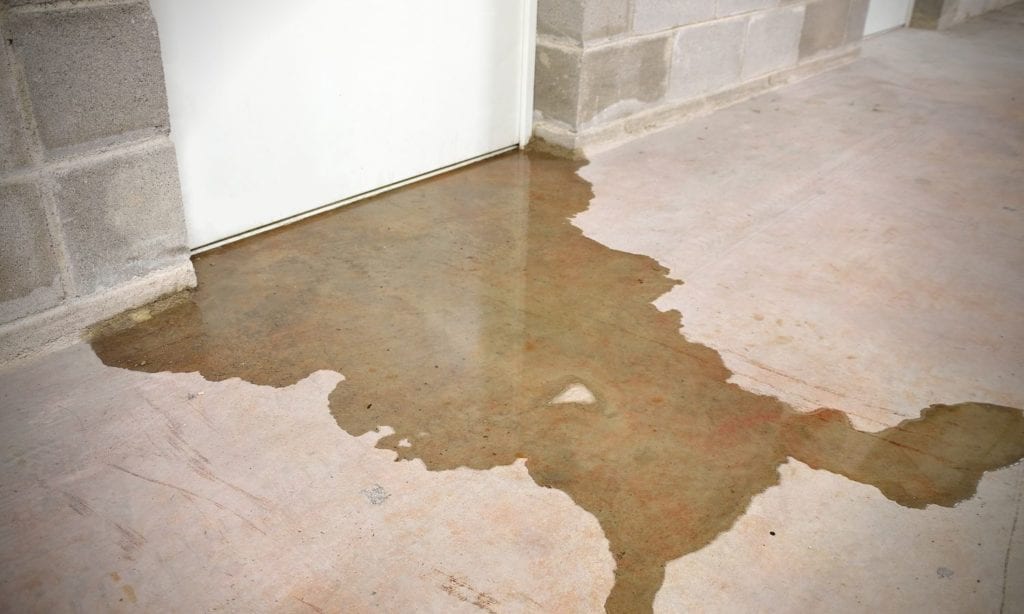
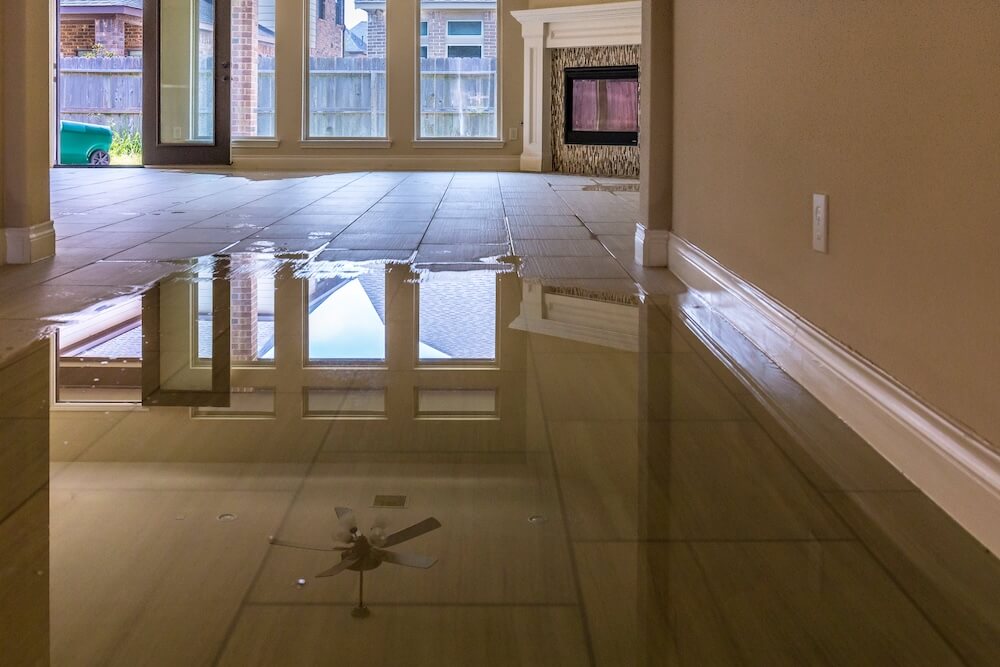
- Flooding or Water Intrusion: Past flooding events, even if cleaned up, can leave residual moisture behind walls.
- Poor Ventilation: High indoor humidity, especially in bathrooms or basements, encourages condensation and mold growth.
Methods for Identifying Mold Behind Walls
There are several practical techniques for uncovering mold that is not immediately visible. Some methods can be performed by homeowners, while others may require professional assistance.
Visual Inspection and Surface Testing
Start by looking for any visible signs of water damage, such as stains, warping, or peeling paint. Use a flashlight to inspect baseboards, corners, and areas near plumbing fixtures. If you suspect a problem, you can use a screwdriver or utility knife to gently probe the drywall for softness, which may indicate decay.
Surface mold test kits are available at most hardware stores. These kits allow you to collect samples from suspicious areas and send them to a lab for analysis. While these tests can confirm the presence of mold, they may not always identify hidden colonies deep within the wall.
Moisture Meters and Infrared Cameras
Moisture meters are handheld devices that measure the amount of water in building materials. By running a moisture meter along the wall, you can detect areas with elevated moisture levels, which are prime locations for mold growth.
Infrared cameras, often used by professionals, can identify temperature differences in walls caused by dampness. Cold spots may indicate hidden moisture, guiding further investigation.
Cutting Inspection Holes
If you have strong evidence of a problem but cannot locate the source, carefully cutting a small inspection hole in the drywall can allow you to look inside the wall cavity. Use caution to avoid electrical wires or plumbing. If you see black, green, or white fuzzy patches, or detect a strong musty odor, mold is likely present.
What to Do If You Find Mold
Once mold is confirmed, it’s important to address the underlying moisture issue and remove the contaminated materials. Small areas (less than 10 square feet) can sometimes be cleaned by homeowners using protective gear and proper cleaning solutions. For larger infestations or if you have health concerns, contact a certified mold remediation specialist.
Always wear gloves, goggles, and an N95 respirator when handling moldy materials. Seal off the affected area to prevent spores from spreading. Remove and discard porous materials like drywall and insulation that cannot be thoroughly cleaned.
Preventing Future Mold Issues
Preventing hidden mold is often a matter of controlling moisture and maintaining your home’s infrastructure. Here are some key strategies:
- Fix plumbing leaks and roof issues promptly.
- Use exhaust fans in bathrooms and kitchens to reduce humidity.
- Keep indoor humidity below 60% with dehumidifiers if necessary.
- Regularly inspect areas prone to water intrusion, such as basements and crawl spaces.
- Ensure gutters and downspouts direct water away from the foundation.
For more detailed information about water damage and its effects on building materials, refer to this comprehensive guide on water damage and mold risks.
FAQ About Uncovering Mold in Wall Cavities
What health problems can result from hidden mold?
Exposure to mold spores can trigger allergic reactions, asthma attacks, and respiratory issues. People with weakened immune systems, young children, and the elderly are especially vulnerable. Symptoms may include coughing, sneezing, headaches, and skin irritation.
Can I remove mold behind walls myself?
Small, localized infestations may be manageable with proper safety precautions. However, if the affected area is larger than 10 square feet, or if you have health concerns, it’s best to hire a professional mold remediation service. Improper removal can spread spores and worsen the problem.
How can I tell if a water leak is causing mold?
Signs of a hidden leak include unexplained increases in water bills, damp or soft spots on walls, and persistent musty odors. Using a pipe or toilet leak detector can help identify leaks early, reducing the risk of mold growth.
Is it necessary to replace drywall after mold is found?
In most cases, drywall and insulation that have been contaminated by mold should be removed and replaced. Porous materials are difficult to clean thoroughly, and leaving them in place can lead to recurring issues.
Detecting and addressing mold behind walls is essential for maintaining a healthy, safe home. By staying alert to warning signs, using appropriate detection methods, and acting quickly, you can minimize damage and protect your family from the risks associated with hidden mold.