Mold growth behind walls is a common but hidden issue in many homes and buildings. Left unchecked, it can cause structural damage and pose health risks to occupants. Recognizing the signs and understanding the best methods for uncovering concealed mold is essential for early intervention and prevention. This guide outlines practical steps, warning signs, and professional techniques to help you identify hidden mold and protect your property.
If you’re interested in home maintenance topics, you might also find our article on how to sanitize a cast iron press useful for keeping your kitchen tools safe and clean.
Why Mold Grows Behind Walls
Mold thrives in damp, dark, and poorly ventilated spaces. When moisture seeps into wall cavities—often from leaks, flooding, or high humidity—mold spores can quickly colonize drywall, insulation, and wood framing. Since these areas are hidden from view, growth can go unnoticed for months or even years.
Common sources of moisture that contribute to hidden mold include:
- Leaking pipes or plumbing fixtures
- Roof or window leaks
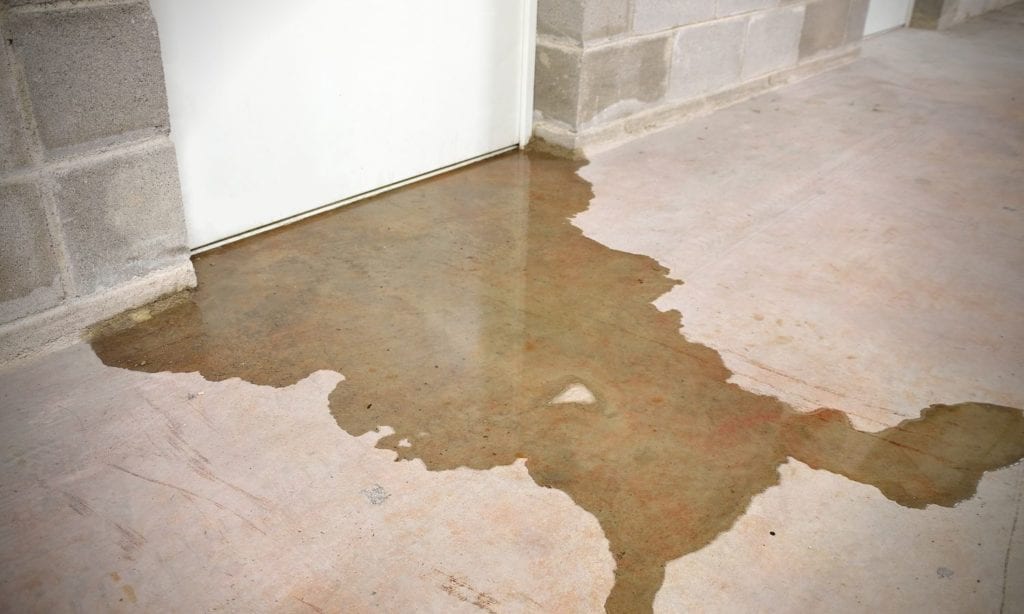
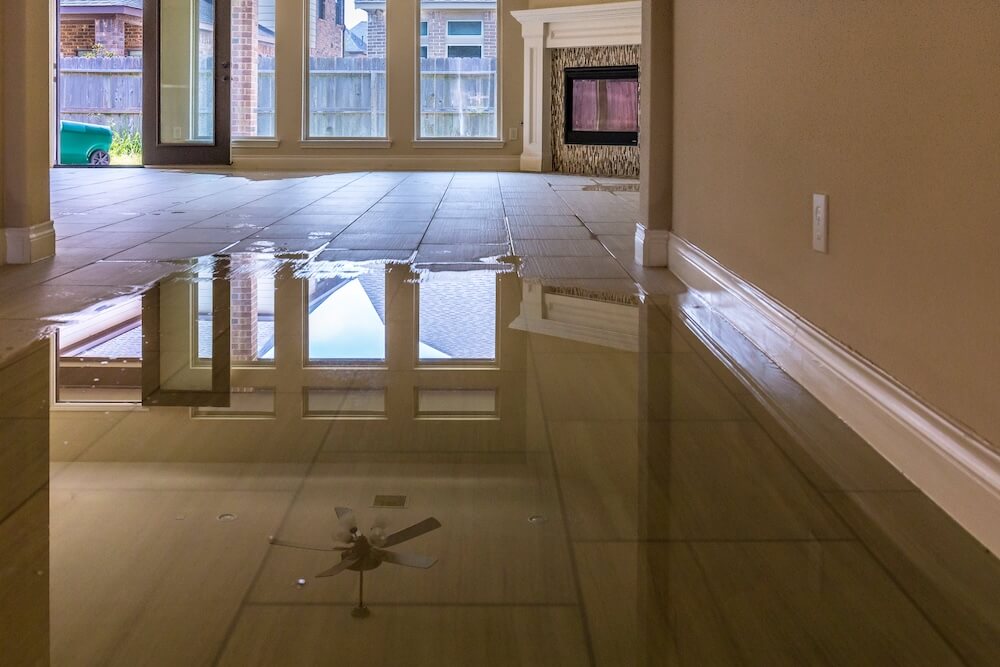
- Flooding or water intrusion from outside
- Condensation from poor insulation or ventilation
Early Warning Signs of Hidden Mold
Detecting mold that’s out of sight requires paying attention to subtle clues. Here are some of the most common indicators that mold may be growing behind your walls:
- Musty Odors: A persistent, earthy smell is often the first sign of mold, even if you can’t see it.
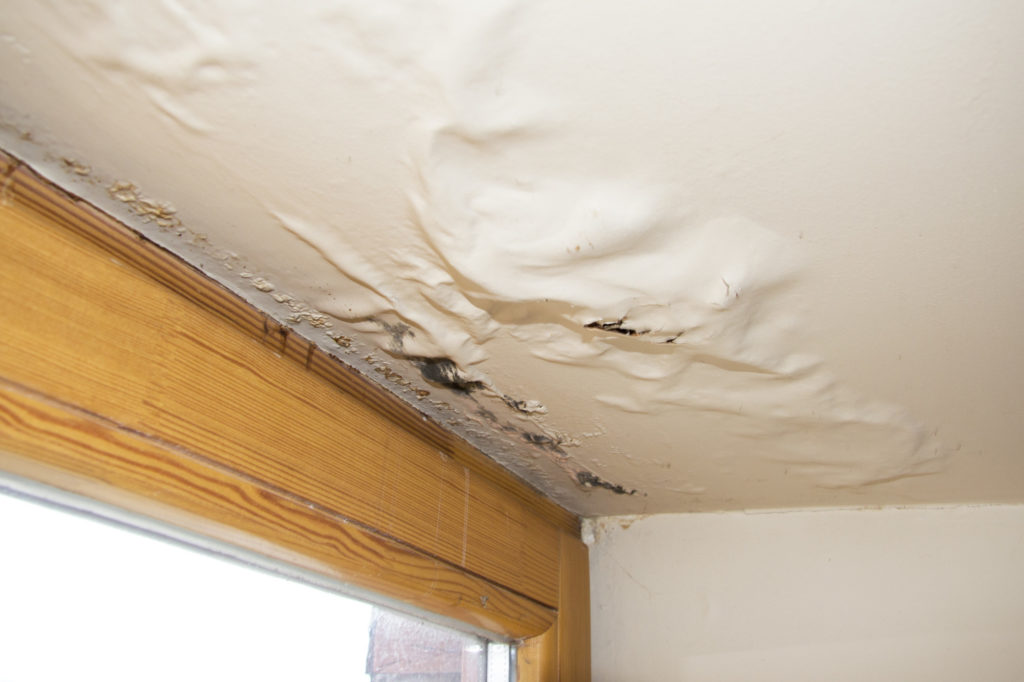
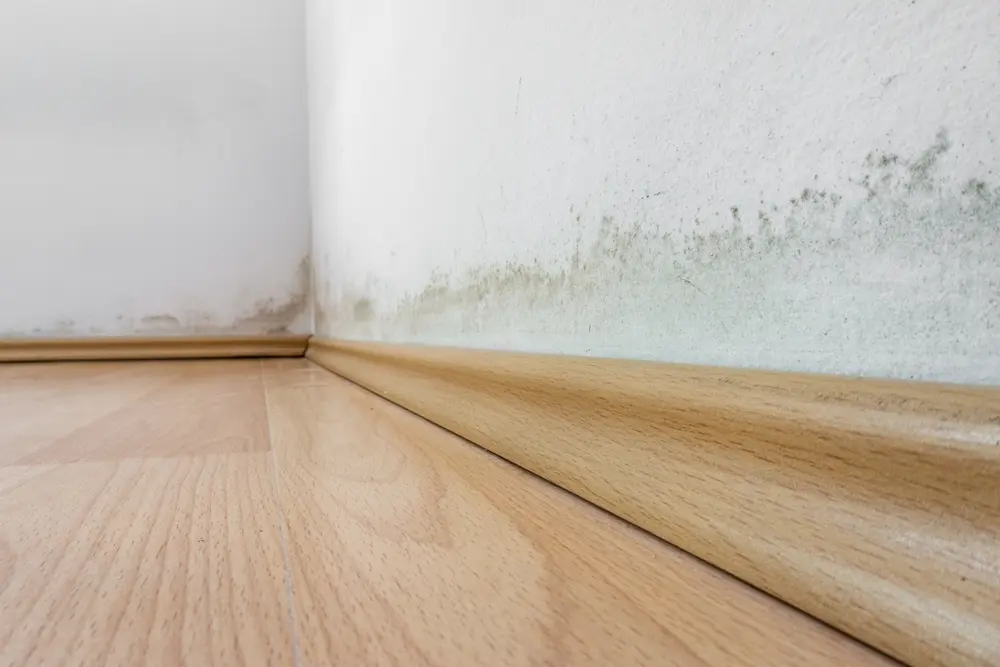
- Discoloration or Stains: Yellow, brown, or greenish patches on walls or ceilings can signal moisture and possible mold.
- Bubbling or Peeling Paint: Moisture trapped behind paint can cause it to bubble, crack, or peel away.
- Warped or Soft Drywall: Walls that feel soft to the touch or appear warped may be harboring mold and moisture.
- Unexplained Allergies or Respiratory Issues: Mold spores can trigger symptoms such as coughing, sneezing, or headaches, especially in sensitive individuals.
Step-by-Step Guide to Finding Mold in Wall Cavities
If you suspect hidden mold, a systematic approach can help confirm your suspicions and guide your next steps. Here’s how to proceed:
1. Inspect for Visible Clues
Begin by examining walls, baseboards, and ceilings for discoloration, stains, or warping. Pay special attention to areas near plumbing, windows, or where past water damage has occurred.
2. Smell for Musty Odors
Walk through rooms and sniff near walls and outlets. A strong, musty odor is a reliable indicator of mold, even if you can’t see it.
3. Check for Moisture
Use a moisture meter to detect dampness in drywall or wood. High readings suggest a hidden leak or condensation problem, which often leads to mold.
4. Use Wall Inspection Tools
In some cases, professionals use borescopes—small cameras inserted through a tiny hole—to visually inspect inside wall cavities. Thermal imaging cameras can also reveal cold spots caused by moisture.
Professional Mold Detection Methods
While DIY methods can help you identify potential issues, professionals have access to advanced tools and techniques for uncovering mold behind walls. These include:
- Infrared Thermography: Detects temperature differences caused by moisture, helping pinpoint hidden leaks and mold-prone areas.
- Air Sampling: Measures mold spore concentrations in the air to determine if hidden colonies are present.
- Surface Sampling: Swabs or tape lifts are used to collect samples from surfaces for laboratory analysis.
- Borescope Inspection: Allows visual confirmation of mold without extensive demolition.
If you’re dealing with significant water damage or suspect a major infestation, it’s wise to consult a certified mold remediation specialist. For more details on water damage and its effects, see this comprehensive guide to water damage and mold risks.
What to Do If You Find Mold
Once you’ve confirmed the presence of mold, it’s crucial to act quickly. Small, localized patches (less than 10 square feet) can sometimes be handled by homeowners using proper safety gear and cleaning solutions. However, larger infestations or mold caused by contaminated water should always be addressed by professionals.
Steps to take include:
- Stop the source of moisture (repair leaks, improve ventilation).
- Isolate the affected area to prevent spores from spreading.
- Remove and dispose of contaminated materials (drywall, insulation) if necessary.
- Clean and disinfect all surfaces using EPA-registered products.
- Dry the area thoroughly before making repairs.
Preventing Mold Growth in Wall Cavities
Prevention is always better than remediation. To minimize the risk of hidden mold:
- Fix leaks and water issues promptly.
- Maintain indoor humidity below 60% using dehumidifiers or air conditioners.
- Ensure proper ventilation in bathrooms, kitchens, and laundry areas.
- Insulate pipes and exterior walls to prevent condensation.
- Regularly inspect areas prone to moisture for early signs of trouble.
Investing in leak detection technology can help you catch problems before they escalate. For example, a pipe or toilet leak detector can alert you to hidden water issues that might otherwise go unnoticed.
FAQ About Detecting Mold Behind Walls
How can I tell if there is mold behind my drywall without removing it?
Look for indirect signs such as musty odors, discoloration, or soft spots on the wall. Using a moisture meter or thermal imaging camera can help identify damp areas where mold is likely to grow.
Is it safe to remove moldy drywall myself?
Small areas (less than 10 square feet) can often be removed safely with proper protective gear. For larger or more severe infestations, or if the mold is caused by contaminated water, professional remediation is recommended.
What health symptoms are associated with hidden mold?
Exposure to mold spores can cause respiratory issues, allergies, headaches, and skin irritation. People with asthma or weakened immune systems are especially vulnerable.
Can mold return after remediation?
Yes, if the underlying moisture problem is not resolved, mold can return. Always address leaks and humidity issues to prevent recurrence.
Conclusion
Uncovering mold behind walls requires vigilance and a proactive approach. By recognizing warning signs, using the right detection tools, and addressing moisture issues promptly, you can protect your home and health. If you suspect a serious problem, don’t hesitate to seek professional help for thorough inspection and remediation.