
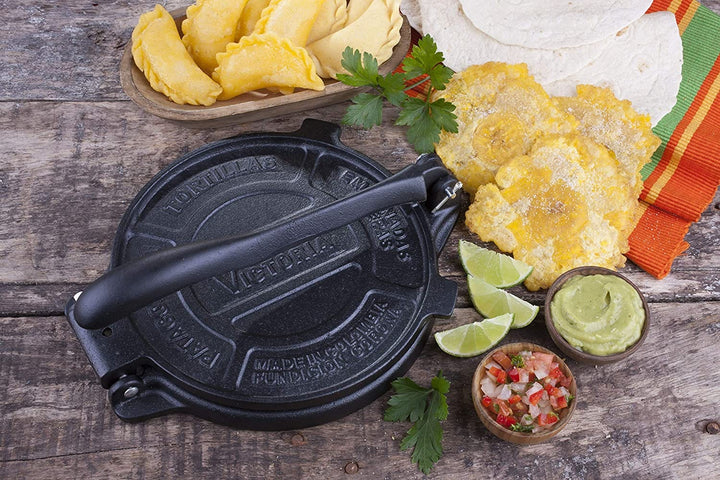
Maintaining a tortilla press is essential for smooth operation and longevity, especially when it comes to the hinge. Over time, the hinge can become stiff or squeaky, making it harder to press dough evenly. Proper lubrication not only keeps your press working efficiently but also prevents wear and rust. However, because the press comes into contact with food, it’s crucial to use food-safe lubricants when greasing the hinge.
This article will walk you through the process of greasing a tortilla press hinge safely, highlight the best lubricants for the job, and provide practical tips for ongoing care. If you’re interested in other ways to use your press, such as for how to press tortillas for gorditas de azucar, you’ll find that proper maintenance makes every task easier and more enjoyable.
Why Lubricating the Hinge Matters
The hinge is the moving part that allows the two plates of your tortilla press to open and close. Over time, exposure to flour, dough, and moisture can cause the hinge to stiffen or corrode. Regular lubrication ensures:
- Smoother pressing action for even tortillas
- Reduced squeaking and sticking
- Protection against rust and wear
- Longer lifespan for your press
Neglecting this simple maintenance step can lead to uneven dough, extra effort during use, and eventually, the need for costly repairs or replacement.
Choosing the Right Food-Safe Lubricant
When selecting a lubricant for your tortilla press, it’s vital to use only products that are safe for food contact. Many common household oils and greases are not suitable, as they can contaminate your dough or pose health risks. Here are the best options:
- Mineral Oil (Food Grade): Widely available, odorless, and tasteless. Ideal for cast iron and metal hinges.
- Beeswax: Natural and safe, often used in combination with mineral oil for extra protection.
- Vegetable Oil: Acceptable for short-term lubrication, but can become sticky or rancid over time.
- Specialty Food-Safe Lubricants: Products labeled NSF H1 or “food machinery grease” are designed for kitchen equipment.
Avoid using petroleum jelly, WD-40, or non-food-grade greases, as these are not intended for surfaces that come into contact with food.
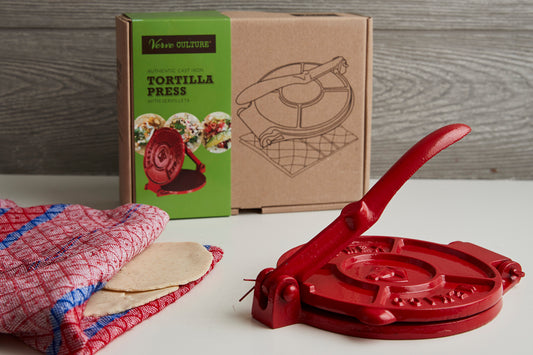
Step-by-Step Guide to Greasing Your Tortilla Press Hinge
Follow these steps to keep your press working smoothly and safely:
- Clean the Press: Before applying any lubricant, thoroughly clean the hinge area. Use a damp cloth to remove old dough, flour, or debris. For stubborn residue, a small brush or toothpick can help.
- Dry Completely: Moisture can cause rust, especially on cast iron presses. Make sure the hinge is completely dry before lubricating.
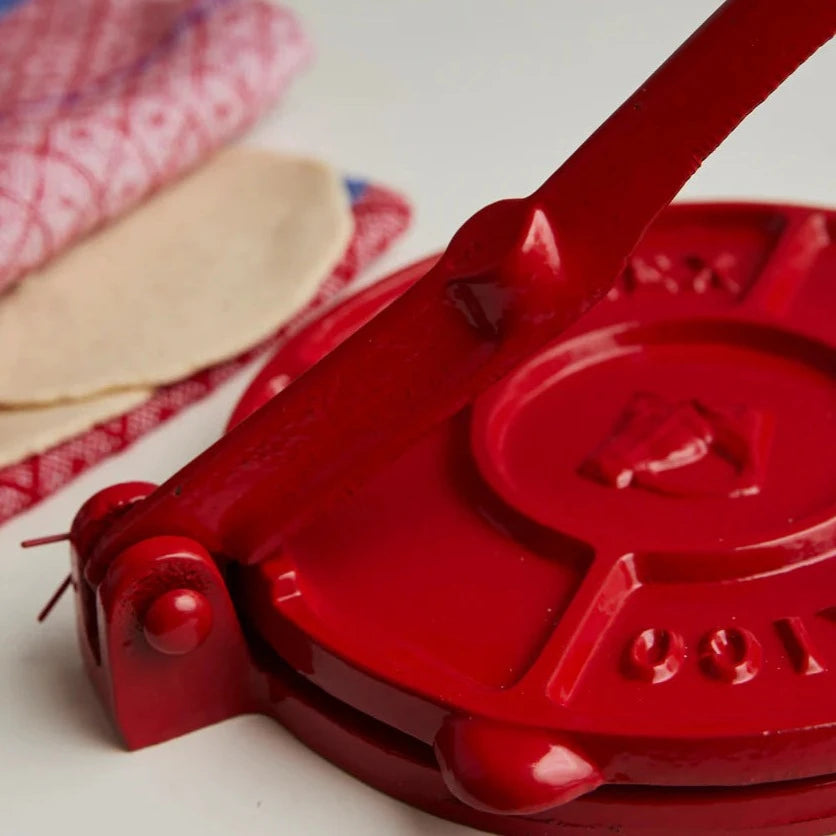
- Apply Food-Safe Lubricant: Using a clean cloth, cotton swab, or your fingertip, apply a small amount of your chosen lubricant directly to the hinge pin and moving parts. For mineral oil or specialty grease, a drop or two is usually enough.
- Work the Hinge: Open and close the press several times to distribute the lubricant evenly. Wipe away any excess to prevent it from transferring to your dough.
- Reapply as Needed: Check the hinge every few weeks or after heavy use. If it feels stiff or squeaks, repeat the process.
Regular care will keep your press operating like new and help you achieve perfect tortillas every time.
Tips for Maintaining Your Tortilla Press
Beyond lubricating the hinge, there are several ways to extend the life of your press and ensure food safety:
- Store in a Dry Place: Moisture is the enemy of metal presses. Always store your press in a dry spot to prevent rust.
- Season Cast Iron: If you have a cast iron model, season it periodically with food-grade oil to keep it nonstick and rust-free. For more on long-term care, see how to store a cast iron press long term.
- Inspect Regularly: Check for loose screws, cracks, or signs of wear. Address issues promptly to avoid bigger problems.
- Clean After Each Use: Wipe down the plates and hinge after every session to prevent buildup.
These habits, combined with proper lubrication, will keep your press in top shape for years to come.
Common Mistakes to Avoid When Lubricating
While greasing the hinge is straightforward, a few common errors can compromise food safety or the function of your press:
- Using Non-Food-Safe Products: Never use automotive grease, WD-40, or other chemicals not intended for kitchen use.
- Over-Lubricating: Too much oil can drip onto your dough and affect taste or texture. Always wipe away excess.
- Neglecting Regular Cleaning: Lubricant can attract dust and debris if the hinge isn’t cleaned first.
- Ignoring Manufacturer Instructions: Some presses may have specific care recommendations. Always check your manual.
Sticking to food-safe lubricants and following best practices will keep your press—and your food—safe and delicious.
Additional Resources for Tortilla Press Care
For more detailed maintenance advice, you can consult guides like how to care for and maintain a tortilla press. If you’re interested in creative uses for your press, such as making dumpling skins or thin crust pizza, check out our tips on how to use a tortilla press for dumplings skins or how to use a tortilla press for thin crust.
FAQ
What is the safest lubricant for a tortilla press hinge?
The safest options are food-grade mineral oil, beeswax, or specialty food-safe lubricants labeled NSF H1. These are designed for kitchen equipment and will not contaminate your dough.
How often should I grease the hinge?
It’s best to lubricate the hinge every few weeks, or whenever you notice stiffness or squeaking. If you use your press daily, check it weekly. Always clean the hinge before reapplying lubricant.
Can I use olive oil or coconut oil?
While vegetable oils like olive or coconut oil are technically food-safe, they can become sticky or rancid over time. For long-term performance, mineral oil or beeswax are better choices.
Should I disassemble the press to lubricate the hinge?
Usually, you do not need to take apart the press. Applying lubricant to the exposed hinge and working it in by opening and closing the press is sufficient. Only disassemble if the hinge is extremely stiff or if the manufacturer recommends it.
Will lubricating the hinge affect the taste of my tortillas?
When using a small amount of food-safe lubricant and wiping away any excess, there should be no impact on the flavor or texture of your tortillas.




