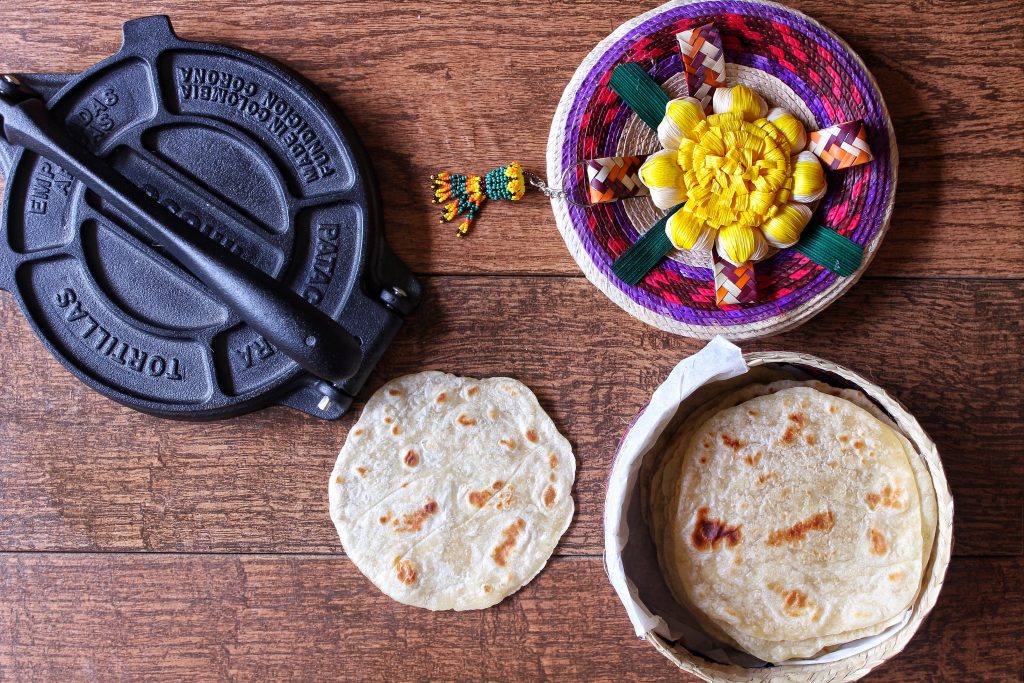
Blue corn tortillas have a distinctive color, earthy flavor, and a nutritional profile that sets them apart from traditional white or yellow corn varieties. Making these tortillas at home is easier than you might think, especially when you use a cast iron press. This guide will walk you through the process of how to make blue corn tortillas with a press, covering everything from selecting ingredients to pressing and cooking perfect rounds every time.
Before diving into the step-by-step instructions, it’s helpful to understand why blue corn is a popular choice. Blue corn is rich in antioxidants, has a slightly sweeter taste, and offers a unique texture. When paired with the right technique and equipment, such as a sturdy cast iron tortilla press, you can achieve authentic, restaurant-quality results in your own kitchen.
If you’re interested in learning more about related techniques, check out our article on how to press tortillas for chilaquiles for additional tips on tortilla preparation.
Essential Tools and Ingredients for Blue Corn Tortillas
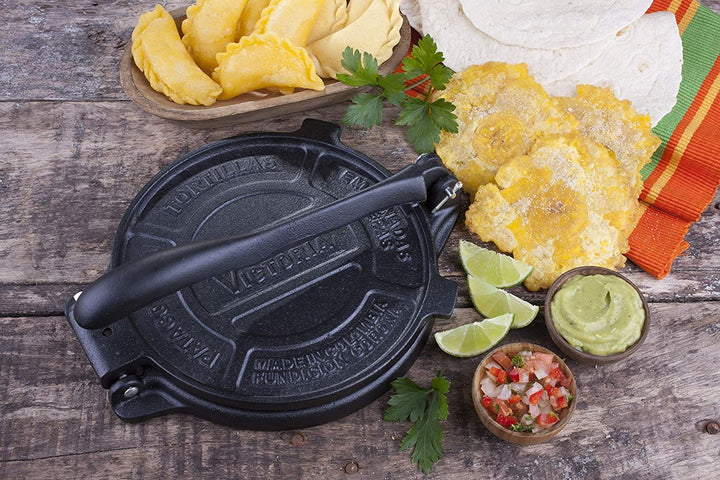
To start making blue corn tortillas at home, you’ll need a few basic tools and ingredients. The most important piece of equipment is a cast iron tortilla press, which ensures even, consistent tortillas every time. Here’s what you’ll need:
- Blue corn masa harina (look for brands labeled “nixtamalized” for best results)
- Warm water
- Salt (optional, for flavor)
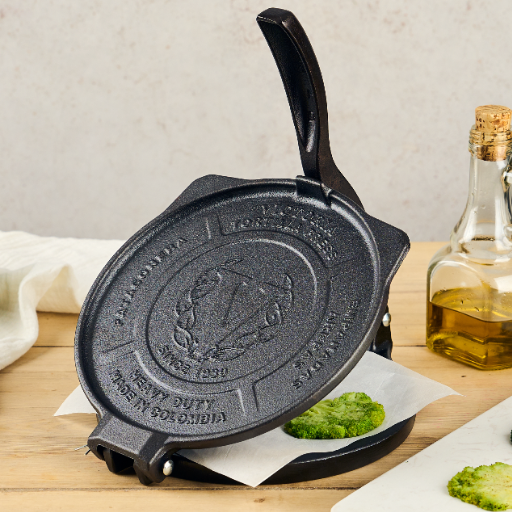
- Cast iron tortilla press
- Plastic wrap or parchment paper (to prevent sticking)
- Nonstick or cast iron skillet for cooking
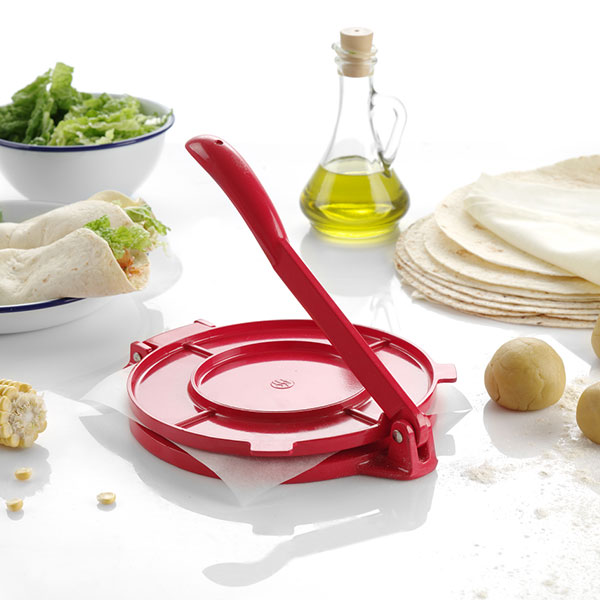
Using a press not only saves time but also creates tortillas with a uniform thickness, which is key for even cooking and the best texture. If you’re new to tortilla presses, you might find our guide on how to use a tortilla press for naan helpful for understanding the basics of pressing dough.
Mixing and Preparing Blue Corn Masa
The foundation of any great tortilla is the masa. For blue corn tortillas, you’ll use blue corn masa harina, which is a finely ground flour made from nixtamalized blue corn. Here’s how to prepare the dough:
- Measure out 2 cups of blue corn masa harina into a large mixing bowl.
- Add 1/2 teaspoon of salt if desired.
- Gradually pour in 1 1/4 cups of warm water, mixing with your hands until a soft, pliable dough forms. The dough should feel moist but not sticky. If it’s too dry, add water a tablespoon at a time. If it’s too wet, sprinkle in a little more masa harina.
- Knead the dough for 2-3 minutes until smooth. Cover with a damp towel to prevent drying out while you work.
For tips on keeping your masa fresh and ready for pressing, see our article on how to store corn masa for pressing.
How to Use a Cast Iron Press for Blue Corn Tortillas
Once your dough is ready, it’s time to shape it using your press. Here’s a step-by-step guide to how to make blue corn tortillas with a press:
- Divide the dough into 12 equal balls, about the size of a golf ball.
- Cut two squares of plastic wrap or parchment paper to fit your press. Place one piece on the bottom plate of the press.
- Place a dough ball in the center, then cover with the second piece of plastic or paper.
- Close the press and apply firm, even pressure to flatten the dough into a thin, round tortilla (about 5-6 inches in diameter).
- Carefully peel off the top layer, then lift the tortilla with the bottom layer and gently transfer it to your hand. Remove the remaining plastic or paper.
Using a cast iron press ensures your tortillas are evenly shaped and the perfect thickness for cooking. If you’re curious about maintaining your press, see our tips on how to sanitize a cast iron press between cooking sessions.
Cooking and Storing Blue Corn Tortillas
With your tortillas pressed and ready, it’s time to cook them. Follow these steps for best results:
- Heat a dry skillet (preferably cast iron) over medium-high heat until hot.
- Place a tortilla on the skillet and cook for about 45 seconds, until the edges start to lift and the bottom has light brown spots.
- Flip and cook the other side for another 45 seconds to 1 minute. The tortilla should puff slightly and develop a toasty aroma.
- Transfer cooked tortillas to a clean towel and wrap to keep warm. Repeat with the remaining dough balls.
To keep your tortillas soft and pliable, store them wrapped in a towel or in a covered container. If you notice your tortillas shrinking after pressing, learn about the causes and solutions in our guide on why do tortillas shrink after pressing.
Tips for Success: Troubleshooting and Care
Getting the perfect blue corn tortilla takes a bit of practice. Here are some troubleshooting tips and care instructions for your equipment:
- Dough too dry or crumbly? Add water a tablespoon at a time and knead until smooth.
- Tortillas sticking to the press? Use fresh plastic wrap or parchment paper for each tortilla.
- Uneven thickness? Apply steady, even pressure when using the press. Rotate the dough ball if needed before pressing again.
- Cast iron press maintenance: Wipe clean after each use and follow manufacturer instructions for seasoning. For detailed care, see this comprehensive guide to cast iron press maintenance.
With these tips, you’ll be able to consistently make delicious, homemade blue corn tortillas that are perfect for tacos, enchiladas, or simply enjoying fresh off the skillet.
Frequently Asked Questions
What makes blue corn tortillas different from regular corn tortillas?
Blue corn tortillas are made from blue corn masa harina, which gives them a unique color and a slightly sweeter, nuttier flavor. They also contain more antioxidants compared to yellow or white corn varieties.
Can I use a different type of press or roll out the tortillas by hand?
While you can roll tortillas by hand, a cast iron press provides uniform thickness and saves time. Other types of presses can work, but cast iron models are preferred for their durability and even pressure.
How should I store leftover blue corn tortillas?
Wrap leftover tortillas in a towel or place them in an airtight container. They can be refrigerated for up to 3 days or frozen for longer storage. Reheat on a dry skillet before serving for best texture.