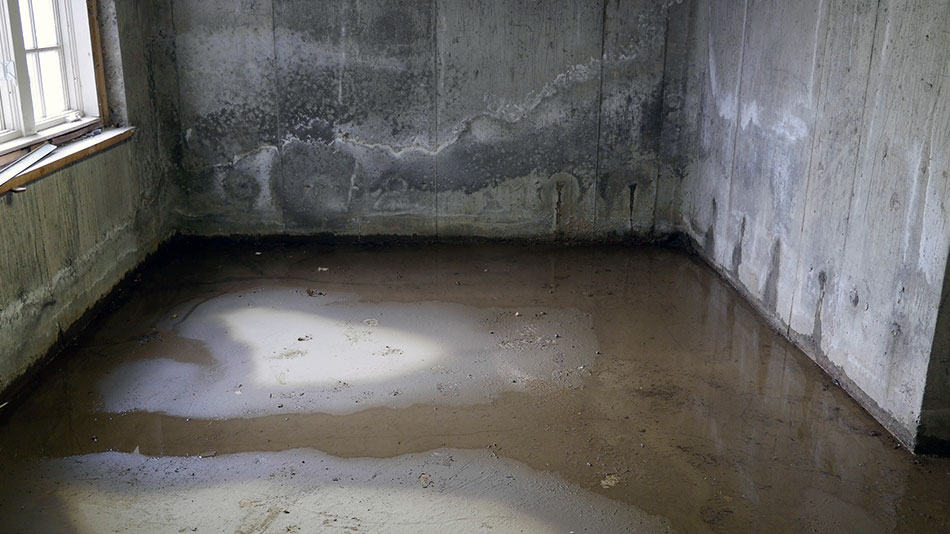
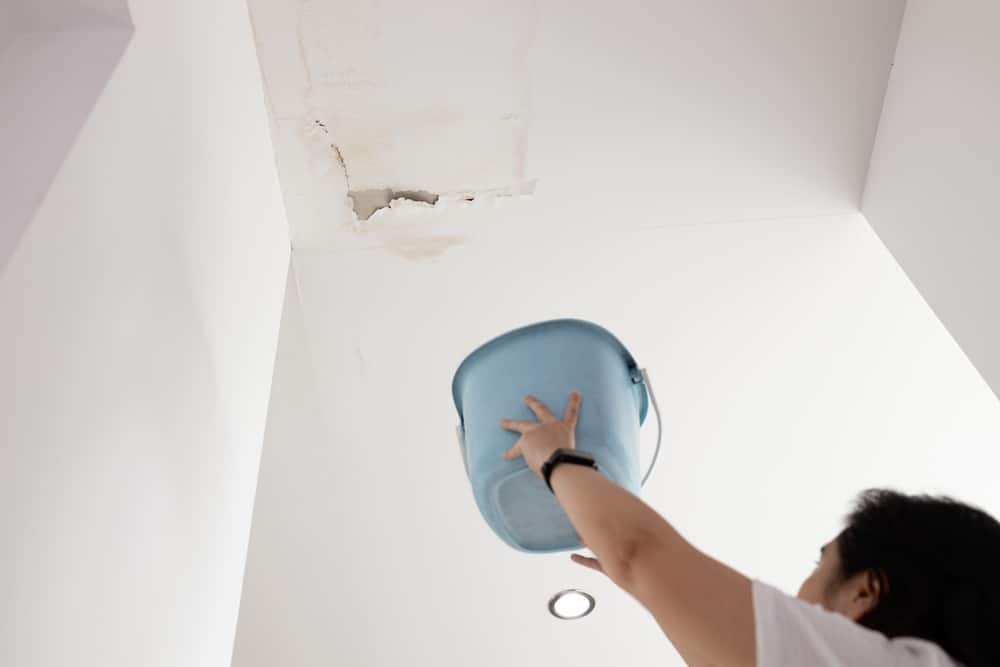
Intense rainstorms can cause significant issues for homeowners, from water damage to plumbing failures and even electrical hazards. Taking proactive steps to safeguard your property is essential, especially as unpredictable weather events become more common. This guide provides practical advice on how to prepare for heavy rainfall so you can minimize risks and keep your home safe and dry.
Whether you live in a flood-prone area or simply want to be ready for the next big storm, understanding which areas of your home are most vulnerable and what actions to take can make a real difference. We’ll cover everything from inspecting your plumbing and drainage systems to using smart leak detection devices and maintaining your appliances.
One of the most effective ways to reduce water damage is by keeping your plumbing system in top shape. For step-by-step instructions on improving your home’s water safety, see our article on how to install a water shut-off valve.
Inspect and Maintain Your Plumbing Before Storms
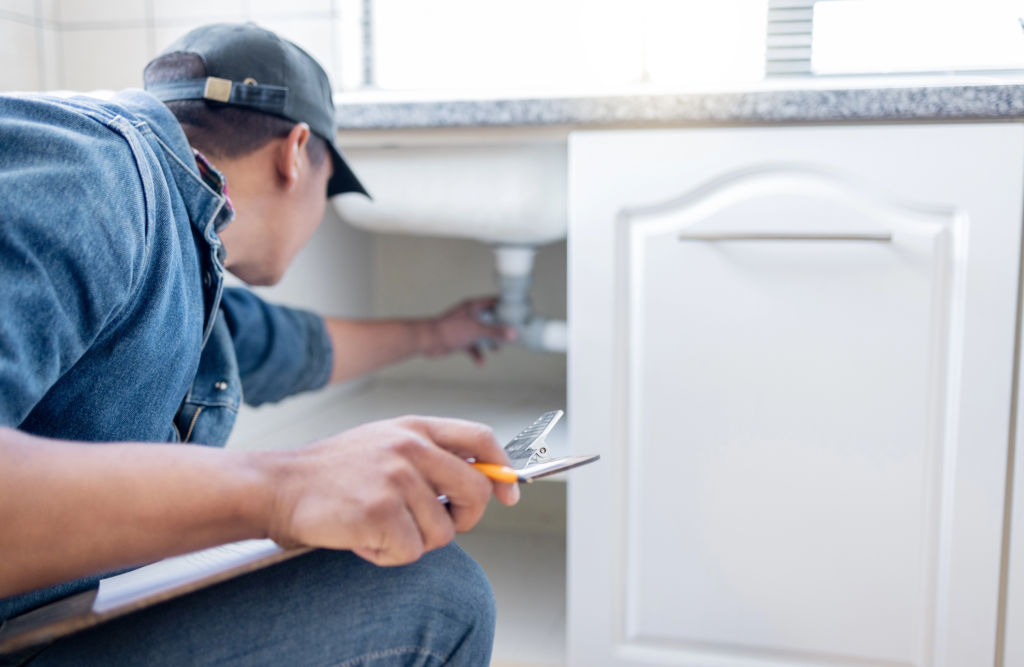
A thorough inspection of your home’s plumbing is a crucial step in preparing for heavy rainfall. Leaks, cracks, or worn-out hoses can quickly turn a minor issue into a major flood when rainwater increases pressure on your pipes.
- Check for visible leaks under sinks, around toilets, and near water-using appliances.
- Look for signs of corrosion or mineral buildup on pipes and fittings.
- Test shut-off valves to ensure they turn easily and fully close.
- Replace old or brittle hoses, especially those connected to washing machines and dishwashers.
If you notice any issues, address them immediately. For more detailed advice, our resource on replacing old hoses to prevent water damage provides additional guidance.
Protect Your Home’s Drainage and Gutters
Keeping water away from your foundation is one of the most important aspects of storm preparation. Clogged gutters and downspouts can cause rainwater to pool around your home, leading to leaks and even structural damage.
- Clear leaves and debris from gutters and downspouts before storms are forecasted.
- Ensure downspouts direct water at least 3–4 feet away from your foundation.
- Check that your yard slopes away from the house to prevent water from collecting near the walls.
- Consider installing gutter guards to reduce future clogs.
Regular maintenance of your drainage system is a simple but effective way to reduce the risk of water intrusion during periods of intense rainfall.
Install Leak Detectors and Smart Home Devices
Early detection is key to minimizing water damage. Modern leak detectors can alert you to problems before they become disasters. Many devices are easy to install and can be monitored remotely, giving you peace of mind even when you’re away from home.
- Place leak detectors near water heaters, washing machines, and under sinks.
- Consider smart shut-off valves that automatically stop water flow if a leak is detected.
- Monitor your system using mobile apps for real-time alerts.
To learn more about integrating these technologies, see our guide on smart home devices for leak prevention. These tools are especially valuable during heavy storms, when quick action can prevent extensive damage.

Secure Appliances and Water Lines
Appliances connected to water lines, such as refrigerators, dishwashers, and washing machines, are common sources of leaks during storms. Inspect hoses and connections for wear, and replace any that show signs of damage.
For more on this topic, see our article on how to maintain appliance water lines. Ensuring these connections are secure can help prevent unexpected leaks when rainfall increases water pressure in your system.
- Use braided stainless steel hoses for added durability.
- Check for moisture or pooling water around appliances after heavy rain.
- Install leak detectors in areas where water lines are hidden or hard to access.
Prepare an Emergency Kit and Response Plan
Even with the best precautions, emergencies can still happen. Having a plan and supplies ready will help you respond quickly if water starts to enter your home.
- Keep a flashlight, batteries, and a portable phone charger in an accessible location.
- Store important documents in waterproof containers.
- Have sandbags or water barriers on hand if you live in a flood-prone area.
- Know how to quickly shut off your main water valve and electricity if needed.
For additional tips on keeping your property safe while you’re away, check out these best practices to protect your home while you are away.
Routine Maintenance for Long-Term Protection
Regular upkeep is the foundation of any effective storm preparation strategy. By making maintenance a habit, you can catch small issues before they become major problems.
- Inspect your roof for missing or damaged shingles.
- Seal cracks in your foundation and basement walls.
- Test sump pumps and backup power sources before the rainy season.
- Review your insurance policy to ensure it covers water damage and flooding.
For more ways to protect your home, see our guide on how to use leak detectors near appliances.
Frequently Asked Questions
What are the most important steps to take before a heavy rainstorm?
The most critical actions include checking and clearing your gutters, inspecting your plumbing for leaks, securing loose outdoor items, and ensuring your sump pump is working. Installing leak detectors and having an emergency kit ready are also highly recommended.
How can I tell if my home is at risk for flooding?
Signs of flood risk include a history of water pooling near your foundation, a basement that feels damp, or living in a low-lying area. Local flood maps and your insurance provider can also help assess your risk.
Are smart leak detectors worth the investment?
Yes, smart leak detectors can provide early warnings and even shut off water automatically in some cases. They are especially valuable in areas prone to heavy rain or for homeowners who travel frequently.