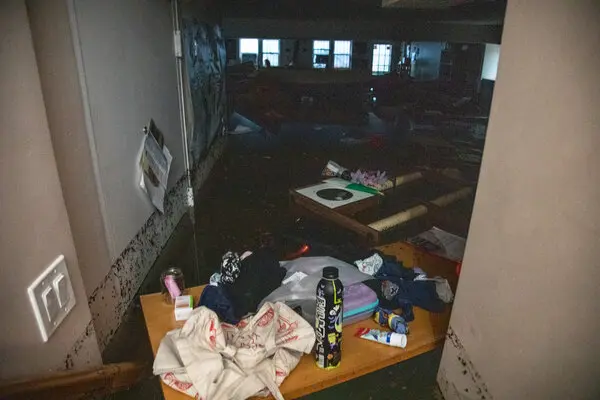
Protecting your home from water damage is a year-round priority for homeowners. Whether it’s spring rains, summer storms, melting snow, or unexpected plumbing issues, basements are particularly vulnerable to moisture and flooding. Understanding the causes and implementing effective strategies can help you avoid costly repairs and maintain a safe, dry living space.
In this guide, you’ll find practical steps to safeguard your basement from water intrusion, including maintenance tips, drainage solutions, and the latest technology for early detection. For those interested in kitchen tools, you might also find value in learning how to press tortillas for chilaquiles for your next meal prep.
Common Causes of Water in the Basement
Before exploring solutions, it’s important to recognize what leads to unwanted moisture below ground level. The most frequent sources include:
- Heavy rainfall overwhelming exterior drainage systems
- Melting snow or ice seeping through foundation cracks
- Clogged gutters and downspouts directing water toward the house
- Improper grading around the foundation, causing water to pool
- Plumbing leaks from pipes, water heaters, or appliances
- Sump pump failure during storms or power outages
Identifying these risks is the first step in developing a comprehensive plan to keep your basement dry in any season.
Exterior Maintenance to Reduce Flooding Risk
The area surrounding your home plays a crucial role in preventing water from entering the basement. Here are some essential exterior maintenance tasks:
- Clean gutters and downspouts at least twice a year to ensure water flows away from the foundation.
- Extend downspouts so they discharge water at least 6 feet from the house.
- Check grading around your home. Soil should slope away from the foundation to direct water outward.
- Inspect foundation walls for cracks or gaps and seal them with appropriate waterproofing products.
- Maintain window wells by clearing debris and installing covers to prevent water accumulation.
Interior Solutions for Basement Water Protection
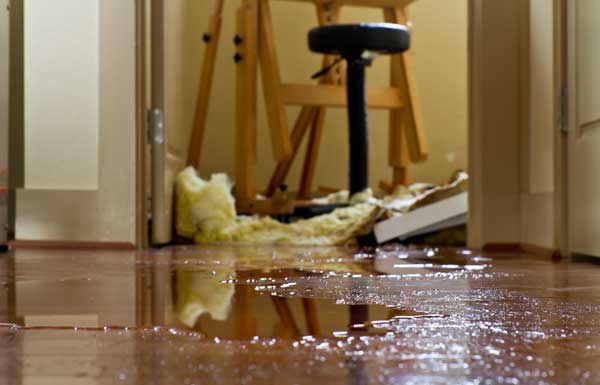
Once you’ve addressed the exterior, turn your attention to the inside of your home. Interior strategies are just as important for minimizing the risk of water damage:
- Install a sump pump with a battery backup to remove water that collects in the sump basin.
- Use a dehumidifier to control humidity and prevent condensation on walls and floors.
- Seal basement walls and floors with waterproof coatings to block moisture penetration.
- Check plumbing regularly for leaks or signs of corrosion, especially near the basement ceiling.
- Store valuables and electronics off the floor or in waterproof containers.
For more in-depth advice on home flood mitigation, consult resources like the flood mitigation guide for homeowners.
Smart Technology for Early Detection
Modern technology offers new ways to detect leaks and prevent water damage before it becomes a major problem. Consider these smart solutions:
- Water leak detectors can be placed near sump pumps, water heaters, or basement windows. These devices alert you instantly if water is detected.
- Smart sump pumps send notifications to your phone if the pump is activated or if there’s a malfunction.
- Remote monitoring systems allow you to check humidity and temperature levels from anywhere.
Investing in these technologies can provide peace of mind and help you respond quickly to potential issues.
Seasonal Tips for Basement Flood Prevention
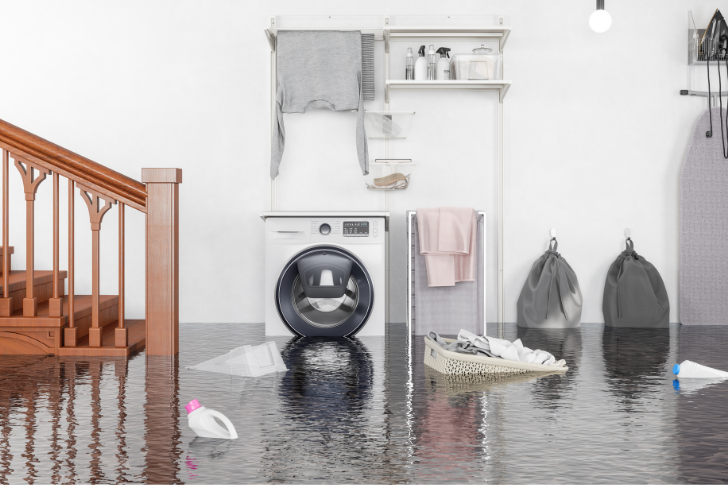
Each time of year brings unique challenges for keeping your basement dry. Here are some seasonal tips to help you stay ahead of potential water issues:
Spring and Summer
- Test your sump pump before heavy rains begin.
- Inspect gutters and downspouts after storms for blockages.
- Trim landscaping to prevent roots from damaging foundation walls.
Fall
- Clear leaves and debris from gutters and window wells.
- Check for cracks in exterior walls and seal them before winter.
- Store outdoor hoses and shut off exterior faucets to prevent freezing.
Winter
- Remove snow from around the foundation after heavy storms.
- Monitor basement humidity and use a dehumidifier as needed.
- Inspect for ice dams on the roof that could lead to leaks.
Long-Term Strategies for a Dry Basement
For homeowners seeking permanent solutions, consider these long-term investments:
- Install a French drain system to redirect groundwater away from the foundation.
- Upgrade to a high-capacity sump pump with a secondary backup.
- Apply exterior waterproofing membranes during major renovations.
- Replace aging plumbing to reduce the risk of leaks.
These improvements can significantly reduce the likelihood of water problems and increase your home’s value.
Frequently Asked Questions
What is the most effective way to keep a basement dry year-round?
A combination of exterior drainage improvements, interior waterproofing, and regular maintenance is the best approach. Using smart technology like water leak detectors can also provide early warnings.
How often should I check my sump pump?
Test your sump pump at least once every season, and before any forecasted heavy rain. Ensure the pump and backup battery are working properly.
Are there affordable ways to prevent basement water damage?
Yes, simple steps like cleaning gutters, extending downspouts, and sealing small cracks can be done with minimal expense. Installing a basic leak detector is also a cost-effective way to catch problems early.
Where can I find more information about flood prevention?
For additional guidance, refer to resources such as the flood mitigation guide for homeowners for comprehensive advice.