As temperatures drop, homeowners and property managers face a common risk: frozen pipes. When water inside your plumbing freezes, it expands, putting pressure on pipes and potentially causing them to burst. The resulting water damage can be extensive and costly to repair. Understanding how to prevent frozen pipes in winter is essential for protecting your home, saving money, and avoiding unnecessary stress during the colder months.
This guide covers practical steps to keep your plumbing safe, from insulation techniques to smart monitoring solutions. You’ll also find tips on what to do if you suspect a pipe is at risk and how to respond quickly to minimize damage. For those interested in broader water safety, learning how to install a water shut-off valve can provide an extra layer of protection against leaks and bursts.
Why Pipes Freeze and Burst During Cold Weather
Pipes are most vulnerable to freezing when temperatures fall below 0°C (32°F). Water expands as it freezes, and this expansion can exert enough force to rupture even sturdy plumbing. Pipes located in unheated spaces—such as basements, attics, garages, or exterior walls—are at the highest risk. Homes with poor insulation or drafts are especially susceptible.
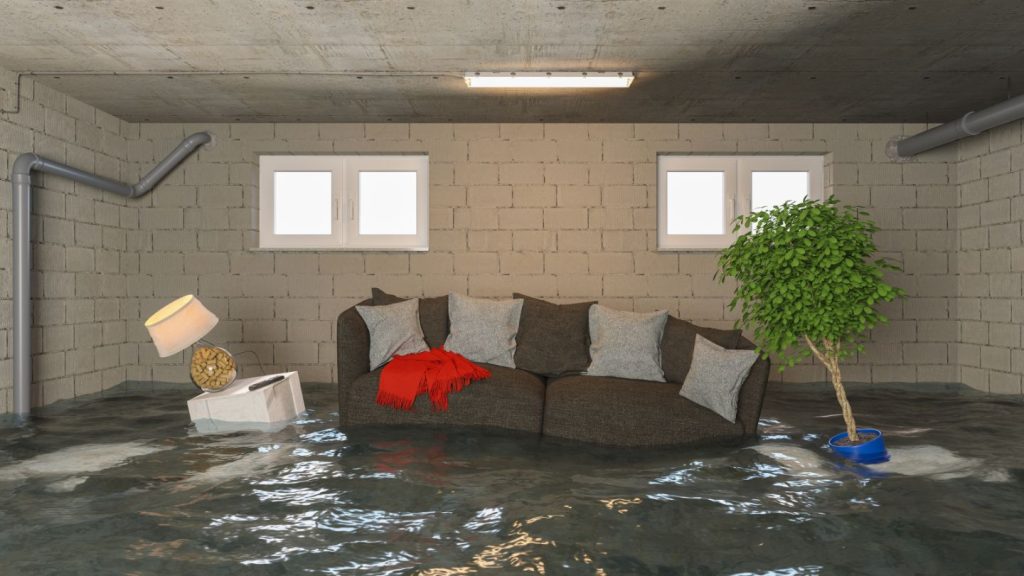
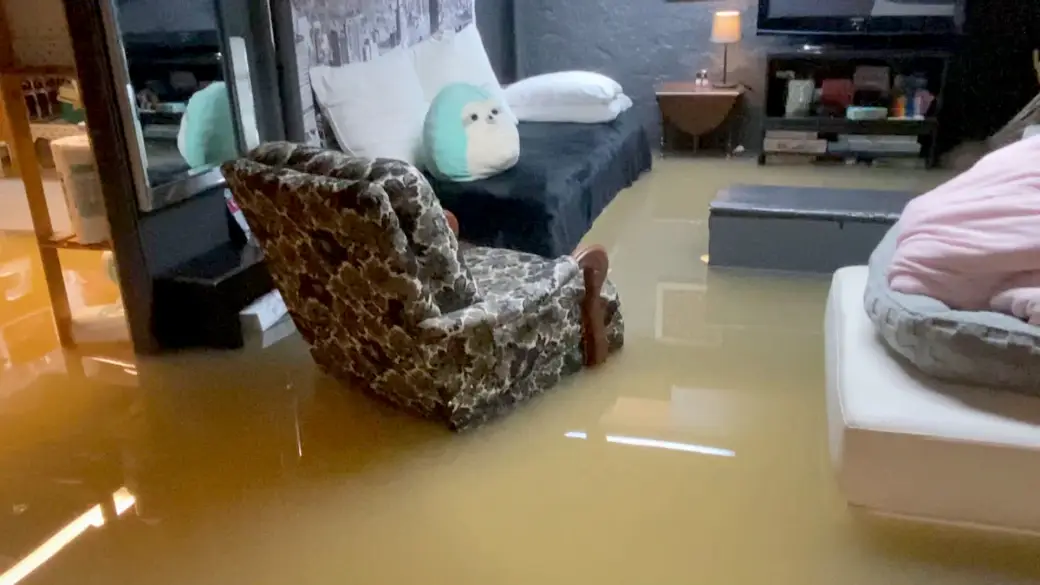
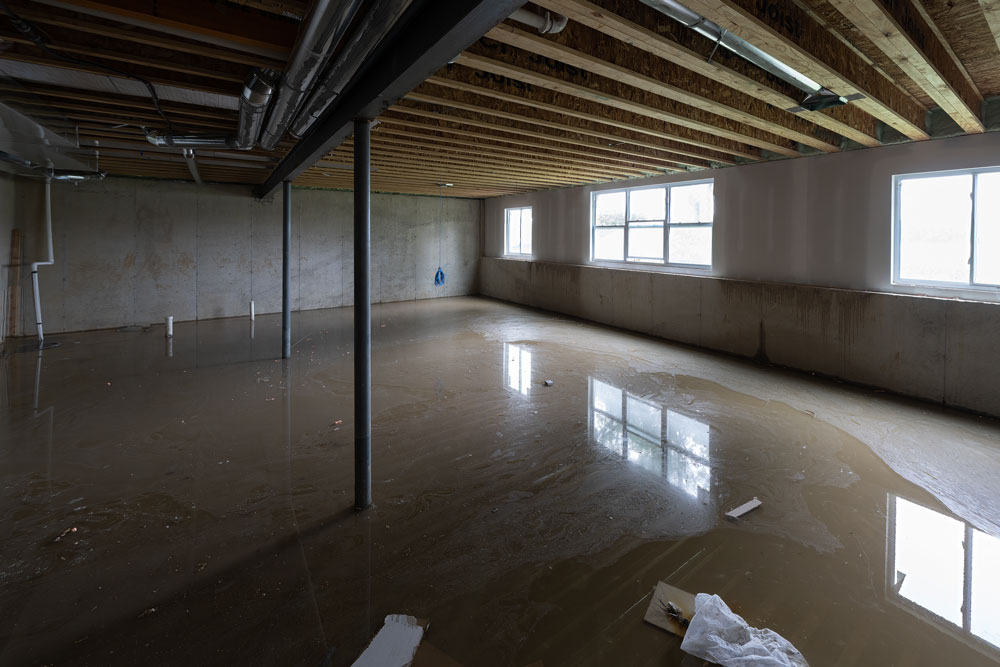
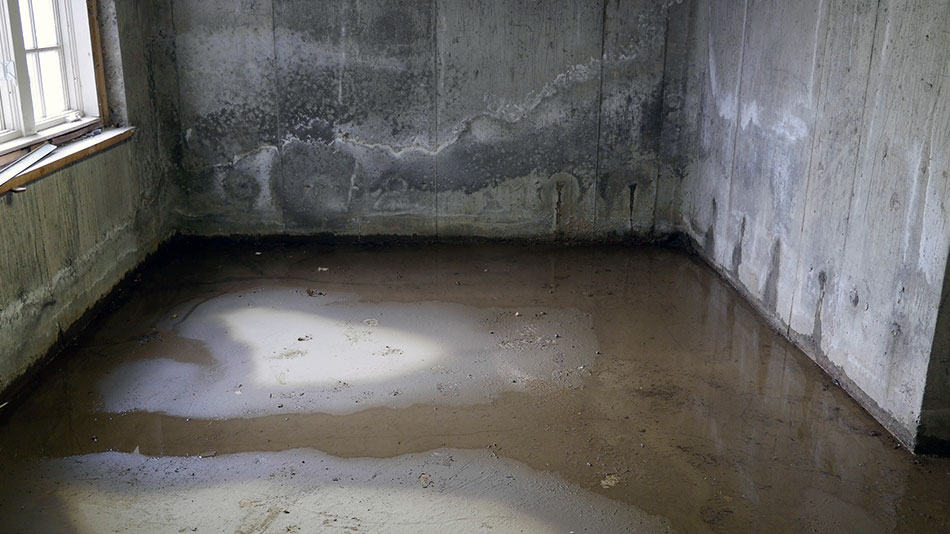
When a pipe bursts, the resulting leak can cause significant water damage to floors, walls, and belongings. According to insurance experts, the cost of repairs can be substantial, and the disruption to daily life is often severe. Preventive measures are far less expensive and time-consuming than dealing with the aftermath of a burst pipe.
Insulating Pipes to Reduce Freezing Risk
One of the most effective ways to avoid frozen plumbing is to insulate exposed pipes. Pipe insulation sleeves or foam tubing are affordable and easy to install. Focus on pipes in crawl spaces, attics, garages, and along exterior walls. For added protection, use heat tape or heat cables designed for plumbing—these products provide gentle warmth to keep water flowing.
- Seal gaps and cracks in walls, floors, and foundations near pipes to block cold air drafts.
- Keep cabinet doors under sinks open during cold snaps to allow warm air to circulate around pipes.
- Let faucets drip slightly overnight to keep water moving, which makes freezing less likely.
Smart Monitoring and Leak Detection Solutions
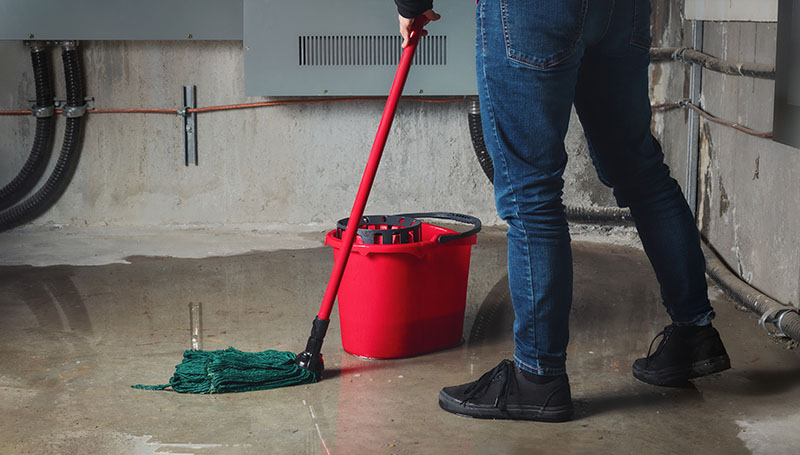
Modern technology offers new ways to safeguard your plumbing during winter. Smart leak detectors can alert you to leaks or temperature drops before a pipe freezes or bursts. These devices are easy to install and can send real-time notifications to your phone, giving you time to act quickly.
For a comprehensive approach, consider integrating smart home devices for leak prevention into your property. These systems can monitor multiple areas, shut off water automatically in emergencies, and provide valuable peace of mind.
Winterizing Your Home’s Plumbing System
Preparing your home for winter involves more than just insulating pipes. Take these additional steps to minimize the risk of frozen plumbing:
- Disconnect and drain outdoor hoses and shut off exterior faucets.
- Drain sprinkler systems and garden irrigation lines before the first freeze.
- Keep your home’s thermostat set to at least 13°C (55°F), even when away.
- Arrange for someone to check your property during extended absences.
If your home has older plumbing, regular maintenance is crucial. Replacing worn-out hoses and fittings can prevent leaks and bursts. For more information, see our guide on replacing old hoses to prevent water damage.
What to Do If You Suspect a Frozen Pipe
Early detection is key to preventing a burst. If you turn on a faucet and only a trickle comes out, a pipe may be frozen. Here’s what you should do:
- Leave the faucet open. As the frozen area begins to melt, water will flow and help melt more ice.
- Apply gentle heat to the frozen section using a hair dryer, heating pad, or towels soaked in hot water. Never use an open flame or blowtorch.
- Continue applying heat until full water pressure is restored. If you cannot locate or thaw the frozen pipe, contact a licensed plumber immediately.
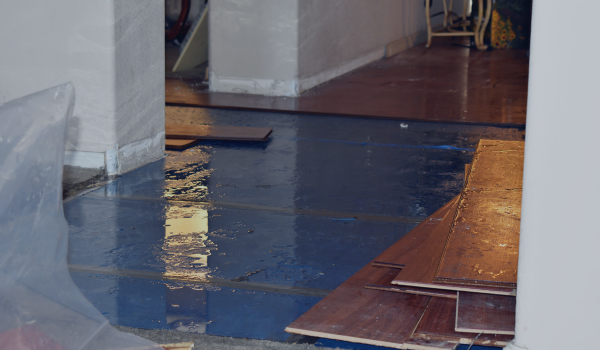
If a pipe bursts, shut off the main water supply and call for professional help. Acting quickly can limit water damage and reduce repair costs. For additional guidance, our article on how to maintain appliance water lines offers tips for keeping your plumbing in top shape year-round.
How Insurance Can Help With Water Damage
Even with the best precautions, accidents can happen. Homeowners insurance policies often cover water damage from burst pipes, but coverage details vary. It’s important to review your policy and understand what is included. For a deeper look at coverage and prevention, see this detailed guide on preventing water damage from a leading Canadian insurer.
Taking preventive steps not only protects your property but may also help lower your insurance premiums. Many insurers offer discounts for homes equipped with leak detectors or shut-off valves.
Frequently Asked Questions
How can I tell if my pipes are at risk of freezing?
Pipes located in unheated spaces, near exterior walls, or in poorly insulated areas are most likely to freeze. If you notice reduced water flow or frost on pipes, take action immediately to warm them up.
What temperature should I keep my home to prevent frozen plumbing?
Keep your thermostat set to at least 13°C (55°F) at all times, even when you’re away. This helps maintain a safe temperature for your pipes and reduces the risk of freezing.
Are smart leak detectors worth the investment?
Yes, smart leak detectors can provide early warnings of leaks or freezing conditions, allowing you to act quickly and prevent costly damage. They are especially useful for homes in cold climates or properties left unattended during winter.
Conclusion
Taking steps to safeguard your plumbing during the colder months is a smart investment. By insulating pipes, using smart monitoring devices, and following winterization best practices, you can greatly reduce the risk of costly water damage. For more information on related topics, explore our resources on how to use leak detectors near appliances and other preventative strategies. Stay proactive and enjoy peace of mind all winter long.