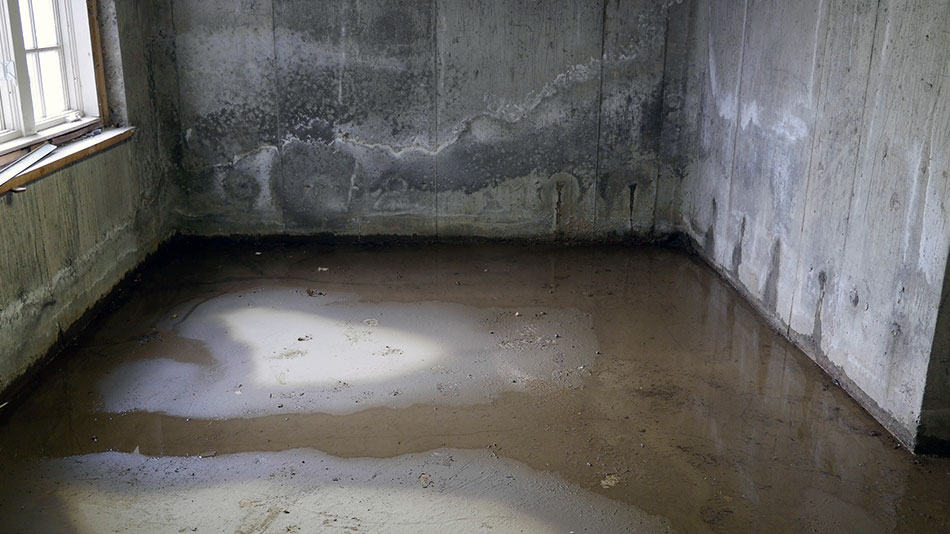
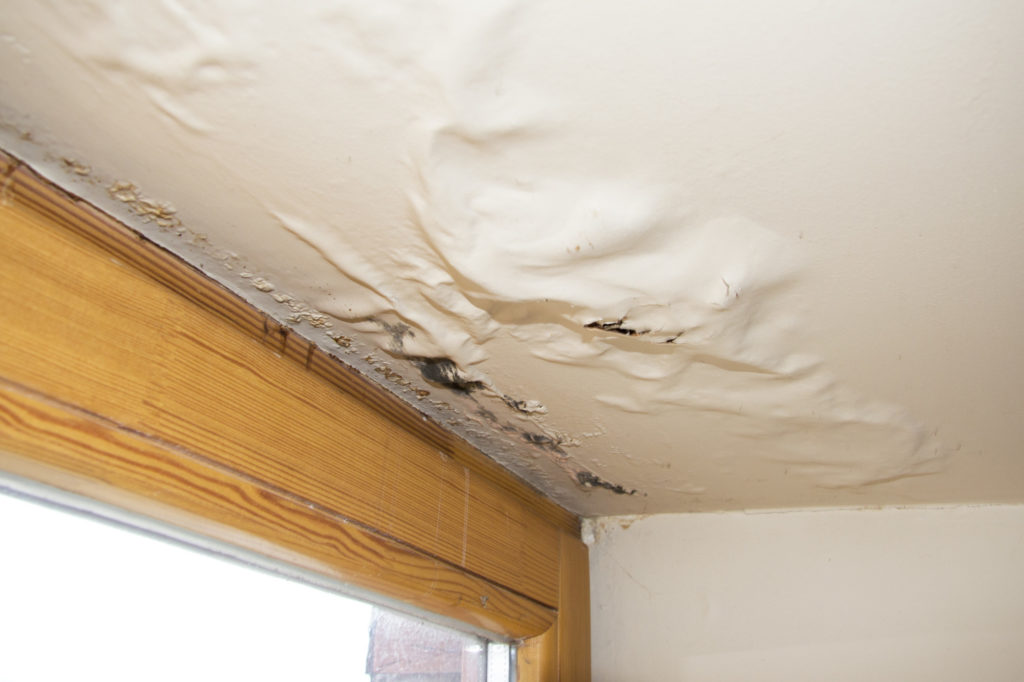
A leaking washing machine can quickly turn a routine laundry day into a stressful situation, causing water damage, mold growth, and costly repairs. Taking proactive steps to avoid leaks not only protects your floors and walls but also helps extend the life of your appliance. In this guide, you’ll find practical advice on minimizing the risk of water escaping from your washer, including maintenance tips, inspection routines, and smart upgrades.
Addressing potential sources of leaks early is key to safeguarding your home. Alongside regular appliance care, it’s wise to consider your overall water protection strategy. For example, reviewing a roof inspection checklist can help you spot vulnerabilities elsewhere in your property that could lead to water damage. By combining these approaches, you create a more resilient home environment.
Common Causes of Washing Machine Leaks
Understanding what leads to leaks is the first step in prevention. Some of the most frequent culprits include:
- Worn or damaged hoses – Over time, hoses can crack, bulge, or loosen, allowing water to escape.
- Faulty connections – Loose or improperly installed hose fittings may drip or spray water during cycles.
- Clogged or blocked drains – If the drain is obstructed, water may back up and overflow.
- Overloading the machine – Excess laundry can strain seals and cause water to spill out.
- Malfunctioning door seals – Front-loading washers rely on a tight seal; any damage can result in leaks.
- Internal component failure – Issues with the pump, tub, or internal hoses can also cause water to leak.
Routine Maintenance to Reduce Leak Risks
Regular maintenance is essential for keeping your washing machine in top condition and minimizing the risk of leaks. Here are some best practices:
- Inspect hoses every six months. Look for bulges, cracks, or signs of wear. Replace hoses at least every five years, or sooner if you notice any damage.
- Tighten connections. Ensure that both the hot and cold water hoses are securely attached to the machine and the wall valves.
- Clean the lint filter and drain pump. Blockages can cause water to back up and leak out of the machine.
- Check the door seal (gasket). Wipe it down regularly and inspect for tears or mold, which can compromise the seal.
- Level your washing machine. An uneven washer can vibrate excessively, loosening connections and damaging seals.
- Don’t overload the drum. Follow the manufacturer’s recommendations for load size to avoid stressing internal components.
Upgrading Hoses and Installing Leak Detectors
One of the most effective ways to prevent washing machine leaks is to upgrade your hoses and add smart leak detection devices. Traditional rubber hoses are prone to deterioration, while stainless steel braided hoses offer greater durability and resistance to bursting.
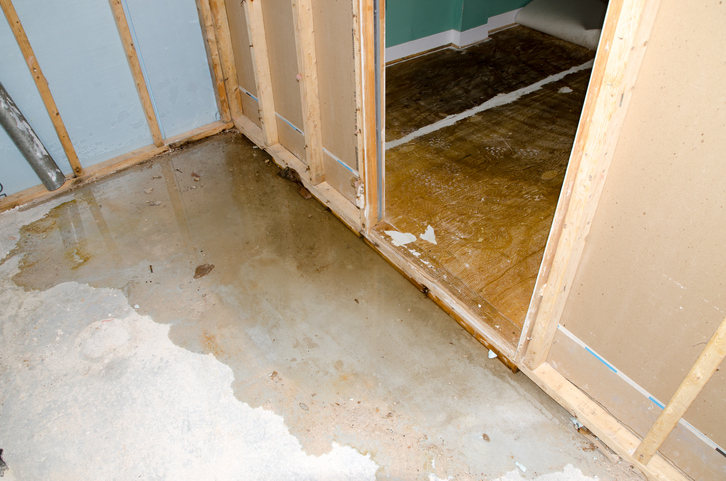
Installing a water leak detector near your washing machine can alert you to moisture before it becomes a major problem. Some models can even shut off the water supply automatically, providing an extra layer of protection. For those who travel frequently or have laundry rooms in upper stories, these devices offer peace of mind and can help avoid extensive water damage.
What to Do If You Discover a Leak
If you notice water pooling around your washing machine, act quickly to minimize damage:
- Turn off the washing machine and unplug it from the wall.
- Shut off the water supply to the appliance by closing the valves behind it.
- Clean up standing water immediately to prevent it from seeping into floors or walls.
- Inspect hoses and connections for obvious signs of failure.
- Contact a qualified appliance technician if you cannot identify or fix the source of the leak.
Acting fast can help you avoid long-term issues like mold growth or structural damage. For more comprehensive home protection, consider reviewing tips on how to prevent water damage from clogged gutters, as water issues often have multiple sources.
Additional Tips for Leak Prevention
- Install a drip pan under your washing machine. This can catch minor leaks and direct water to a floor drain.
- Keep the area around your washer clear. Avoid storing items behind or beside the machine that could interfere with hoses or block airflow.
- Test your shutoff valves annually. Make sure they turn easily and fully stop water flow.
- Schedule professional maintenance. An annual checkup by an appliance technician can catch issues before they become serious.
- Monitor for signs of hidden leaks. Watch for musty odors, warped flooring, or unexplained increases in your water bill.
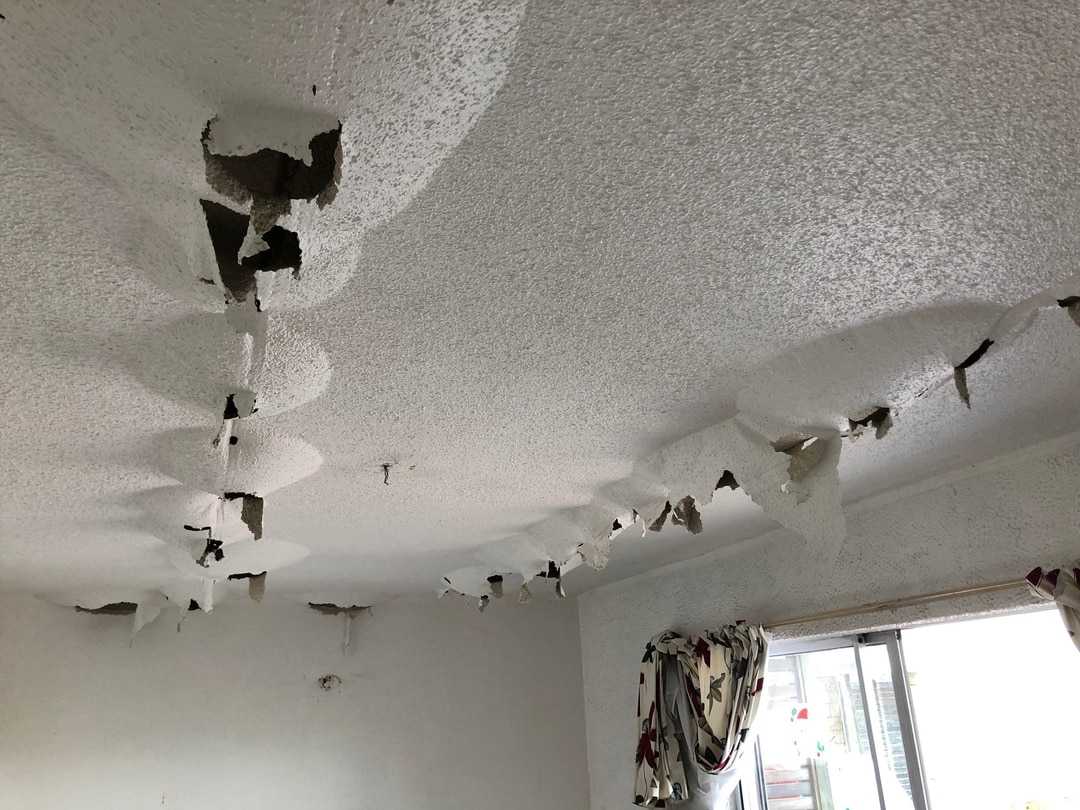
Remember, water issues can arise from many sources. Along with your laundry area, pay attention to other parts of your home. For instance, maintaining proper exterior drainage is crucial—learn more by reading about how to maintain exterior drainage to keep water away from your foundation.
Smart Home Strategies for Water Damage Prevention
Technology can play a significant role in protecting your home from leaks. Smart water sensors, automatic shutoff valves, and remote monitoring systems can all help you detect and respond to problems before they escalate. For those who leave home for extended periods, following best practices to protect your home while you are away can further reduce your risk of costly water damage.
Integrating these smart solutions with routine manual checks creates a comprehensive defense against leaks. By staying vigilant and leveraging modern tools, you can significantly lower the chances of unexpected water issues in your laundry room and beyond.
FAQ: Washing Machine Leak Prevention
How often should I replace my washing machine hoses?
It’s recommended to replace washing machine hoses every five years, or sooner if you notice any signs of wear such as bulging, cracking, or leaking. Upgrading to stainless steel braided hoses can provide extra durability and peace of mind.
What are the signs that my washer is about to leak?
Warning signs include visible cracks or bulges in hoses, water stains or puddles around the machine, musty odors, and loose connections. Unusual noises or excessive vibration during cycles can also indicate that something is amiss.
Can a leak detector really prevent water damage?
Yes, installing a leak detector near your washing machine can provide early alerts if moisture is detected. Some advanced models can even shut off the water supply automatically, helping you avoid extensive damage and costly repairs.
Is it necessary to use a drip pan under my washing machine?
While not required, a drip pan is a simple and effective way to catch minor leaks and prevent water from reaching your floors. It’s especially useful in laundry rooms without floor drains or in homes with upper-story laundry areas.
What else can I do to protect my home from water damage?
In addition to maintaining your washing machine, regularly inspect your roof, gutters, and exterior drainage systems. For more tips, check out resources on how to check roof flashing for leaks and other home maintenance guides.