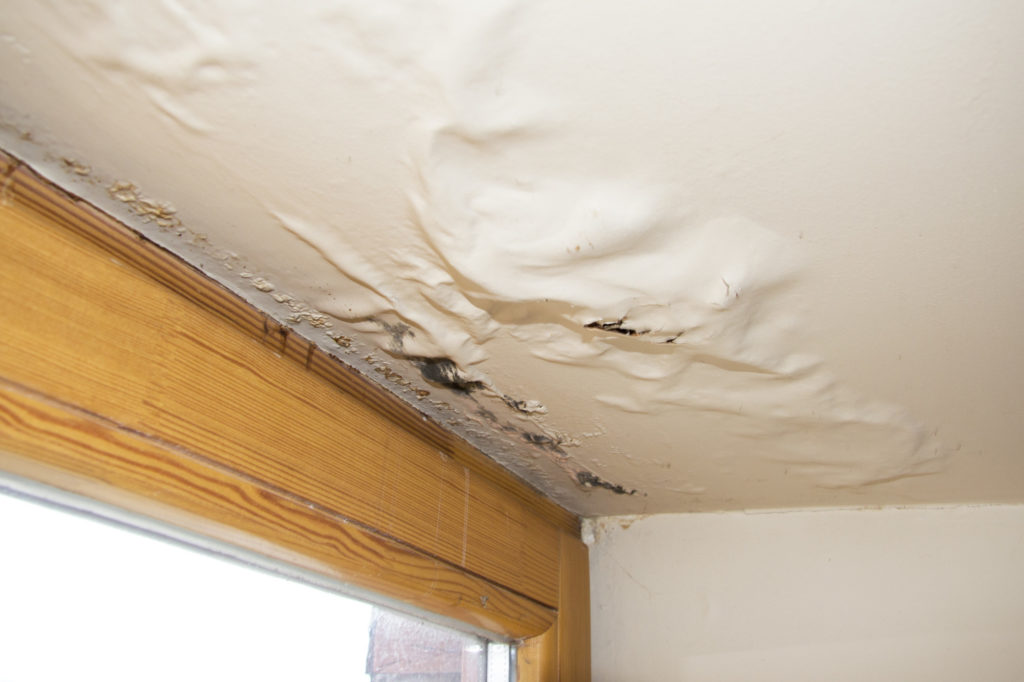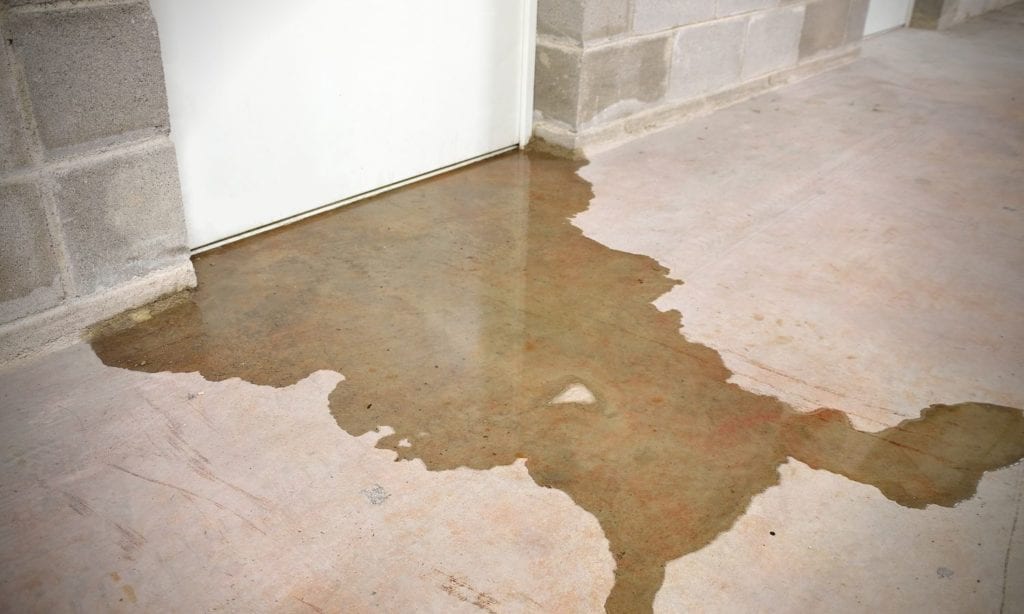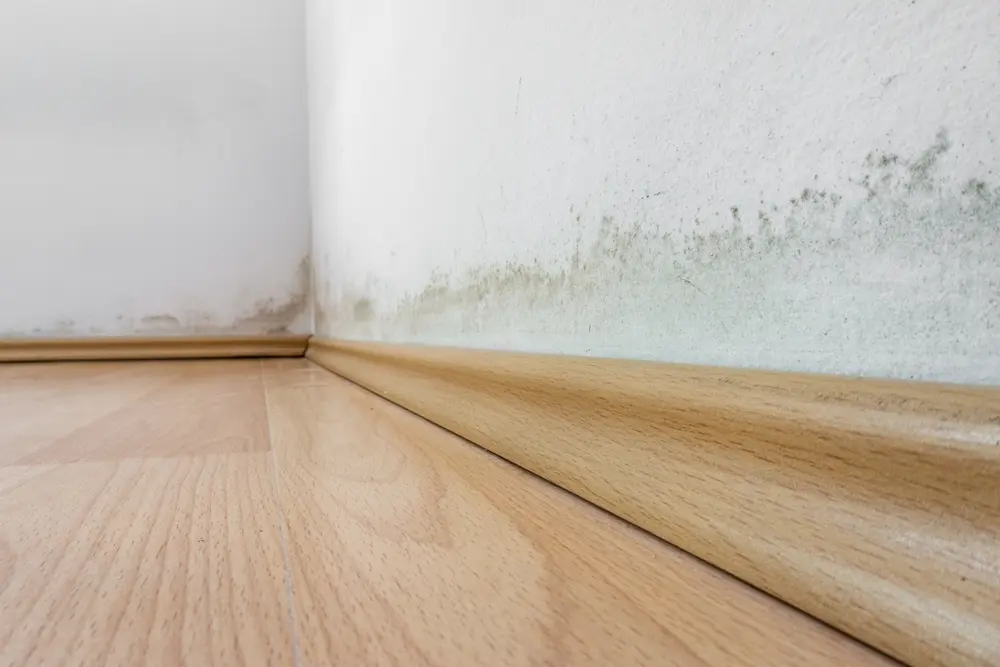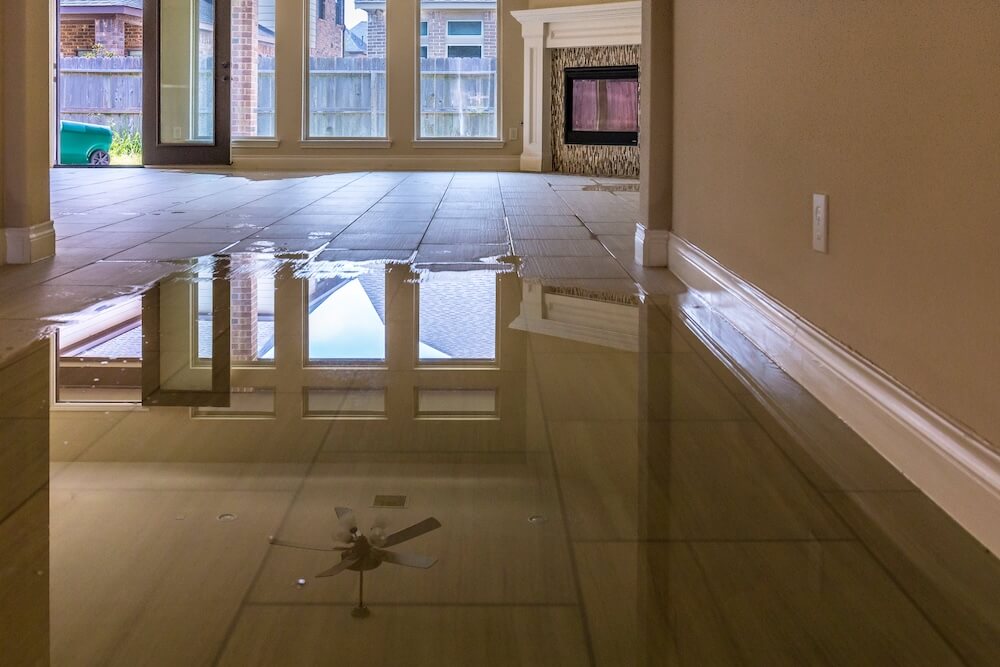
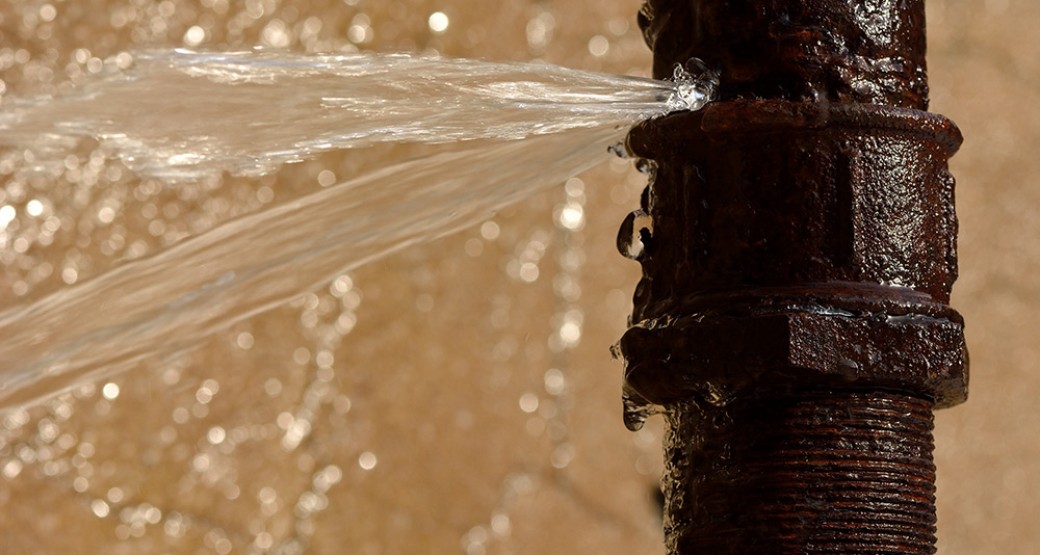
Water damage can be one of the most costly and disruptive issues a homeowner faces. Whether it’s a slow drip from a pipe or a sudden flood from heavy rain, moisture intrusion can lead to structural problems, mold growth, and expensive repairs. Understanding how to protect your house from leaks is essential for keeping your living space safe, dry, and comfortable.
Taking proactive steps to prevent leaks and flooding not only safeguards your property but also helps you avoid the stress and financial burden that comes with water damage. This guide covers practical strategies for leak prevention, routine maintenance, and what to do if you spot early warning signs. For more in-depth tips on safeguarding your home, you may also find value in our resource on what to do before water damage happens.
Understanding Common Sources of Leaks in the Home
The first step in leak prevention is knowing where water commonly enters or escapes in a house. Plumbing failures, roof damage, faulty appliances, and poor drainage are some of the main culprits. Here are the most frequent sources of unwanted water:
- Plumbing leaks from pipes, joints, or fixtures
- Roof leaks due to missing shingles or damaged flashing
- Appliance failures, especially washing machines, dishwashers, and water heaters
- Clogged gutters and downspouts causing water to pool near the foundation
- Poorly sealed windows, doors, or basements
Identifying these vulnerable areas is the foundation for effective home protection. For more detailed guidance on finding hidden moisture issues, check out our article on how to spot hidden water damage.
Routine Maintenance to Prevent Leaks and Water Damage
Consistent upkeep is one of the most reliable ways to reduce the risk of leaks. Here are essential maintenance tasks to incorporate into your routine:
- Inspect plumbing under sinks, behind appliances, and in basements for any signs of moisture or corrosion.
- Clean gutters and downspouts at least twice a year to ensure proper drainage away from your home.
- Check your roof for missing or damaged shingles after storms and repair as needed.
- Seal cracks in the foundation, walls, and around windows and doors to block water entry.
- Test sump pumps annually and keep a backup power source available.
- Replace washing machine hoses every 3–5 years and inspect for bulges or leaks.

Smart Devices and Technology for Leak Detection
Modern technology offers new ways to monitor and prevent water damage. Installing smart leak detectors and automatic shut-off valves can alert you to problems before they escalate. These devices can be placed near water heaters, under sinks, behind toilets, or anywhere leaks are likely to occur.
Some systems connect to your smartphone, sending notifications if moisture is detected. Others can automatically shut off your water supply to minimize damage. Investing in these tools adds an extra layer of protection and peace of mind.
Appliance Care: Reducing Risk from Everyday Sources
Many household leaks originate from appliances. Washing machines, dishwashers, and refrigerators with ice makers are frequent sources of water problems. To reduce risk:
- Check hoses and connections regularly for signs of wear or leaks.
- Replace rubber hoses with braided stainless steel for added durability.
- Don’t overload washing machines, as this can cause excess vibration and hose failure.
- Clean appliance filters and drains to prevent blockages.
- Turn off water supply to appliances when away for extended periods.
Exterior Defenses: Keeping Water Away From Your Foundation
Protecting your home from outside water sources is just as important as managing interior risks. Here are practical steps to keep your foundation dry:
- Ensure the ground slopes away from your house to direct rainwater away from the foundation.
- Install or maintain French drains and sump pumps in areas prone to pooling water.
- Extend downspouts at least six feet from your home to prevent water from collecting near the base.
- Seal any visible cracks in exterior walls or foundations with appropriate waterproofing materials.
- Trim back landscaping to allow for proper airflow and drainage around your property.
For more seasonal strategies, our seasonal water damage prevention checklist offers a comprehensive approach to year-round protection.
What to Do If You Discover a Leak
Even with the best precautions, leaks can still happen. Acting quickly can make a significant difference in minimizing damage. If you spot water where it shouldn’t be:
- Shut off the main water supply immediately.
- Move valuables and electronics out of the affected area.
- Use towels, mops, or a wet/dry vacuum to remove standing water.
- Set up fans and dehumidifiers to dry the area thoroughly.
- Contact a professional if the leak is extensive or you suspect hidden damage.
For a deeper dive into ongoing protection, see our water damage prevention tips for homeowners and learn how to maintain a dry home with our guide on how to maintain a dry home.
Mitigation and Recovery Resources
If your home experiences significant water intrusion, knowing how to respond is vital. Professional water mitigation services can help remove moisture, prevent mold, and restore damaged areas. For a thorough overview of mitigation steps, see this comprehensive guide to water mitigation.
FAQ
What are the first signs of a hidden leak in my home?
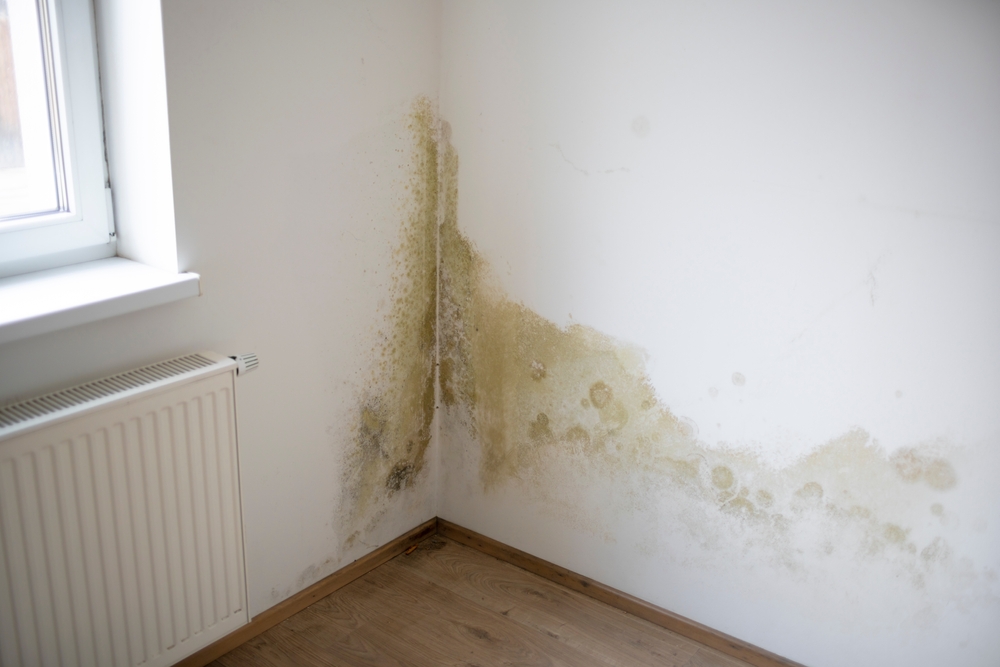
Early indicators include unexplained increases in your water bill, musty odors, damp spots on walls or ceilings, peeling paint, or the sound of running water when all fixtures are off. Spotting these signs early can help you address issues before they become major problems.
How often should I inspect my home for potential leaks?
It’s wise to check plumbing, appliances, and your roof at least twice a year—ideally in spring and fall. After severe weather events, a quick inspection can also help catch any new vulnerabilities.
Are smart leak detectors worth the investment?
Yes, smart leak detectors provide real-time alerts and can help prevent extensive damage by notifying you immediately when water is detected. Some models even shut off your water supply automatically, offering an extra layer of defense.