
Making wonton wrappers at home can be a rewarding way to ensure freshness and control over your ingredients. While traditional rolling pins are often used, a tortilla press offers a quick and consistent method for shaping thin, round wrappers. If you’re curious about how to use a tortilla press for wontons, this guide covers the essential steps, tips for perfect dough, and troubleshooting advice for achieving delicate, uniform wrappers every time.
Before diving in, it’s helpful to know that tortilla presses aren’t just for tortillas—they’re also handy for preparing dumpling skins, fry bread, and other thin doughs. If you’re interested in similar techniques, you might find our article on how to use a tortilla press for dumplings skins useful as well.
Why Use a Tortilla Press for Wonton Wrappers?
Traditional wonton wrappers require rolling the dough to a thin, even sheet—a process that can be time-consuming and difficult to master. A tortilla press simplifies this by flattening dough balls into uniform rounds with minimal effort. This not only saves time but also ensures your wrappers are consistent in thickness, which is crucial for even cooking and sealing.
Using a press is especially helpful if you’re making a large batch or want to avoid the wrist strain of rolling pin work. The technique is similar to pressing tortillas, but a few adjustments are needed for the softer, wheat-based dough used in wontons.
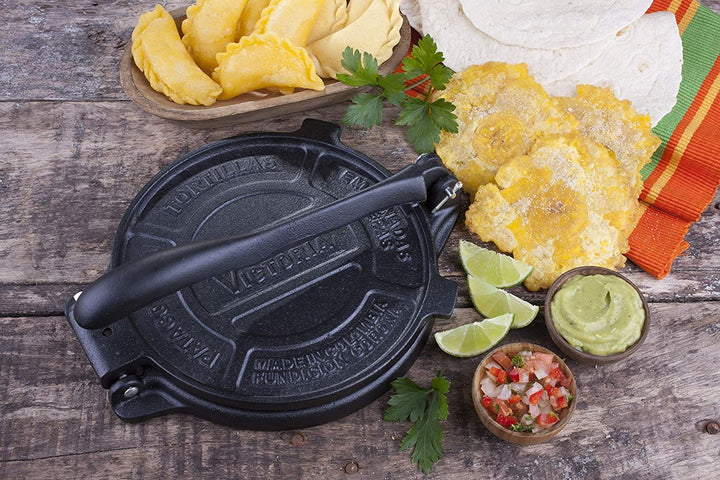
Choosing the Right Tortilla Press for Wonton Dough
Not all presses are created equal. For best results, select a press that is:
- Heavy and sturdy: Cast iron models provide even pressure and durability.
- Medium-sized (6–8 inches): This size is ideal for most wonton wrappers and offers flexibility for other uses.
- Well-maintained: Ensure your press is clean and free from rust. For long-term care, see our advice on how to store a cast iron press long term.
Some presses come pre-seasoned, which helps prevent sticking. If yours isn’t, a light coating of oil can help.
Preparing Wonton Dough for the Press
The dough for wonton wrappers is simple: flour, water, and a pinch of salt. The key is to knead until smooth and let it rest, which relaxes the gluten and makes pressing easier. Here’s a basic recipe:
- 2 cups all-purpose flour
- 2/3 cup warm water
- 1/2 teaspoon salt
Mix the ingredients, knead for 5–8 minutes, and cover with a damp cloth. Let the dough rest for at least 30 minutes before dividing into small balls (about 1 inch in diameter).
Step-by-Step: Pressing Wonton Wrappers
Follow these steps for thin, even wrappers using your tortilla press:
- Prepare the press: Cut two pieces of parchment or plastic wrap to fit the plates. This prevents sticking and makes it easy to remove the dough.
- Shape the dough: Roll each piece into a ball, then flatten slightly with your palm.
- Position the dough: Place a dough ball between the parchment sheets in the center of the press.
- Press gently: Lower the top plate and press down firmly but gently. Open the press and rotate the dough 90 degrees, then press again for even thickness.
- Check thickness: Aim for wrappers about 1–2 mm thick. If needed, press a third time or finish with a rolling pin for extra thinness.
- Remove the wrapper: Peel away the parchment and set the wrapper aside. Cover with a damp towel to prevent drying.

Tips for Preventing Sticking and Tearing
Wonton dough is softer than corn tortilla dough, so sticking can be an issue. Here’s how to avoid problems:
- Always use parchment or plastic wrap between the dough and the press plates.
- Lightly dust dough balls with flour before pressing.
- Do not over-press; excessive force can make wrappers too thin and prone to tearing.
- Work quickly and keep pressed wrappers covered to prevent drying out.
If your wrappers are still sticking, try brushing a tiny amount of oil on the parchment or switching to a different brand of wrap.
Cutting and Storing Homemade Wonton Wrappers
After pressing, you may want to trim the wrappers to perfect squares or circles. Use a sharp knife or a round cutter for uniformity. Stack wrappers with a dusting of flour or cornstarch between each, and cover with a damp towel or plastic wrap.
Homemade wrappers can be refrigerated for up to two days or frozen for longer storage. To freeze, stack with parchment between each piece and seal in an airtight bag.

Common Mistakes When Using a Press for Wonton Wrappers
Even with a press, a few pitfalls can affect your results. Here are some to watch for:
- Dough too dry: This leads to cracking and difficulty pressing. Add a teaspoon of water at a time if needed.
- Dough too sticky: Add a little flour and knead again until smooth but not tacky.
- Uneven pressing: Rotate the dough between presses for uniform thickness.
- Pressing too hard: This can make the wrappers too thin or cause tearing. Use gentle, even pressure.
For additional troubleshooting and care tips, see our article on how to check for cracks in cast iron.
Creative Uses for Your Tortilla Press
Once you’ve mastered making wonton wrappers with a tortilla press, you can use the same technique for dumpling skins, potstickers, and even thin flatbreads. For more ideas, check out our guide on how to use a tortilla press for fry bread or learn how to press tortillas for taquitos in our thin and flexible tips article.
If you’re interested in more details about the versatility of these kitchen tools, this comprehensive tortilla press guide offers additional insights and inspiration.
Frequently Asked Questions
Can I use a tortilla press for other types of dumpling wrappers?
Yes, a tortilla press works well for a variety of dumpling wrappers, including potstickers, gyoza, and even ravioli. Adjust the dough recipe and pressing technique as needed for different cuisines.
How thin should wonton wrappers be when using a press?
Ideally, wrappers should be about 1–2 mm thick. Too thick, and they may not cook evenly; too thin, and they could tear during filling or cooking. If you prefer extra-thin wrappers, finish with a rolling pin after pressing.
What if my dough keeps sticking to the press?
Always use parchment or plastic wrap between the dough and the plates. If sticking persists, lightly oil the parchment or dust the dough with flour. Ensuring the dough is well-kneaded and rested also helps reduce stickiness.