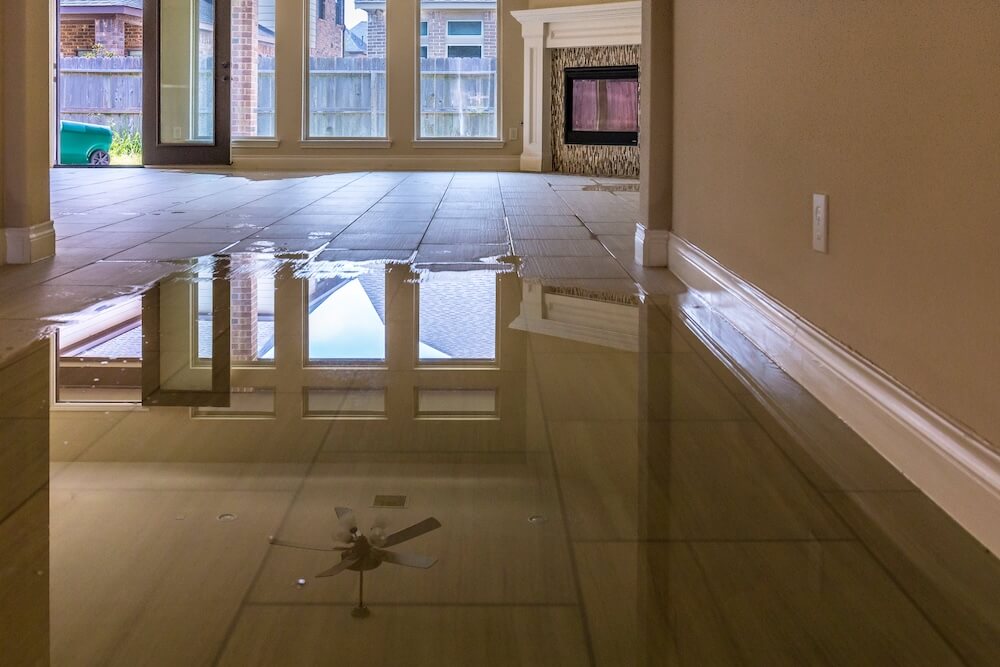
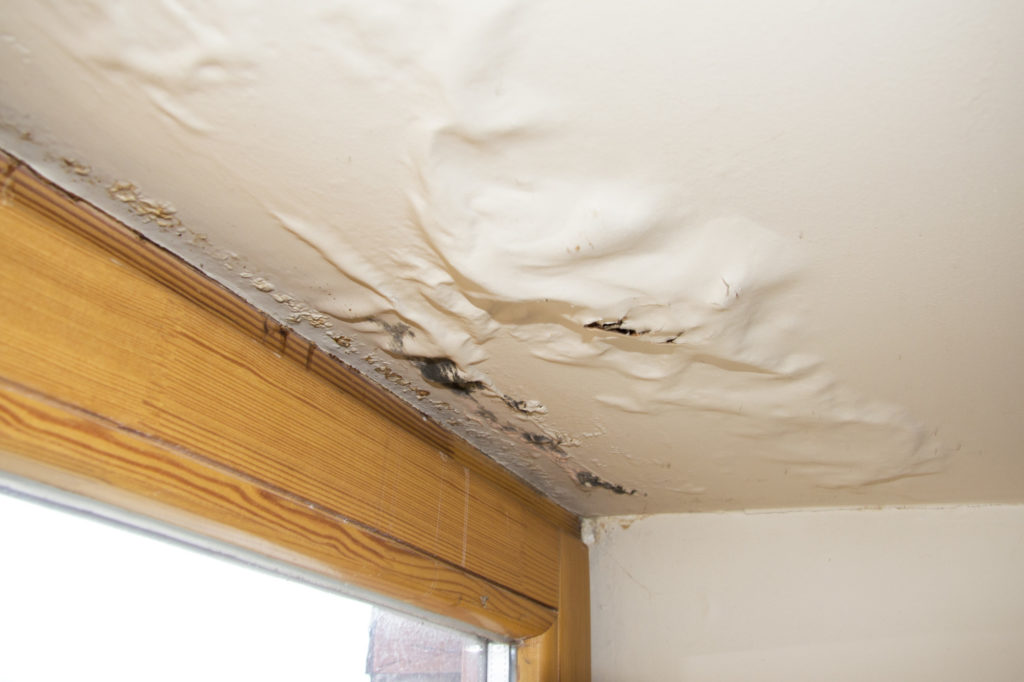
Water intrusion is one of the most significant threats to residential property, with consequences that extend far beyond visible stains or musty odors. When a home experiences leaks, flooding, or persistent moisture, the impact can be both immediate and long-lasting. For homeowners and prospective buyers alike, understanding how water damage affects home value is crucial for making informed decisions about maintenance, repairs, and real estate transactions.
The presence of water-related issues can influence everything from a property’s marketability to its final sale price. Even minor incidents, if left unaddressed, may lead to structural deterioration, mold growth, and costly remediation. Early detection and prompt action are essential to preserve both the integrity and the worth of your home.
If you’re interested in other aspects of home care, such as kitchen equipment maintenance, you might find our article on how to sanitize a cast iron press helpful as well.
Common Causes of Water Damage in Homes
Before exploring the impact on property value, it’s important to recognize the typical sources of water-related problems. Some of the most frequent culprits include:
- Leaking or burst pipes
- Roof leaks due to damaged shingles or flashing
- Faulty or overflowing appliances (washing machines, dishwashers, water heaters)
- Poor drainage or clogged gutters
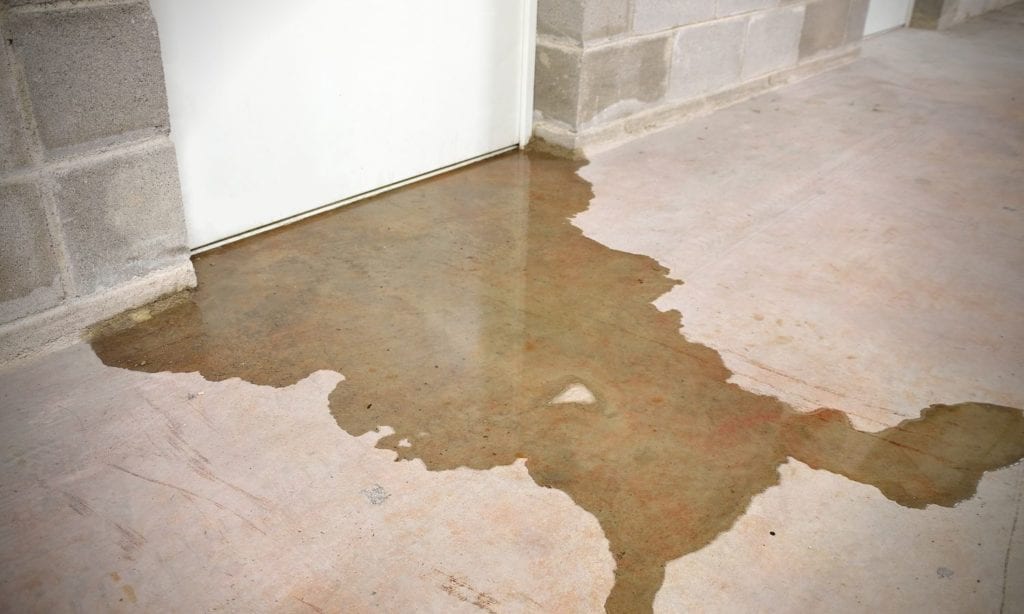
- Flooding from storms or rising groundwater
- Cracks in the foundation or basement walls
Each of these issues can introduce moisture into areas of a home where it doesn’t belong, setting the stage for both visible and hidden damage.
Ways Water Intrusion Impacts Property Value
The effect of water issues on real estate value is multifaceted. Here are several key ways that moisture problems can undermine a home’s worth:
Structural Deterioration and Safety Concerns
Persistent moisture can weaken wooden framing, drywall, and even concrete over time. Rot, warping, and corrosion may compromise the stability of floors, walls, and ceilings. Home inspectors and buyers are quick to notice these red flags, often resulting in lower offers or requests for costly repairs before closing.
Growth of Mold and Mildew
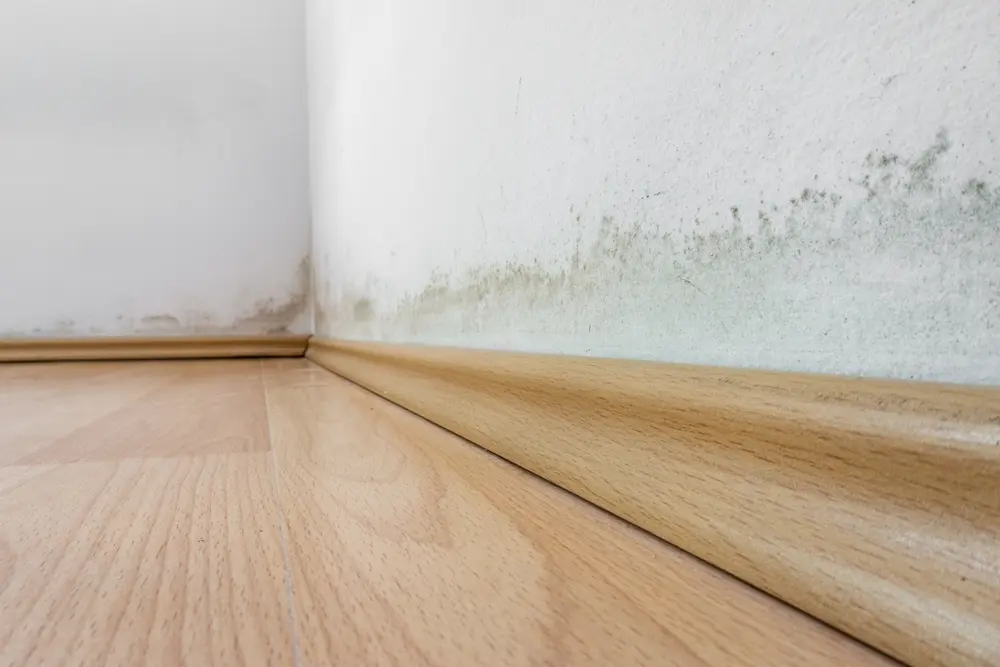
Mold thrives in damp environments and can spread rapidly behind walls, under flooring, or in attics. Not only does this pose health risks, but visible or suspected mold can be a dealbreaker for many buyers. Remediation is often expensive and may require extensive demolition and reconstruction.
Stains, Odors, and Cosmetic Issues
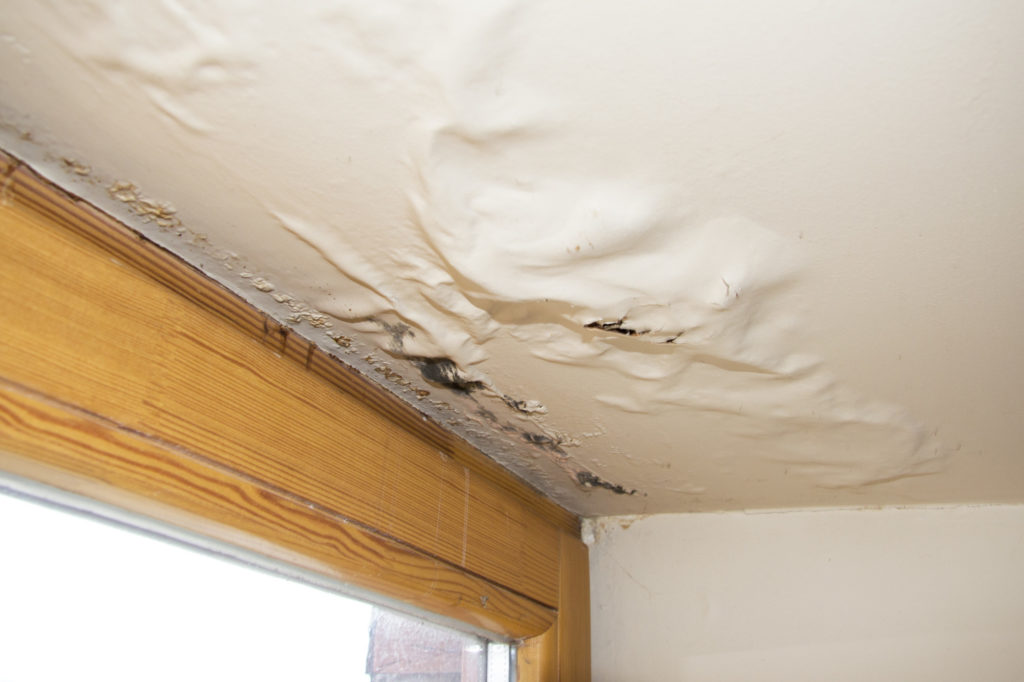
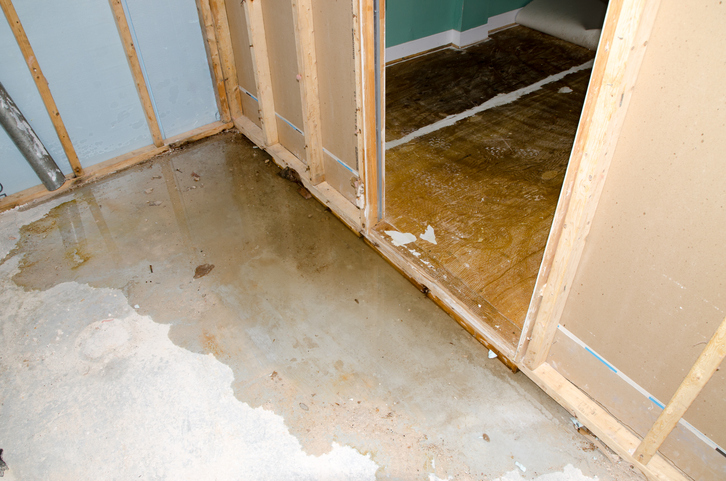
Even after the source of moisture is addressed, water can leave behind unsightly stains on ceilings, walls, or floors. Lingering odors from mold or mildew are difficult to eliminate and can deter potential buyers during showings. These cosmetic issues often require professional cleaning or renovation to resolve.
Insurance and Disclosure Implications
Homeowners are typically required to disclose past or present water-related problems when selling. This transparency, while necessary, can make a property less attractive to buyers. Additionally, homes with a history of water claims may face higher insurance premiums or limited coverage options.
Financial Impact of Moisture Problems on Home Sales
The presence of water-related issues can directly affect a property’s final sale price. According to real estate professionals, homes with unresolved moisture problems often sell for significantly less than comparable properties without such issues. The reduction in value can range from a few thousand dollars for minor cosmetic damage to tens of thousands for severe structural or mold problems.
In some cases, buyers may negotiate for a lower price to offset the anticipated cost of repairs, or they may walk away from the deal entirely. Lenders may also be hesitant to finance homes with unresolved water issues, further limiting the pool of potential buyers.
Preventing and Addressing Water Issues
Proactive maintenance is the best defense against the negative effects of moisture on property value. Here are some practical steps homeowners can take:
- Regularly inspect plumbing, roofing, and gutters for signs of leaks or blockages.
- Install leak detection devices to catch problems early and prevent major incidents.
- Ensure proper grading and drainage around the foundation to keep water away from the home.
- Address any signs of moisture or mold immediately to prevent escalation.
- Consult professionals for repairs and remediation when necessary.
For additional tips on protecting your property, check out these best practices to protect your home while you are away.
Restoring Value After Water Incidents
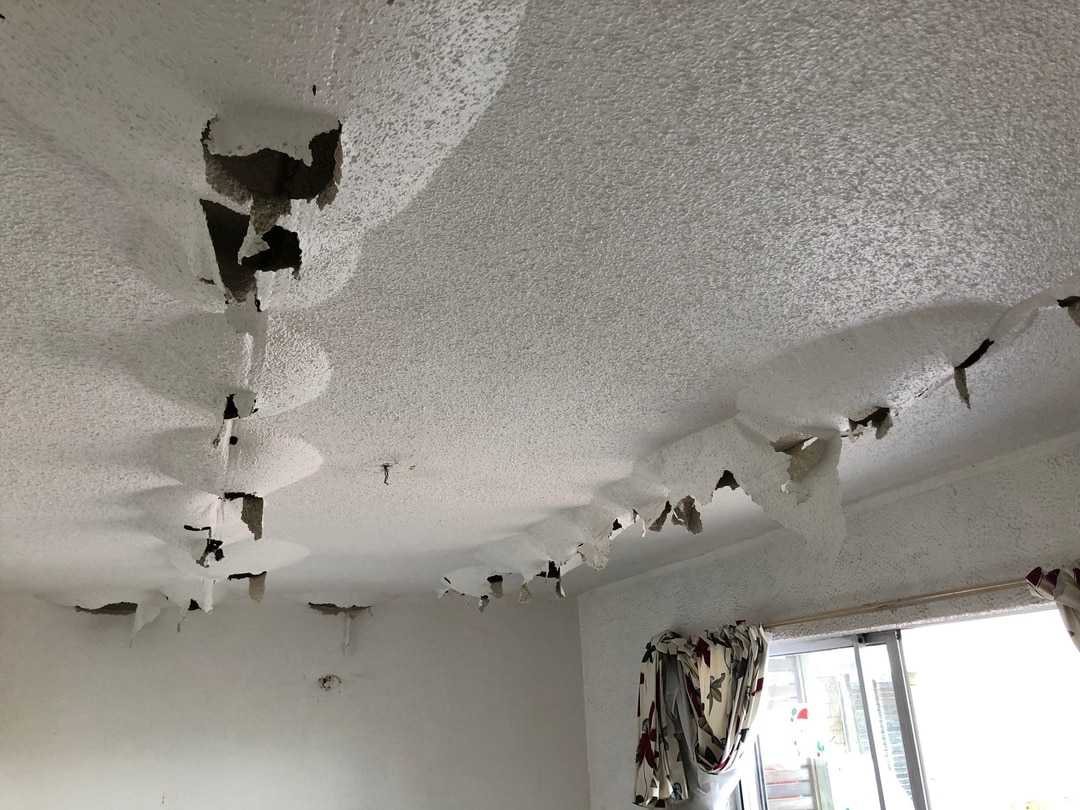
If your property has experienced moisture intrusion, taking swift and thorough action can help restore its market appeal. Key steps include:
- Completely drying out affected areas using professional equipment
- Replacing damaged materials such as drywall, insulation, or flooring
- Remediating mold with certified specialists
- Obtaining documentation of repairs and remediation for future buyers
- Repainting and deodorizing to eliminate visible and olfactory reminders
Homes that have been properly restored, with clear records of professional repairs, can often regain much of their lost value. Transparency and quality workmanship are essential to rebuilding buyer confidence.
Frequently Asked Questions
Can water damage be completely repaired, or will it always affect resale value?
In many cases, if the issue is addressed promptly and professionally, and all affected materials are replaced, a home can regain its previous worth. However, full disclosure is required, and some buyers may still be cautious, especially if the incident was severe.
How do home inspectors check for hidden moisture problems?
Inspectors use moisture meters, thermal imaging cameras, and visual inspections to detect signs of leaks, mold, or structural issues. They also look for stains, warped materials, and musty odors that indicate past or ongoing problems.
What are the most cost-effective ways to prevent water intrusion?
Regular maintenance of plumbing and roofing, installing leak detectors, and ensuring proper drainage around the home are among the most effective and affordable strategies. Early detection is key to minimizing both repair costs and impact on property value.