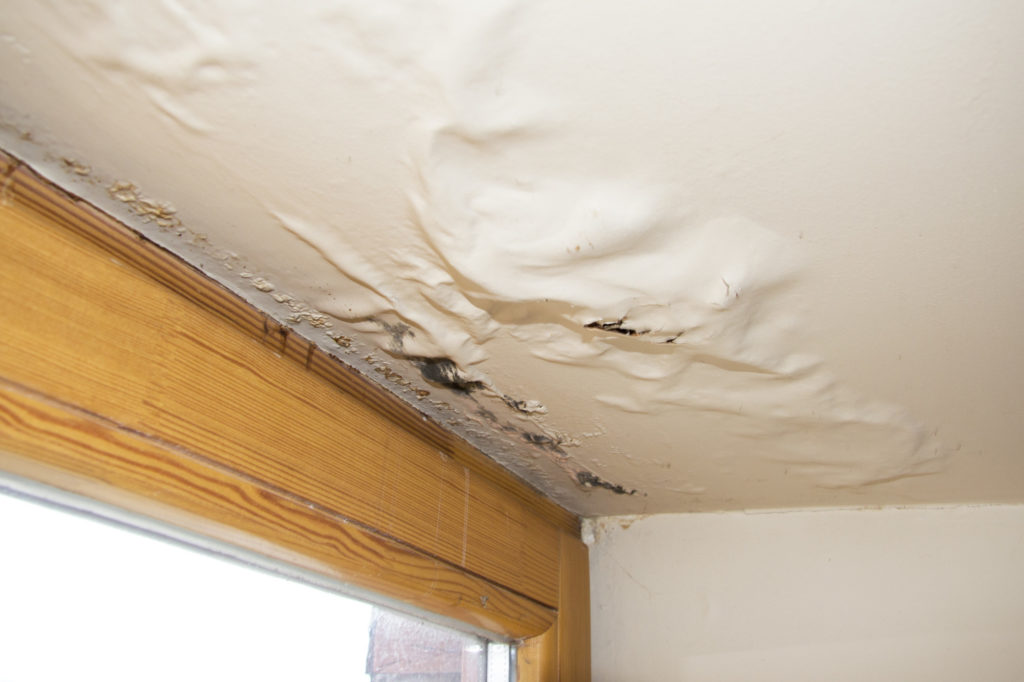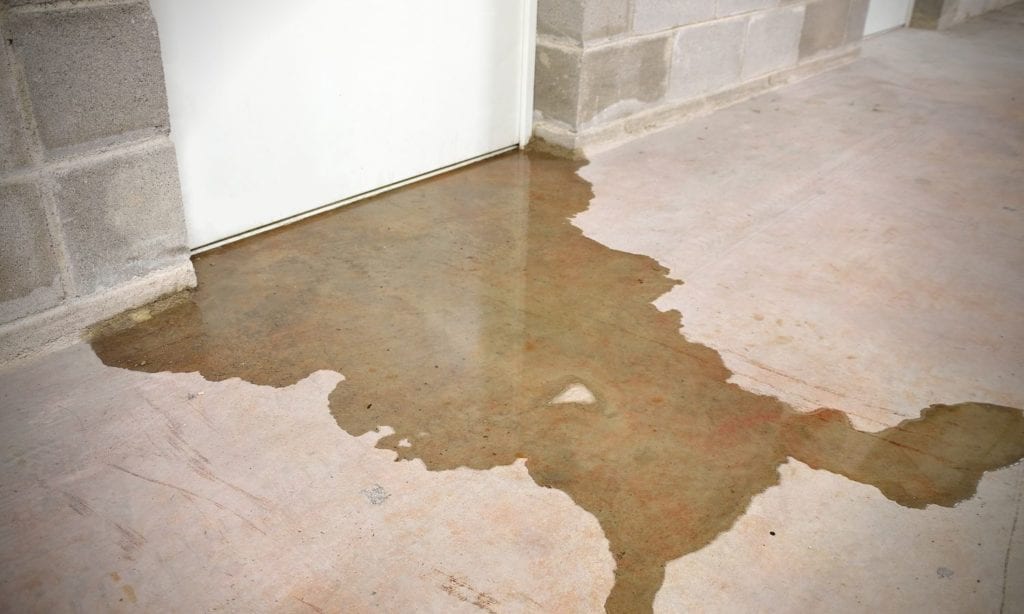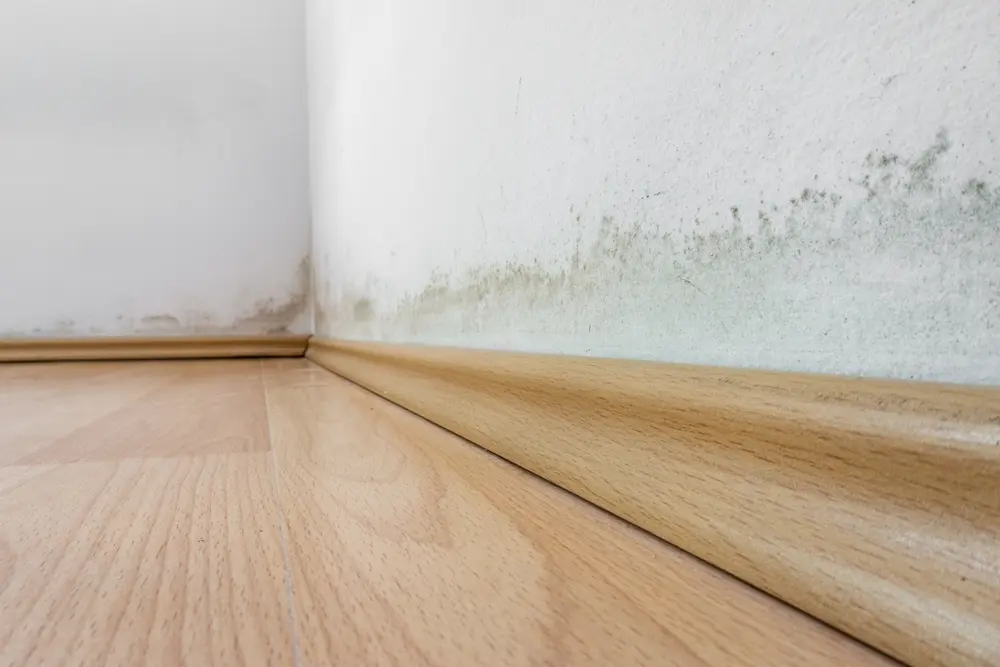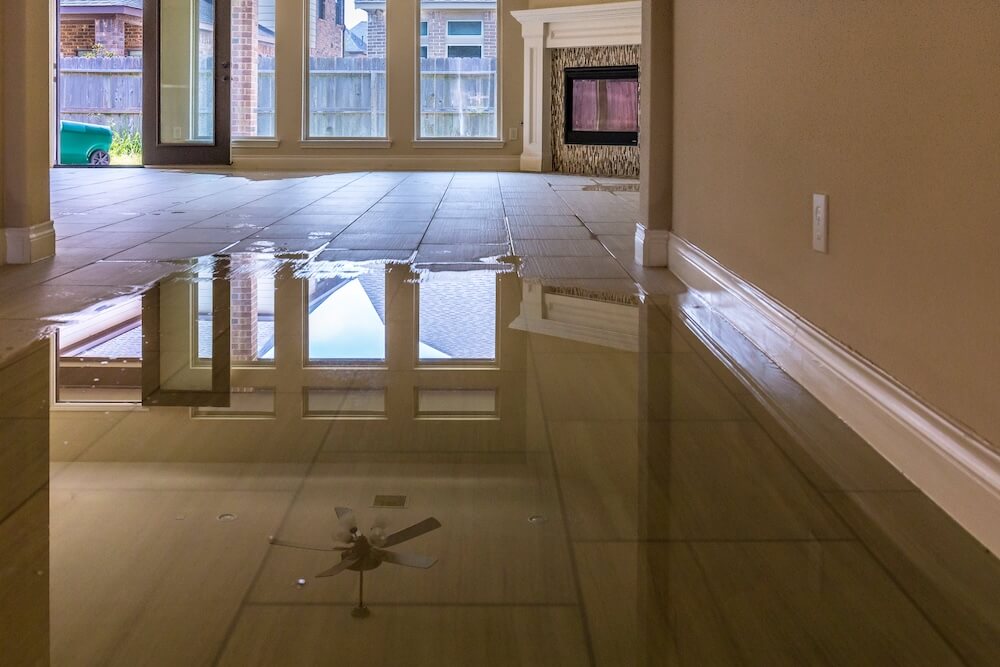
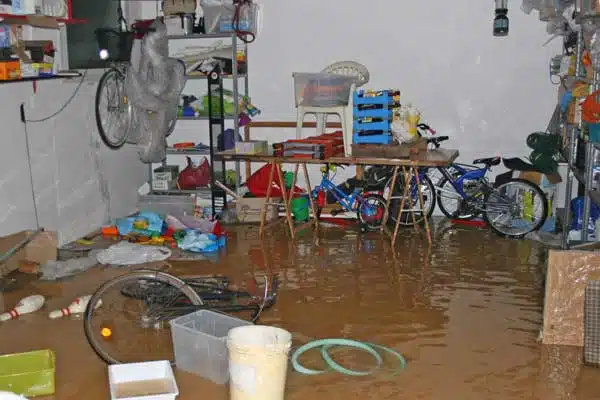
Water damage is one of the most common and costly problems homeowners face. Even a small leak can lead to extensive repairs, mold growth, and loss of valuables. As homes become smarter and more connected, many people are turning to advanced solutions to protect their property. Among these, leak detection sensors stand out for their ability to provide early warnings and prevent disasters before they escalate.
This article explores the main leak detection sensors benefits for residential properties, how these devices work, and why they are becoming an essential part of modern home protection. We’ll also discuss practical considerations for installation and integration, and provide tips for maximizing their effectiveness. If you’re interested in broader strategies, you might also want to read about low-cost flood prevention tips that can complement sensor-based solutions.
How Water Leak Sensors Work in Residential Settings
At their core, leak detection devices are designed to sense the presence of unwanted moisture in areas prone to leaks, such as basements, laundry rooms, kitchens, and bathrooms. Most modern sensors use either conductive probes or advanced moisture-sensitive materials. When water bridges the contacts or triggers the sensor, an alert is sent to the homeowner via a siren, smartphone notification, or integration with a smart home system.
Some models can even be connected directly to shut-off valves, automatically stopping the water supply when a leak is detected. This rapid response is crucial for minimizing damage and repair costs. For those interested in more comprehensive home protection, integrating these sensors with smart home flood alerts can provide layered security and peace of mind.
Key Leak Detection Sensors Benefits for Homeowners
The advantages of installing leak detection technology go beyond simple notifications. Here are some of the most significant benefits:
- Early Warning System: Sensors provide immediate alerts at the first sign of moisture, allowing you to address issues before they become major problems.
- Reduced Repair Costs: By catching leaks early, homeowners can avoid expensive repairs associated with water damage, such as replacing flooring, drywall, or furniture.
- Mold Prevention: Moisture is a key factor in mold growth. Quick detection and response help keep your home healthy and safe.
- Lower Insurance Claims: Many insurance companies recognize the value of leak detection and may offer discounts or incentives for installing these devices.
- Peace of Mind: Whether you’re at home or away, knowing your property is monitored for leaks can reduce stress and worry.
Where to Install Leak Detectors for Maximum Protection
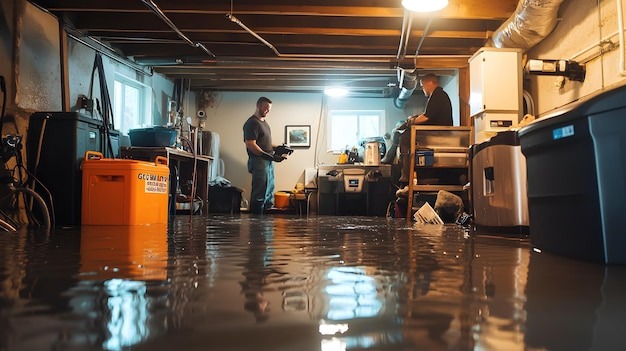
To get the most out of your leak detection system, it’s important to place sensors in strategic locations. Focus on areas where leaks are most likely to occur:
- Under sinks in kitchens and bathrooms
- Near washing machines and water heaters
- Basements, especially near sump pumps and foundation walls
- Behind refrigerators with water lines
- Next to toilets and bathtubs
For those building new homes or renovating, considering flood protection strategies for new homes can help integrate leak detection into the overall design, further enhancing your home’s resilience.
Integrating Leak Detection with Other Flood Prevention Methods
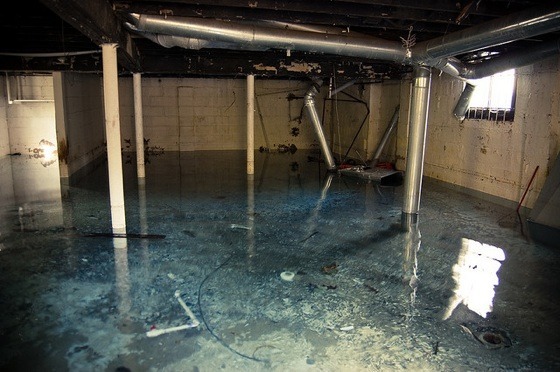
While sensors are highly effective, combining them with other preventive measures can offer comprehensive protection. For example, using permeable pavement around your home can help manage runoff and reduce the risk of water intrusion. Likewise, regular maintenance of gutters, sump pumps, and plumbing fixtures is essential.
For those who enjoy hands-on projects, exploring DIY flood prevention projects can further strengthen your home’s defenses. These combined efforts create a multi-layered approach to water damage prevention.
Choosing the Right Leak Detection System
There are many types of leak sensors available, ranging from basic battery-powered alarms to advanced smart devices that integrate with home automation platforms. When selecting a system, consider the following factors:
- Connectivity: Do you want local alarms only, or remote notifications via Wi-Fi or cellular?
- Power Source: Battery-operated models are easy to install, while wired options may offer longer-term reliability.
- Integration: Some sensors work with smart home hubs, allowing for automation such as shutting off water or alerting emergency contacts.
- Coverage: Make sure the system can monitor all high-risk areas in your home.
- Ease of Use: Look for systems with clear alerts, simple setup, and reliable performance.
Reading reviews and consulting with professionals can help you choose a solution that fits your needs and budget.
Long-Term Value and Additional Advantages
The investment in leak detection technology often pays for itself by preventing even a single major water incident. In addition to direct financial savings, these systems can also increase the value of your home, especially as buyers become more aware of smart home features and flood risks.
Some municipalities and insurance providers are beginning to recognize the role of proactive water management. You may find rebates or policy discounts for installing approved devices. For more ideas on how to make your property more resilient, check out resources on flood-proofing your home using a combination of technology and structural improvements.
Frequently Asked Questions
How do leak detection sensors alert homeowners to a problem?
Most devices emit a loud audible alarm when water is detected. Many modern models also send push notifications or text messages to your phone, and some can trigger smart home routines or shut off the water supply automatically.
Are leak sensors difficult to install?
Most residential leak detectors are designed for simple, tool-free installation. Wireless models can be placed directly on the floor or mounted near plumbing fixtures. For systems that integrate with shut-off valves or smart home hubs, professional installation may be recommended.
Do these sensors require regular maintenance?
Maintenance is minimal. It’s important to test sensors periodically, replace batteries as needed, and ensure the devices remain in their intended locations. Some smart sensors will notify you when maintenance is required.
Can leak detection systems help lower my insurance premiums?
Many insurance companies offer discounts or incentives for proactive water damage prevention. Contact your provider to see if they recognize leak detection systems as a qualifying measure.
Conclusion
Proactive water leak detection is a practical and cost-effective way to safeguard your home from unexpected water damage. By combining technology with smart placement and regular maintenance, homeowners can enjoy greater peace of mind and long-term savings. Whether you’re upgrading your existing property or planning a new build, integrating leak sensors is a step toward a safer, smarter home.