Persistent moisture in homes and buildings is more than just an inconvenience—it can quietly cause a range of serious issues over time. When water accumulates in walls, floors, or hidden spaces, it creates the perfect environment for structural damage, health hazards, and costly repairs. Understanding the long-term effects of moisture buildup is essential for homeowners, property managers, and anyone responsible for maintaining a safe indoor environment.
Even small leaks or condensation, if left unchecked, can lead to significant consequences. This article explores the main risks associated with ongoing dampness, including how it impacts building materials, indoor air quality, and occupant health. If you’re interested in related home care topics, you might also find value in our guide on how to sanitize a cast iron press, which covers best practices for maintaining kitchen equipment.
How Ongoing Moisture Damages Building Structures
One of the most significant consequences of chronic dampness is the gradual deterioration of building materials. Wood, drywall, insulation, and even concrete can all be compromised by prolonged exposure to water. Over time, this can lead to:
- Wood rot: Framing, subfloors, and joists can weaken and lose their load-bearing capacity.
- Warping and swelling: Doors, windows, and flooring may become misaligned or difficult to operate.
- Corrosion of metal components: Nails, screws, and structural connectors may rust, reducing their effectiveness.
- Cracks in concrete: Repeated moisture cycles can cause expansion and contraction, leading to cracks and spalling.
These issues not only affect the safety and stability of a building but can also drastically reduce its value. Repairing structural damage caused by water is often expensive and disruptive, especially if the problem has gone unnoticed for months or years.
Health Risks Linked to Prolonged Dampness
The long-term effects of moisture buildup extend beyond the physical structure of a property. Damp environments are ideal breeding grounds for mold, mildew, and bacteria, all of which can have a direct impact on indoor air quality and occupant health.
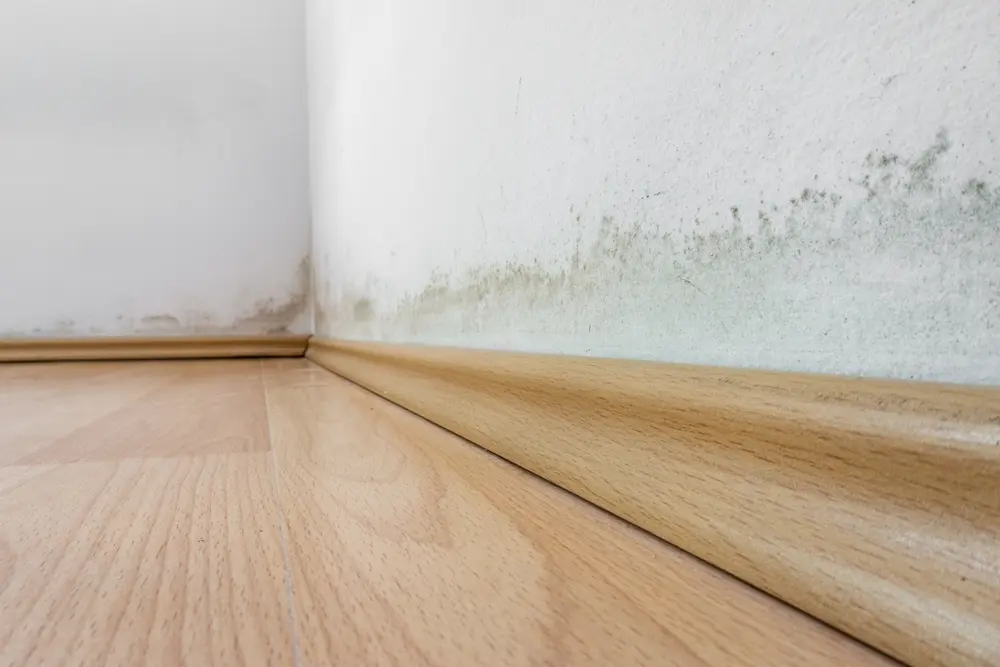
- Mold growth: Mold spores can trigger allergies, asthma, and other respiratory issues, particularly in children and the elderly.
- Dust mites: High humidity encourages dust mite populations, which are another common allergen.
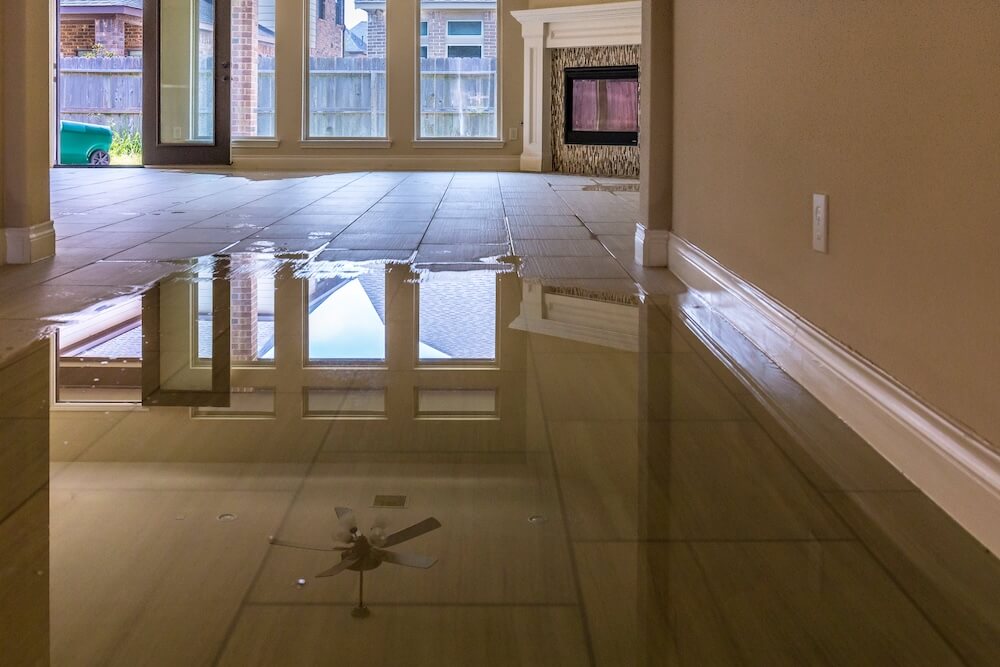
- Bacterial proliferation: Standing water and damp surfaces can harbor harmful bacteria, increasing the risk of infections.
According to industry experts on water damage, indoor air quality can deteriorate rapidly in spaces with ongoing moisture problems. Addressing leaks and controlling humidity are crucial steps in protecting the health of building occupants.

Hidden Costs and Secondary Problems
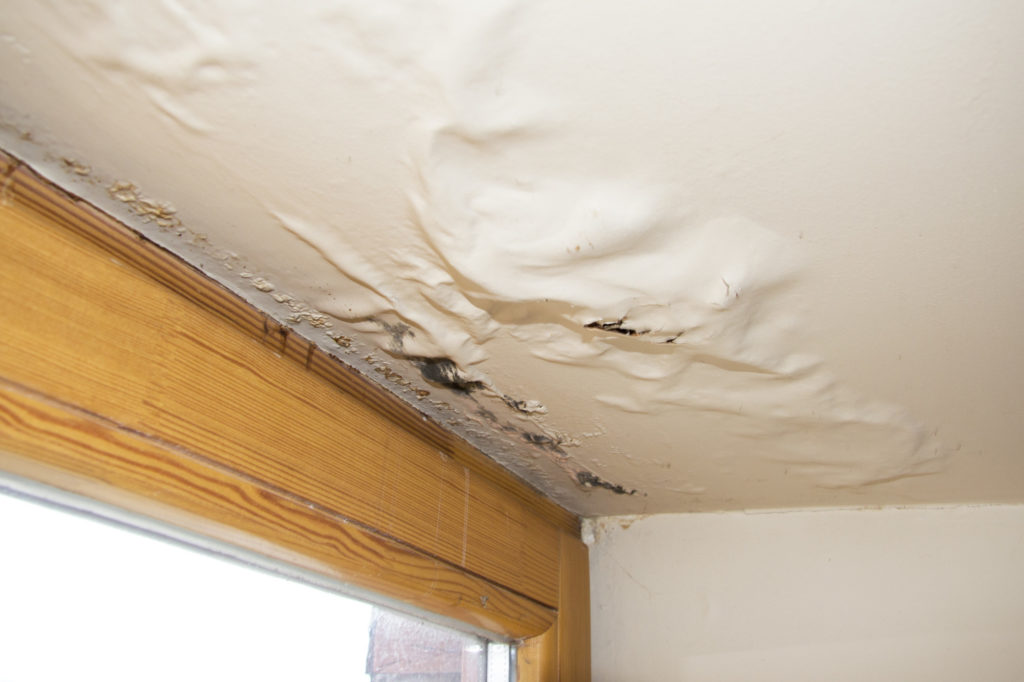
The visible signs of water damage—such as stains, peeling paint, or musty odors—are often just the tip of the iceberg. The real costs of ongoing dampness may not become apparent until secondary problems develop, including:
- Increased energy bills: Wet insulation loses its effectiveness, causing heating and cooling systems to work harder.
- Pest infestations: Termites, carpenter ants, and rodents are attracted to moist environments.
- Decreased property value: Homes with a history of water issues are harder to sell and may require extensive remediation.
- Insurance complications: Some policies may not cover damage resulting from neglected leaks or chronic moisture.
These indirect effects can add up quickly, making it even more important to address the root causes of dampness as soon as they are detected.
Common Sources of Persistent Moisture
To prevent the negative consequences associated with water accumulation, it’s helpful to recognize where moisture problems often begin. Some of the most frequent sources include:
- Leaky pipes and plumbing fixtures: Even small drips can cause significant damage over time.
- Roof and window leaks: Faulty flashing, missing shingles, or worn seals allow rainwater to enter the building envelope.
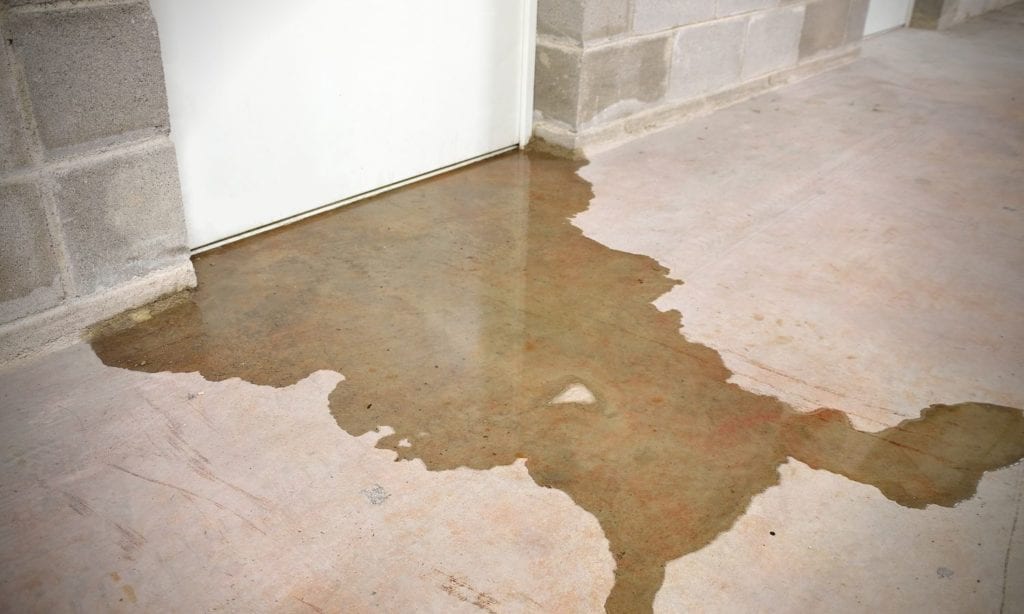
- Poor drainage and grading: Water pooling around the foundation can seep into basements and crawl spaces.
- Condensation: Inadequate ventilation in bathrooms, kitchens, or laundry rooms leads to excess humidity.
Regular inspections and timely repairs are essential in minimizing the risks associated with these common sources. For those interested in kitchen maintenance, our article on how to store corn masa for pressing offers practical storage tips.

Prevention and Early Detection Strategies
Preventing the adverse outcomes associated with water accumulation starts with vigilance and proactive maintenance. Here are some effective strategies:
- Install leak detection devices to monitor for hidden plumbing issues.
- Maintain gutters and downspouts to direct water away from the foundation.
- Seal windows and doors to prevent rain intrusion.
- Use dehumidifiers in areas prone to high humidity.
- Schedule regular inspections of roofs, basements, and crawl spaces.
Early detection is key to avoiding the extensive repairs and health risks associated with ongoing dampness. Investing in quality leak detectors and maintaining proper ventilation can make a significant difference in protecting your property.
Frequently Asked Questions
What are the first signs of moisture problems in a building?
Early indicators include musty odors, visible mold or mildew, water stains on walls or ceilings, peeling paint, and warped flooring. If you notice any of these, it’s important to investigate further to prevent more serious issues.
How can I prevent moisture from accumulating in my home?
Regularly check for leaks, ensure proper ventilation in bathrooms and kitchens, maintain your roof and gutters, and use dehumidifiers in damp areas. Installing smart leak detectors can also provide early warnings for hidden issues.
Is mold always visible when there is a moisture problem?
Not always. Mold can grow behind walls, under floors, or inside HVAC systems where it’s not immediately visible. Persistent dampness or unexplained health symptoms may indicate hidden mold growth.
Conclusion
The consequences of unchecked water accumulation are far-reaching, affecting both the structural integrity of buildings and the health of those who live or work inside them. By understanding the risks and taking proactive steps to control moisture, you can protect your property and avoid costly repairs. For more information on related topics, explore our resources on kitchen maintenance and food preparation, such as how to press tortillas for chilaquiles.