Persistent moisture in homes and buildings can lead to a wide range of problems that often go unnoticed until significant damage has occurred. Understanding the long-term effects of moisture buildup is essential for property owners, facility managers, and anyone responsible for building maintenance. Over time, excess humidity and water intrusion can compromise structural integrity, create health hazards, and result in costly repairs. This article explores the consequences of ongoing dampness, how to identify early warning signs, and practical steps to prevent lasting damage.
While moisture issues are common in many environments, their impact can be especially severe if left unaddressed. Even small leaks or condensation can escalate into major concerns, affecting everything from building materials to indoor air quality. For those interested in learning about related maintenance topics, such as how to sanitize a cast iron press, regular upkeep is a key part of preventing long-term problems.
Understanding Ongoing Moisture Problems
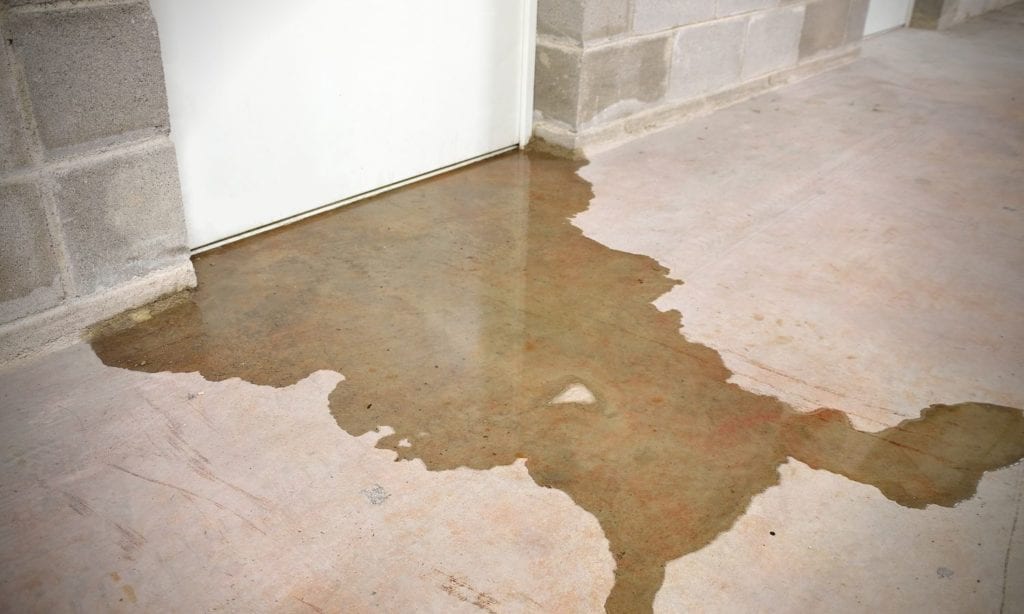
The presence of water or high humidity over extended periods can have a profound impact on buildings. Moisture may enter through leaks in roofs, plumbing failures, poor ventilation, or even from the ground beneath a structure. Once inside, it can remain hidden behind walls, under floors, or within insulation, making detection difficult until symptoms become severe.
The long-term effects of moisture buildup are not limited to visible water stains or musty odors. They can extend to the very core of a building’s structure, affecting wood, drywall, metal, and even concrete. The consequences are often cumulative, with small issues compounding over time.
Structural Damage and Material Deterioration
One of the most significant risks associated with chronic dampness is the gradual weakening of building materials. Wood framing and supports are especially vulnerable, as they can rot, warp, or become infested with pests like termites when exposed to moisture. Drywall may crumble or develop mold, while metal components can rust and corrode.
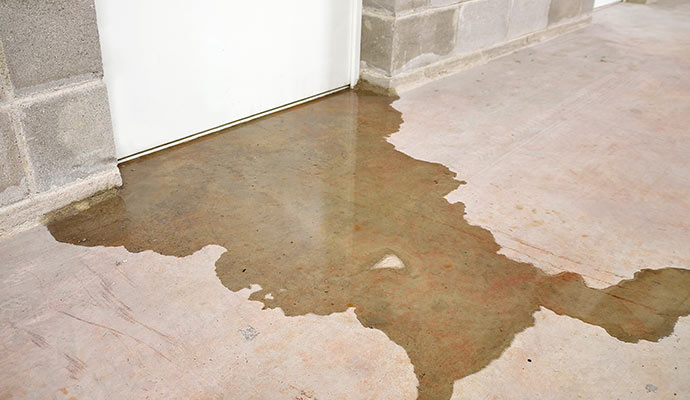
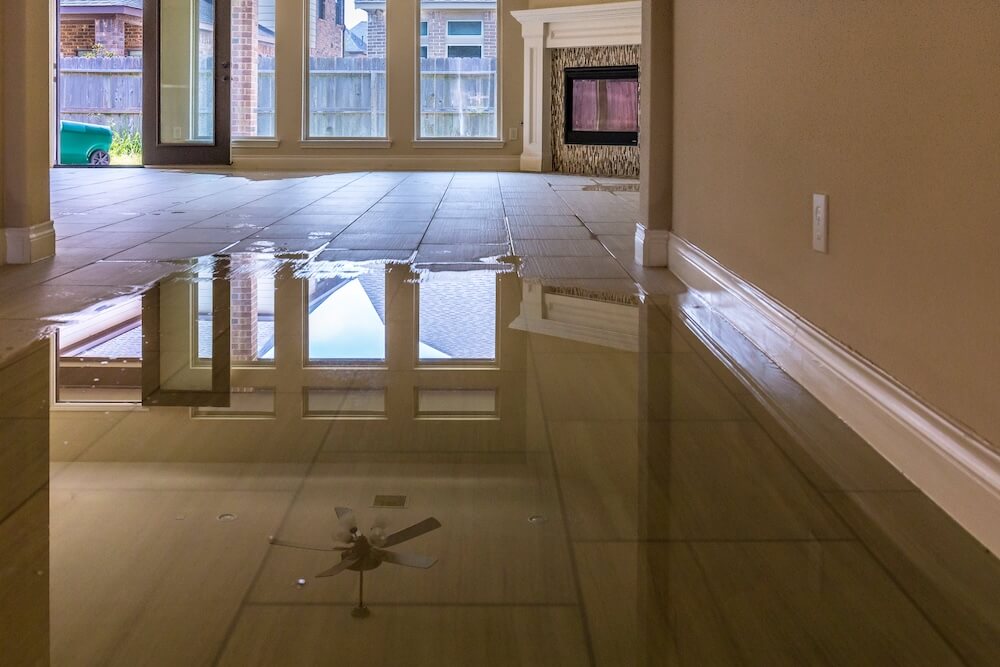
Over time, these issues can threaten the stability of floors, ceilings, and walls. In severe cases, unchecked water intrusion may lead to foundation problems or even partial collapse. According to expert guidance on water damage, early intervention is crucial to prevent irreversible harm.
Health Hazards Linked to Prolonged Dampness
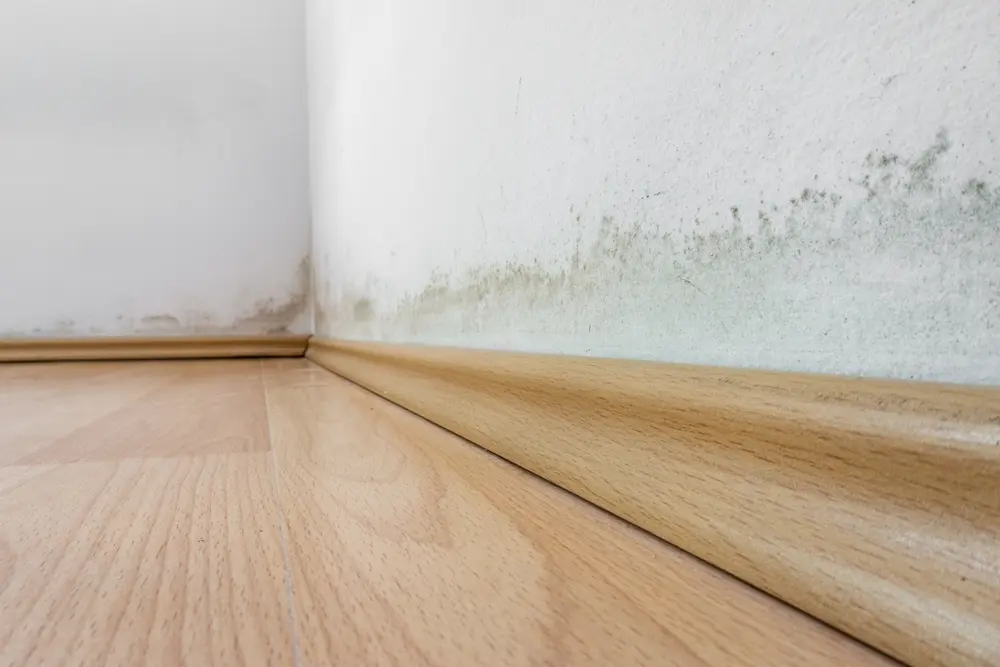
Beyond the physical structure, ongoing moisture creates an ideal environment for biological growth. Mold and mildew thrive in damp conditions, releasing spores that can trigger allergies, asthma, and other respiratory issues. Bacteria and dust mites also multiply in humid spaces, further degrading indoor air quality.
For individuals with compromised immune systems or chronic health conditions, the presence of mold can be particularly dangerous. Symptoms may include coughing, sneezing, skin irritation, and even more serious complications with long-term exposure. Addressing the root causes of dampness is essential for maintaining a healthy living or working environment.
Hidden Costs and Financial Impact
The financial consequences of ignoring moisture problems can be substantial. Minor leaks or condensation might seem harmless at first, but repair costs escalate as damage accumulates. Remediation of mold, replacement of rotted wood, and restoration of water-damaged interiors often require professional intervention.
Insurance may not always cover damage resulting from neglect or lack of maintenance. Property values can also decline if a building shows signs of chronic dampness or has a history of water-related issues. Proactive detection and timely repairs are far more cost-effective than waiting until problems become visible and widespread.
Common Sources and Warning Signs
Recognizing the early indicators of moisture accumulation is key to preventing long-term effects. Common sources include leaking pipes, faulty roofing, poor drainage, and inadequate ventilation. Warning signs may involve:
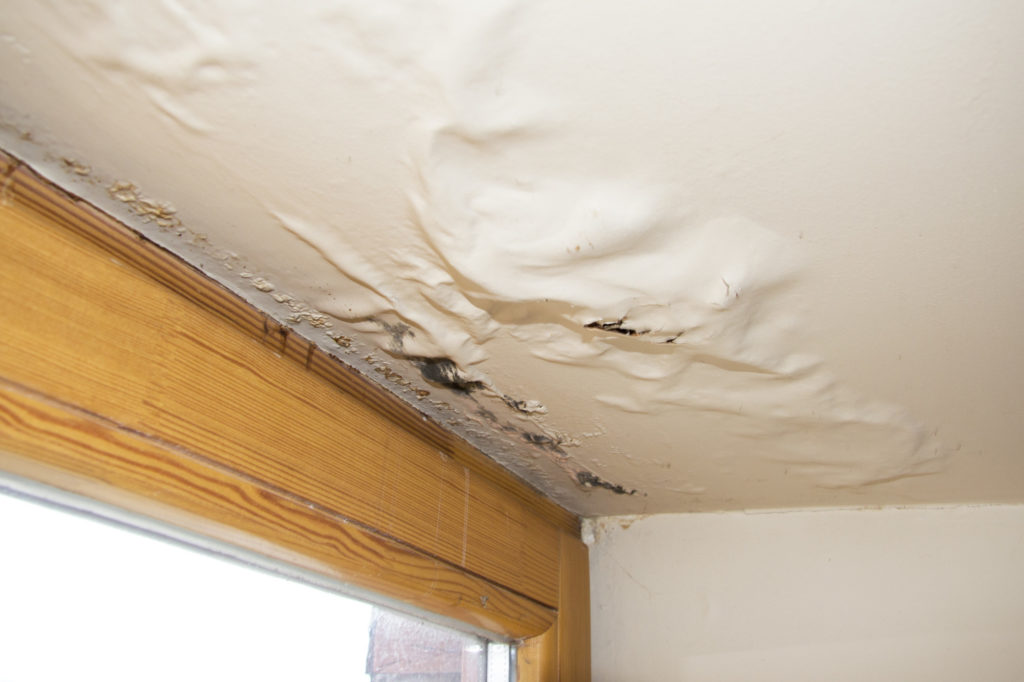
- Peeling paint or wallpaper
- Discoloration or staining on ceilings and walls
- Musty odors
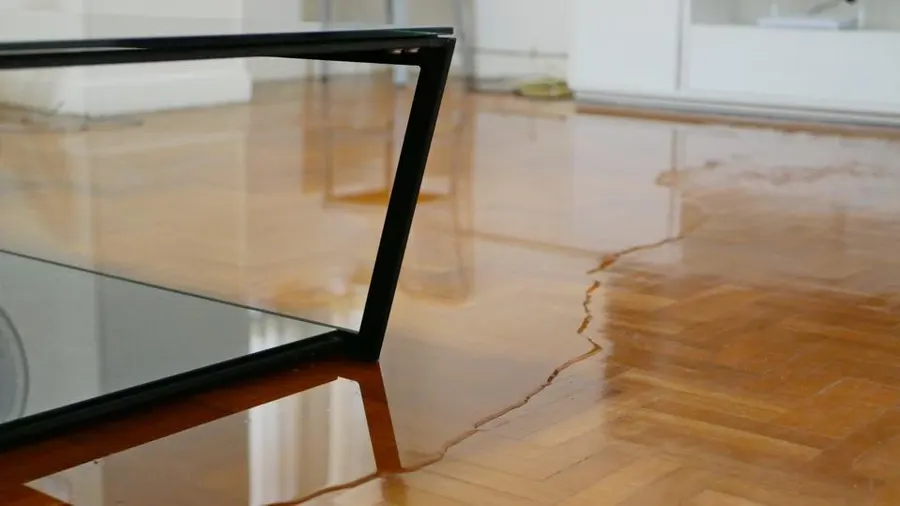
- Warped or buckling floors
- Visible mold growth
- Condensation on windows or pipes
Regular inspections and prompt repairs are essential. Installing leak detectors and humidity monitors can provide early alerts, helping to minimize the risk of extensive damage.
Prevention and Maintenance Strategies
The best way to avoid the negative outcomes associated with moisture is through proactive maintenance. Here are some practical steps:
- Inspect plumbing and roofing regularly for leaks
- Ensure gutters and downspouts direct water away from the foundation
- Use dehumidifiers in damp-prone areas like basements
- Seal cracks in walls and floors
- Maintain proper ventilation in bathrooms, kitchens, and laundry rooms
- Address condensation issues promptly
For those interested in related home care topics, you might also find value in learning how to store corn masa for pressing to maintain freshness and prevent spoilage—another example of how moisture control matters in everyday life.
Frequently Asked Questions
How can I tell if my home has hidden moisture problems?
Look for subtle signs such as persistent musty odors, unexplained stains, peeling paint, or warped flooring. Moisture meters and leak detectors can help identify hidden dampness behind walls or under floors. Regular inspections, especially after heavy rain or plumbing incidents, are recommended.
What are the health risks of living in a damp environment?
Ongoing exposure to mold and mildew can cause respiratory issues, allergic reactions, and worsen conditions like asthma. Damp environments also promote the growth of bacteria and dust mites, further impacting indoor air quality and overall health.
Are there effective ways to prevent moisture-related damage?
Yes, prevention includes routine maintenance of plumbing and roofing, ensuring proper drainage, using dehumidifiers, and addressing leaks or condensation quickly. Installing leak detection devices and maintaining good ventilation are also effective strategies.
Addressing the long-term effects of moisture buildup is crucial for protecting both your property and your health. By staying vigilant and taking preventive measures, you can avoid the most serious consequences of ongoing dampness and maintain a safe, comfortable environment.