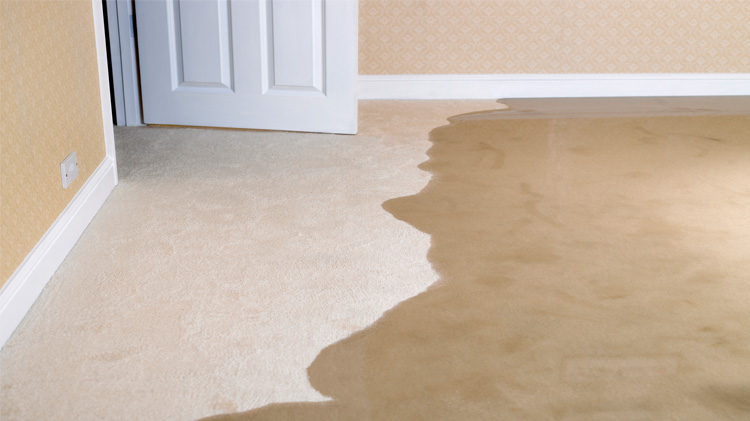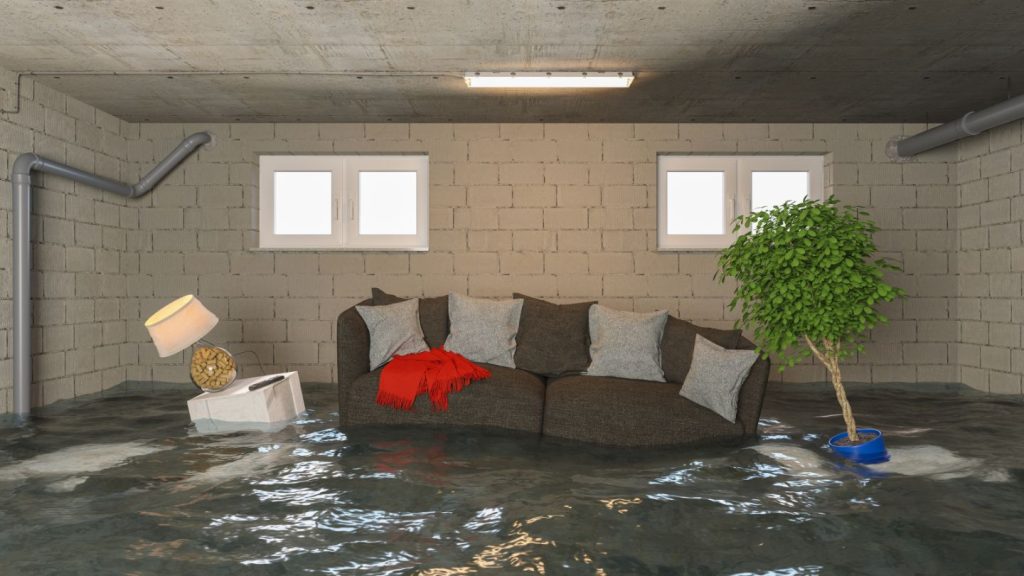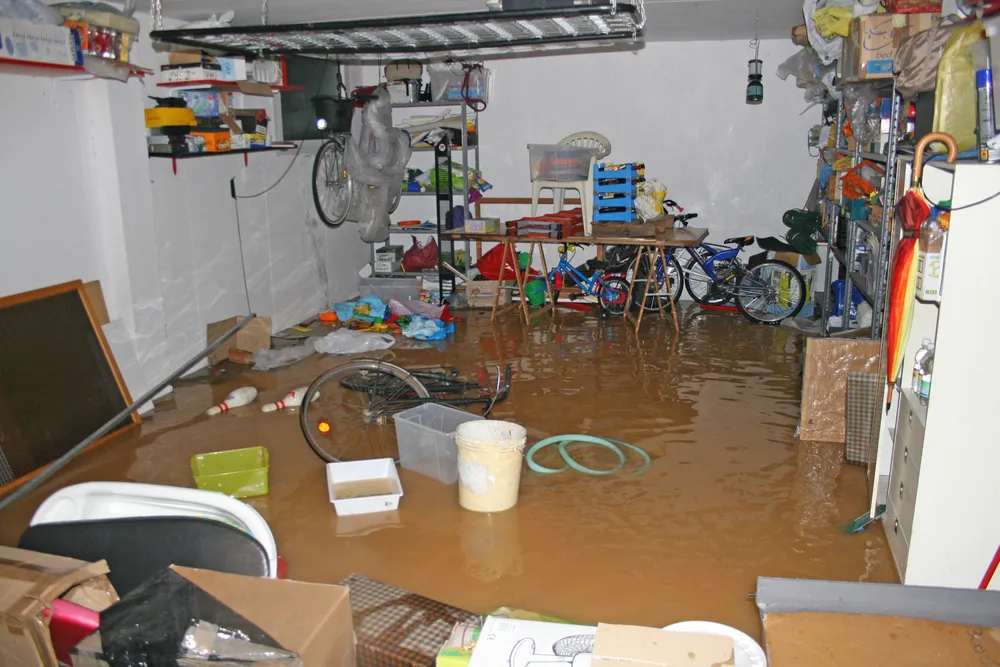
Flooding can strike with little warning, causing extensive harm to homes and belongings. Whether it’s from severe weather, plumbing failures, or rising groundwater, the consequences can be costly and disruptive. Taking proactive steps toward minimizing flood damage at home is essential for every homeowner. By understanding risk factors, preparing your property, and acting quickly when water intrudes, you can significantly reduce the impact of floods.
This article covers practical strategies for reducing water-related losses, from prevention to cleanup. For a broader overview of protective measures, you may also find the flood damage prevention tips guide helpful as a companion resource.
Understanding Flood Risks and Vulnerabilities
The first step in protecting your home is to assess your flood risk. Factors such as your location, local climate, and the age of your property all play a role. Homes in low-lying areas, near rivers, or with aging infrastructure are especially vulnerable. Even properties outside designated flood zones can experience water damage from heavy rain or plumbing issues.
Review your local flood maps and consider recent weather patterns. Inspect your home for signs of past water intrusion, such as stains, musty odors, or warped materials. Knowing where your home is most at risk allows you to focus your efforts where they matter most.
Proactive Steps for Minimizing Water Damage
Preventing water from entering your home is the most effective way to limit damage. Here are several actions you can take to strengthen your property’s defenses:
- Seal Foundation Cracks: Use waterproof sealant on any visible cracks in your basement or foundation walls to block seepage.
- Install Sump Pumps: A sump pump removes water that accumulates in your basement. Consider a battery backup to keep it running during power outages.
- Maintain Gutters and Downspouts: Keep gutters clear of debris and ensure downspouts direct water at least six feet away from your foundation.
- Grade Your Yard: Slope the soil around your home so water flows away from the building.
- Elevate Appliances and Utilities: Place furnaces, water heaters, and electrical panels above potential flood levels, especially in basements.
- Install Water Leak Detectors: Early detection devices can alert you to leaks before they become major problems.
For more on keeping plumbing systems in top shape, see these plumbing maintenance tips for homeowners.
Responding Quickly to Flood Emergencies
Even with the best precautions, water can sometimes find its way inside. Acting swiftly is crucial for minimizing flood damage at home and protecting your family’s safety.
- Shut Off Utilities: If safe, turn off electricity and gas to prevent hazards.
- Move Valuables: Relocate important documents, electronics, and sentimental items to higher ground.
- Document the Damage: Take photos and videos for insurance claims.
- Remove Standing Water: Use pumps, wet/dry vacuums, or buckets to clear water as soon as possible.
- Dry Out the Area: Open windows, run fans, and use dehumidifiers to speed up drying and prevent mold growth.
- Disinfect Surfaces: Clean all affected areas with disinfectant to reduce health risks.
If your basement is affected, you may want to explore basement sewer backup solutions for additional guidance.
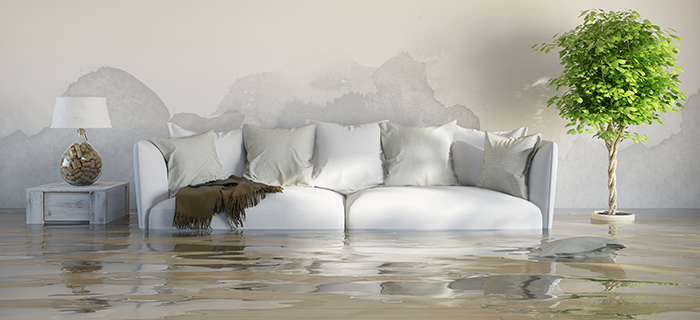
Long-Term Strategies for Reducing Flood Impact
Beyond immediate response, there are lasting improvements you can make to further protect your property:
- Upgrade to Flood-Resistant Materials: Use tile, concrete, or waterproof wall panels in basements and ground floors.
- Install Backwater Valves: These prevent sewage from backing up into your home during heavy rain.
- Landscape for Drainage: Incorporate swales, rain gardens, or permeable pavers to help manage runoff.
- Review Insurance Coverage: Standard homeowner’s insurance often excludes flood damage. Consider a separate flood policy for peace of mind.
- Regular Inspections: Schedule annual checks of your foundation, roof, and plumbing to catch vulnerabilities early.
For more in-depth advice, the mitigation guide for homeowners offers additional strategies tailored to different risk levels and property types.
Maintaining Everyday Vigilance
Everyday habits can make a big difference in reducing the risk of water intrusion. Check under sinks and around appliances regularly for leaks. Clean drains and downspouts seasonally. If you have a dishwasher, following dishwasher leak prevention tips can help you avoid unexpected water issues.
Be alert to warning signs like slow drains, damp odors, or unexplained puddles. Addressing small problems promptly prevents them from turning into major disasters.
Frequently Asked Questions
What should I do first if my home starts to flood?
Prioritize safety by shutting off electricity and gas if you can do so safely. Move family members and pets to higher ground, then focus on removing valuables and documenting the situation for insurance purposes.
How can I tell if my home is at risk for flooding?
Check local flood maps, review your property’s elevation, and look for signs of previous water damage. Even homes outside official flood zones can be vulnerable due to heavy rain, poor drainage, or plumbing failures.
Are there affordable ways to protect my home from water damage?
Yes, many preventive measures are low-cost, such as sealing cracks, maintaining gutters, and installing water leak detectors. Regular maintenance and vigilance are key to keeping expenses down.
Can plumbing issues cause significant water damage?
Absolutely. Burst pipes, leaking appliances, and sewer backups are common sources of home flooding. Routine inspections and prompt repairs are essential for prevention. For specific advice, see these toilet overflow prevention tips.
Is flood insurance necessary if I don’t live in a flood zone?
Floods can happen anywhere, and standard homeowner’s insurance typically doesn’t cover this type of damage. It’s wise to evaluate your risk and consider a separate flood policy for added protection.