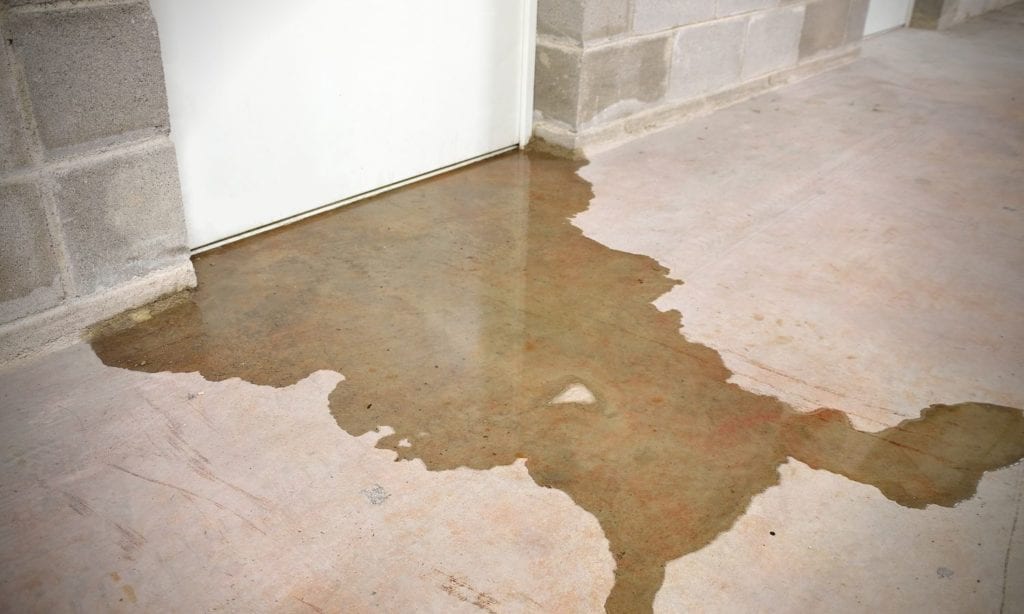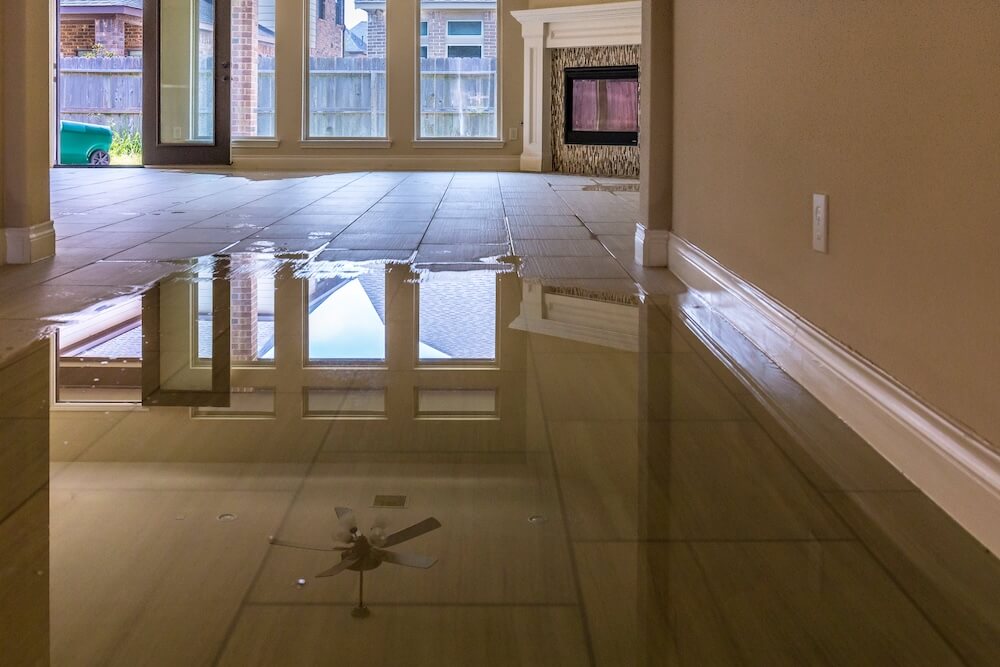
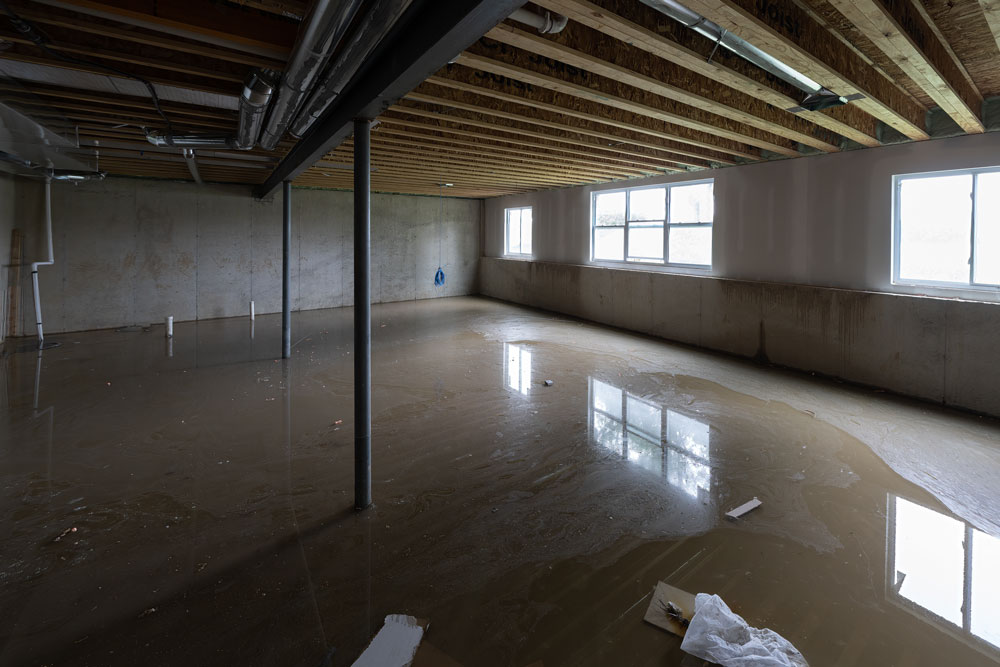
Water collecting around the foundation of a home is a common concern for many property owners. Persistent puddles or saturated soil can lead to serious issues, including structural damage, basement leaks, and even mold growth. Understanding how to manage and redirect excess water is essential for maintaining a safe and dry living environment.
This guide explores practical strategies for preventing water pooling near house foundations, helping you protect your investment and avoid costly repairs. By addressing drainage, landscaping, and maintenance, you can ensure your property stays resilient against heavy rainfall and runoff.
For a deeper dive into related topics, consider reading our residential flood prevention resource, which offers actionable tips for homeowners.
Why Addressing Water Accumulation Is Essential
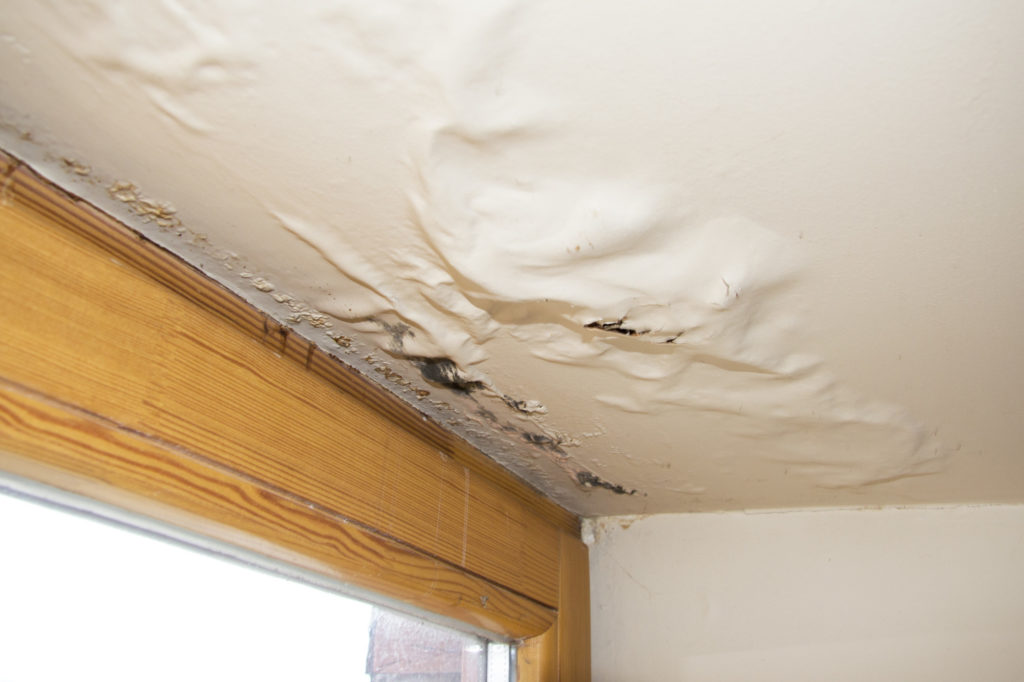
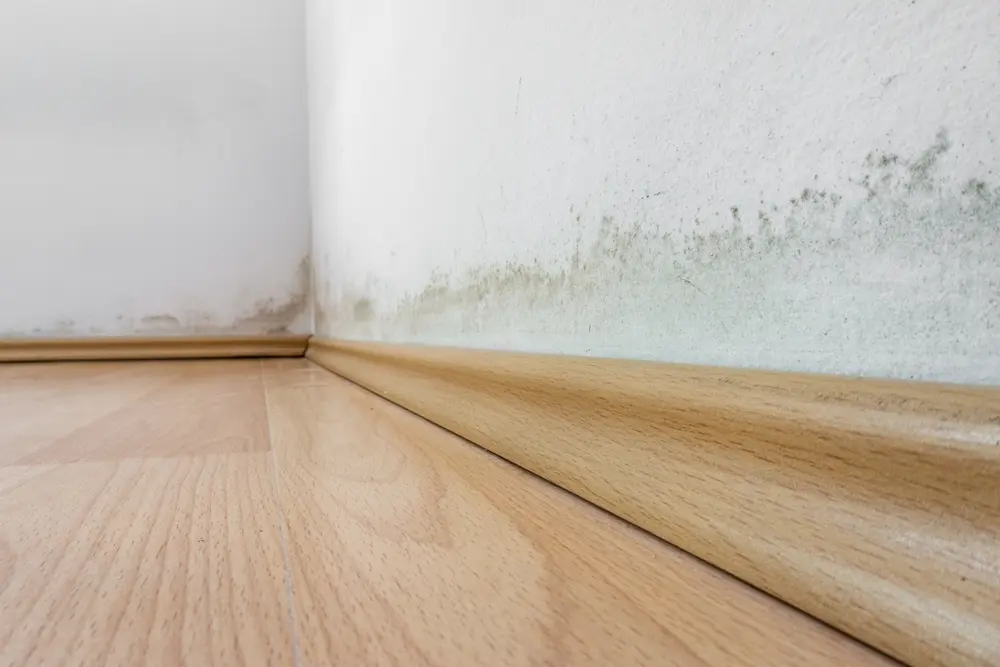
Allowing water to linger near your home’s perimeter can have long-term consequences. Over time, excess moisture can erode soil, weaken foundations, and create entry points for water into basements or crawl spaces. Additionally, standing water attracts pests and can contribute to unhealthy indoor air quality due to increased humidity and potential mold growth.
Proactive measures not only safeguard your property but also help maintain its value and curb appeal. Homeowners who invest in proper drainage and landscaping often avoid major repairs and enjoy greater peace of mind during stormy weather.
Common Causes of Water Pooling Around Homes
Several factors can contribute to water collecting near a building’s foundation. Recognizing these issues is the first step toward effective prevention:
- Poor Grading: If the ground slopes toward your home, rainwater naturally flows in that direction, increasing the risk of pooling.
- Clogged or Damaged Gutters: When gutters overflow or downspouts are too short, water is deposited right next to the foundation.
- Compacted Soil: Soil that doesn’t absorb water efficiently can cause surface runoff to accumulate.
- Obstructed Drains: Blocked yard drains or French drains can prevent proper water movement away from the property.
- High Water Table: In some areas, naturally high groundwater levels make drainage more challenging.
For a comprehensive explanation of the home flooding causes, explore our detailed guide to better understand the underlying risks.
Effective Solutions for Preventing Water Pooling Near House Foundations
Addressing the root causes of water accumulation requires a combination of landscaping, drainage improvements, and regular maintenance. Here are proven strategies to keep your foundation dry:
Improve Grading and Soil Slope
The ground surrounding your home should slope away from the foundation at a minimum of 5% (about 6 inches over 10 feet). This encourages rainwater to flow away rather than toward your walls. If your yard is flat or slopes inward, consider adding soil and regrading the landscape.
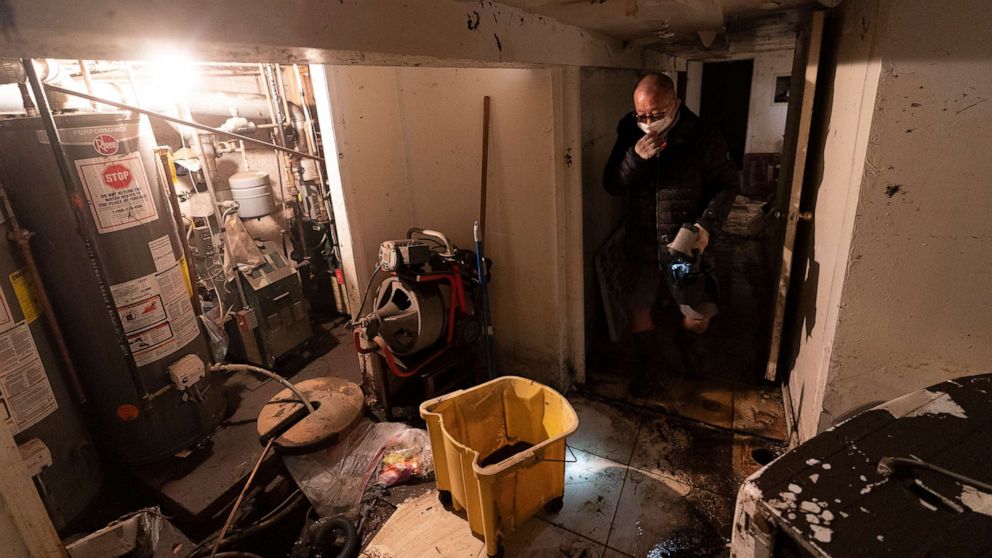
Compacted soil can also prevent water from draining properly. Aerate your lawn and add organic matter to improve absorption and reduce runoff.
Maintain and Extend Gutters and Downspouts
Clean gutters regularly to prevent blockages that cause overflow. Downspouts should extend at least 4–6 feet away from the foundation. Use extenders or splash blocks to direct water further from the house. This simple step can dramatically reduce the risk of moisture problems.
For more on seasonal maintenance, our spring home inspection for leaks checklist covers essential tasks to keep your drainage systems in top shape.
Install Drainage Solutions
In areas where grading and gutters are not enough, additional drainage systems may be needed. Options include:
- French Drains: Perforated pipes buried in gravel trenches redirect water away from problem areas.
- Surface Drains: Grates and catch basins collect water and channel it to a safe discharge point.
- Dry Wells: Underground chambers that temporarily hold excess water, allowing it to slowly seep into the soil.
Consult a professional if you notice persistent pooling or if your property has a high water table.
Landscape With Water Management in Mind
Thoughtful landscaping can help manage runoff and prevent erosion. Planting native shrubs and ground cover stabilizes soil and absorbs moisture. Avoid placing flower beds or mulch directly against the foundation, as these can trap water.
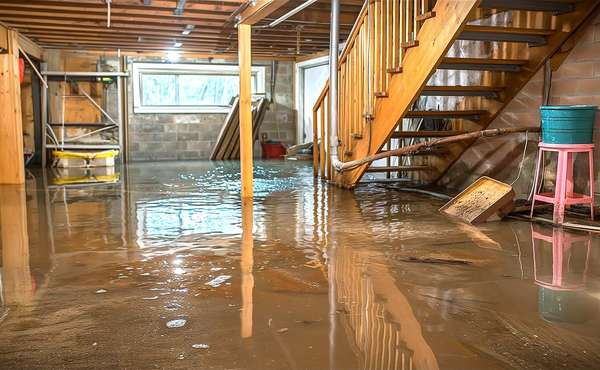
Consider installing rain gardens or swales to capture and filter runoff naturally. These features not only enhance your yard’s appearance but also provide an eco-friendly way to manage excess water.
Monitor for Leaks and Early Warning Signs
Regularly inspect your basement, crawl space, and exterior walls for damp spots, peeling paint, or musty odors. Early detection is key to avoiding major damage. Installing a water leak detector can provide peace of mind by alerting you to leaks before they become serious.
For a step-by-step approach to home protection, our how to prevent home flooding guide walks you through essential actions every homeowner should take.
Additional Tips for Managing Water Around Your Property
- Keep storm drains and street gutters clear of debris to prevent backups.
- Seal cracks in your foundation and basement walls to block water entry.
- Use permeable paving materials for driveways and walkways to encourage water infiltration.
- Check for pooling after heavy rain and address issues promptly.
Understanding the common causes of house floods can help you identify vulnerabilities and take targeted action.
Frequently Asked Questions
What is the most effective way to stop water from collecting near my foundation?
The most reliable approach is to ensure the ground slopes away from your home and to maintain gutters and downspouts that direct water at least several feet from the foundation. Combining these with proper drainage systems offers comprehensive protection.
How can I tell if my yard needs better drainage?
Signs include standing water after rain, soggy soil, water stains on basement walls, or musty odors indoors. If these issues persist, consider consulting a drainage specialist.
Are water leak detectors worth installing?
Yes, these devices can provide early warnings about leaks or flooding, helping you respond quickly and minimize damage. They are especially useful in basements, laundry rooms, and near water heaters.
Can landscaping alone prevent water problems?
While thoughtful landscaping can help, it’s most effective when combined with proper grading, gutter maintenance, and drainage solutions. Each element works together to keep your property dry.
Conclusion
Taking steps to manage and redirect water away from your home is a smart investment in your property’s longevity and your family’s safety. By improving grading, maintaining gutters, installing drainage solutions, and monitoring for issues, you can minimize the risk of water-related damage. Stay proactive and revisit your prevention strategies regularly, especially after major storms or seasonal changes.
For further reading, our home flood prevention guide provides additional insights and actionable advice for every homeowner.