Heavy rainfall and sudden storms can pose a significant threat to the safety and integrity of your property. Water intrusion, foundation issues, and mold growth are just a few of the problems that can arise if you don’t take proactive steps toward protecting home from stormwater. Whether you live in a flood-prone area or simply want to minimize the risks associated with severe weather, understanding how to safeguard your house is essential for long-term peace of mind.
This article covers practical strategies for minimizing stormwater risks, from inspecting drainage systems to using modern detection technology. For those interested in more advanced solutions, you may also want to read about how to install a water shut-off valve to further reduce water-related hazards.
Why Stormwater Protection Matters
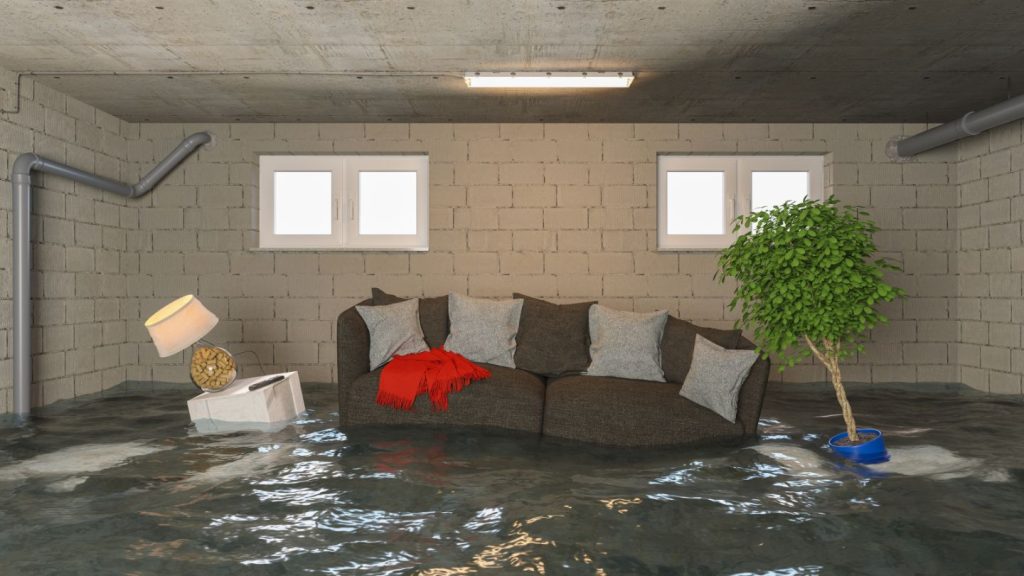
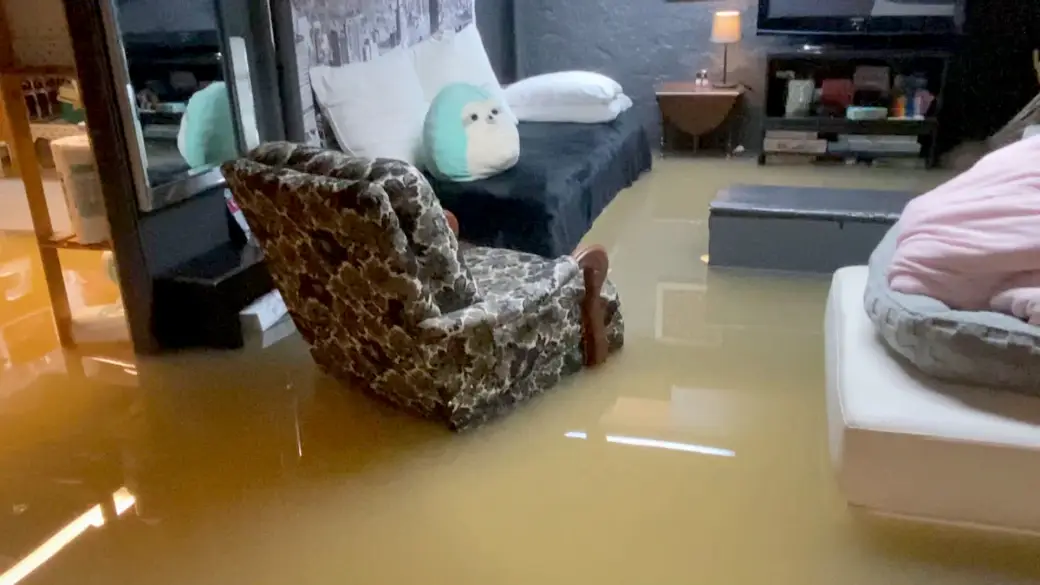
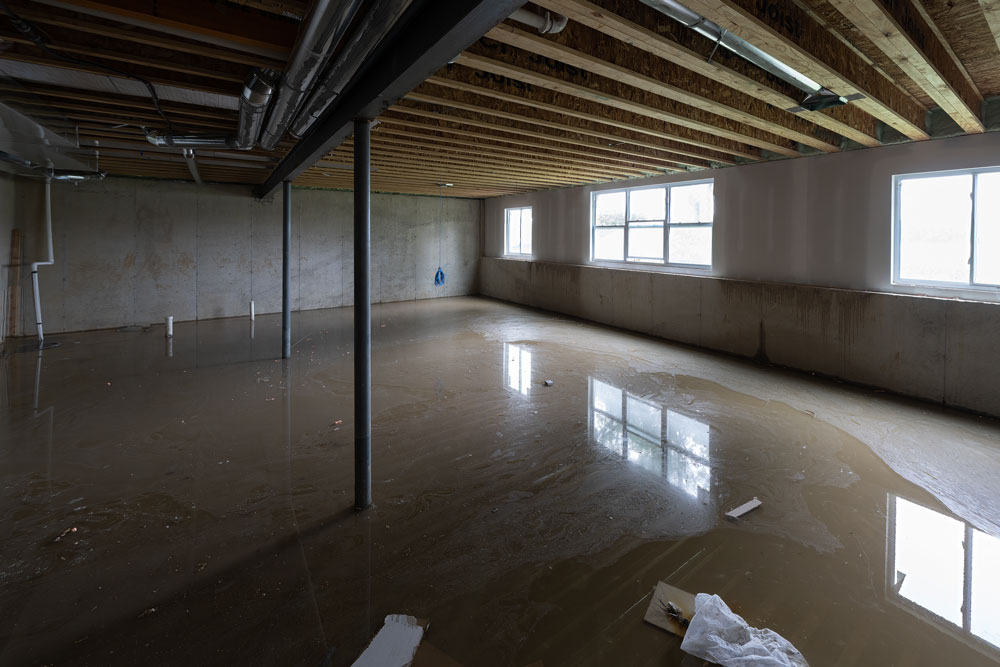
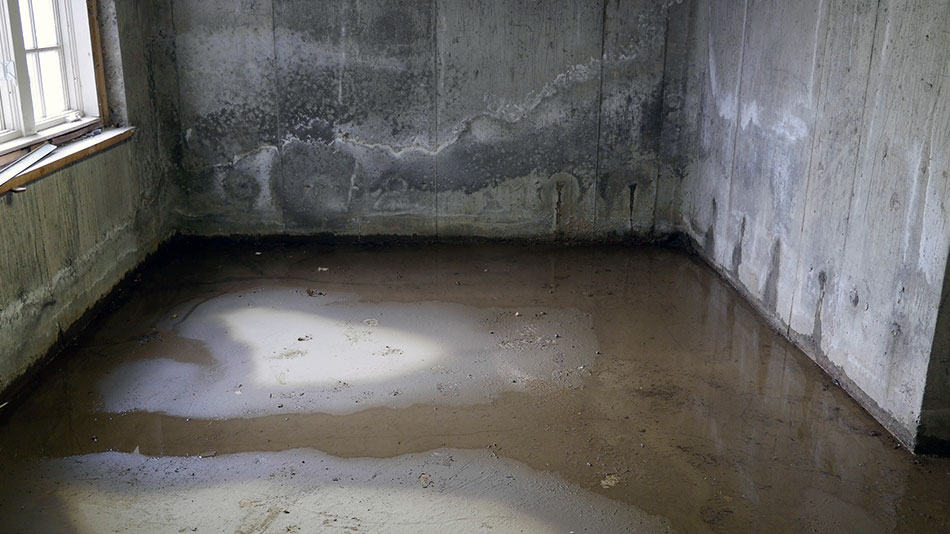
Stormwater can quickly overwhelm even well-built homes if not managed properly. When rainwater is unable to drain away from your property, it can seep into basements, erode foundations, and damage landscaping. Over time, this leads to costly repairs and potential health hazards like mold and mildew. By prioritizing stormwater prevention, you not only protect your investment but also maintain a healthier living environment.
Assessing Your Home’s Vulnerability to Stormwater
The first step in reducing risk is to evaluate how susceptible your property is to water intrusion. Walk around your home after a heavy rain and look for pooling water, clogged gutters, or signs of erosion. Pay special attention to the following areas:
- Foundation: Check for cracks or water stains that could indicate seepage.
- Basement: Inspect for dampness, musty odors, or visible mold.
- Roof and Gutters: Ensure that downspouts are directing water away from the house.
- Yard Grading: The ground should slope away from your foundation to encourage proper drainage.
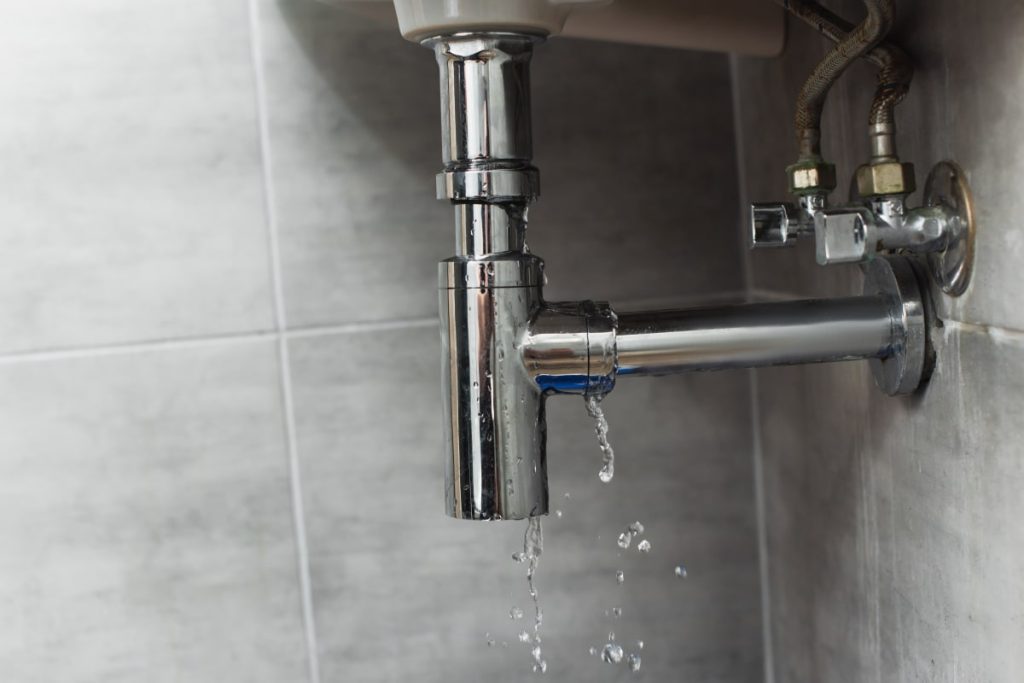
If you discover issues, address them promptly to avoid further complications. For instance, replacing old hoses to prevent water damage is a simple yet effective way to reduce leaks that can contribute to stormwater problems.
Effective Drainage Solutions for Stormwater Management
One of the most important aspects of protecting home from stormwater is ensuring that water is efficiently directed away from your property. Here are some proven solutions:
- Gutter Maintenance: Clean gutters and downspouts regularly to prevent blockages that cause overflow.
- Downspout Extensions: Use extensions to carry water at least six feet from your foundation.
- French Drains: Install underground drainage systems to channel water away from problem areas.
- Rain Gardens: Plant native vegetation in low-lying areas to absorb excess runoff.
- Sump Pumps: Consider installing a sump pump in your basement to remove accumulating water.
These solutions can be tailored to your property’s unique needs. For homes with frequent appliance leaks, learning how to use leak detectors near appliances can add an extra layer of protection.

Modern Technology for Water Leak Detection
Advances in smart home technology have made it easier than ever to monitor for leaks and prevent water damage. Devices such as pipe and toilet leak detectors can alert you to problems before they escalate. These tools are especially useful for those who travel frequently or own rental properties.
For a comprehensive approach, consider integrating smart home devices for leak prevention into your stormwater management plan. Many systems can be monitored remotely, providing real-time notifications if water is detected in vulnerable areas.
Routine Maintenance Tips for Stormwater Defense
Consistent upkeep is key to minimizing the impact of heavy rain. Here are some essential maintenance tasks:
- Inspect and clean gutters at least twice a year, especially after storms.
- Check the grading around your home and add soil where needed to maintain a slope away from the foundation.
- Seal cracks in the foundation and basement walls with waterproofing compounds.
- Test sump pumps regularly to ensure they are functioning properly.
- Replace worn or damaged hoses connected to appliances and outdoor faucets.
For more detailed advice, see our guide on how to maintain appliance water lines to keep your plumbing in top shape.
Insurance and Professional Help for Stormwater Issues
Even with the best precautions, severe weather can sometimes overwhelm your defenses. It’s wise to review your homeowner’s insurance policy to make sure you’re covered for water-related incidents. Some policies exclude flood damage, so consider additional coverage if you live in a high-risk area.
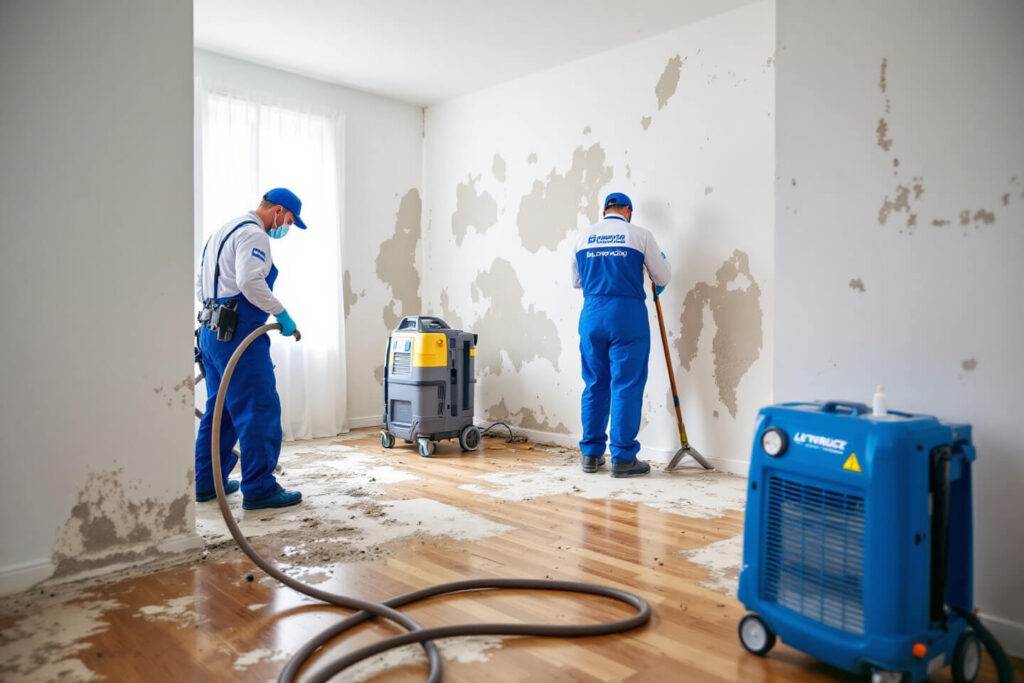
If you experience significant flooding or suspect hidden damage, don’t hesitate to consult a professional. Restoration experts can assess the extent of the problem and recommend solutions to prevent future issues. For more details on safeguarding your property, the Insurance Information Institute offers a helpful overview on how to protect your home from water damage.
Frequently Asked Questions
What are the most common causes of stormwater damage in homes?
The most frequent causes include poor drainage, clogged gutters, inadequate grading, and foundation cracks. Heavy rainfall can quickly exploit these weaknesses, leading to leaks, basement flooding, and structural deterioration.
How often should I inspect my home for stormwater vulnerabilities?
It’s best to inspect your property at least twice a year—once in the spring and again in the fall. Additional checks after major storms can help you catch problems early and address them before they worsen.
Can smart leak detectors really help prevent water damage?
Yes, smart leak detectors provide early warnings when moisture is detected in critical areas. This allows you to respond quickly, potentially stopping leaks before they cause significant harm. They are especially useful for monitoring hard-to-reach places or when you’re away from home.
What should I do if I find water in my basement after a storm?
First, remove standing water as soon as possible to prevent mold growth. Use fans and dehumidifiers to dry the area thoroughly. Identify and fix the source of the leak, whether it’s a drainage issue, foundation crack, or plumbing failure. If the problem persists, consult a professional for a thorough inspection.
Conclusion
Taking a proactive approach to protecting home from stormwater is essential for safeguarding your property and ensuring a safe living environment. By assessing vulnerabilities, maintaining drainage systems, leveraging smart technology, and staying prepared with the right insurance, you can minimize the risk of costly water damage. Regular maintenance and timely upgrades will keep your home resilient, no matter what the weather brings.