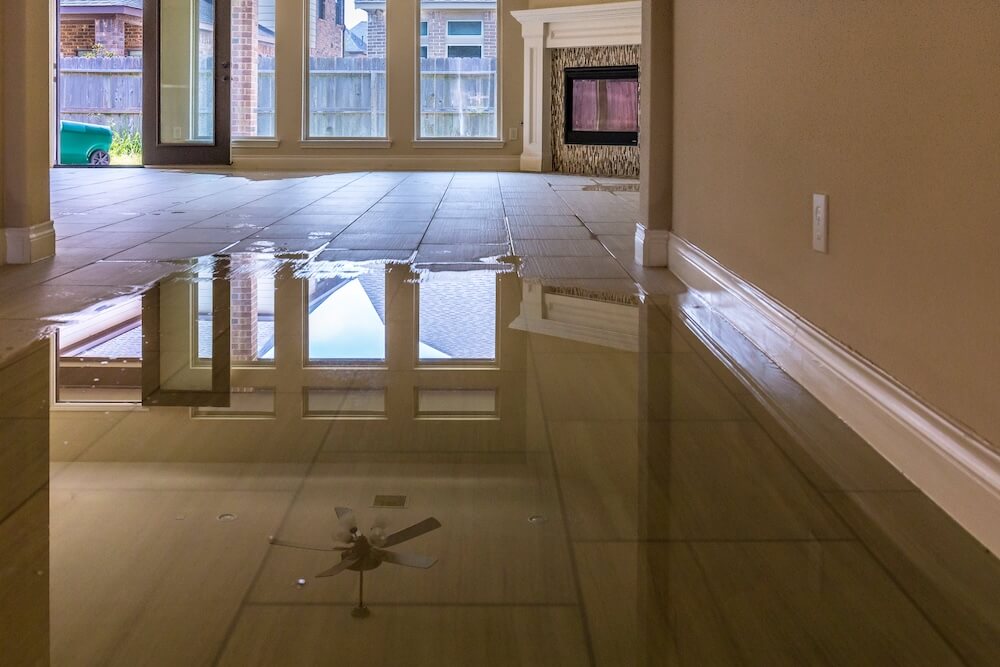
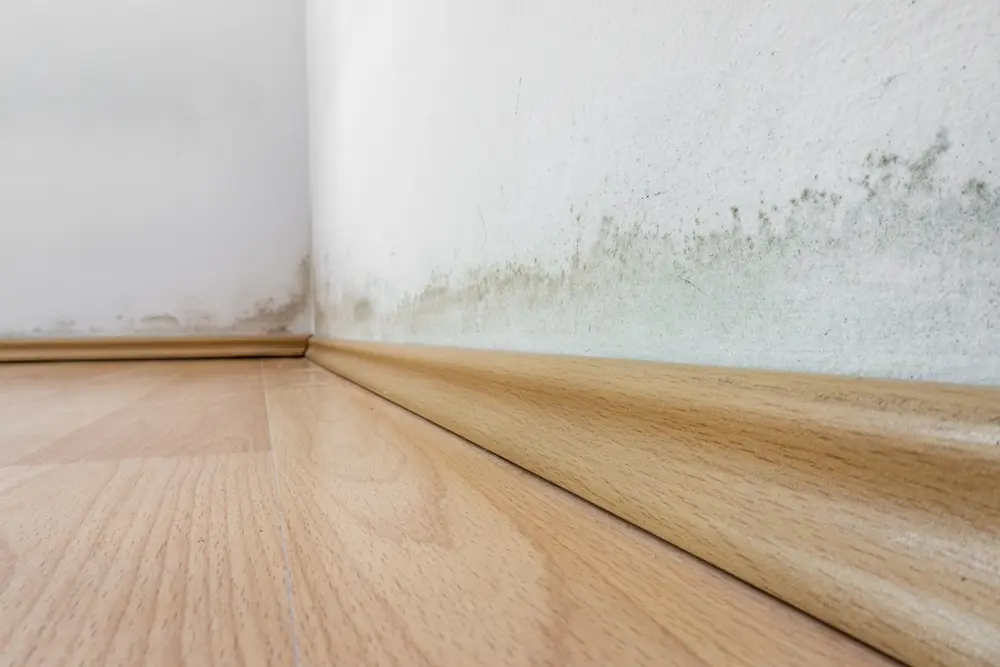
Water leaks can cause significant damage to your property, lead to mold growth, and increase your utility bills. Acting quickly is essential to prevent minor drips from turning into major problems. This guide covers practical and effective quick fixes for water leaks that homeowners can use to address common issues before they escalate.
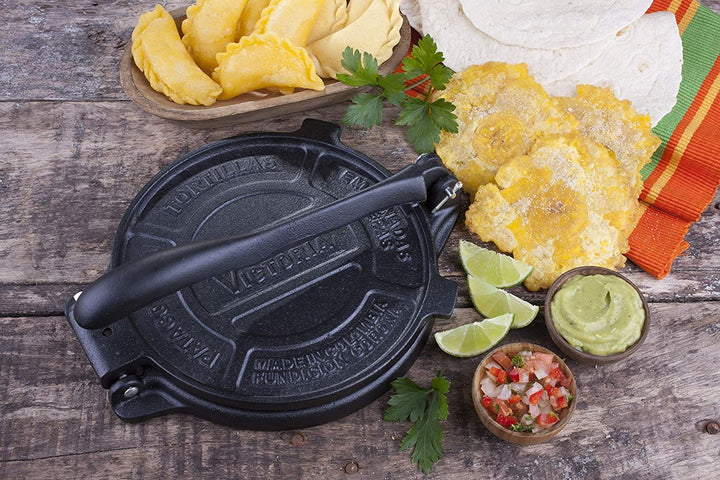
Whether you’re dealing with a dripping faucet, a leaking pipe, or water pooling in the basement, knowing how to respond can save you time, money, and stress. For those interested in home maintenance, you might also find value in learning how to sanitize a cast iron press between cooking sessions, as keeping your home in top shape goes beyond just plumbing.
Identifying the Source of Water Leaks
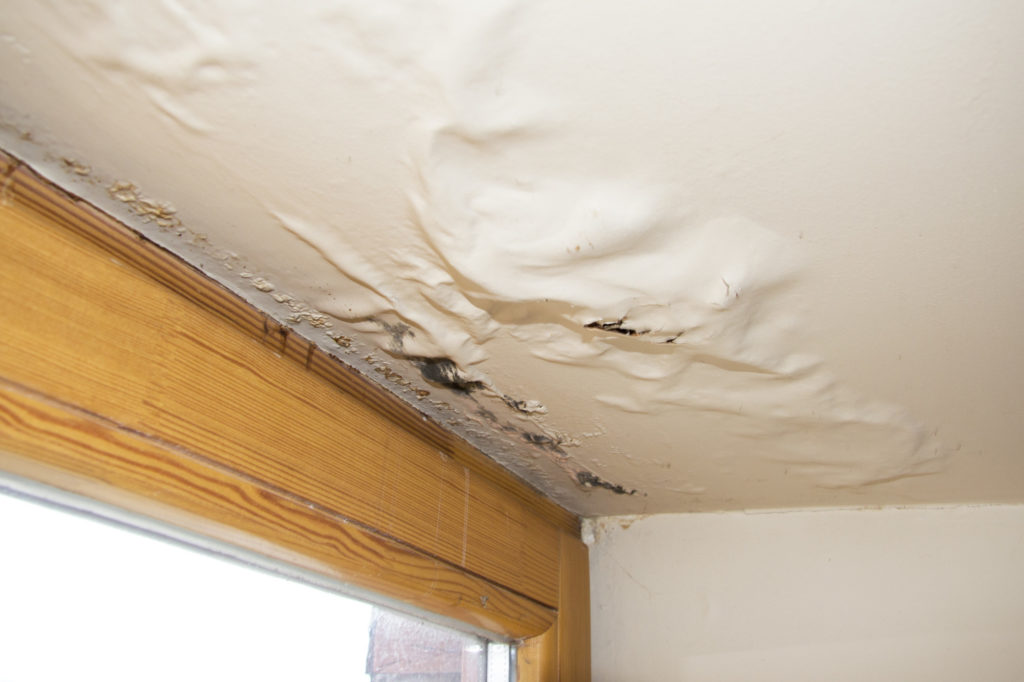
The first step in addressing any moisture problem is to pinpoint where the water is coming from. Signs of a leak may include water stains on walls or ceilings, musty odors, damp floors, or the sound of dripping water. Common sources include:
- Leaking faucets or showerheads
- Toilet tank or bowl leaks
- Under-sink plumbing connections
- Water heater or appliance hoses
- Basement walls and floors
Once you’ve identified the general area, inspect the affected spot closely. Dry the area and check for active drips or moisture. If you’re unsure, place a dry paper towel or tissue at the suspected location and check back after an hour.
Temporary Solutions for Common Household Leaks
While some leaks require professional repair, many can be managed with simple, immediate actions. Here are some quick fixes for water leaks that you can try at home:
Stopping Faucet and Showerhead Drips
A dripping faucet is often caused by a worn washer or O-ring. To address this:
- Turn off the water supply under the sink.
- Remove the handle and unscrew the packing nut.
- Replace the washer or O-ring with a matching size from a hardware store.
- Reassemble and turn the water back on.
For showerheads, unscrew the head, clean out any debris, and wrap the threads with plumber’s tape before reattaching.
Quick Actions for Leaking Pipes
If you notice water dripping from a pipe joint or under the sink, act fast:
- Shut off the main water supply or the local shutoff valve.
- Dry the area thoroughly.
- Wrap the leak with waterproof tape or a rubber patch secured with a hose clamp as a temporary fix.
- Place a bucket underneath to catch drips until a permanent repair can be made.
Dealing with Toilet Leaks
Toilets are a frequent source of hidden water loss. If you hear your toilet running or see water pooling at the base, try these steps:
- Check the flapper valve in the tank. If it’s worn or doesn’t seal properly, replace it.
- Tighten the bolts at the base if water is leaking onto the floor, but don’t overtighten.
- Use food coloring in the tank to check for slow leaks into the bowl. If color appears in the bowl after 30 minutes, the flapper likely needs replacing.
For persistent issues, a toilet leak detector can help you identify the source quickly and accurately.
Managing Water Intrusion in Basements and Walls
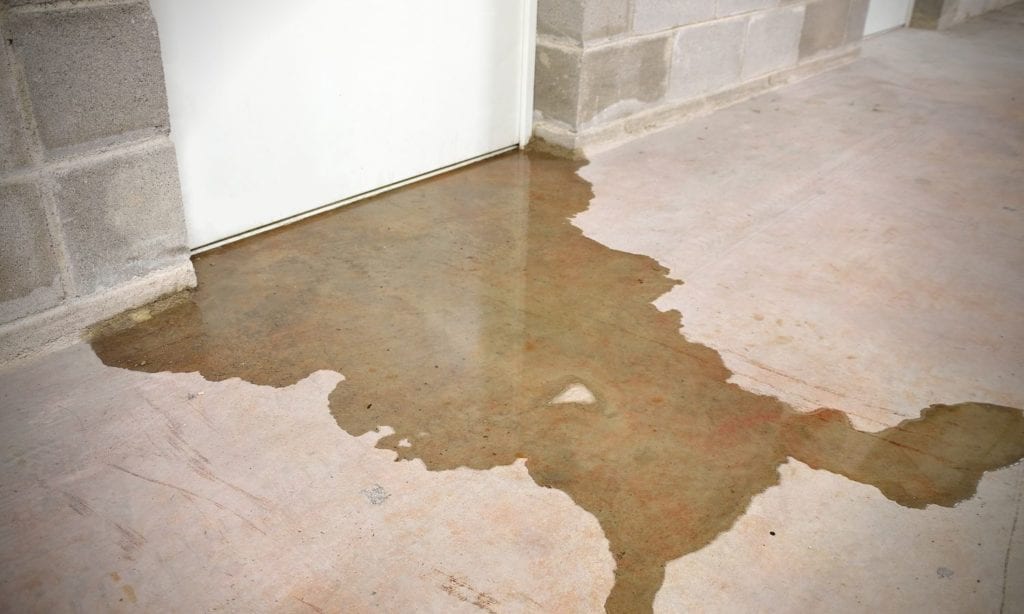
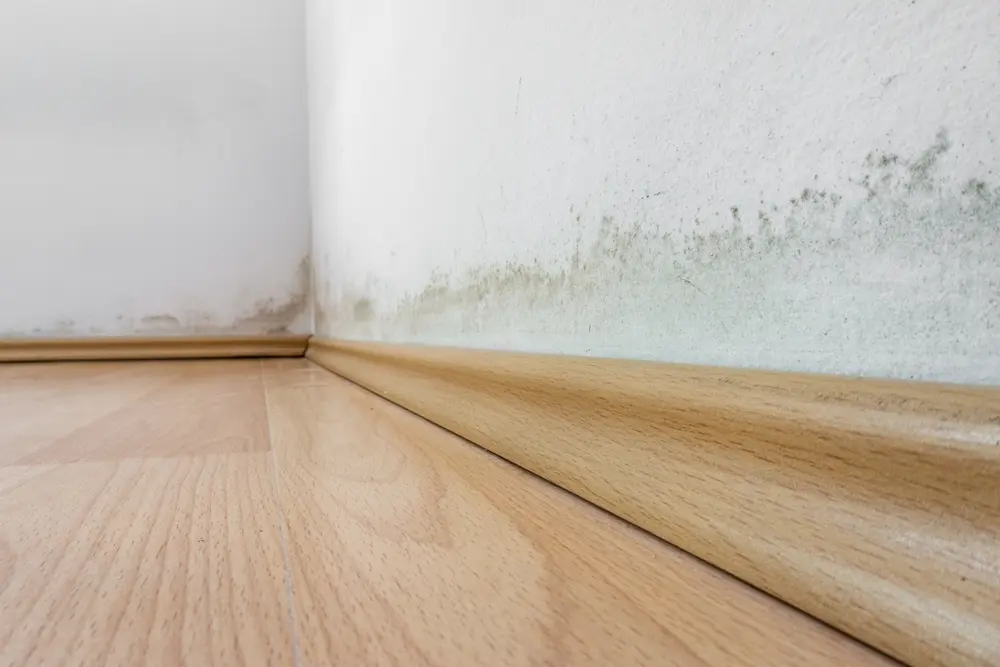
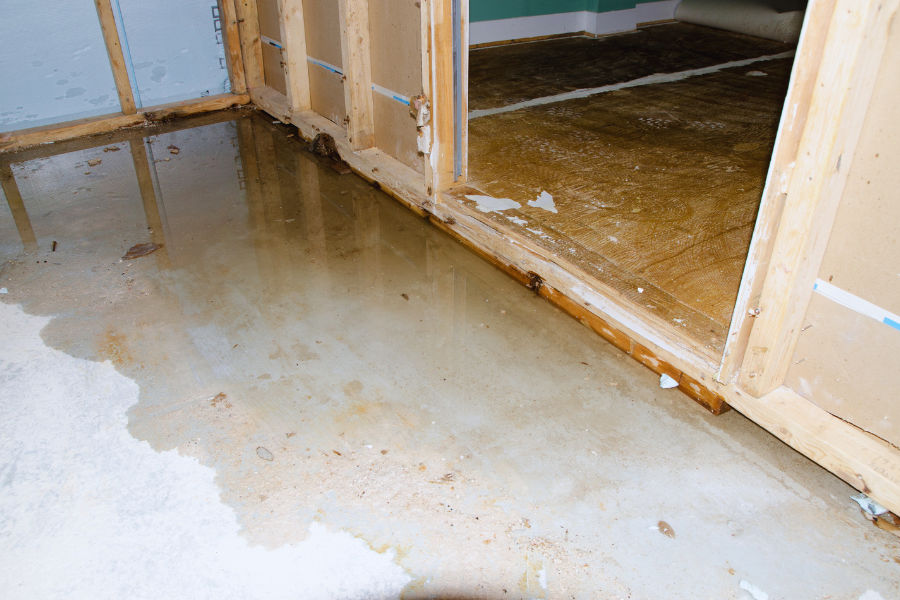
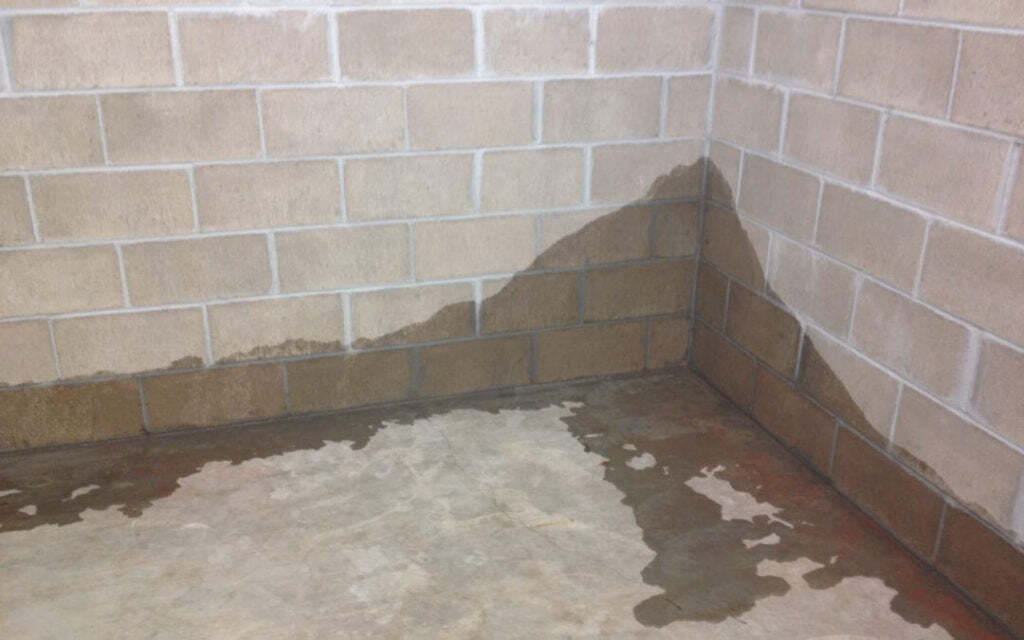
Water seeping into basements or through walls can lead to mold and structural damage. Here’s how to respond promptly:
- Move furniture and belongings away from the affected area.
- Use towels or a wet/dry vacuum to remove standing water.
- Seal visible cracks with hydraulic cement or waterproof caulk as a short-term measure.
- Run a dehumidifier to reduce moisture and prevent mold growth.
For more tips on protecting your home’s interior from water damage, see these expert recommendations for preventing water damage.
Preventing Future Leaks and Water Damage
Once you’ve handled the immediate issue, take steps to reduce the risk of future problems. Here are some proactive measures:
- Inspect plumbing fixtures and connections regularly for signs of wear or corrosion.
- Install water leak detectors in high-risk areas like under sinks, behind toilets, and near appliances.
- Clean gutters and downspouts to ensure proper drainage away from your foundation.
- Replace old washing machine hoses with braided stainless steel models.
- Know the location of your main water shutoff valve and ensure it’s accessible.
Staying on top of home maintenance can help you avoid costly repairs. If you’re interested in kitchen upkeep, you might also want to read about how to store corn masa for pressing to keep your ingredients fresh and ready for use.
When to Call a Professional
While many quick fixes for water leaks can be handled by homeowners, some situations require expert help. Contact a licensed plumber if you encounter:
- Major pipe bursts or flooding
- Persistent leaks that resist temporary fixes
- Water damage affecting electrical systems
- Mold growth that covers a large area
Acting quickly can minimize damage and prevent more serious issues down the line.
Frequently Asked Questions
What should I do first when I discover a water leak?
Immediately turn off the nearest water supply valve to stop the flow of water. Then, dry the area and try to identify the source of the leak. Use temporary measures like plumber’s tape or a bucket to contain the water until a permanent repair can be made.
Are there any tools that can help detect hidden leaks?
Yes, there are several types of leak detectors available, including electronic sensors that alert you to moisture in hard-to-see areas. These devices are especially useful for monitoring under sinks, behind appliances, or in basements.
How can I prevent leaks from happening in the future?
Regularly inspect your plumbing, replace worn washers and hoses, and install leak detectors in vulnerable spots. Keeping gutters clean and ensuring proper drainage around your home also helps reduce the risk of water intrusion.