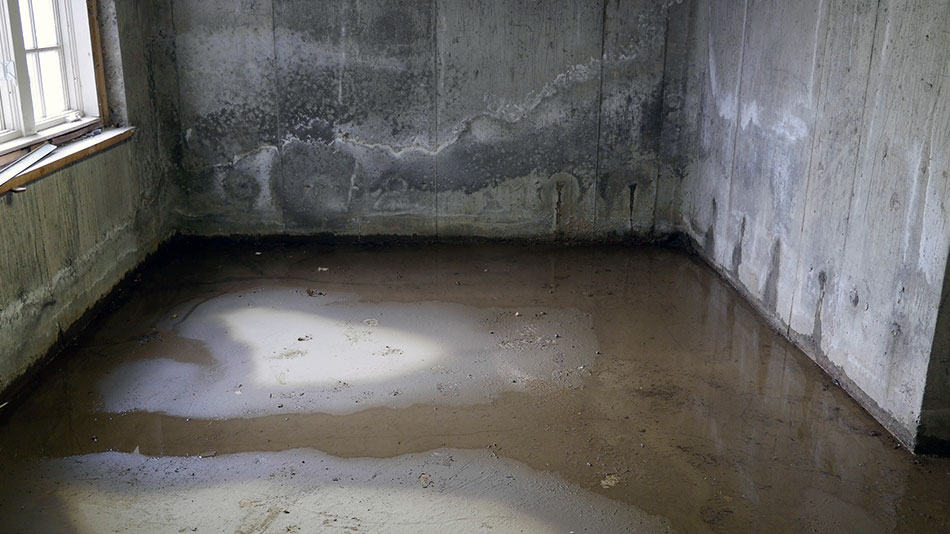
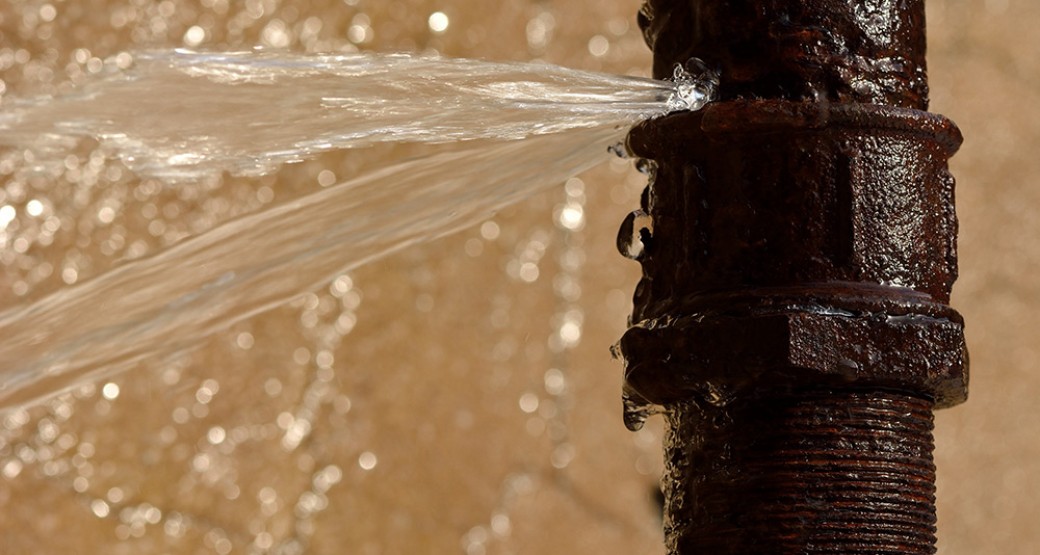
Water leaks and moisture issues can cause significant damage to residential properties, leading to expensive repairs and potential health hazards. As technology advances, remote water monitoring for homes has become a practical and effective way to protect your property. These systems allow homeowners to detect leaks, monitor water usage, and receive instant alerts—all without being physically present. Whether you want to prevent costly surprises or simply gain peace of mind, understanding how these monitoring solutions work can help you make informed decisions for your household.
In this article, we’ll explore the key features of modern water monitoring systems, how to choose the right setup, and best practices for installation and maintenance. For those interested in broader leak prevention strategies, our guide on how to install a water shut-off valve offers additional insights.
Understanding Remote Water Monitoring for Homes
At its core, remote water monitoring for homes refers to the use of connected sensors and smart devices to track water flow, detect leaks, and monitor humidity or moisture levels in real time. These systems typically connect to your home Wi-Fi or cellular network, sending notifications to your smartphone or computer when unusual activity is detected.
The main components of these solutions include:
- Leak detectors: Placed near appliances, pipes, or in basements to sense water presence.
- Smart shut-off valves: Automatically stop water flow if a leak is detected.
- Water usage monitors: Track daily consumption and identify abnormal patterns.
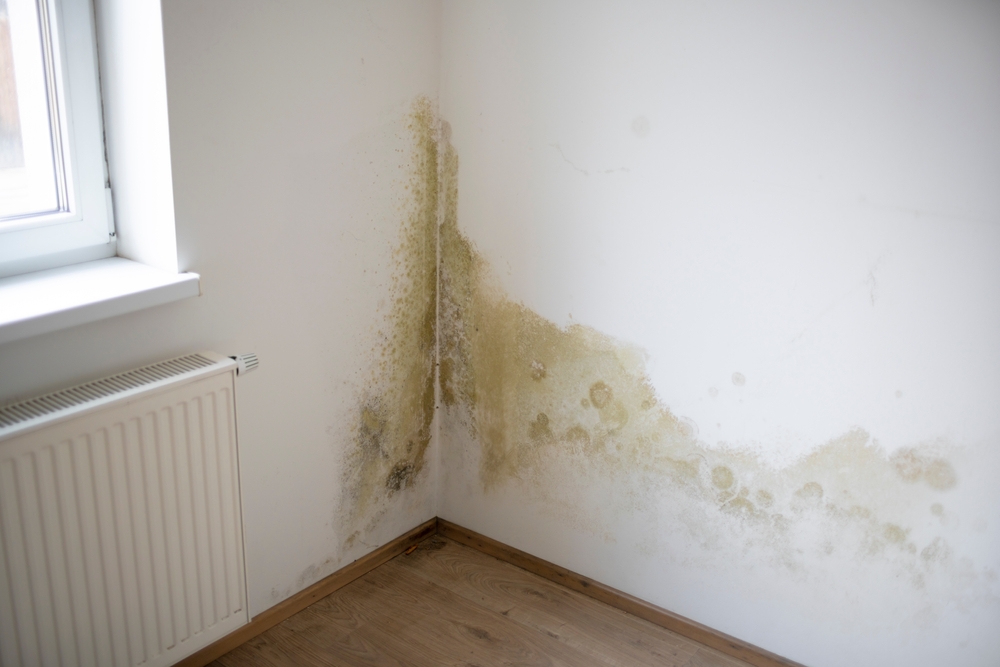
- Humidity and temperature sensors: Alert you to conditions that could lead to mold or freezing pipes.
By integrating these elements, homeowners can proactively address issues before they escalate, reducing the risk of extensive water damage.
Benefits of Smart Water Monitoring Systems
Investing in a remote monitoring setup offers several advantages beyond simple leak detection. Here are some of the key benefits:
- Early detection: Receive instant alerts about leaks, allowing for quick action and minimal damage.
- Remote access: Monitor your property from anywhere, ideal for vacation homes or frequent travelers.
- Water conservation: Identify excessive usage or inefficiencies, helping you save on utility bills.
- Insurance incentives: Some providers offer discounts for homes equipped with smart leak detection.
- Peace of mind: Reduce anxiety about potential water issues, especially during extended absences.
For those looking to further enhance their home’s protection, consider reading about replacing old hoses to prevent water damage as part of a comprehensive maintenance plan.
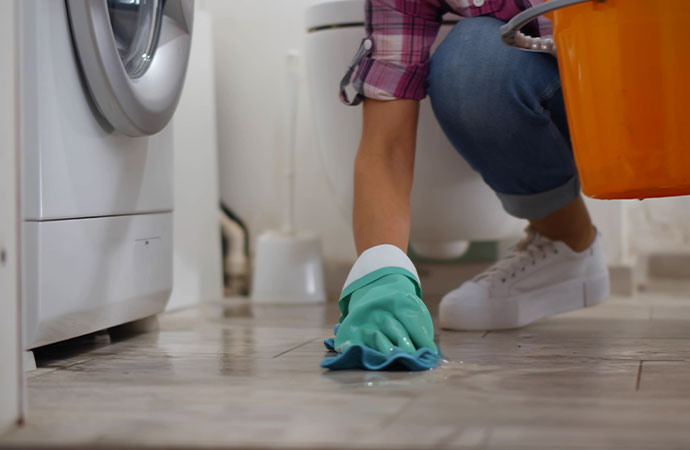
Choosing the Right Water Monitoring Solution
Selecting the best system for your needs depends on several factors, including the size of your home, the age of your plumbing, and your budget. Here are some tips to guide your decision:
- Assess risk areas: Identify places most prone to leaks, such as basements, laundry rooms, and under sinks. For detailed advice, see our article on how to use leak detectors near appliances.
- Decide on features: Some systems offer only leak detection, while others include automatic shut-off, water usage analytics, and integration with smart home platforms.
- Consider connectivity: Wi-Fi-based systems are common, but cellular options are available for locations with unreliable internet.
- Ease of installation: Many devices are DIY-friendly, but some may require professional setup, especially if plumbing modifications are needed.
- Budget: Costs can vary widely. Basic sensors are affordable, while comprehensive systems with multiple sensors and shut-off valves are more of an investment.
It’s also wise to check compatibility with other smart home devices for leak prevention you may already own.
Installation and Maintenance Tips
Proper installation and regular maintenance are essential for maximizing the effectiveness of your remote monitoring setup. Here’s how to get started:
- Follow manufacturer instructions: Each device may have unique requirements for placement and setup.
- Test sensors regularly: Simulate leaks to ensure alerts are working as expected.
- Replace batteries as needed: Many wireless sensors rely on batteries, so check their status periodically.
- Update software: Keep apps and firmware up to date for optimal performance and security.
- Inspect plumbing: Combine monitoring with regular checks of pipes, hoses, and fittings. Our guide on how to maintain appliance water lines provides practical steps for ongoing care.
Integrating Water Monitoring with Home Automation
Many modern water monitoring devices can be integrated with broader home automation systems. This allows you to control and monitor your home’s water status alongside other smart devices, such as thermostats, security cameras, and lighting. Integration can enable features like:
- Automated shut-off: Trigger water valves based on sensor alerts.
- Voice control: Use assistants like Alexa or Google Home to check water usage or system status.
- Unified notifications: Receive all home alerts in one app for convenience.
This level of connectivity not only simplifies management but also enhances your ability to respond quickly to potential problems.
Mitigating Water Damage and Next Steps
While technology provides powerful tools for prevention, it’s important to have a plan in place if a leak or flood does occur. Immediate action can greatly reduce the impact of water damage. For practical advice on minimizing harm, see this comprehensive guide to water mitigation strategies.
Combining proactive monitoring with regular maintenance and a clear response plan ensures your home remains protected year-round.
Frequently Asked Questions
How does remote water monitoring for homes work?
These systems use connected sensors to detect leaks, monitor water flow, and track environmental conditions. When an issue is detected, the system sends alerts to your smartphone or email, allowing you to take action even if you’re away from home.
Where should I install water leak detectors?
The most effective locations include areas near water heaters, washing machines, under sinks, behind toilets, and in basements. Placing sensors in high-risk zones increases the chances of early detection.
Can remote monitoring help reduce water bills?
Yes, by tracking usage and identifying leaks or inefficiencies, these systems can help you conserve water and lower your utility costs over time.
Is professional installation required?
Many modern systems are designed for DIY installation, but some setups—especially those involving smart shut-off valves—may require a plumber or technician for proper integration.