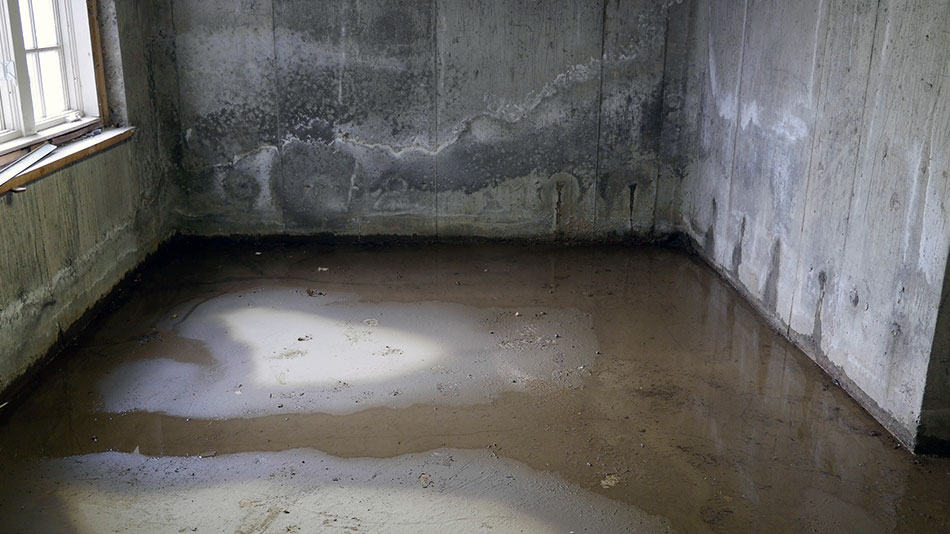
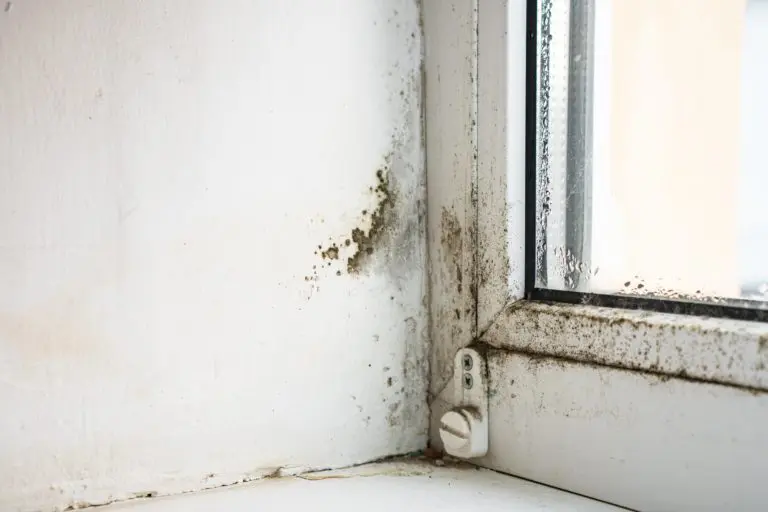
Water damage is one of the most common and costly issues homeowners face. Often, the source is not a catastrophic flood but something as simple as a worn-out hose behind an appliance. Over time, hoses connected to washing machines, dishwashers, refrigerators, and other fixtures can deteriorate, crack, or burst, leading to leaks that may go unnoticed until significant harm is done. Replacing old hoses to prevent water damage is a proactive step that can save you from expensive repairs, mold growth, and insurance headaches.
This guide will walk you through why hose replacement matters, how to spot warning signs, and the steps to change them out safely. We’ll also share tips for ongoing maintenance and link to related resources, such as a detailed roof inspection checklist, to help you keep your entire home protected from moisture issues.
Why Hose Replacement Is Critical for Water Damage Prevention
Many household water leaks originate from aging or faulty hoses. These flexible connectors are found in several locations, including:
- Washing machines
- Dishwashers
- Refrigerators with water dispensers or ice makers
- Toilets and sinks
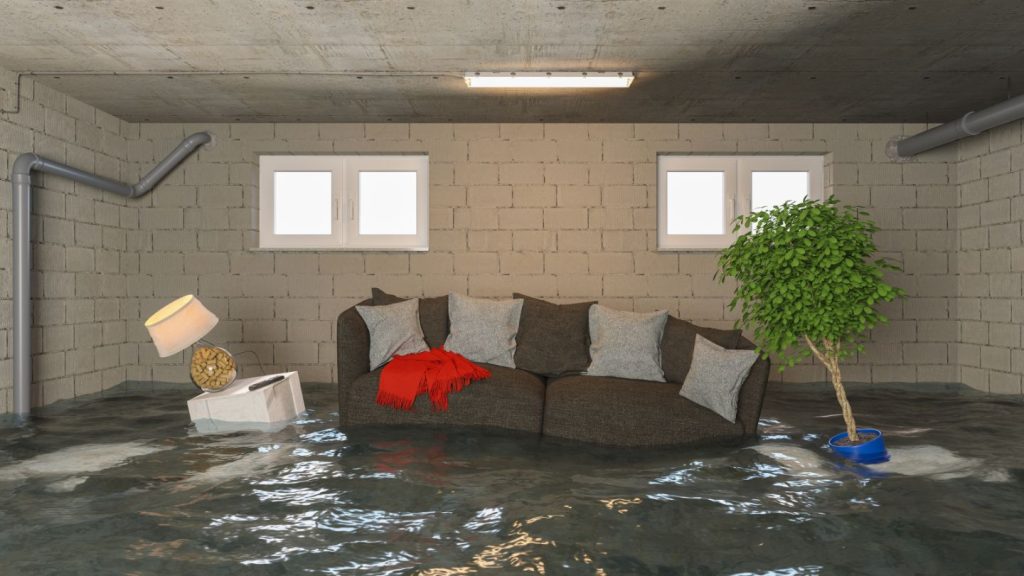
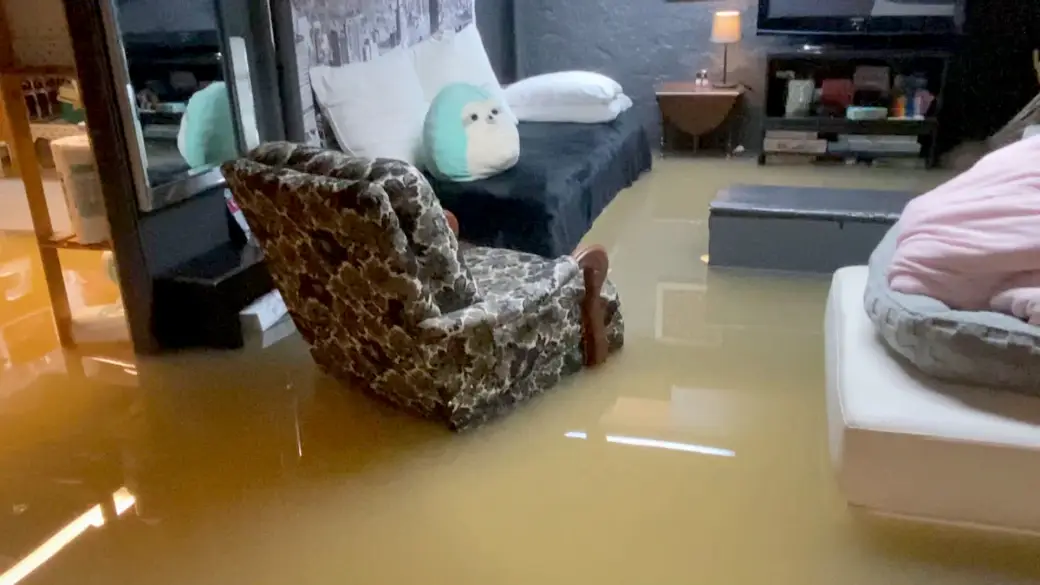
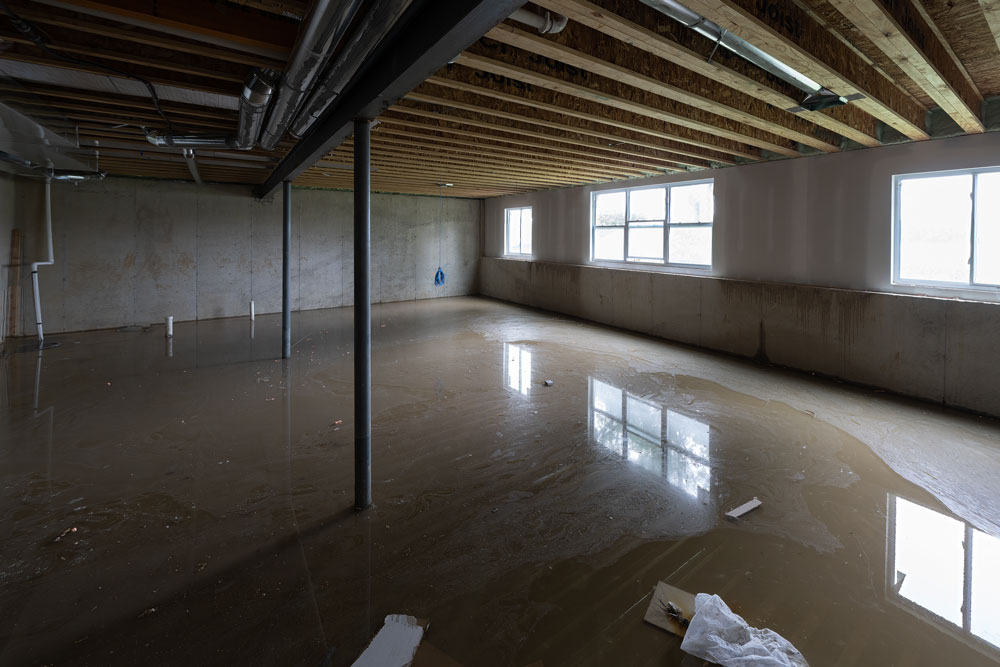
As hoses age, the materials can break down due to water pressure, temperature fluctuations, or simple wear and tear. Even a small drip can cause hidden damage behind walls or under floors, leading to rot, mold, and structural issues. In severe cases, a burst hose can release dozens of gallons of water in minutes, flooding rooms and damaging personal property.
By making hose replacement part of your home maintenance routine, you reduce the risk of unexpected leaks and the resulting water damage. This simple task is far less expensive and disruptive than repairing soaked drywall, warped flooring, or ruined furniture.
Signs That Hoses Need to Be Replaced
Knowing when to replace hoses is just as important as the act itself. Here are some key indicators that it’s time for an upgrade:
- Visible cracks or bulges: Any sign of wear, swelling, or splitting means the hose is at risk of failure.
- Rust or corrosion on fittings: Metal ends that show rust or mineral buildup can leak or break.
- Stiffness or brittleness: Hoses that feel hard or inflexible are more likely to crack under pressure.
- Leaks or drips: Even a small amount of moisture around the hose connection is a warning sign.
- Age: Most manufacturers recommend replacing rubber hoses every 3–5 years, even if they appear intact.
Regularly inspecting hoses behind appliances and fixtures can help you catch problems early. If you notice any of these issues, act quickly to avoid water damage.
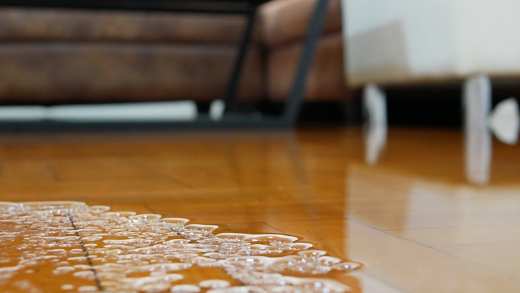
Step-by-Step Guide to Replacing Appliance Hoses
Tackling hose replacement is a straightforward DIY project for most homeowners. Here’s how to do it safely and effectively:
- Turn off the water supply. Locate the shutoff valve for the appliance or fixture and close it to prevent leaks while you work.
- Unplug the appliance. For safety, disconnect any electrical appliances before moving or working behind them.
- Move the appliance carefully. Gently pull the appliance away from the wall to access the hoses. Use caution to avoid damaging flooring or straining connections.
- Disconnect the old hose. Use pliers if necessary to loosen fittings. Have a towel or bucket ready to catch any residual water.
- Inspect the connections. Check for rust, corrosion, or debris on the water supply valve and appliance inlet. Clean as needed.
- Install the new hose. Attach one end to the water supply and the other to the appliance, tightening by hand and then snugging with pliers. Avoid overtightening, which can damage threads.
- Turn on the water and check for leaks. Open the valve slowly and watch for any drips at the connections.
- Return the appliance to its place. Push it back gently, ensuring the hose is not kinked or pinched.
For added peace of mind, consider upgrading to braided stainless steel hoses, which are more durable than standard rubber versions.
Additional Tips for Preventing Water Damage
Swapping out old hoses is just one part of a comprehensive water protection strategy. Here are more ways to safeguard your property:
- Install leak detectors: Devices placed near appliances or in basements can alert you to leaks before they cause major damage. For example, you can buy a pipe leak detector or shop for a toilet leak detector to monitor high-risk areas.
- Regular inspections: Make it a habit to check hoses and plumbing connections at least twice a year.
- Know where your main shutoff valve is: In case of a major leak, shutting off the water quickly can minimize damage.
- Maintain gutters and drainage: Keeping gutters clean and ensuring proper drainage around your home prevents water from pooling near the foundation. For more details, see our guide on how to prevent water damage from clogged gutters.
- Check roof and flashing: Leaks can also start from above. Review our roof flashing inspection tips to keep your home watertight.
For a broader overview of home protection, you might also find value in this comprehensive guide to preventing water damage from industry experts.
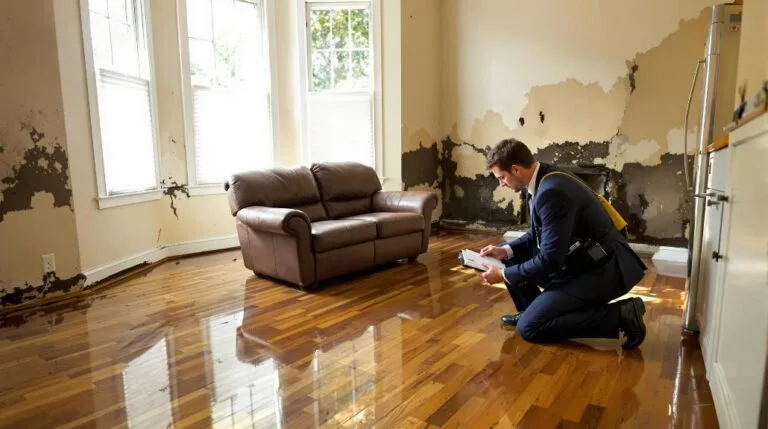
How Often Should You Replace Hoses to Avoid Leaks?
The recommended frequency for changing hoses varies by material and usage, but a good rule of thumb is:
- Rubber hoses: Replace every 3–5 years, even if no visible damage is present.
- Braided stainless steel hoses: These can last up to 10 years, but should still be checked annually for signs of wear.
- Toilet and sink supply lines: Inspect every year and replace if you see corrosion or leaks.
Mark your calendar or set reminders to check hoses regularly. If you’re unsure about their age, it’s safer to replace them sooner rather than later.
Frequently Asked Questions
What are the most common appliances that cause water leaks due to old hoses?
Washing machines, dishwashers, and refrigerators with water dispensers or ice makers are the leading culprits. Toilets and sinks can also leak if their supply lines are worn or damaged.
Are stainless steel braided hoses better than rubber hoses?
Yes, braided stainless steel hoses are more resistant to bursting and last longer than standard rubber hoses. They are a worthwhile upgrade for high-risk appliances.
Can I replace hoses myself, or should I hire a plumber?
Most homeowners can replace appliance hoses with basic tools and careful attention to instructions. However, if you encounter rusted fittings, complex plumbing, or are unsure about the process, hiring a professional plumber is a safe choice.
How can I tell if a hose is about to fail?
Warning signs include visible cracks, bulges, leaks, rust on fittings, or hoses that feel brittle. Regular inspection is key to catching these issues before they cause water damage.
Conclusion
Taking the time to replace aging hoses is a simple yet highly effective way to protect your home from water-related disasters. By staying vigilant, performing regular inspections, and upgrading to more durable materials, you can prevent costly repairs and maintain a safe, dry living environment. For more tips on keeping your property secure, explore our resources on maintaining exterior drainage and other essential home maintenance practices.