
Creating a secure space within your residence is a practical step toward protecting your loved ones during emergencies. Safe room planning at home involves more than just choosing a sturdy door—it requires thoughtful design, integration with modern security technology, and careful consideration of your family’s unique needs. Whether you’re concerned about natural disasters, home intrusions, or other threats, a well-designed refuge can provide peace of mind and a reliable line of defense.
This guide explores the essentials of designing a residential safe room, from selecting the right location and materials to incorporating smart security features. By understanding the options and best practices, you can create a space that’s both comfortable and highly protective. For those interested in advanced security solutions, exploring intelligent home security systems can further enhance your overall safety strategy.
Why Every Home Should Have a Secure Sanctuary
Unpredictable events such as severe storms, break-ins, or even neighborhood disturbances highlight the importance of having a dedicated safe space. A well-constructed room can shield your family from physical threats, provide a communication hub during emergencies, and store essential supplies. The process of safe room planning at home is about anticipating risks and ensuring that everyone knows where to go and what to do if danger arises.
Modern safe rooms are not just for high-risk areas or luxury homes. With advances in building materials and home automation, creating a fortified space is now accessible for a wide range of households. If you’re interested in monitoring your property in real time, consider reading about real-time home monitoring to complement your safe room setup.
Key Considerations for Effective Safe Room Design
When planning a protective space, several factors must be addressed to ensure it meets your family’s needs and stands up to various threats. Here are the most important elements to consider:
- Location: Choose an interior room on the lowest floor, away from exterior walls and windows. Basements, large closets, or reinforced bathrooms are common choices.
- Structural Reinforcement: Use reinforced concrete, steel, or heavy-gauge metal panels for walls, ceilings, and doors. The goal is to withstand forced entry, flying debris, or structural collapse.
- Accessibility: The room should be easy to reach quickly from all parts of the house, especially for children or elderly family members.
- Ventilation and Communication: Install independent ventilation and communication systems. Battery-powered fans and a dedicated cell phone or landline are recommended.
- Supplies: Stock the room with water, non-perishable food, first-aid kits, flashlights, and important documents.
Integrating Smart Security Systems
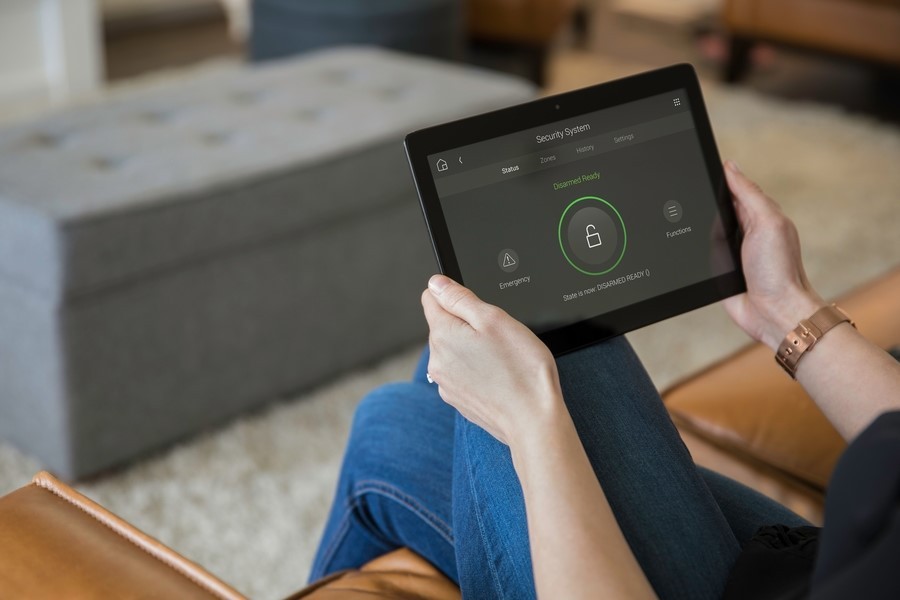
Modern technology can significantly enhance the effectiveness of your safe room. Integrating intelligent home security systems allows you to monitor threats, control access, and communicate with authorities from within your sanctuary. Features to consider include:
- Remote door locks and surveillance cameras
- Alarm systems with panic buttons
- Smart lighting and power backup solutions
- Energy monitoring to ensure essential devices remain operational
Choosing the Right Location for Your Family Refuge
The placement of your secure room is a critical decision. Ideally, it should be centrally located and easily accessible from bedrooms and main living areas. Avoid rooms with exterior walls or large windows, as these are more vulnerable to break-ins and weather-related damage. If your home has a basement, this can be an excellent spot due to its natural protection against storms and intruders.
For homes without basements, consider reinforcing an interior closet or bathroom. The key is to minimize exposure to outside threats while ensuring that all family members can reach the room quickly. If you’re looking for more tips on proactive home protection, the proactive home security tips from security experts offer valuable insights.
Essential Features for a Reliable Safe Room
To maximize the effectiveness of your safe space, focus on these must-have features:
- Reinforced Door: Install a solid core or steel door with heavy-duty deadbolts and hinges. Consider adding a peephole or camera for visibility.
- Secure Walls and Ceiling: Reinforce with steel sheeting or concrete board to resist forced entry and debris.
- Emergency Supplies: Keep a stocked kit with water, food, medications, and basic tools. Rotate supplies regularly to ensure freshness.
- Backup Power: Use battery packs or a small generator to keep lights and communication devices running during outages.
- Communication Tools: A dedicated cell phone, two-way radio, or landline can help you contact emergency services if needed.
Integrating Safe Room Planning with Whole-Home Security
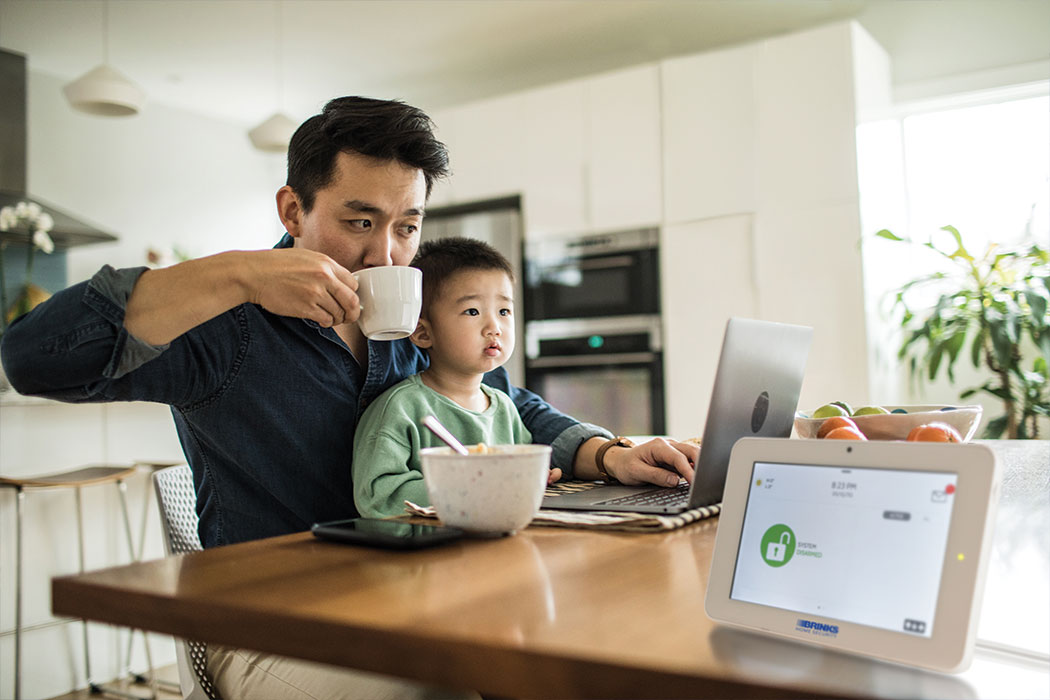
While a fortified room is a critical component, it should be part of a broader security strategy. Combining your safe space with real-time home monitoring and smart alarms ensures you’re alerted to threats before they reach your door. These systems can automatically lock down entry points, trigger alarms, and even notify authorities, giving your family extra time to reach safety.
Energy management tools, such as smart monitors, help keep your safe room operational during power outages. By monitoring circuits and battery levels, you can ensure that essential devices remain powered when you need them most.
Maintaining and Practicing Your Emergency Plan
Regularly review your emergency procedures with all household members. Conduct drills to ensure everyone knows how to reach the safe room quickly and understands what supplies are available. Update your emergency kit and check communication devices periodically. This proactive approach will help your family respond calmly and efficiently if a real emergency occurs.
Frequently Asked Questions
What Is the Best Location for a Safe Room in My House?
The ideal spot is an interior room on the lowest level of your home, away from exterior walls and windows. Basements, large closets, or reinforced bathrooms are commonly used. The goal is to minimize exposure to outside threats and ensure quick access for all family members.
How Can I Make My Safe Room More Secure?
Use reinforced materials like steel or concrete for walls and doors, install a heavy-duty deadbolt, and consider adding surveillance cameras or smart locks. Stock the room with emergency supplies and ensure you have a reliable way to communicate with authorities.
Should My Safe Room Have Its Own Power Supply?
Yes, having backup power such as battery packs or a generator is highly recommended. This ensures that lighting, communication devices, and ventilation systems remain operational during outages or emergencies.
By following these guidelines and integrating modern technology, you can create a secure, comfortable space that protects your family in times of need. For more information on advanced residential security, explore resources on intelligent home security systems and stay proactive about your home’s safety.




