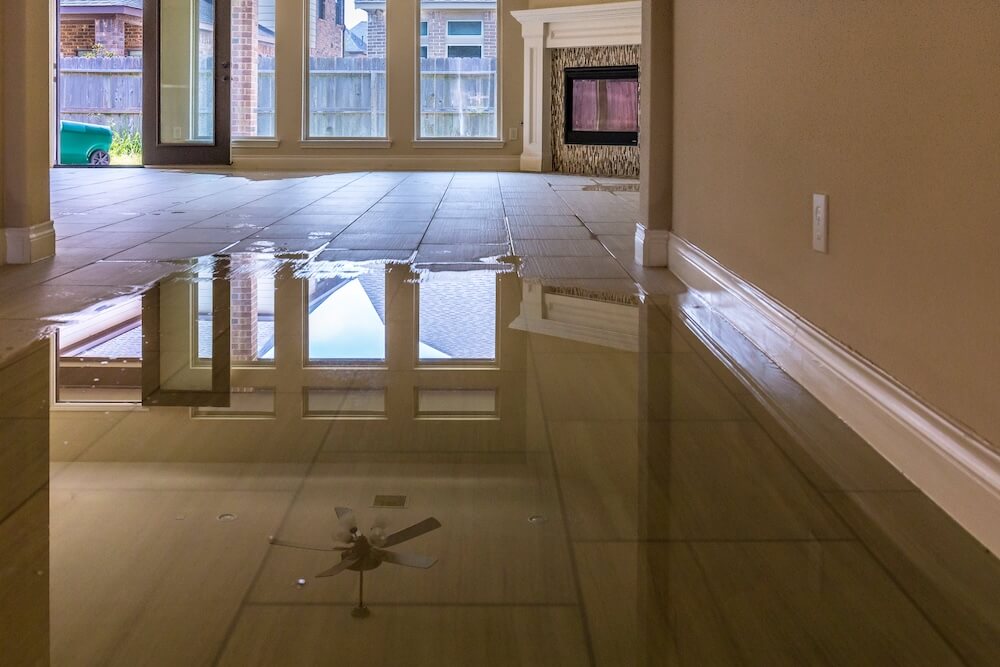
Sewer backups are a serious concern for homeowners, often leading to costly repairs, property damage, and health hazards. Understanding how to minimize the risk of wastewater entering your living space is essential for anyone looking to safeguard their property. This guide covers the most effective sewer backup prevention strategies, common causes, and practical steps you can take to keep your home dry and secure.
Whether you live in an area prone to heavy rainfall or simply want to be proactive, learning about flood protection and plumbing maintenance can make a significant difference. Alongside these tips, consider exploring smart water shutoff valves for added peace of mind and rapid response to leaks or flooding.

Understanding Why Sewer Backups Happen
Before diving into prevention, it’s important to recognize what causes wastewater to flow back into your home. The most common triggers include:
- Heavy rainfall or rapid snowmelt overwhelming municipal systems
- Clogged or damaged sewer lines due to tree roots, grease, or debris
- Old or deteriorating pipes that collapse or allow groundwater infiltration
- Improper plumbing connections or illegal sump pump hookups
Homes with basements or those located in low-lying areas are especially vulnerable. Recognizing these risk factors is the first step toward effective sewer backup prevention.
Key Strategies for Sewer Backup Prevention
There are several proven methods to reduce the risk of sewage entering your home. Implementing a combination of these strategies offers the best protection.
Install Backwater Valves and Check Valves
A backwater valve is a specialized device that allows wastewater to flow out of your home but automatically closes if it tries to flow back in. This is one of the most effective tools for stopping backups. Check valves serve a similar purpose for specific fixtures or branch lines.
- Have a licensed plumber install these devices on your main sewer line
- Test and maintain valves regularly to ensure proper operation
Maintain Your Sewer Lateral and Plumbing
Regular inspection and cleaning of your home’s sewer lateral—the pipe connecting your house to the municipal system—can prevent blockages caused by tree roots, grease, and debris. Schedule professional cleaning every few years, especially if you’ve experienced slow drains or gurgling noises.
For additional protection, review burst pipe flood prevention tips to address other plumbing vulnerabilities that can contribute to water damage.
Reduce Flood Risk Around Your Property
Managing stormwater is a crucial part of sewer backup prevention. Simple landscaping and home maintenance steps can help:
- Keep gutters and downspouts clear, directing water at least six feet from your foundation
- Grade soil away from your home to prevent pooling near basement walls
- Consider installing temporary flood protection systems during heavy storms
- Seal cracks in foundation walls and basement floors
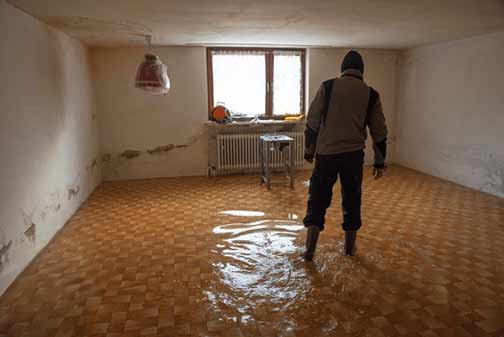
Additional Home Improvements for Wastewater Protection
Beyond plumbing upgrades, several home improvements can further reduce your risk:
- Install flood shields for doors to block water entry during storms
- Use sump pumps with battery backup to remove excess water from basements
- Consider flood vents installation to relieve hydrostatic pressure on foundation walls
- Store valuables and electronics on shelves or in waterproof containers
For more ideas, the NRDC provides seven ways to flood-proof your house that can complement your efforts to keep sewage and stormwater at bay.
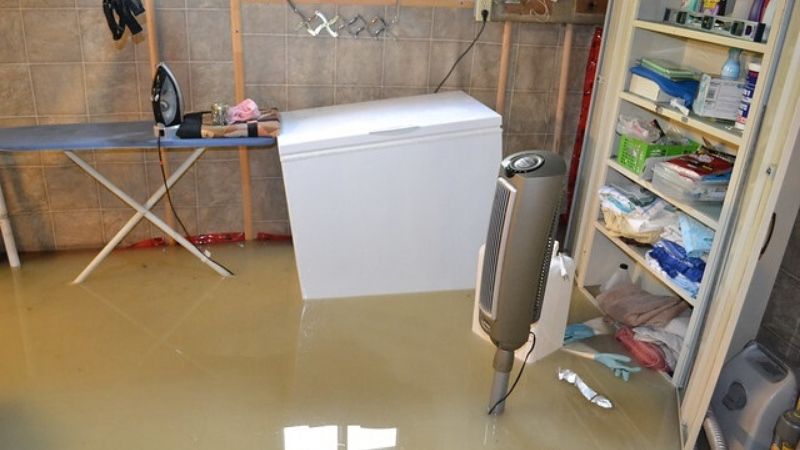
Routine Maintenance and Early Warning Systems
Consistent upkeep is key to preventing backups. Here are some essential maintenance tasks:
- Inspect and clean floor drains, especially in basements and laundry rooms
- Never pour grease, wipes, or hygiene products down toilets or drains
- Monitor for slow drainage, foul odors, or gurgling sounds—these can signal a developing blockage
- Use water leak detectors for early alerts to leaks or flooding, giving you time to act before major damage occurs
Combining these habits with smart technology and regular inspections will help you stay ahead of potential problems and avoid costly emergencies.
Frequently Asked Questions
What is the most effective way to stop sewer backups?
Installing a backwater valve on your main sewer line is widely considered the most reliable method. This device prevents wastewater from re-entering your home during heavy storms or municipal overloads. Regular maintenance and proper disposal habits are also crucial.
How can I tell if my home is at risk for a sewer backup?
Homes with basements, those in low-lying areas, or properties with older plumbing systems are more susceptible. Warning signs include frequent drain clogs, slow drainage, and water stains or odors in the basement. If you notice these issues, consult a plumber for an inspection.
Are there affordable ways to reduce the risk of backups?
Yes. Simple steps like keeping gutters clear, grading soil away from your foundation, and using water leak detectors can make a big difference. Avoid flushing inappropriate items and schedule periodic plumbing inspections to catch problems early.