Sewer backups are a serious concern for homeowners, often resulting in costly repairs, property damage, and potential health hazards. Recognizing the early signs of sewer backup in home can help you act quickly to prevent further issues. Many of these warning signals are subtle at first, but being aware of them can make a significant difference in protecting your property and maintaining a safe living environment.
In this article, we’ll outline the most common indicators of a sewer line problem, explain why they occur, and provide practical steps you can take if you notice them. We’ll also share resources and solutions, including the benefits of smart water shutoff valves that can help minimize water damage in the event of a backup.
Common Warning Signs of Sewer Line Issues
Sewer backups rarely happen without warning. Most homes will show one or more of the following symptoms when there’s a blockage or failure in the main sewer line. Identifying these signs of sewer backup in home early can help you avoid extensive damage and expensive repairs.
Multiple Drains Are Slow or Clogged
If you notice that more than one drain in your house is draining slowly or is completely clogged, it’s often a sign of a problem deeper in the plumbing system. While a single slow drain usually points to a local blockage, widespread slow drainage indicates a potential main sewer line issue.
Unusual Gurgling Sounds
Gurgling noises coming from toilets, sinks, or bathtub drains when water is running elsewhere in the house can signal trapped air in the pipes. This often happens when wastewater can’t flow freely due to a blockage, causing air bubbles to escape through the nearest opening.
Water Backing Up Into Fixtures
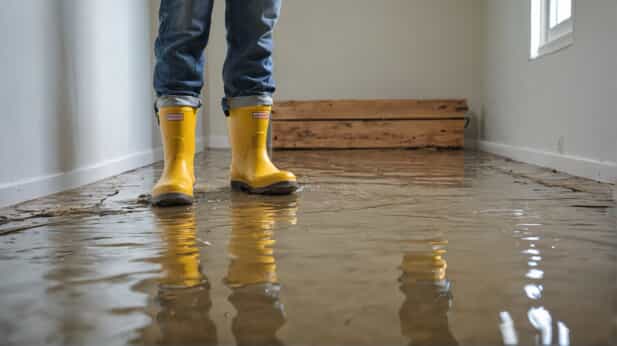
One of the most alarming signs of a sewer backup is water coming up through drains, toilets, or showers—especially after flushing or running water in another part of the house. For example, if flushing the toilet causes water to rise in the bathtub or shower, this is a clear indication of a blockage in the main sewer line.
Other Red Flags That Suggest Sewer Trouble
Foul Odors Indoors or Outdoors
Persistent sewage smells inside your home or near exterior drains are a strong indication of a problem. Sewer gas is not only unpleasant but can also be hazardous to your health. If you detect these odors, especially in the basement or yard, it’s important to investigate further.
Wet Spots or Lush Patches in the Yard
Unexplained soggy areas, standing water, or unusually green patches of grass in your yard could mean a sewer line is leaking underground. Wastewater acts as a fertilizer, causing grass to grow faster and greener in affected spots.
Frequent Toilet Overflows
Toilets that overflow regularly, even after plunging, may be experiencing pressure from a blocked sewer line. If plunging or snaking the toilet doesn’t resolve the issue, the problem is likely further down the line.
What Causes Sewer Backups?
Understanding the root causes can help you prevent future problems. Some of the most common reasons for sewer backups include:
- Tree roots growing into pipes and causing blockages
- Flushing inappropriate items such as wipes, diapers, or grease
- Collapsed or deteriorated pipes due to age or shifting soil
- Heavy rainfall or flooding overwhelming municipal systems
- Improper plumbing connections or outdated sewer lines
For more tips on protecting your home from water damage, explore our guide to burst pipe flood prevention.
Immediate Steps to Take If You Notice Sewer Backup Symptoms
If you observe any of the warning signs discussed above, it’s important to act quickly:
- Stop using water in your home to prevent further backup.
- Check for visible blockages in accessible drains and remove if possible.
- Contact a licensed plumber to inspect and clear your main sewer line.
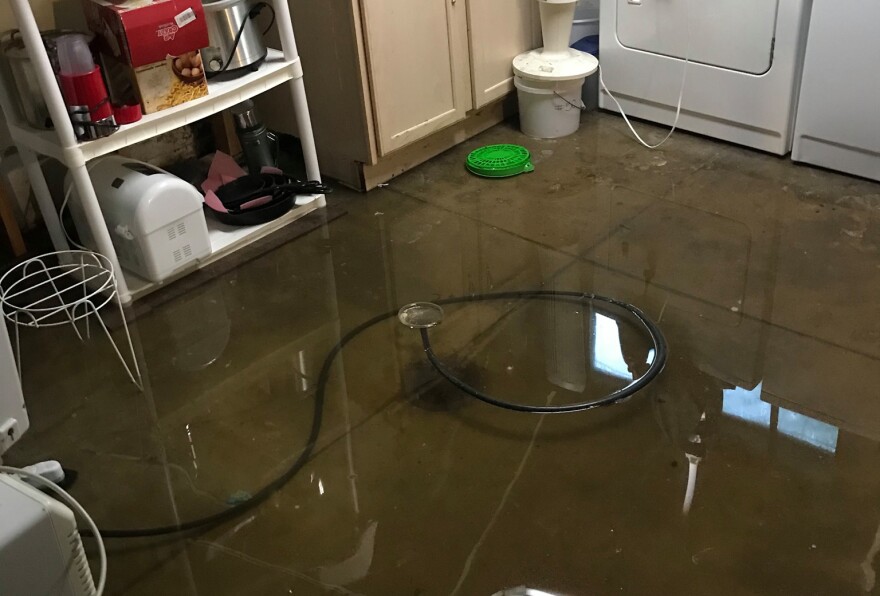
- Document any damage for insurance purposes, including photos and notes.
- Consider installing preventative devices like backwater valves or temporary flood protection systems to reduce future risk.
Using a water leak detector can also help you catch leaks and backups early, minimizing potential damage.
How to Prevent Sewer Backups and Water Damage
While some causes of sewer backups are beyond your control, there are several proactive steps you can take to reduce your risk:
- Dispose of grease, wipes, and hygiene products in the trash, not the toilet or sink.
- Schedule regular inspections and maintenance of your sewer line, especially if you have mature trees nearby.
- Install flood shields for doors and other barriers to protect entry points during heavy rain.
- Consider flood vents installation to help manage water flow around your foundation.
- Learn about methods to prevent flooding and water intrusion from trusted sources.
Investing in technology such as smart water shutoff valves can also provide peace of mind by automatically stopping water flow in the event of a detected leak or backup.
Frequently Asked Questions
What Are the Health Risks Associated With Sewer Backups?
Exposure to sewage can lead to serious health problems, including bacterial infections, respiratory issues, and skin irritation. If you suspect a backup, avoid direct contact with contaminated water and seek professional cleanup services.
Can Sewer Backups Be Prevented Completely?
While it’s not possible to eliminate all risk, regular maintenance, responsible disposal habits, and the use of preventative devices can greatly reduce the likelihood of a backup affecting your home.
Who Is Responsible for Sewer Line Repairs?
Homeowners are typically responsible for the portion of the sewer line that runs from the house to the property line or street. If the problem lies within this area, it’s up to the homeowner to arrange repairs. Issues beyond the property line are usually handled by the local municipality.
By staying alert to the early signs of sewer backup in home and taking preventative steps, you can protect your property, health, and finances from the damaging effects of sewer line problems.