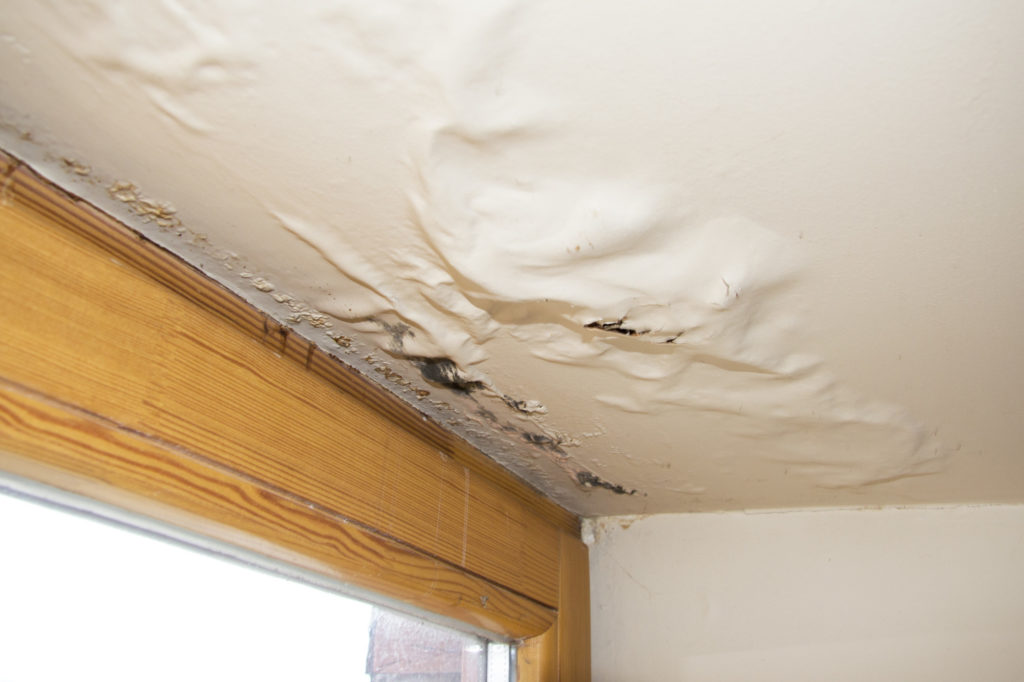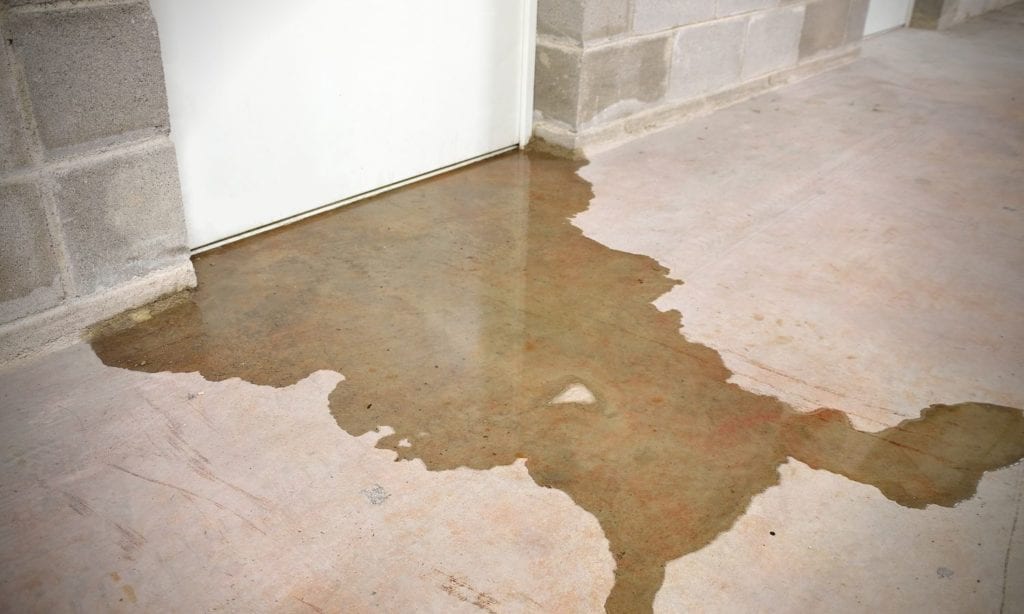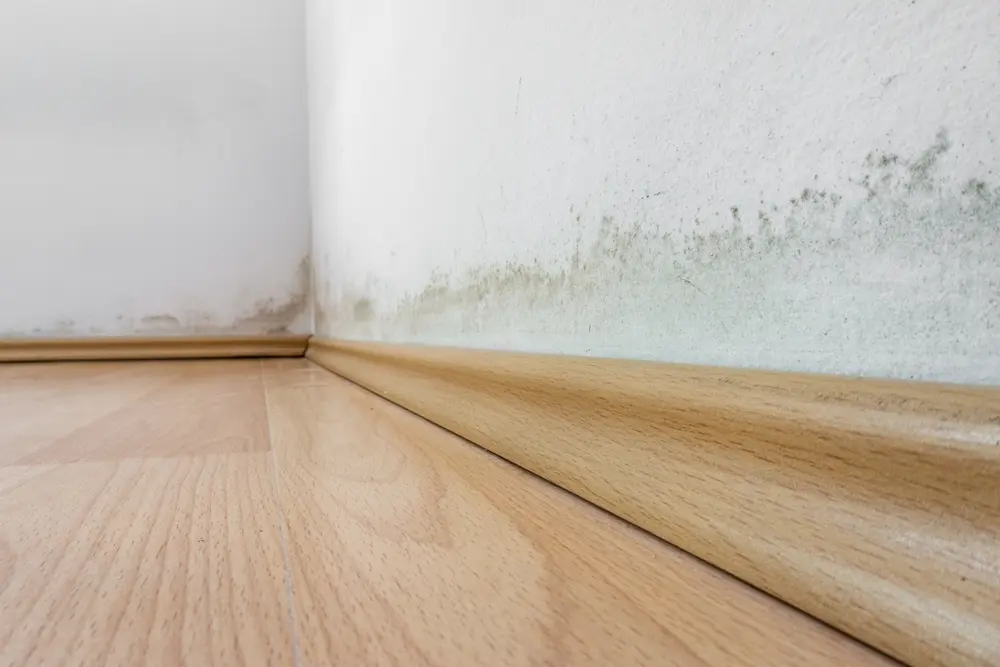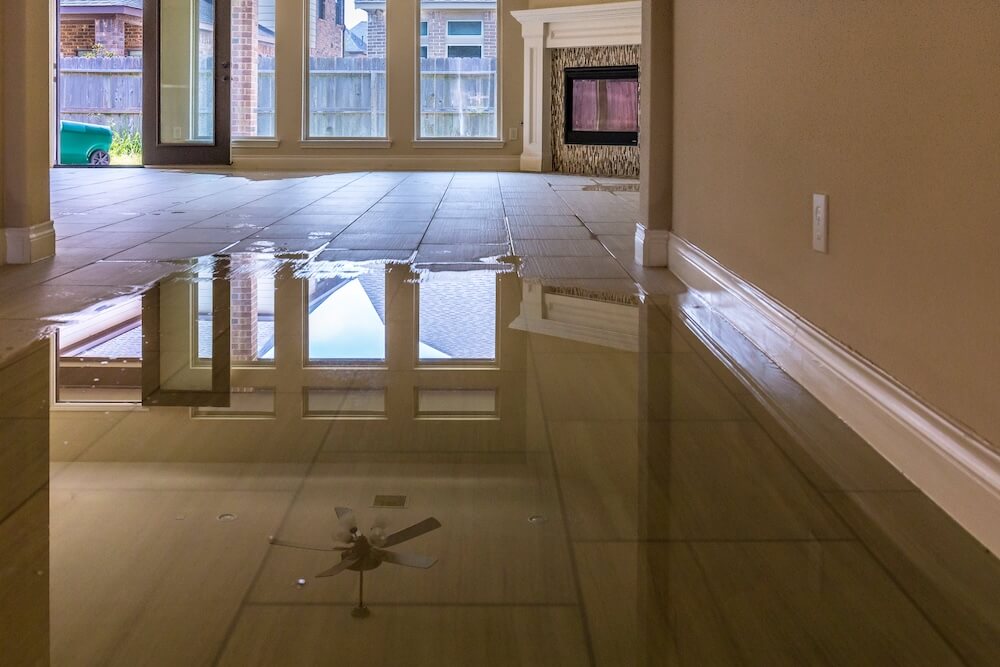
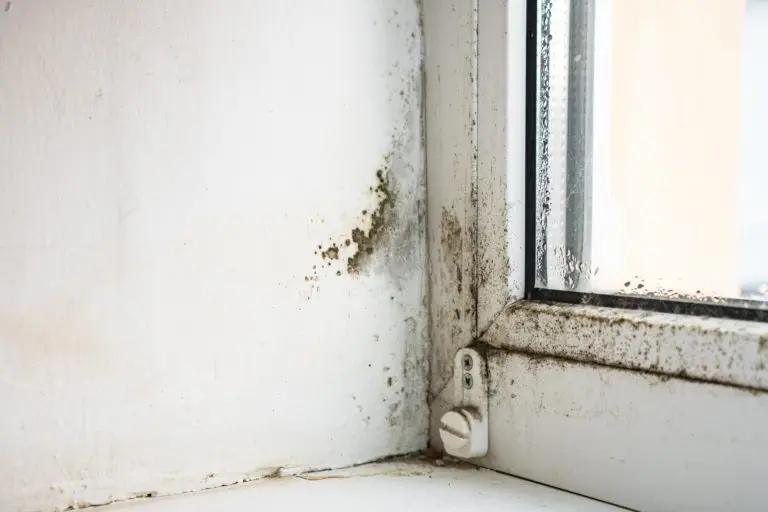
Water damage is one of the most common and costly issues homeowners face. From burst pipes to unnoticed leaks, even minor water problems can lead to expensive repairs, mold growth, and loss of valuable belongings. Fortunately, recent advances in home automation have made it easier than ever to proactively protect your property. By integrating smart home upgrades for water damage prevention, you can detect leaks early, shut off water automatically, and monitor moisture levels throughout your house.
Whether you’re a new homeowner or looking to modernize your existing property, understanding the latest technology can help you avoid the stress and expense of water-related disasters. For those interested in other home maintenance topics, you might also find our guide on how to sanitize a cast iron press useful for keeping your kitchen tools in top shape.
Why Invest in Connected Water Protection?
Traditional water detection methods often rely on visual inspections or noticing a problem after damage has occurred. By the time you spot a stain or puddle, the issue may have already spread. Smart technology offers a proactive approach, allowing you to:
- Detect leaks instantly—Sensors can alert you to even small drips before they escalate.
- Automate shut-off valves—Prevent catastrophic flooding by cutting off water supply remotely or automatically.
- Monitor humidity and moisture—Identify areas at risk for mold or rot.
- Receive real-time alerts—Stay informed via smartphone notifications, no matter where you are.
These features not only help prevent damage but can also lower insurance premiums and increase your home’s value.
Types of Smart Devices for Leak and Moisture Detection
There are several categories of smart home upgrades for water damage prevention that can be tailored to your property’s needs. Here’s a breakdown of the most effective solutions:
1. Leak Sensors and Water Alarms
These compact devices are placed near appliances, sinks, toilets, or in basements. When water is detected, they send an alert to your phone or sound an audible alarm. Many models integrate with popular smart home systems like Alexa, Google Home, or Apple HomeKit.
2. Smart Shut-Off Valves
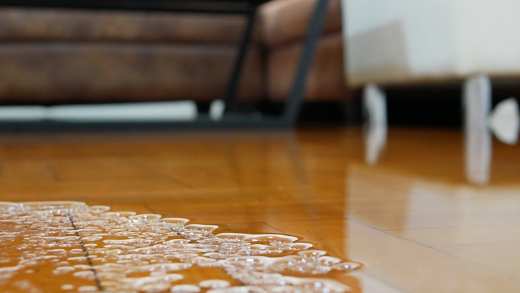
For comprehensive protection, consider installing a smart water shut-off valve on your main supply line. These devices can automatically stop the flow of water if a leak is detected, minimizing potential damage. Some models use flow sensors to identify unusual patterns, while others respond to signals from leak detectors placed around the home.
3. Connected Humidity and Moisture Monitors
Areas like basements, attics, and crawl spaces are especially vulnerable to excess moisture. Smart humidity sensors can track conditions over time and send alerts if levels rise, helping you address issues before mold or structural damage develops.
Where to Install Smart Water Protection Devices
Strategic placement is key for maximizing the effectiveness of your water damage prevention system. Focus on these high-risk areas:
- Under sinks and behind toilets
- Near water heaters and washing machines
- In basements and crawl spaces
- By sump pumps and HVAC units
- Along exterior walls prone to seepage
For multi-story homes, consider at least one sensor per floor. Many smart systems allow you to monitor all devices from a single app, making it easy to keep tabs on your entire property.
Integration With Home Automation Platforms
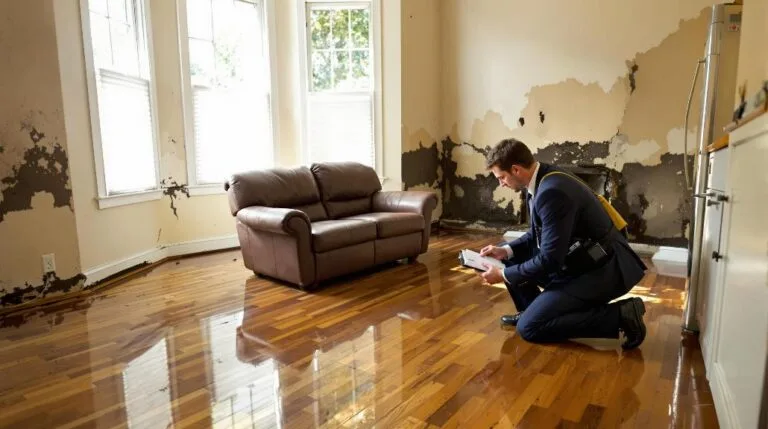
Many modern leak detectors and shut-off valves are compatible with popular smart home ecosystems. This allows you to create custom automations, such as turning on lights if a leak is detected at night or sending alerts to multiple family members. Look for devices that support Wi-Fi, Zigbee, or Z-Wave protocols for seamless integration.
Some systems also offer integration with home security providers, adding another layer of protection. For example, you can receive alerts through your security company’s app or have emergency services notified if a major leak occurs while you’re away.
Additional Steps to Prevent Water Damage
While smart home upgrades offer powerful protection, combining them with traditional maintenance is the best way to safeguard your home. Here are a few extra tips:
- Inspect hoses and pipes regularly for signs of wear or corrosion.
- Clean gutters and downspouts to prevent overflow and foundation seepage.
- Seal cracks in your foundation and around windows or doors.
- Test your sump pump annually, especially before rainy seasons.
- Know where your main water shut-off valve is located for emergencies.
For more detailed advice, check out these tips to protect your home from water damage from restoration professionals.
Choosing the Right Smart Water Protection System
Selecting the best devices depends on your home’s layout, existing plumbing, and your preferred level of automation. When shopping for smart water damage prevention solutions, consider the following:
- Compatibility—Ensure devices work with your current smart home platform.
- Power source—Some sensors are battery-operated, while others require wiring.
- Alert options—Look for models that offer both mobile notifications and audible alarms.
- Ease of installation—Many products are DIY-friendly, but some may require professional help.
- Warranty and support—Choose reputable brands with strong customer service.
Investing in a comprehensive system may cost more upfront, but it can save thousands in avoided repairs and insurance claims.
FAQ: Smart Water Damage Prevention
How do smart leak detectors work?
Smart leak detectors use sensors to identify the presence of water in areas where it shouldn’t be. When moisture is detected, the device sends an alert to your smartphone or triggers an alarm. Some advanced models can also communicate with shut-off valves to stop the flow of water automatically.
Can these systems help lower my home insurance premiums?
Many insurance companies offer discounts for homes equipped with proactive water monitoring and shut-off devices. Check with your provider to see if installing smart water protection qualifies you for reduced rates.
Are smart water protection devices difficult to install?
Most leak sensors are designed for easy DIY installation and simply need to be placed in high-risk areas. Smart shut-off valves may require professional installation, especially if they connect directly to your main water line. Always follow manufacturer instructions for best results.
What should I do if a leak is detected?
If you receive an alert from your smart system, act quickly. Shut off your water supply (manually or via a smart valve), dry the affected area, and contact a plumber if necessary. Early action can prevent further damage and reduce repair costs.
By combining technology with regular maintenance, you can significantly reduce the risk of water-related disasters in your home. Smart solutions offer peace of mind, convenience, and long-term savings for homeowners committed to protecting their investment.