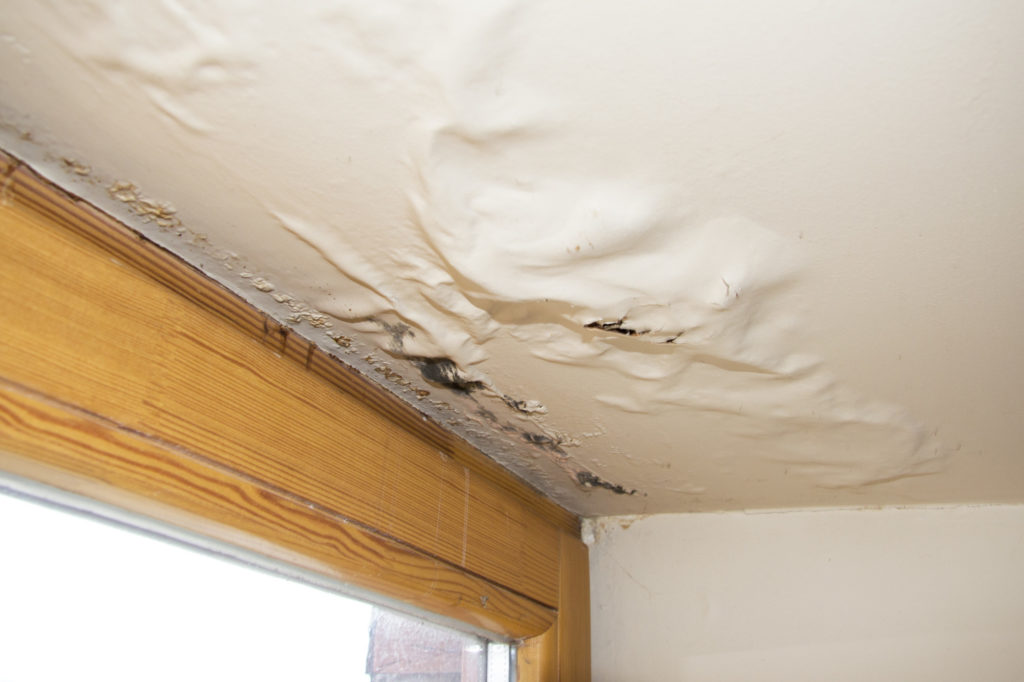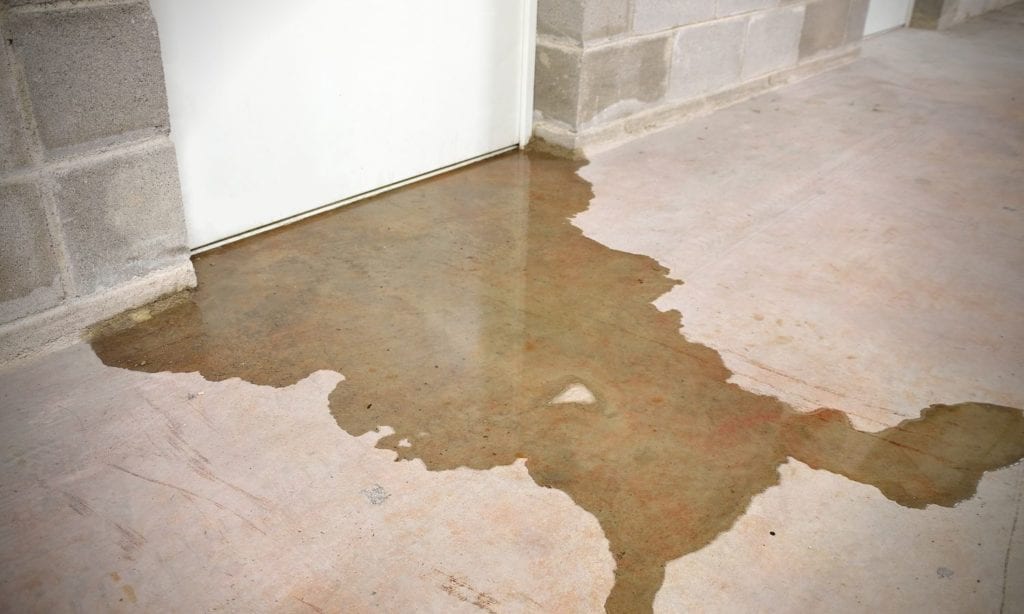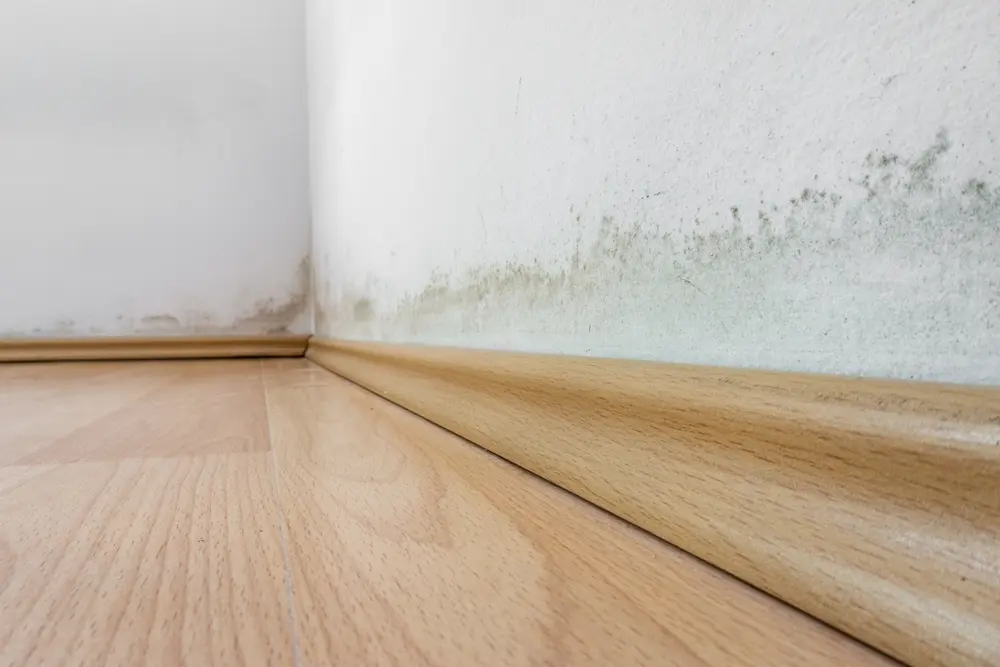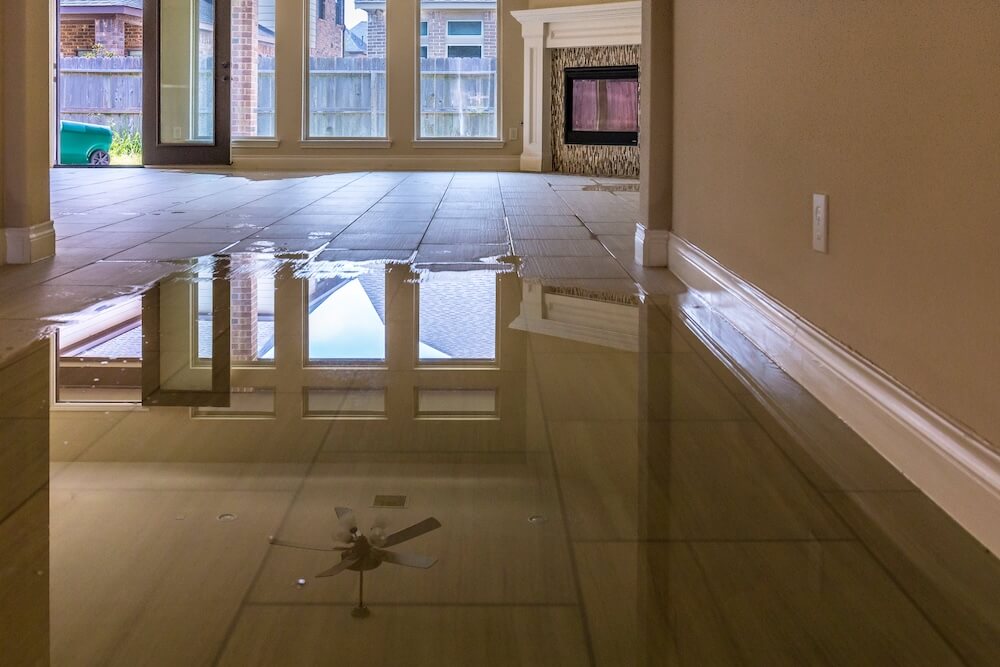
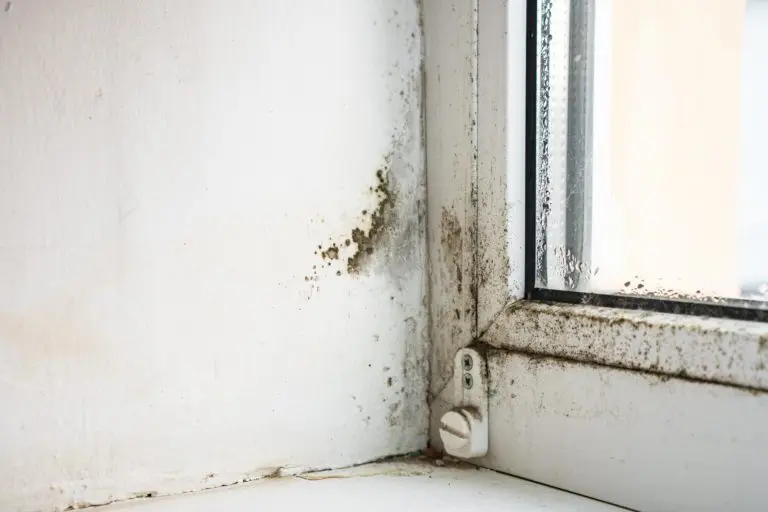
Water damage is one of the most common and costly issues homeowners face. From burst pipes to leaking appliances, the risks can lead to expensive repairs, mold growth, and even structural problems. Fortunately, modern technology offers a range of smart home upgrades for water damage prevention that can help you detect leaks early, shut off water automatically, and monitor moisture levels throughout your property.
Investing in these solutions not only protects your home but can also provide peace of mind, especially if you travel frequently or own a second property. In this article, we’ll explore the most effective smart devices, how they work, and practical tips for integrating them into your home. For those interested in related home care topics, you might also find value in our guide on how to sanitize a cast iron press.
Why Water Damage Prevention Matters
Even a small leak can cause significant harm if left undetected. Water intrusion can damage flooring, drywall, and insulation, and create an environment where mold and mildew thrive. Insurance claims for water damage are among the most frequent, and many could be avoided with early detection and intervention.
By adopting smart home technology for water safety, you can minimize the risk of costly repairs and maintain a healthier living environment. These devices offer real-time alerts, remote monitoring, and even automatic shutoff features to help you act before a minor issue becomes a major disaster.
Key Smart Devices for Leak Detection and Control
The market offers a variety of smart solutions designed to address different aspects of water risk. Here are some of the most effective options:
- Smart Leak Detectors: Placed near appliances, under sinks, or in basements, these sensors detect the presence of water and send instant alerts to your phone.
- Automatic Water Shutoff Valves: These devices connect to your main water line and can automatically stop the flow of water when a leak is detected, preventing further damage.
- Moisture and Humidity Sensors: Monitoring humidity levels helps you spot hidden leaks and prevent mold growth in vulnerable areas.
- Smart Toilet and Pipe Monitors: Specialized sensors can detect slow leaks in toilets or pipes, which are often overlooked but can waste significant amounts of water over time.
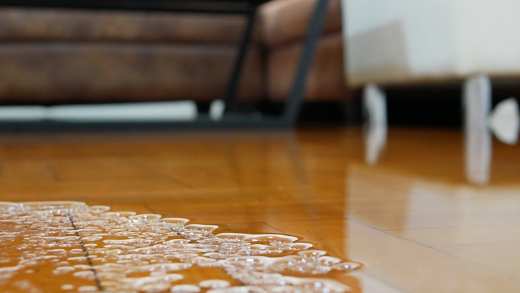
How to Choose the Right Smart Water Protection Solutions
Selecting the best devices for your property depends on your home’s layout, risk factors, and budget. Here’s what to consider:
- Identify Vulnerable Areas: Basements, laundry rooms, bathrooms, and kitchens are common sources of leaks. Focus on these spaces first.
- Integration with Existing Systems: Many smart leak detectors can connect to your home Wi-Fi and integrate with platforms like Alexa or Google Home for seamless control.
- Alert and Shutoff Capabilities: Look for devices that not only alert you but also have the ability to automatically shut off water to prevent further damage.
- Battery Life and Power Backup: Choose sensors with long battery life or backup power options to ensure continuous protection, even during outages.
For a comprehensive approach, consider combining multiple types of sensors and controls. For example, pairing a mainline shutoff valve with leak detectors in high-risk areas offers layered protection.
Installation Tips for Smart Leak Prevention Devices
Most modern leak detectors and shutoff valves are designed for easy installation. Many are DIY-friendly, requiring only basic tools and a Wi-Fi connection. However, for mainline shutoff valves, you may want to consult a plumber to ensure proper setup.
- Read the Manufacturer’s Instructions: Each device has specific requirements for placement and setup.
- Test Devices Regularly: Simulate leaks to make sure sensors and alerts are working as expected.
- Maintain Connectivity: Ensure your Wi-Fi signal reaches all sensor locations, or consider mesh networks for larger homes.
Regular maintenance and testing are key to ensuring your smart home upgrades for water damage prevention remain effective over time.
Additional Strategies for Reducing Water Damage Risk
While technology is a powerful ally, combining smart devices with traditional best practices offers the greatest protection. Here are a few extra steps to consider:
- Inspect pipes and hoses annually for signs of wear or corrosion.
- Insulate exposed pipes to prevent freezing in colder climates.
- Clean gutters and downspouts regularly to direct water away from your home’s foundation.
- Know where your main water shutoff valve is located in case of emergency.
For more expert advice on safeguarding your property, check out these tips to protect your home from water damage.
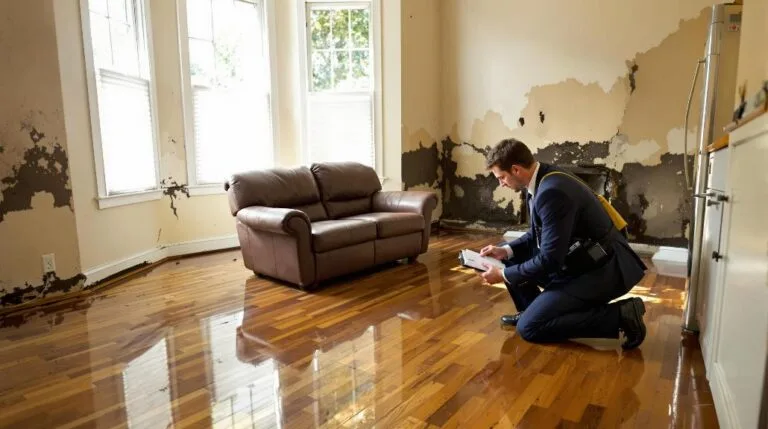
Benefits of Smart Water Monitoring for Homeowners
Adopting smart home upgrades to prevent water damage delivers several advantages:
- Early Detection: Receive instant notifications of leaks, allowing you to act before significant damage occurs.
- Remote Monitoring: Check your home’s status from anywhere, ideal for frequent travelers or landlords.
- Insurance Savings: Some insurers offer discounts for homes equipped with leak detection systems.
- Peace of Mind: Automated shutoff and continuous monitoring reduce stress and uncertainty.
As smart home technology continues to evolve, these systems are becoming more affordable and easier to install, making them accessible to a wider range of homeowners.
Frequently Asked Questions
What areas of my home should I prioritize for smart leak detectors?
Focus on locations with the highest risk of leaks: under sinks, behind toilets, near washing machines, water heaters, and in basements. These spots are most likely to experience water issues and benefit greatly from early detection.
Can smart water shutoff valves be installed without professional help?
Many shutoff valves are designed for DIY installation, but connecting to the main water line can be complex. If you’re unsure, it’s best to consult a licensed plumber to ensure proper and safe installation.
Do smart water protection devices require ongoing maintenance?
Yes, regular testing and battery replacement are important. Check device status through their apps and simulate leaks occasionally to confirm sensors and alerts are functioning as intended.
Conclusion
Upgrading your home with smart leak prevention technology is a proactive step toward safeguarding your property from one of the most common and expensive household hazards. By combining advanced sensors, automatic shutoff valves, and traditional maintenance, you can significantly reduce your risk of water-related damage and enjoy greater peace of mind.