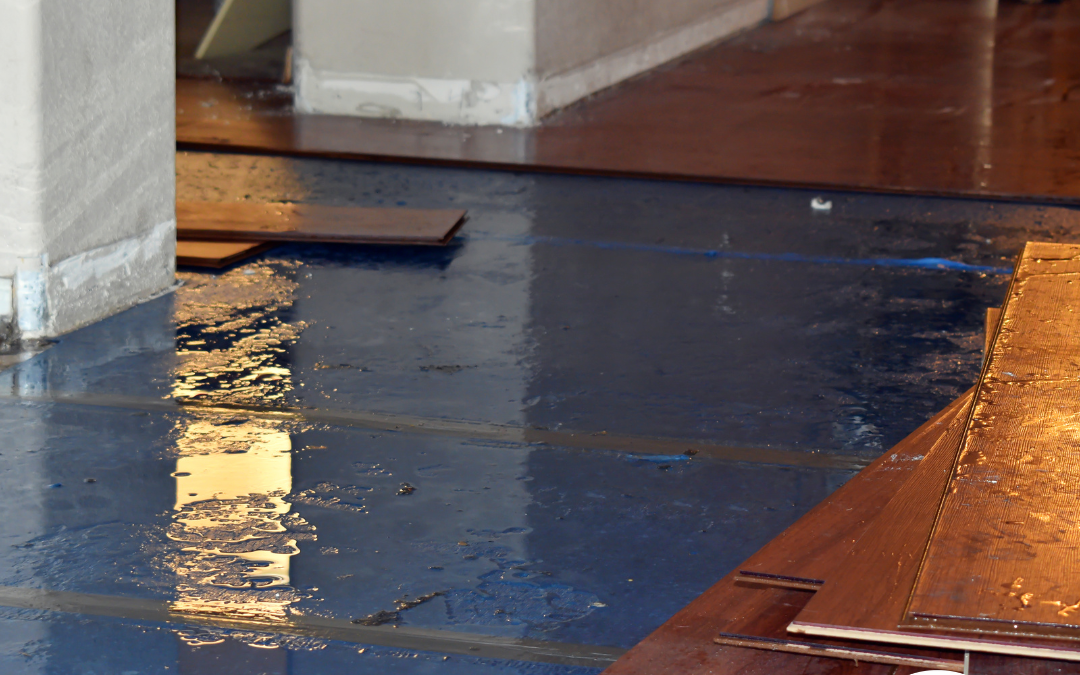
As the weather warms and snow melts, homeowners face a critical time to assess their properties for hidden problems. A thorough spring home inspection for leaks can help you spot early signs of water intrusion and prevent costly repairs down the road. From rooflines to basements, spring is the ideal season to check for moisture issues that may have developed over winter.
Addressing leaks and water damage early not only protects your investment but also ensures a healthier living environment. Moisture can lead to mold, structural decay, and even pest infestations. By following a systematic approach, you can catch problems before they escalate. If you’re interested in other practical home care topics, you might also find our guide on how to sanitize a cast iron press helpful for maintaining kitchen equipment.
Why a Seasonal Leak Check Matters
Winter can be harsh on homes, with freezing temperatures, snow, and ice placing stress on roofs, gutters, and plumbing. As temperatures rise, melting snow and spring rains can reveal vulnerabilities. Conducting a spring home inspection for leaks helps you:
- Identify water intrusion before it causes extensive damage
- Prevent mold growth and poor indoor air quality
- Protect your home’s foundation and structural integrity
- Reduce the risk of expensive repairs later in the year
Key Areas to Inspect for Water Damage
A comprehensive inspection should cover both the interior and exterior of your property. Here are the most important zones to focus on during your seasonal checkup:
Roof and Attic: The First Line of Defense
Begin your assessment at the top. Check for missing or damaged shingles, cracked flashing, and clogged gutters. In the attic, look for water stains on rafters or insulation, which often indicate a leak. Proper ventilation and insulation are also crucial to prevent condensation buildup.
Basement and Foundation: Hidden Trouble Spots
Basements are particularly vulnerable to seepage, especially after heavy spring rains. Examine walls and floors for dampness, efflorescence (white powdery residue), or musty odors. Inspect the foundation for cracks or pooling water near the perimeter. Addressing these issues early can prevent larger structural concerns.

Plumbing and Appliances: Common Sources of Leaks
Inspect all visible pipes for corrosion, condensation, or drips. Pay close attention to connections under sinks, behind toilets, and near water heaters. Appliances like washing machines, dishwashers, and refrigerators with ice makers can also develop slow leaks that go unnoticed until significant damage occurs.
Windows, Doors, and Exterior Walls
Examine window sills, door frames, and siding for signs of water intrusion. Peeling paint, warped wood, or soft drywall are red flags. Ensure caulking and weather stripping are intact to keep moisture out. On the exterior, check that soil slopes away from the foundation to prevent pooling water.
How to Spot Early Signs of Moisture Issues
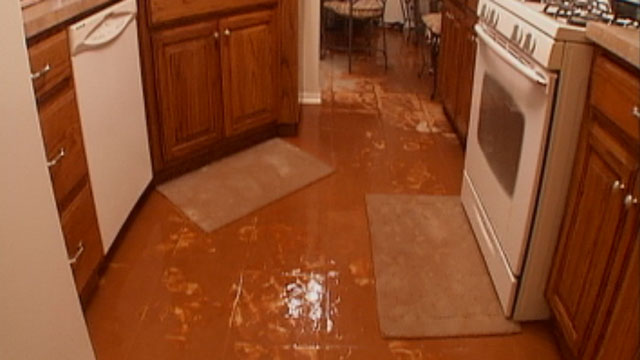
Detecting water problems early can save you from major headaches. Here are some telltale signs to look for during your inspection:
- Stains or discoloration on ceilings, walls, or floors
- Musty odors that suggest mold or mildew
- Bubbling paint or wallpaper
- Warped or buckling flooring
- Visible mold growth in corners or hidden areas
- Unexplained increases in water bills, which may indicate hidden leaks
If you notice any of these symptoms, act quickly to identify the source and address it. For more in-depth information on water damage risks and prevention, the International Association of Certified Home Inspectors’ water damage resource offers valuable insights.
Preventative Steps for a Leak-Free Home
Proactive maintenance is the best defense against water damage. Here are practical steps you can take after your inspection:
- Clean gutters and downspouts to ensure proper drainage away from your home.
- Seal cracks in the foundation and repair damaged caulking around windows and doors.
- Install or test sump pumps and backflow valves in basements.
- Consider using water leak detectors for early warning of plumbing issues.
- Maintain landscaping to direct water away from the structure.
- Schedule regular professional inspections for roofs and plumbing systems.
Taking these steps each spring can help you avoid costly repairs and protect your property’s value.
Frequently Asked Questions
What are the most common sources of leaks in spring?
The most frequent culprits include roof damage from winter storms, clogged gutters, cracked foundations, and aging plumbing. Appliances and poorly sealed windows or doors can also allow water to enter.
How can I tell if my home has hidden water damage?
Look for subtle signs such as musty smells, discoloration on walls or ceilings, warped flooring, or a sudden spike in your water bill. Using moisture meters or leak detectors can help uncover hidden problems.
How often should I perform a leak inspection?
It’s wise to conduct a thorough check every spring and after major weather events. Regular inspections help catch issues early and keep your home in top condition.
Are there smart tools to help detect leaks?
Yes, there are a variety of smart leak detectors available for pipes and toilets. These devices can alert you to leaks before they cause significant damage, offering peace of mind year-round.
Conclusion
Performing a detailed spring home inspection for leaks is a proactive way to protect your home from water-related issues. By focusing on vulnerable areas, acting on early warning signs, and taking preventative measures, you can safeguard your property and maintain a healthy living environment. For more practical home care tips, explore our other resources, such as advice on how to store corn masa for pressing.