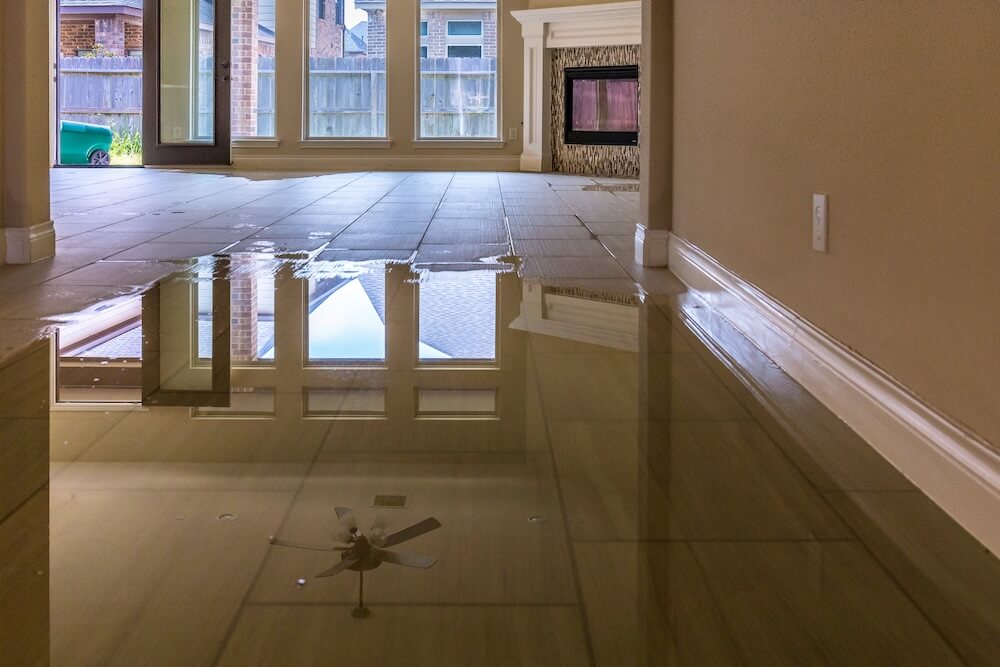
As temperatures rise and storms become more frequent, the risk of water-related issues in homes and businesses increases. Summer water damage prevention is essential for protecting property, saving money on repairs, and maintaining a healthy indoor environment. From heavy rains to plumbing failures, the warmer months bring unique challenges that require proactive measures. This guide covers practical steps to minimize risks, highlights the most vulnerable areas, and offers expert tips for keeping your property dry and secure all season long.
Before diving into specific strategies, it’s important to understand that prevention is far more cost-effective than restoration. If you’re looking to take additional steps, consider learning about how to install a water shut-off valve for added safety. This simple upgrade can help stop leaks before they become major disasters.
Understanding the Risks of Water Damage in Summer
The summer season brings a mix of weather patterns and household activities that can increase the likelihood of water intrusion. Heavy rainstorms, sudden downpours, and even high humidity can overwhelm drainage systems and expose weaknesses in your home’s waterproofing. In addition, increased use of appliances, outdoor hoses, and irrigation systems raises the risk of leaks and plumbing failures.
- Storms and Flooding: Intense rainfall can cause flash floods, especially in areas with poor drainage or outdated gutters.
- Plumbing Strain: Summer vacations and gatherings put extra pressure on pipes, toilets, and appliances.
- Humidity: High moisture levels can lead to condensation, mold growth, and hidden damage in walls and basements.
- Outdoor Water Use: Garden hoses, sprinklers, and pools may develop leaks that go unnoticed until significant damage occurs.
Top Strategies for Preventing Summer Water Damage
Effective summer water damage prevention starts with a combination of regular maintenance, smart upgrades, and vigilant monitoring. Here are the most impactful steps you can take:
1. Inspect and Maintain Gutters and Downspouts
Clean gutters and downspouts ensure that rainwater is directed away from your foundation. Clogged or damaged systems can cause water to pool near your home, leading to leaks and structural issues. Check for blockages, repair any cracks, and extend downspouts at least six feet from the house.
2. Check for Appliance and Plumbing Leaks
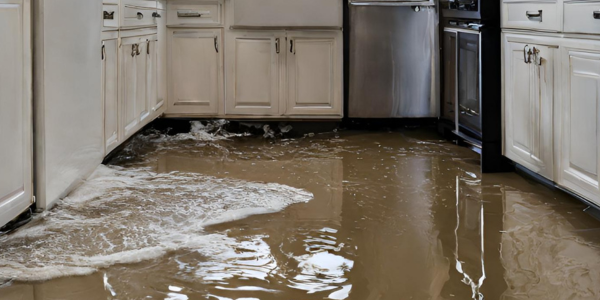
Appliances like dishwashers, washing machines, and refrigerators are common sources of leaks during the summer. Inspect hoses and connections for signs of wear, and replace them if needed. For more detailed advice, see our guide on replacing old hoses to prevent water damage.
3. Safeguard Basements and Crawl Spaces
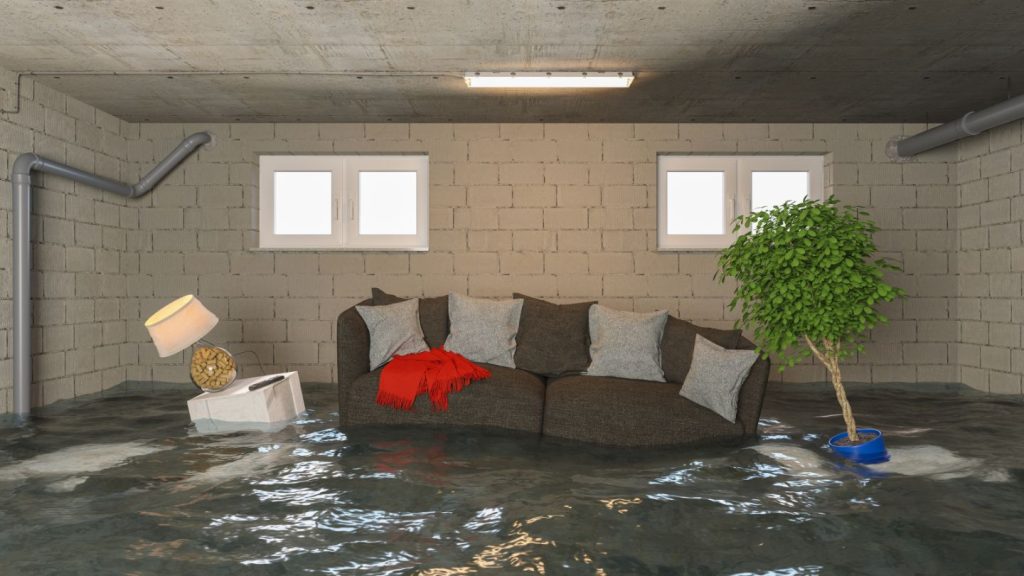
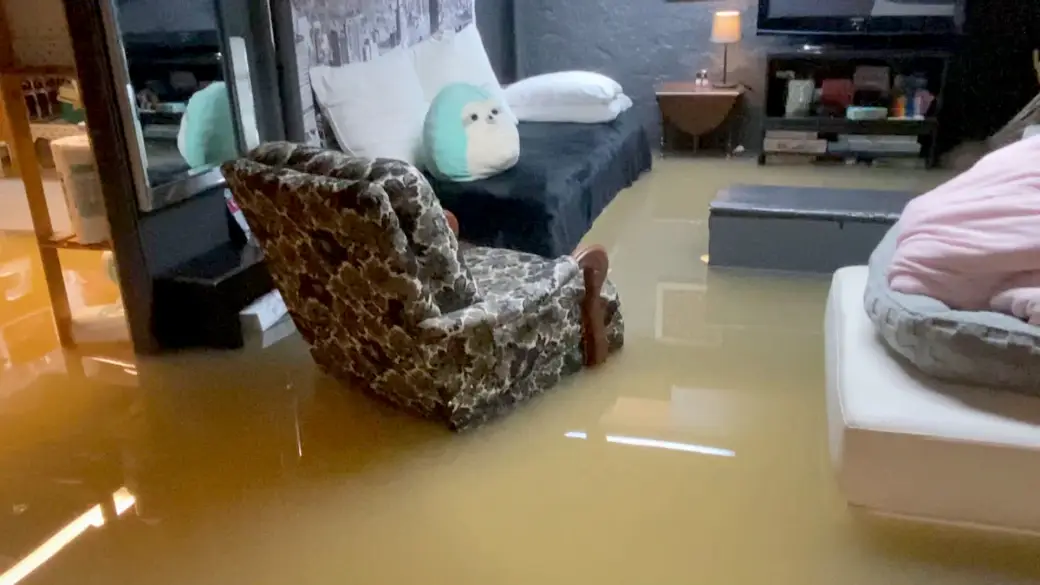
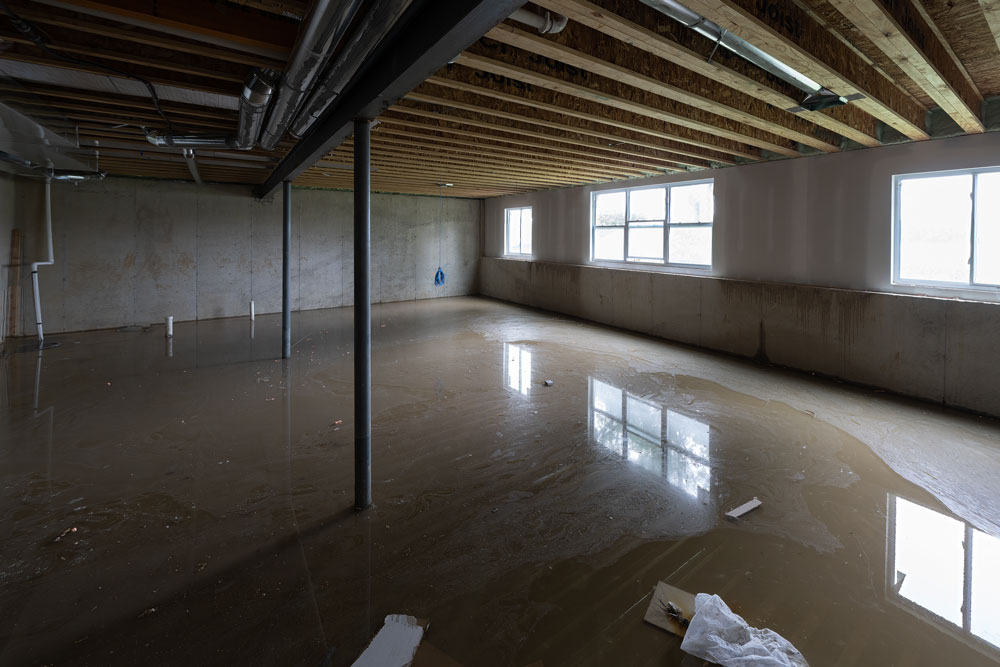
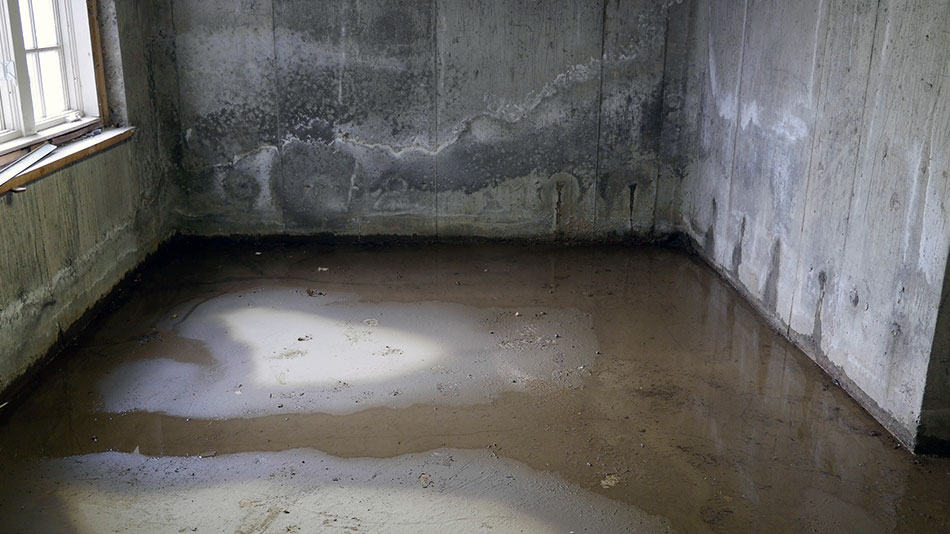
These areas are especially prone to moisture problems in the summer. Seal cracks in walls and floors, and consider installing a sump pump if your home is in a flood-prone region. Use a dehumidifier to control humidity and prevent mold growth.
4. Upgrade to Smart Leak Detection Devices
Modern technology makes summer water damage prevention easier than ever. Smart sensors can alert you to leaks in real time, allowing you to act before problems escalate. For step-by-step instructions, check out our article on how to use leak detectors near appliances. These devices are especially useful for monitoring hard-to-reach areas behind appliances or under sinks.
Essential Maintenance Tasks for the Summer Months
Routine upkeep is key to minimizing water-related risks. Here are some seasonal tasks to add to your checklist:
- Test your sump pump and backup battery before the rainy season begins.
- Inspect your roof for missing or damaged shingles and repair as needed.
- Check window and door seals for gaps that could allow water intrusion.
- Maintain landscaping to ensure proper grading away from the foundation.
- Flush out irrigation systems and repair leaks in outdoor hoses or sprinkler heads.
Smart Home Solutions for Water Risk Management
Integrating technology into your home can provide peace of mind and early warnings. Smart leak detectors, automatic shut-off valves, and real-time monitoring systems are becoming more accessible and affordable. For a comprehensive overview, see our resource on smart home devices for leak prevention.
These tools can be especially valuable if you travel during the summer or own a vacation property. Many systems can be monitored remotely, allowing you to respond quickly even if you’re away.
Expert Tips for Reducing Water Damage Risks
- Act quickly: Address leaks and moisture problems as soon as they are detected to prevent escalation.
- Document maintenance: Keep records of inspections and repairs for insurance purposes.
- Educate household members: Make sure everyone knows where the main water shut-off valve is located and how to use it.
- Stay informed: Monitor local weather alerts and be prepared to take action during storms.
For more practical advice, you can review these tips to protect your home from water damage from restoration professionals.
Frequently Asked Questions
What are the most common causes of water damage during the summer?
The leading causes include heavy rainfall, clogged gutters, leaking appliances, burst hoses, and plumbing failures. Outdoor water use and high humidity can also contribute to hidden moisture issues.
How can I tell if my home is at risk for water damage?
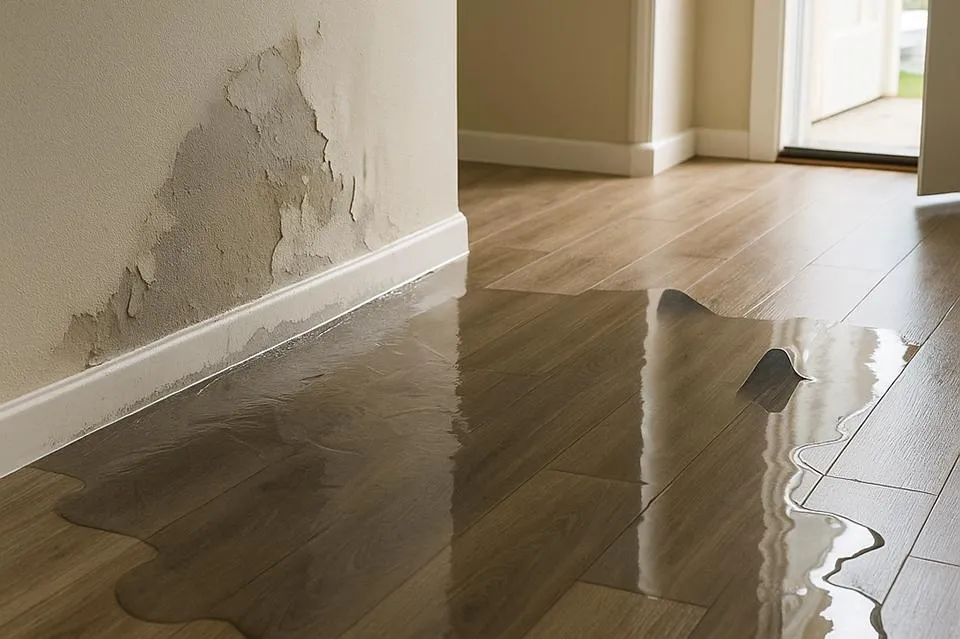
Signs of risk include water stains on ceilings or walls, musty odors, peeling paint, and visible mold. Homes with poor drainage, old plumbing, or a history of flooding are especially vulnerable. Regular inspections and the use of smart leak detectors can help identify problems early.
Are there specific maintenance tasks I should do every summer?
Yes. Clean gutters, inspect your roof, check appliance hoses, test your sump pump, and ensure your landscaping directs water away from your foundation. For appliances, see our guide on how to maintain appliance water lines safely.
Do smart leak detectors really make a difference?
Absolutely. These devices provide instant alerts when leaks are detected, allowing you to act quickly and minimize damage. Many can be integrated with home automation systems for added convenience and control.