Keeping your basement dry and protected from flooding starts with a reliable sump pump. Regular upkeep is essential for ensuring your pump works when you need it most. With the right sump pump maintenance tips, you can extend the lifespan of your equipment and avoid costly water damage. This article covers straightforward steps, practical advice, and expert recommendations to help you maintain your sump pump efficiently.
Whether you’re a homeowner new to basement care or looking to improve your current routine, these suggestions will help you prevent breakdowns and keep your home safe. If you’re interested in related home maintenance topics, you might also find value in learning how to sanitize a cast iron press between cooking sessions.
Why Routine Sump Pump Care Matters
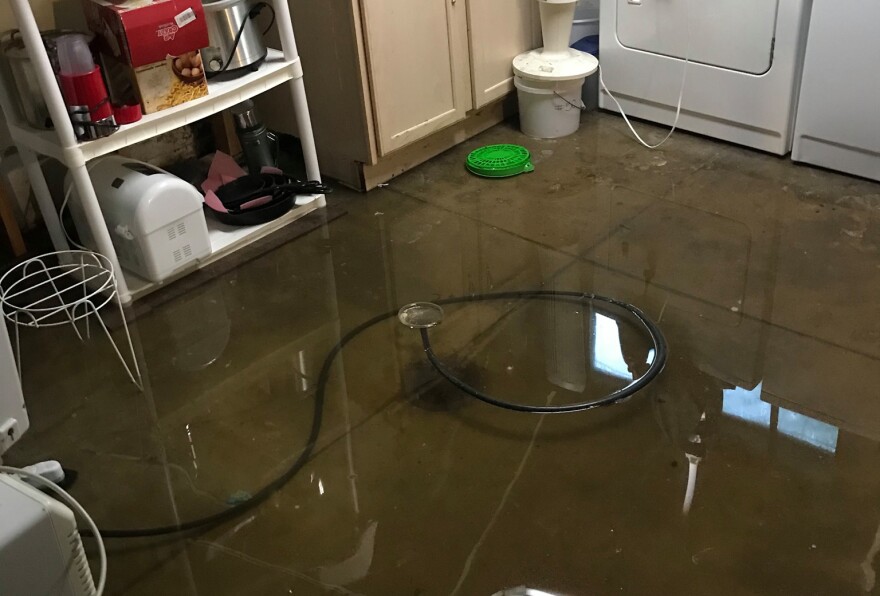
A sump pump’s primary job is to move water away from your foundation, protecting your property from flooding and moisture issues. Neglecting regular checks and cleaning can lead to clogs, mechanical failures, or even total pump breakdowns. By following a consistent maintenance schedule, you reduce the risk of unexpected malfunctions and extend the useful life of your equipment.
Essential Sump Pump Maintenance Tips for Homeowners
To keep your pump in top condition, focus on these core maintenance areas. Even if you’re not a plumbing expert, these steps are straightforward and can be performed with basic tools.
- Inspect the pump and pit regularly: Every few months, check the sump pit for debris, dirt, or gravel that could block the pump intake. Remove any obstructions to ensure smooth operation.
- Test the pump’s operation: Pour a bucket of water into the pit to trigger the float switch. The pump should activate and remove the water quickly. If it doesn’t, further inspection or repairs may be needed.
- Clean the pump and pit: Unplug the pump and remove it from the pit. Rinse off any accumulated dirt or sediment, and wipe down the pit’s interior. This prevents clogs and keeps the system running efficiently.
- Check the discharge line: Ensure the pipe that carries water away from your home is clear and not frozen or blocked. The line should direct water at least 10-20 feet from your foundation.
- Examine the power source: Make sure the pump is plugged into a working ground fault circuit interrupter (GFCI) outlet. Test the outlet regularly and consider a backup power source for outages.
- Review the float switch: The float switch activates the pump when water rises. Make sure it moves freely and isn’t hindered by debris or the pump’s position.

Preventing Common Sump Pump Problems
Many sump pump failures are preventable with a proactive approach. Here are some ways to avoid the most frequent issues:
- Install a backup system: Battery-powered or water-powered backups keep your pump running during power outages.
- Replace the pump as needed: Most units last 7–10 years. If your pump is older or showing signs of wear, consider replacing it before it fails.
- Monitor for unusual noises: Grinding, rattling, or excessive vibration can signal mechanical problems. Address these early to avoid bigger repairs.
- Use a water leak detector: Early warning devices can alert you to leaks or pump failures before major damage occurs.
Seasonal Maintenance Checklist for Sump Pumps
Different times of year bring unique challenges for basement protection. Here’s a simple seasonal checklist to keep your system ready:
- Spring: Test the pump before heavy rains begin. Clear the pit and check the discharge line for obstructions.
- Summer: Inspect for mold or mildew in the pit. Make sure the pump is free of standing water when not in use.
- Fall: Remove leaves and debris from around the discharge area. Confirm the float switch is operating smoothly.
- Winter: Ensure the discharge line is not frozen. Consider insulating exposed pipes and test the system during thaws.
Advanced Tips for Prolonging Sump Pump Life
Beyond the basics, a few extra steps can help you get the most from your sump pump:
- Schedule annual professional inspections: A plumber can spot issues you might miss and perform more thorough cleaning or repairs.
- Keep a maintenance log: Record each inspection, cleaning, and test. This helps you track the pump’s performance over time.
- Upgrade to a high-quality check valve: This prevents water from flowing back into the pit after the pump shuts off, reducing strain on the system.
- Stay informed about flood risks: Understanding your local flood risk can help you prepare and take extra precautions. For more on this, see this comprehensive guide to preventing flooding.
Frequently Asked Questions
How often should I test my sump pump?
It’s best to test your pump every three months by pouring water into the pit and ensuring it activates properly. Before heavy rain seasons, a quick check can prevent surprises.
What are signs my sump pump needs replacing?
Warning signs include frequent cycling, strange noises, visible rust, or the pump failing to turn on. If your unit is over 10 years old, consider a replacement even if it seems to work.
Can I perform sump pump maintenance myself?
Most routine tasks—like cleaning the pit, testing the float, and checking the discharge line—can be handled by homeowners. For electrical issues or major repairs, consult a professional.
How can I prevent basement flooding if my pump fails?
Installing a backup pump, using a water leak detector, and keeping gutters clear all help reduce flooding risk. For more detailed advice, explore resources on flood prevention strategies.
By following these sump pump maintenance tips and staying proactive, you can safeguard your home from water damage and ensure your pump serves you reliably for years to come.