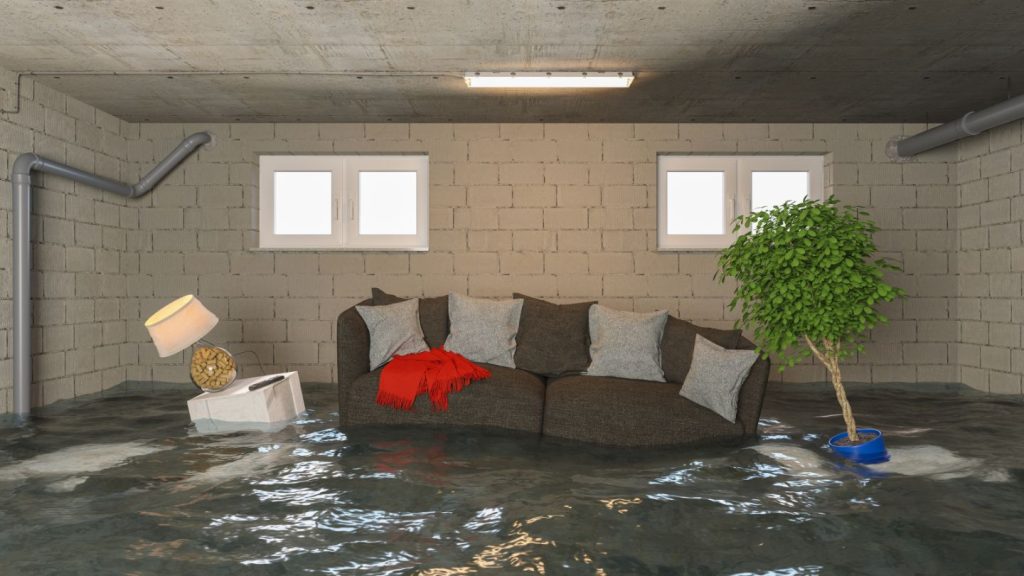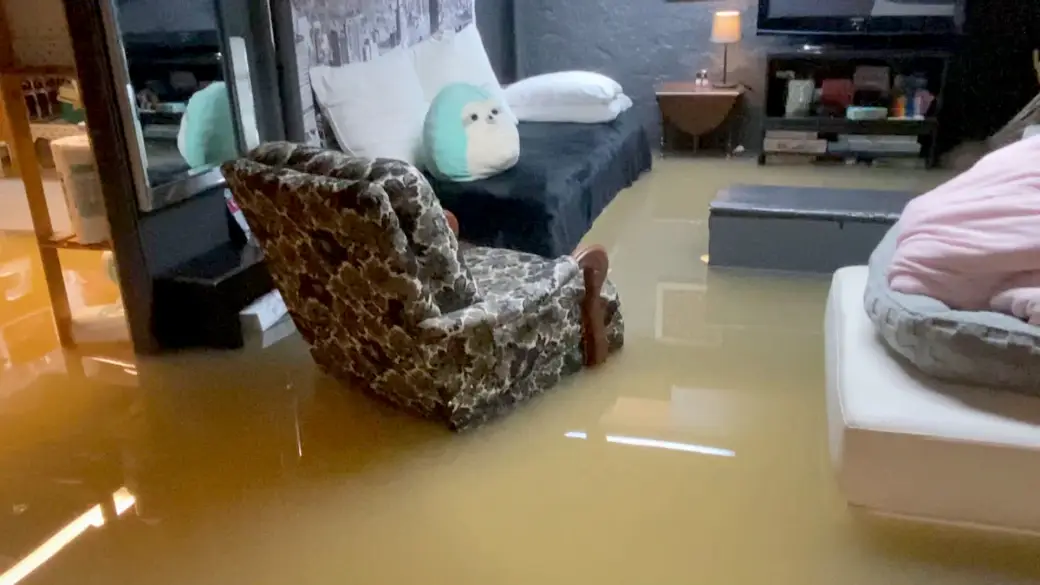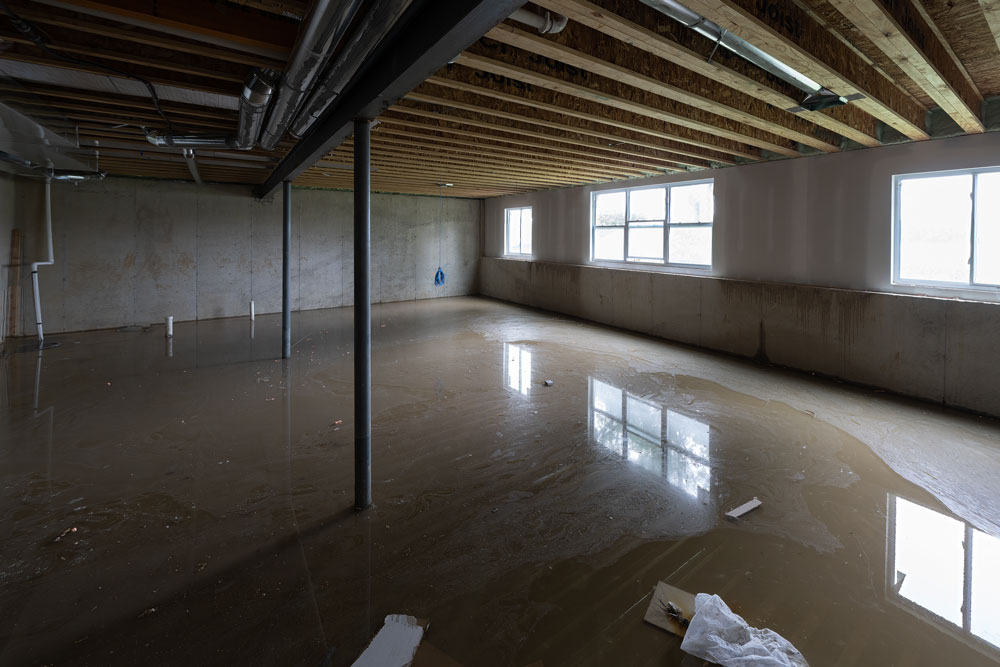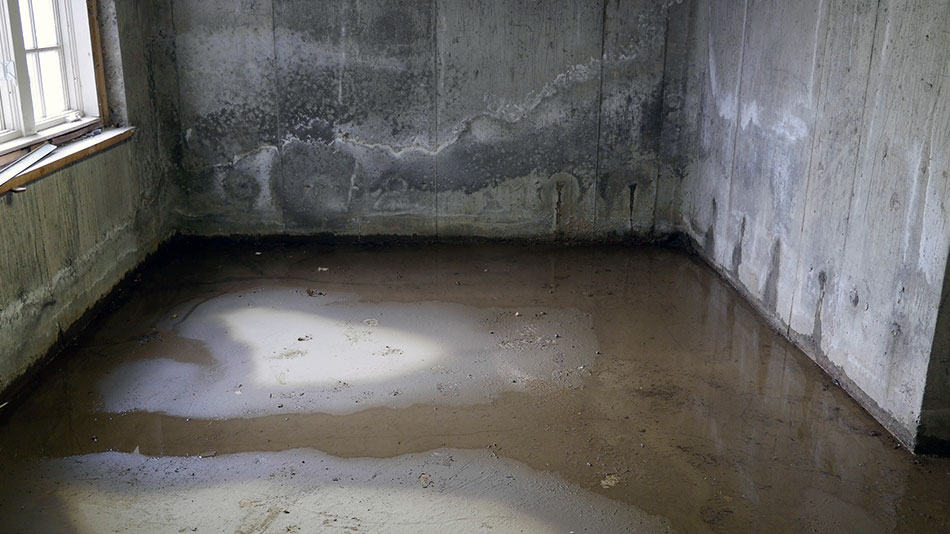
Flooding can cause significant damage to residential properties, leading to costly repairs and long-term issues like mold and structural problems. As climate patterns shift and severe weather events become more frequent, many homeowners are seeking effective ways to safeguard their houses from water intrusion. Temporary flood protection systems provide a practical solution for those who need fast, adaptable defenses against rising water, whether due to heavy rain, melting snow, or unexpected plumbing failures.
These solutions are designed for quick deployment and removal, making them ideal for homes that are not at constant risk but may face occasional threats. Understanding the available options and how they work can help you make informed decisions about protecting your property and minimizing potential losses. For more comprehensive strategies, you may also want to explore residential flood prevention methods that complement temporary barriers.
Understanding Temporary Barriers for Flood Defense
When it comes to short-term flood mitigation, homeowners have several options. The main goal of these systems is to create a physical barrier that prevents or slows down water from entering vulnerable areas such as basements, garages, and ground-level rooms. Unlike permanent solutions, these products are designed for rapid setup and removal, allowing flexibility based on weather forecasts or emergency alerts.
Some of the most common types of temporary barriers include:
- Sandbags: Traditional but still widely used, sandbags can be stacked to block doorways and low windows. They are inexpensive but labor-intensive and can be heavy to handle.
- Water-filled tubes and barriers: These are lightweight when empty and can be filled on-site with water to create a sturdy wall. They are reusable and easier to store than sandbags.
- Inflatable flood barriers: Made from durable materials, these barriers expand quickly and can be positioned around entry points or along the perimeter of a property.
- Portable flood gates and shields: Designed to fit doorways, garages, or other openings, these panels can be installed in minutes and removed after the threat has passed.
Each of these options has its pros and cons, depending on the specific needs of your home, the expected water levels, and your ability to deploy them quickly.
Choosing the Right Temporary Flood Protection for Your Home
Selecting the most suitable system depends on several factors, including the layout of your property, the frequency of flood threats, and your budget. Here are some key considerations:
- Ease of installation: Some barriers, like water-filled tubes, can be set up by one person, while others, such as sandbags, may require more help.
- Storage requirements: Consider where you will keep these barriers when not in use. Inflatable and water-filled options are compact when empty, while rigid panels may need more space.
- Reusability: Many modern systems are designed for multiple uses, making them cost-effective over time.
- Effectiveness: Assess the height and length of the barriers to ensure they provide adequate coverage for your home’s most vulnerable areas.
For a deeper dive into long-term and seasonal strategies, check out this home flood prevention resource, which covers essential steps every homeowner should consider.
How Temporary Flood Protection Systems Work
The core principle behind these solutions is to create a barrier that either diverts water away or blocks it from entering the building. Most products are designed for quick deployment, often requiring no tools or specialized skills. For example, water-filled barriers can be rolled out and filled using a garden hose, while portable flood gates typically use adjustable brackets to secure them in place.
Many homeowners combine several types of temporary barriers for layered protection. For instance, sandbags may be used to reinforce doorways while inflatable barriers are placed along the perimeter. This approach can be especially effective in areas prone to flash floods or where water can enter from multiple directions.
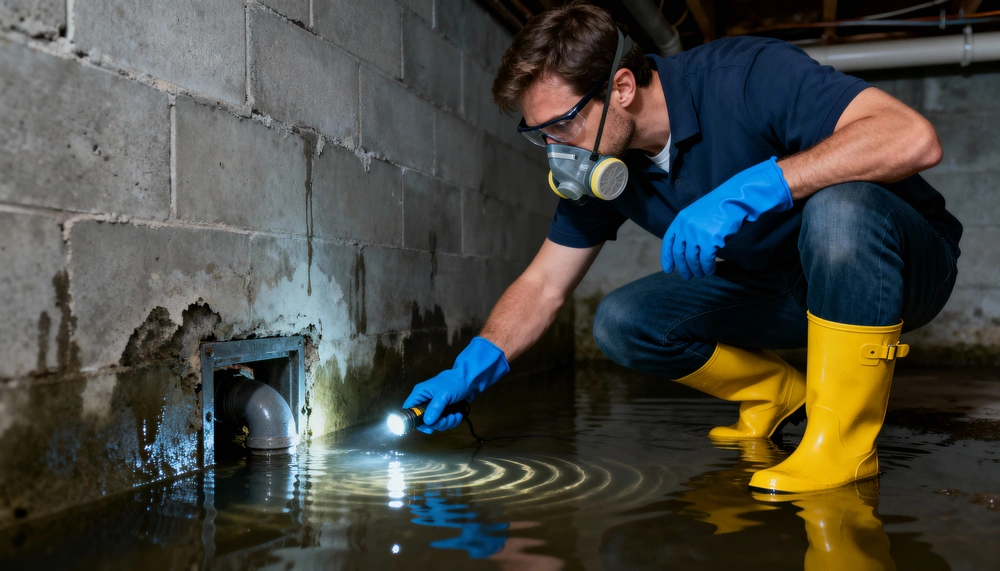
In addition to physical barriers, early detection is crucial. Installing a water leak detector can alert you to rising moisture levels before a flood becomes severe, giving you extra time to deploy your defenses and minimize damage.
Best Practices for Deploying Emergency Flood Barriers
To maximize the effectiveness of your temporary flood protection, follow these best practices:
- Monitor weather alerts: Stay informed about local flood warnings and be ready to act quickly.
- Pre-position barriers: Store your flood defense products in an accessible location and practice setting them up in advance.
- Seal vulnerable entry points: Focus on doors, windows, and basement vents, as these are common entryways for water.
- Check for gaps: After setup, inspect the barriers for any spaces where water could seep through and reinforce as needed.
- Combine with other measures: Use sump pumps, backflow valves, and regular maintenance to further reduce flood risk. For more details, see this guide on how to prevent home flooding.

Innovations and Technology in Flood Defense
Advances in technology have led to more efficient and user-friendly temporary flood protection systems. Modern barriers are lighter, easier to deploy, and more durable than ever before. Some products include built-in sensors that alert homeowners when water levels rise, while others use smart materials that expand on contact with moisture.
Around the world, new technologies are being developed to combat flood risks more effectively. For example, innovative flood risk technologies are helping communities and individuals better prepare for and respond to water-related emergencies.
Staying informed about the latest products and techniques can help you choose the best solution for your home and adapt to changing conditions.
Integrating Temporary Solutions with Long-Term Prevention
While short-term barriers are essential during emergencies, combining them with permanent measures provides the most comprehensive protection. Regular inspections, proper landscaping, and maintaining drainage systems all play a role in reducing flood risk. For seasonal advice, refer to this spring home inspection for leaks resource to catch potential issues before they escalate.
Understanding the home flooding causes can also help you address vulnerabilities and develop a layered defense strategy. By integrating both temporary and permanent solutions, you can better protect your property and enjoy greater peace of mind, even during severe weather events.
Frequently Asked Questions
What are the most effective temporary barriers for residential flood protection?
The most effective options depend on your specific needs, but water-filled barriers, inflatable flood shields, and portable flood gates are popular for their ease of use and reusability. Sandbags remain a reliable choice for many, though they require more effort to deploy.
How quickly can temporary flood protection systems be set up?
Most modern systems are designed for rapid deployment, often within minutes. Water-filled tubes and inflatable barriers can be set up by one or two people, while sandbags may take longer due to their weight and the need to stack them properly.
Can temporary flood solutions be reused?
Many contemporary products are reusable, especially water-filled barriers and portable flood gates. After use, they should be cleaned and dried thoroughly before storage to ensure longevity and effectiveness for future events.