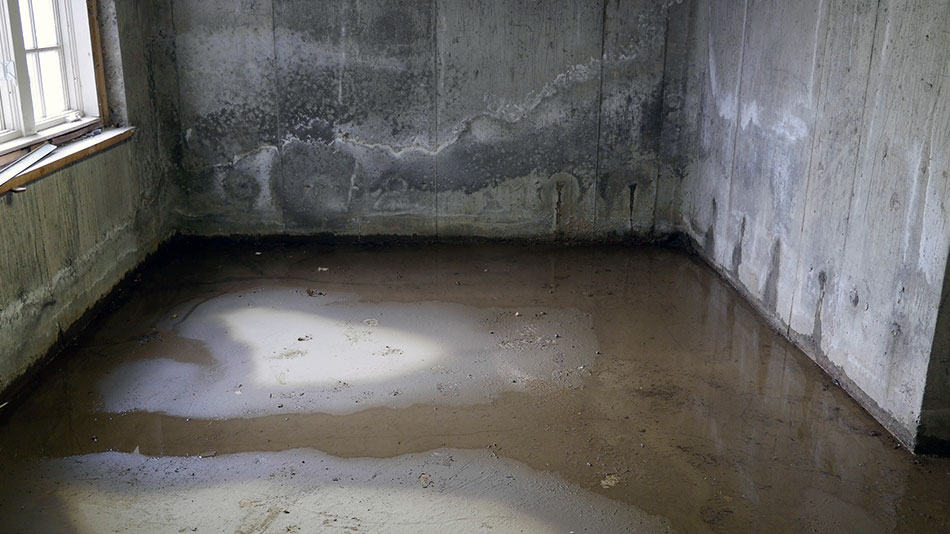
Managing moisture is a critical part of keeping homes and buildings safe from water damage. One of the most effective strategies for controlling unwanted dampness is the use of vapor barriers. These protective layers are designed to stop water vapor from passing through walls, floors, and ceilings, helping to prevent mold, rot, and structural deterioration. Understanding how these barriers work, where they should be installed, and which materials are most effective can make a significant difference in the long-term health of any property.
Whether you’re a homeowner, contractor, or property manager, having vapor barriers explained in clear, practical terms is essential for making informed decisions about moisture control. This article covers the basics of vapor barriers, their role in water prevention, and practical tips for installation and maintenance. For those interested in broader water safety solutions, you may also find value in learning how to install a water shut-off valve to further protect your property.
What Are Vapor Barriers and How Do They Work?
A vapor barrier is a material designed to limit the movement of water vapor through building assemblies. Typically made from plastic sheeting, foil, or specialized coatings, these barriers are installed on the warm side of insulation to block moisture from entering walls, floors, or ceilings. By preventing the passage of vapor, these barriers help maintain a dry environment within the structure, reducing the risk of condensation and subsequent water damage.
The science behind vapor barriers is straightforward: water vapor naturally moves from areas of high humidity to areas of low humidity. If not controlled, this vapor can condense within building materials, leading to mold growth, wood rot, and even compromised insulation performance. By installing a vapor barrier, you create a physical block that keeps moisture where it belongs—outside your living spaces.
Types of Vapor Barriers and Their Applications
There are several types of vapor barriers, each suited for specific applications and climates. The most common materials include:
- Polyethylene Plastic Sheeting: Widely used for crawl spaces and under concrete slabs, this material is affordable and effective at blocking vapor.
- Foil-Faced Kraft Paper: Often used in attics and walls, this type combines insulation with a vapor-resistant layer.
- Liquid-Applied Membranes: These coatings are brushed or sprayed onto surfaces to create a seamless moisture barrier, ideal for basements and foundations.
- Rigid Foam Board: Provides both insulation and vapor resistance, commonly used in exterior wall assemblies.
The choice of vapor barrier depends on the specific needs of your project, local building codes, and the climate in your region. In colder climates, barriers are typically installed on the interior side of insulation to prevent warm, moist indoor air from reaching cold exterior walls. In warmer, humid climates, placement may be reversed to stop outdoor moisture from entering air-conditioned spaces.
Why Moisture Control Matters in Building Design
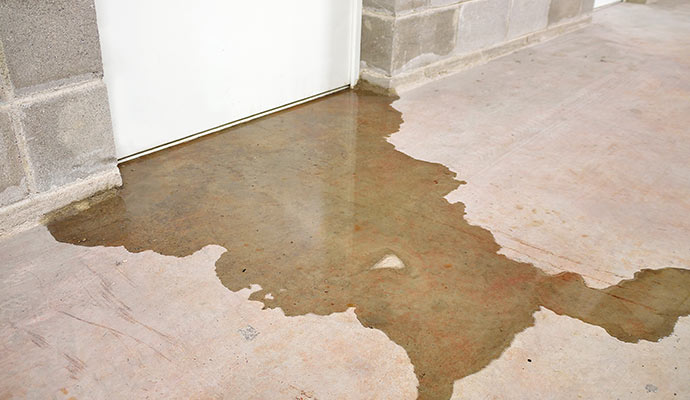
Uncontrolled moisture is one of the leading causes of structural problems in buildings. When water vapor seeps into walls, floors, or crawl spaces, it can lead to a range of issues, including:
- Mold and Mildew Growth: Excess moisture creates an ideal environment for mold, which can cause health problems and damage materials.
- Wood Rot: Persistent dampness can weaken wooden framing and flooring, compromising the integrity of the structure.
- Insulation Damage: Wet insulation loses its effectiveness, making it harder to regulate indoor temperatures and increasing energy costs.
- Foundation Problems: Water infiltration can erode concrete and lead to cracks or settling.
By integrating vapor barriers into construction or renovation projects, you can significantly reduce the risk of these problems. For additional strategies on safeguarding your home, consider reading about replacing old hoses to prevent water damage and smart home devices for leak prevention.
Installation Tips for Effective Vapor Barriers
Proper installation is key to ensuring that vapor barriers perform as intended. Here are some best practices:
- Seal All Seams and Edges: Use tape or adhesive to close gaps where sheets overlap, and make sure the barrier extends up walls or piers as needed.
- Avoid Punctures: Take care when installing pipes, wires, or fasteners to prevent holes that could allow vapor to pass through.
- Follow Local Codes: Building codes may specify the type and placement of vapor barriers, especially in regions with extreme climates.
- Inspect Regularly: Check for damage or deterioration over time, especially in crawl spaces and basements.
For those working near appliances or plumbing, it’s also wise to review how to use leak detectors near appliances to catch leaks before they become major problems.
Common Mistakes and How to Avoid Them
Even with the best materials, improper installation or placement can undermine the effectiveness of vapor barriers. Some frequent errors include:
- Incorrect Placement: Installing the barrier on the wrong side of insulation can trap moisture inside walls, causing more harm than good.
- Inadequate Sealing: Failing to seal seams and edges allows vapor to bypass the barrier.
- Using the Wrong Material: Not all plastics or foils are rated for use as vapor barriers. Always check product specifications.
- Neglecting Maintenance: Over time, barriers can be damaged by pests, construction work, or settling. Regular inspections are essential.
If you’re unsure about installation or material selection, consult a building professional or refer to expert resources on water damage prevention for detailed guidance.
Integrating Vapor Barriers with Other Water Prevention Strategies
While vapor barriers are a powerful tool for moisture control, they work best as part of a comprehensive water management plan. This may include:
- Installing sump pumps or drainage systems in basements and crawl spaces
- Using leak detection devices to catch plumbing issues early
- Maintaining gutters and downspouts to direct water away from foundations
- Regularly inspecting and replacing hoses and appliance water lines
For more tips on keeping your home dry and safe, check out advice on how to maintain appliance water lines and other practical maintenance guides.
FAQ About Vapor Barriers and Moisture Control
Where should vapor barriers be installed in a home?
The ideal location depends on your climate. In colder regions, vapor barriers are typically placed on the interior (warm) side of insulation. In hot, humid climates, they may be installed on the exterior side to keep outdoor moisture out. Always follow local building codes and manufacturer recommendations.
Can vapor barriers cause mold if installed incorrectly?
Yes, improper placement or sealing can trap moisture inside walls or floors, creating conditions for mold growth. It’s important to ensure correct installation and to use materials rated for your specific application.
Are vapor barriers necessary in every building?
Not all structures require vapor barriers. Their necessity depends on climate, building design, and the presence of other moisture control systems. Consult with a building professional to determine if a vapor barrier is appropriate for your project.
How often should vapor barriers be inspected?
Regular inspections—at least once a year—are recommended, especially in crawl spaces and basements. Look for signs of damage, punctures, or deterioration and repair as needed to maintain effectiveness.