Protecting your home from unexpected water damage is a priority for every homeowner. Even a small leak can lead to significant repairs, mold growth, and costly insurance claims. A water leak alarm system setup offers a proactive way to detect leaks early, minimize damage, and maintain peace of mind. This article provides a practical overview of how to choose, install, and maintain these systems, ensuring your property stays safe and dry.
Whether you’re concerned about aging pipes, faulty appliances, or unpredictable weather, investing in leak detection technology is a smart move. Before diving into the steps for setting up your system, it’s helpful to understand the basics and the benefits these devices bring to your household. For those interested in other home maintenance tips, you might also appreciate our guide on how to sanitize a cast iron press for kitchen safety.

Why Install a Leak Detection System?
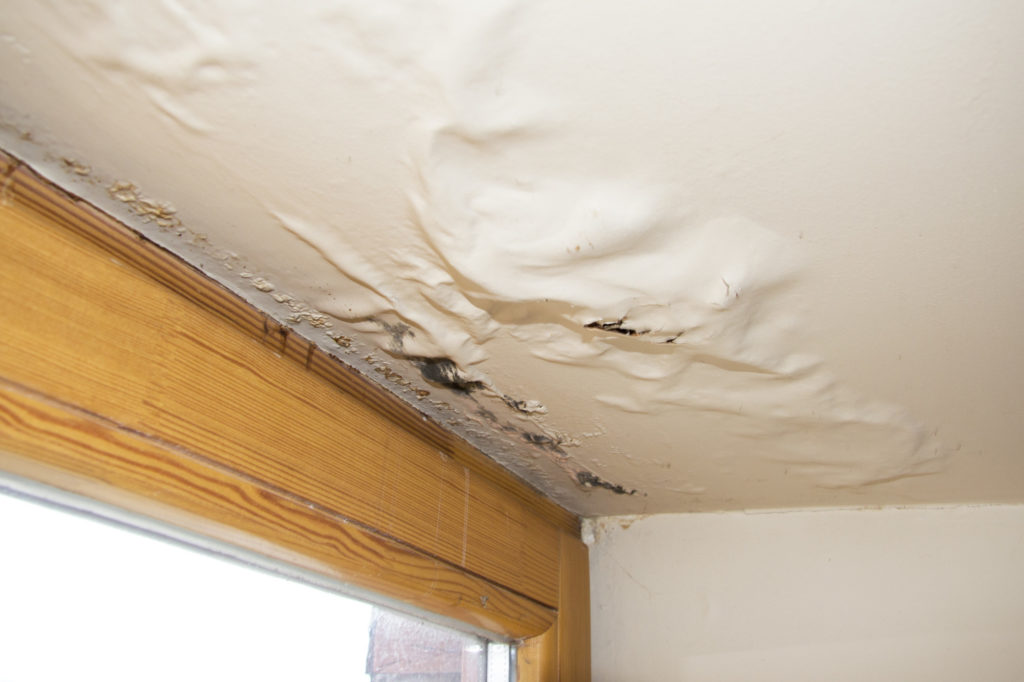
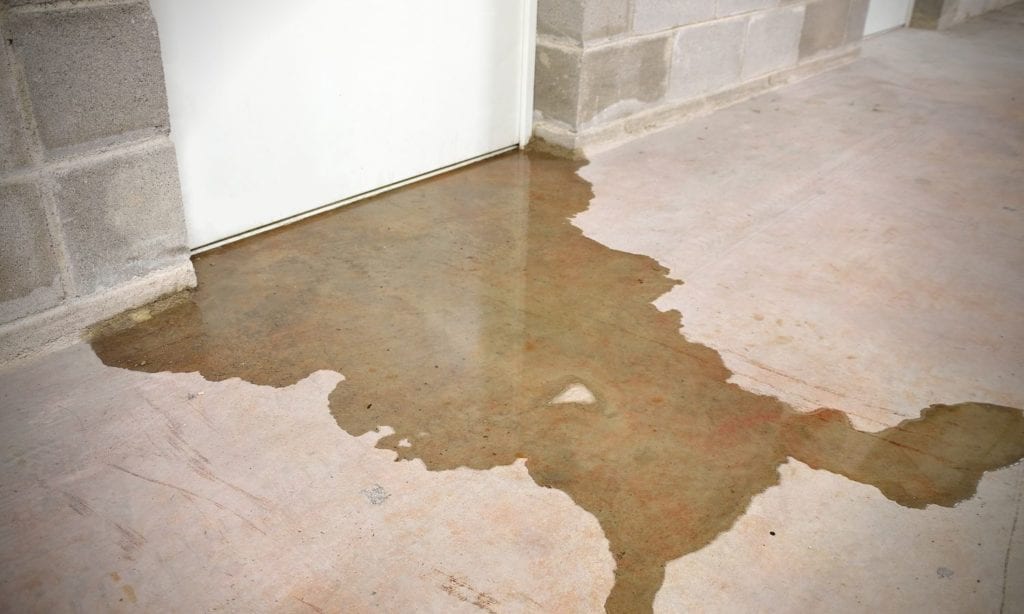
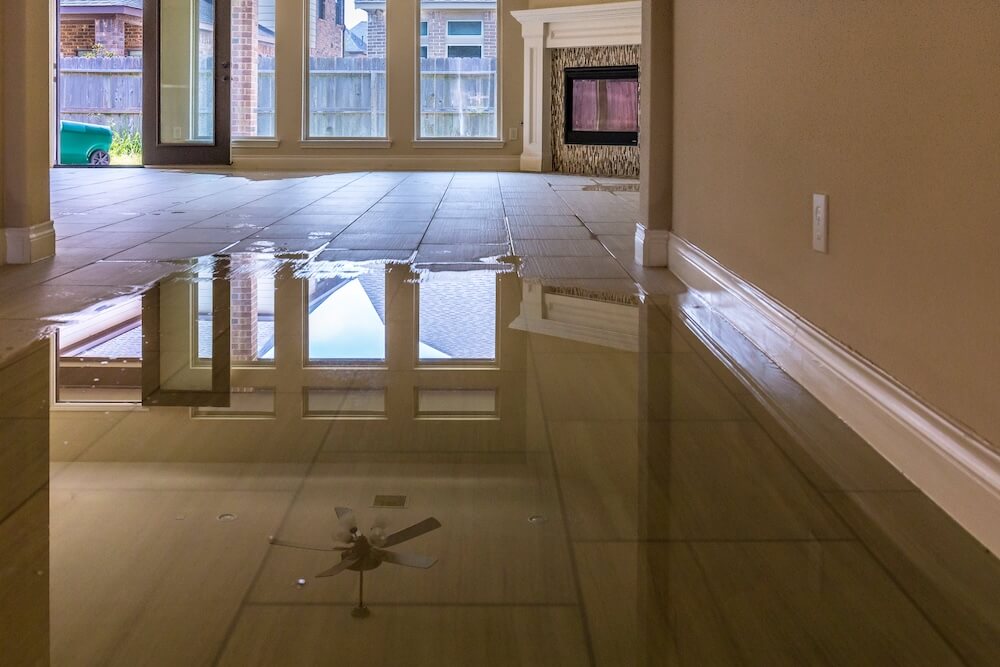
Water leaks can happen anywhere in the home—behind walls, under floors, or near appliances. Unfortunately, many leaks go unnoticed until they’ve caused substantial damage. A leak alarm system acts as an early warning, alerting you to moisture before it becomes a major issue. Some of the key benefits include:
- Early detection of leaks to prevent extensive water damage
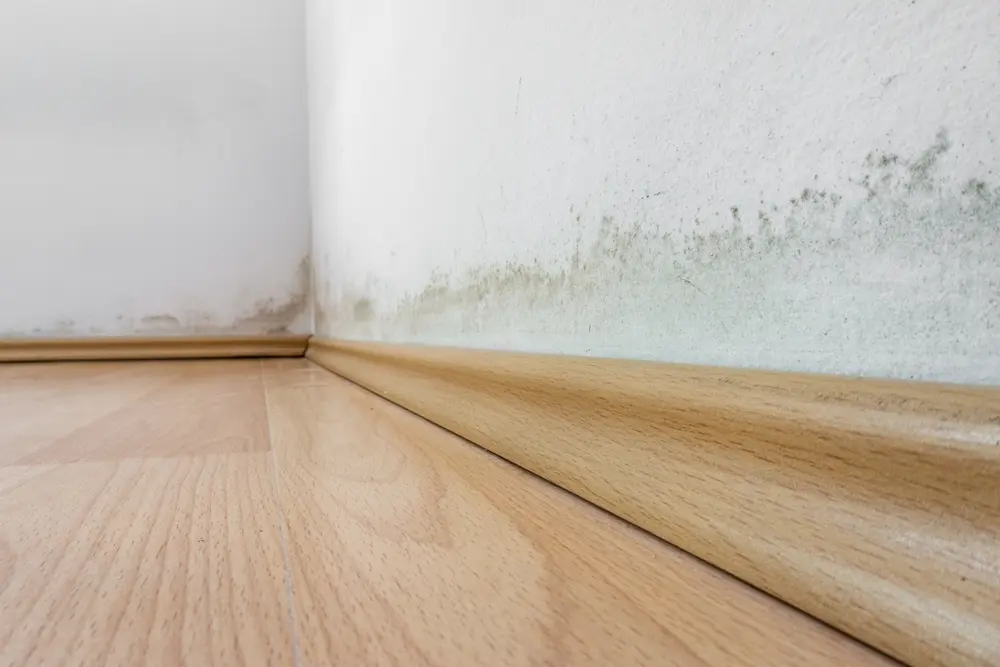
- Protection against mold and mildew growth
- Potential savings on insurance premiums
- Peace of mind, especially when away from home
- Integration with smart home systems for remote monitoring
According to expert advice on preventing water damage, installing a reliable detection system is one of the most effective ways to safeguard your property.
Types of Water Leak Alarms and Sensors
There are several types of leak detection devices available, each designed for different needs and budgets. Understanding the options will help you select the right solution for your home.
- Standalone alarms: These battery-powered units sound a loud alarm when water is detected. They are affordable and easy to install, making them ideal for single locations like under sinks or near water heaters.
- Smart leak detectors: Connected to Wi-Fi, these devices send alerts to your smartphone or smart home hub. Many models offer features like temperature monitoring and integration with other smart devices.
- Whole-home systems: These setups monitor your entire plumbing network. Some can automatically shut off the main water supply if a leak is detected, providing maximum protection.
Step-by-Step Water Leak Alarm System Setup
Setting up a water leak alarm system is a straightforward process, but it’s important to follow the manufacturer’s instructions for your specific model. Here’s a general guide to help you get started:
- Identify high-risk areas: Focus on locations prone to leaks, such as under sinks, behind toilets, near washing machines, dishwashers, water heaters, and basements.
- Choose your devices: Decide between standalone sensors, smart alarms, or a whole-home solution based on your needs and budget.
- Install the sensors: Place each sensor flat on the floor in the chosen area. Ensure the metal contacts are facing down and are in direct contact with the surface where water would pool.
- Connect smart devices: For Wi-Fi-enabled alarms, follow the app instructions to connect the device to your home network. Test notifications to confirm they reach your phone or smart hub.
- Test the system: Simulate a leak by placing a damp cloth under the sensor. The alarm should sound or send a notification. Repeat this process for each device.
- Maintain regularly: Check batteries every six months and test alarms periodically to ensure continued protection.

Best Locations for Leak Detectors
For maximum effectiveness, place leak alarms in areas most vulnerable to water problems. Common locations include:
- Under kitchen and bathroom sinks
- Behind toilets
- Next to washing machines and dishwashers
- Near water heaters and HVAC units
- Basements and crawl spaces
- Under refrigerators with water dispensers or ice makers
Positioning sensors in these spots helps ensure you’re alerted as soon as a leak begins, giving you time to respond before damage escalates.
Maintenance Tips for Your Leak Detection Setup
Keeping your leak alarm system in top condition ensures it will function when you need it most. Here are some practical maintenance tips:
- Test each sensor monthly by triggering the alarm with a damp cloth.
- Replace batteries at least once a year, or as recommended by the manufacturer.
- Clean sensors gently to prevent dust or debris from interfering with detection.
- Check Wi-Fi connections and app notifications regularly for smart devices.
- Review your system’s coverage annually and add sensors if you renovate or add appliances.
Integrating Leak Detection with Smart Home Systems
Many modern leak alarms can be integrated with smart home platforms, allowing for remote monitoring and automation. For example, some systems can shut off the main water valve automatically when a leak is detected, or send alerts to your phone no matter where you are. Integration options include:
- Connecting with voice assistants like Alexa or Google Assistant
- Pairing with home security systems for centralized alerts
- Automating responses, such as shutting off water or activating fans
When choosing a smart leak detector, ensure compatibility with your existing devices and network for seamless operation.
Frequently Asked Questions
How often should I test my water leak alarms?
It’s best to test each sensor at least once a month. Regular testing ensures the alarm sounds properly and that batteries or connections are still functioning.
Can I install a leak detection system myself?
Most standalone and smart leak alarms are designed for easy DIY installation. Whole-home systems that connect to your main water line may require professional setup to ensure proper operation and compliance with local plumbing codes.
What should I do if my alarm detects a leak?
If an alarm sounds or you receive a notification, immediately check the area for visible water. Shut off the water supply if necessary and address the source of the leak. Dry the area thoroughly and contact a plumber if you cannot locate or repair the problem.
Are leak detectors worth the investment?
Yes, the cost of a leak detection system is minimal compared to the potential expense of water damage repairs. Early detection can save thousands in restoration costs and prevent long-term issues like mold growth.
Conclusion
A well-planned water leak alarm system setup is a practical and effective way to protect your home from the risks of water damage. By choosing the right devices, installing them in strategic locations, and maintaining them regularly, you can enjoy greater peace of mind and avoid costly surprises. For more home care insights, explore our resources on kitchen equipment maintenance, such as how to store corn masa for pressing and other practical guides.