Protecting your home from unexpected water damage is a crucial part of modern home safety. Even a small leak can lead to costly repairs, mold growth, and loss of valuable possessions. Water leak detection systems are designed to identify leaks early, giving homeowners the chance to act before minor issues become major disasters. With advances in technology, these systems have become more accurate, accessible, and easy to install, making them an essential tool for anyone looking to safeguard their property.
Early detection is especially important in areas prone to flooding or in homes with aging plumbing. By using a reliable monitoring solution, you can minimize the risk of extensive water damage and avoid the stress and expense that often follow. For those interested in a broader approach to home protection, exploring residential flood prevention strategies can further enhance your preparedness.

How Leak Detection Technology Works
At the core of most water leak detection systems is a network of sensors placed in strategic locations throughout the home. These sensors are designed to sense moisture or abnormal water flow, triggering an alert if a leak is detected. Some advanced models can even shut off the water supply automatically to prevent further damage.
There are two main types of systems:
- Spot detectors: These are placed in areas where leaks are likely, such as under sinks, near water heaters, or in basements. They sound an alarm or send a notification when water is detected.
- Whole-home systems: These monitor the entire plumbing network, often using flow meters to detect unusual water usage patterns. Some can integrate with smart home platforms for remote monitoring and control.
The integration of wireless technology allows many modern devices to send alerts directly to your smartphone, ensuring you’re informed wherever you are. This rapid notification is key to minimizing damage and responding quickly.
Why Early Leak Detection Matters
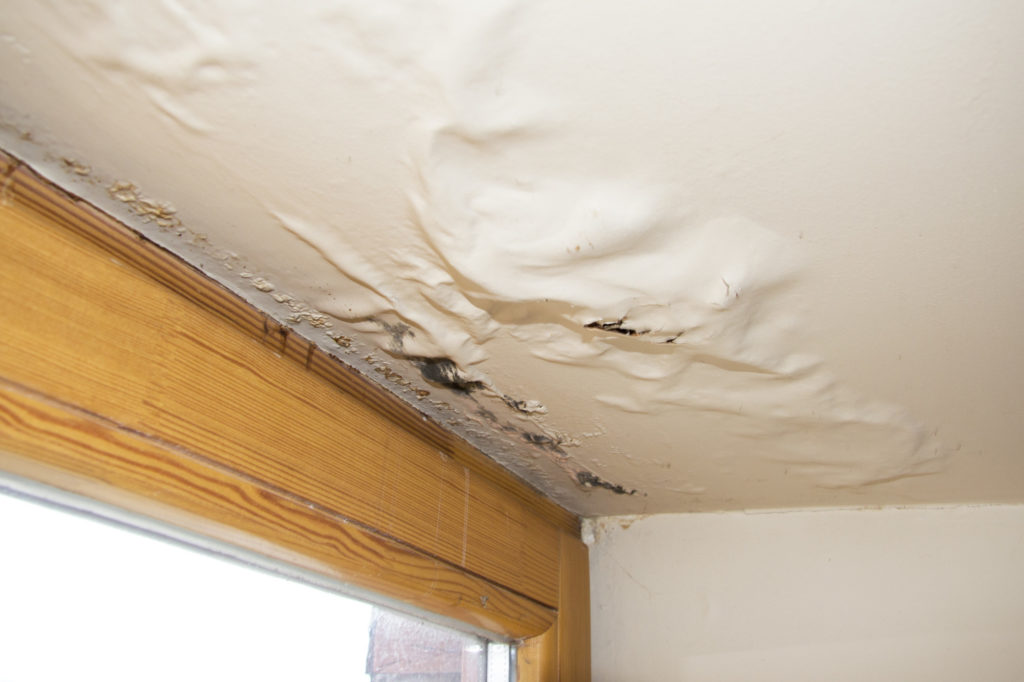
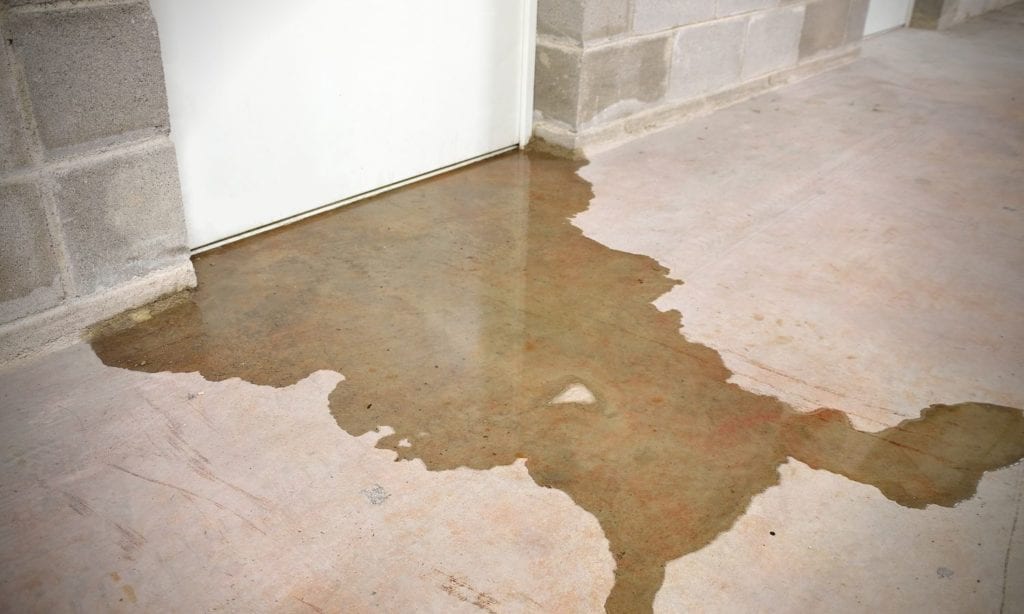
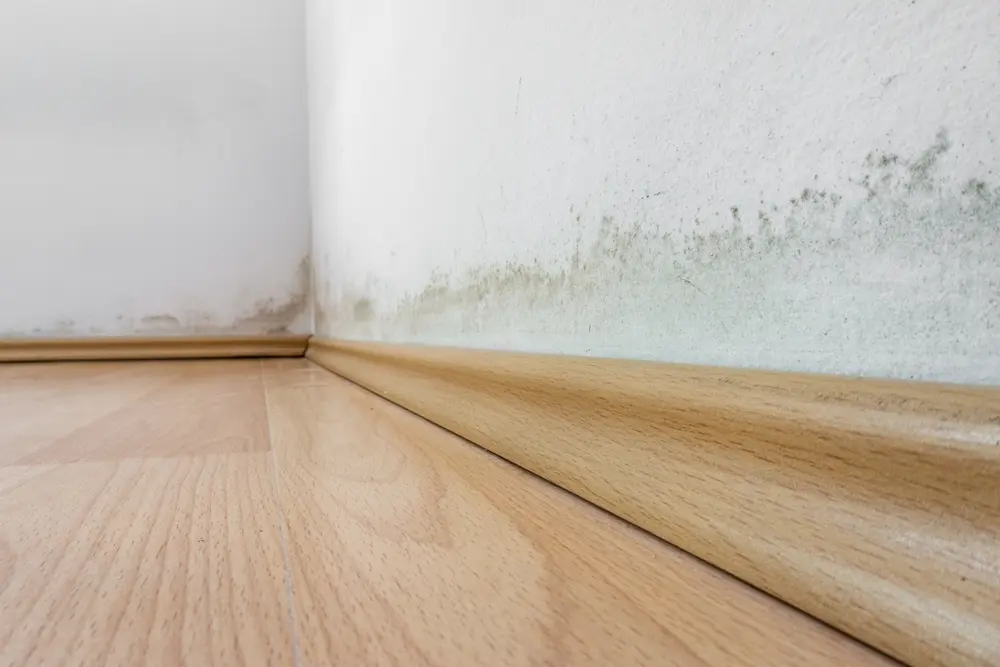
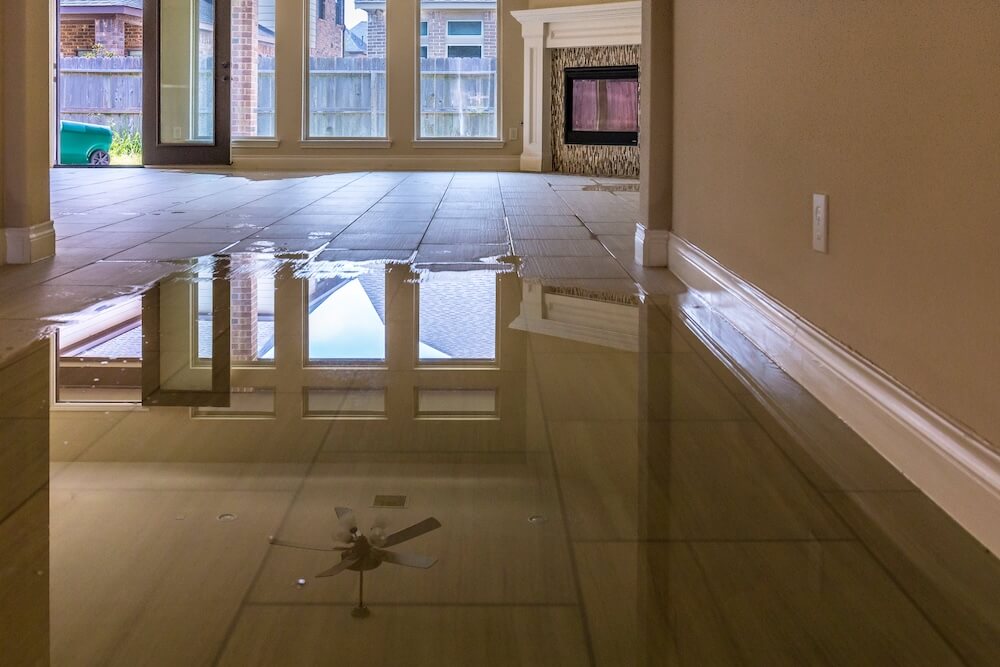
Water damage is one of the most common and expensive problems homeowners face. A slow leak can go unnoticed for weeks, leading to structural damage, ruined flooring, and hazardous mold growth. In severe cases, leaks can even compromise the foundation of a home.

Installing a reliable monitoring solution is a proactive step that can save thousands of dollars in repairs. Insurance companies may even offer discounts for homes equipped with such systems, recognizing their effectiveness in reducing claims. For more advice on protecting your home, see our home flood prevention guide.
Key Features to Look for in Leak Detection Solutions
Not all products are created equal. When choosing a system for your home, consider the following features to ensure you get the protection you need:
- Sensor sensitivity: High-quality sensors can detect even small amounts of moisture, catching leaks before they escalate.
- Smart alerts: Look for options that send notifications to your phone or email, allowing for immediate action.
- Automatic shutoff: Some advanced systems can turn off your water supply when a leak is detected, preventing further damage.
- Battery backup: In the event of a power outage, battery-powered units continue to function, ensuring continuous protection.
- Integration with smart home devices: Compatibility with platforms like Alexa, Google Home, or Apple HomeKit can make monitoring and control even more convenient.
For a comprehensive approach, consider combining leak detection with regular maintenance and seasonal inspections. Our spring home inspection for leaks checklist can help you identify vulnerabilities before they become problems.
Where to Install Leak Sensors for Maximum Protection
Placement is critical for effective detection. Here are the most common locations to install sensors:
- Under kitchen and bathroom sinks
- Near water heaters and washing machines
- In basements, especially near sump pumps
- By dishwashers and refrigerators with water lines
- Behind toilets
- Next to HVAC units or air handlers
By covering these high-risk areas, you increase the likelihood of catching leaks early and avoiding widespread damage.

Integrating Leak Detection with Broader Home Safety Strategies
While technology plays a vital role, it’s just one part of a comprehensive home protection plan. Regular inspections, prompt repairs, and awareness of home flooding causes all contribute to a safer living environment. Combining these efforts with a high-quality leak monitoring system provides layered defense against water damage.
For those living in flood-prone regions, it’s also wise to review local emergency preparedness resources. The official flood preparation guide offers practical advice on steps to take before a flood occurs, helping you stay ready for any situation.
Maintenance Tips for Leak Detection Devices
To ensure your system remains effective, follow these maintenance tips:
- Test sensors regularly to confirm they’re working as intended.
- Replace batteries according to the manufacturer’s recommendations.
- Clean sensors to prevent dust or debris from affecting performance.
- Update software or firmware for smart devices to access the latest features and security patches.
- Review alert settings to ensure you receive notifications promptly.
Consistent upkeep ensures your investment continues to protect your home year after year.
FAQ
What are the main benefits of installing a leak detection system?
The primary benefits include early identification of leaks, prevention of costly water damage, and peace of mind. Many systems also offer insurance discounts and can be integrated with smart home platforms for added convenience.
Can these systems detect all types of leaks?
While most products are highly effective at detecting leaks in common problem areas, their coverage depends on sensor placement. Whole-home systems with flow monitoring can catch hidden leaks in pipes, while spot detectors are best for localized risks.
Are water leak detection systems difficult to install?
Many modern options are designed for easy DIY installation, requiring minimal tools or expertise. Wireless sensors can be placed wherever needed, and most smart systems offer step-by-step setup via mobile apps. For complex plumbing integrations, professional installation may be recommended.
How often should I test my leak detection devices?
It’s best to test your sensors every few months and after any major plumbing work. Regular testing ensures the system will function correctly in an emergency.