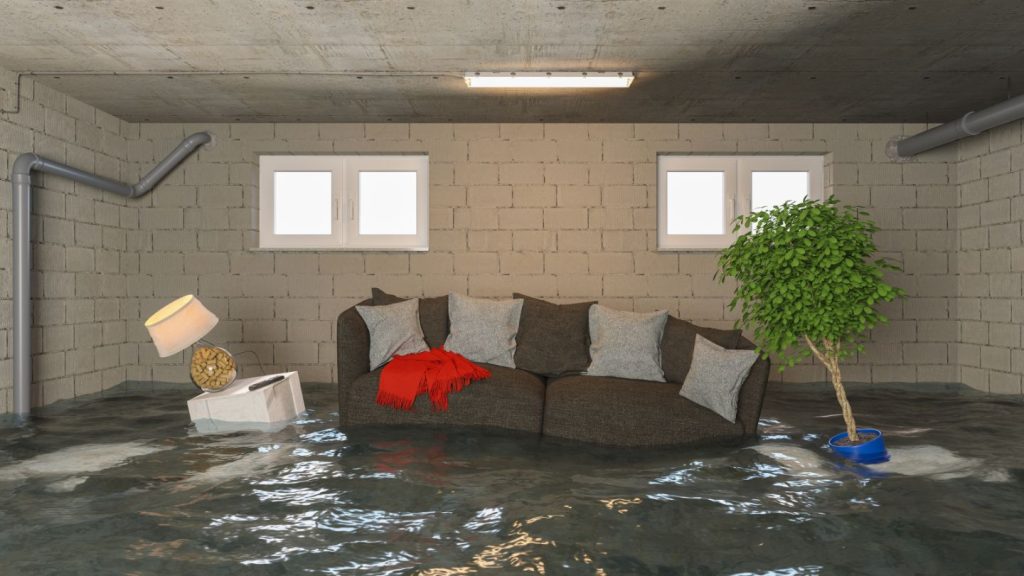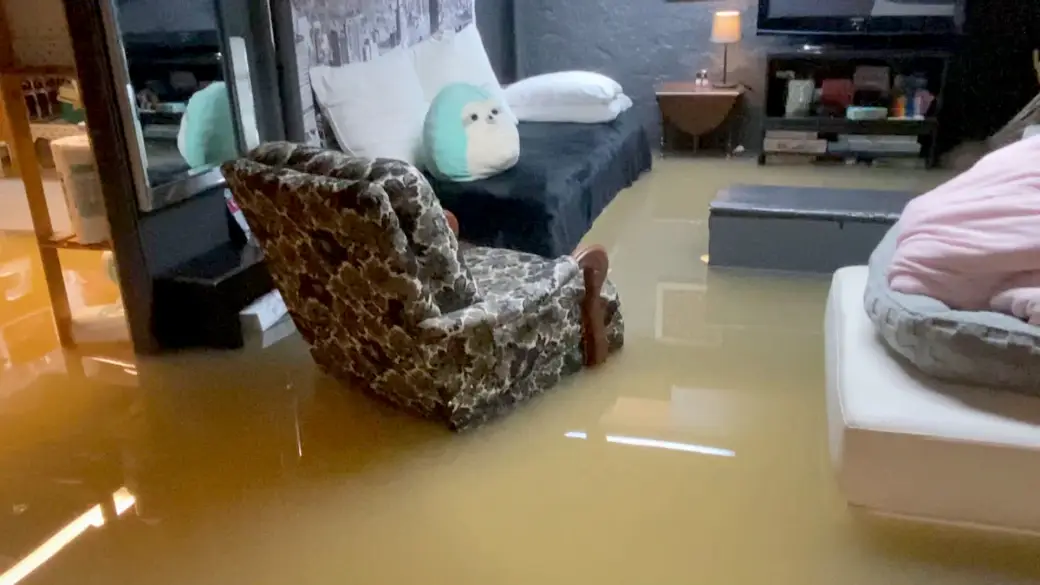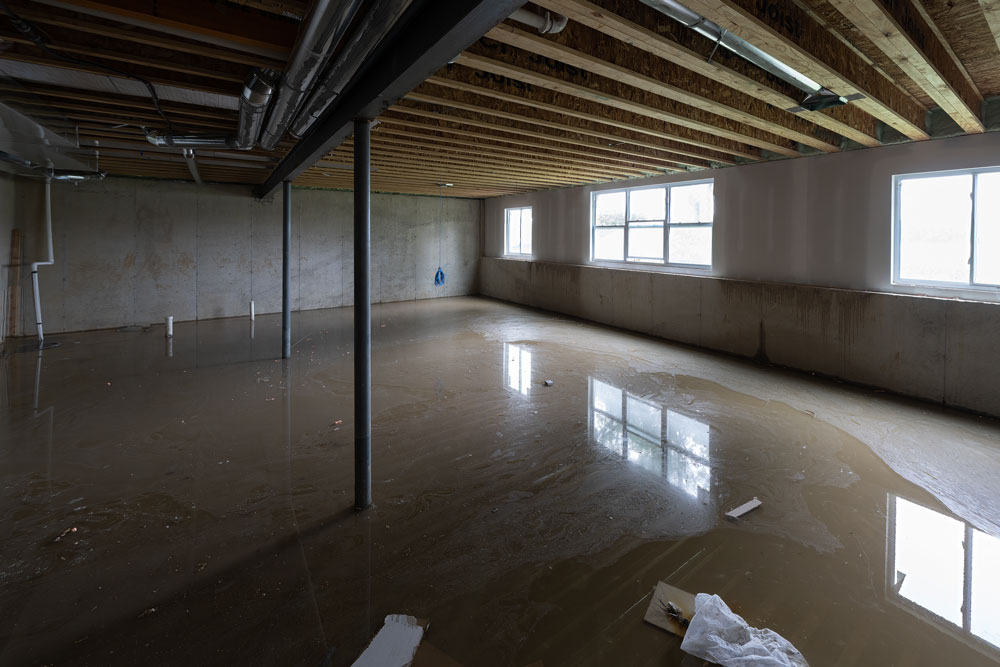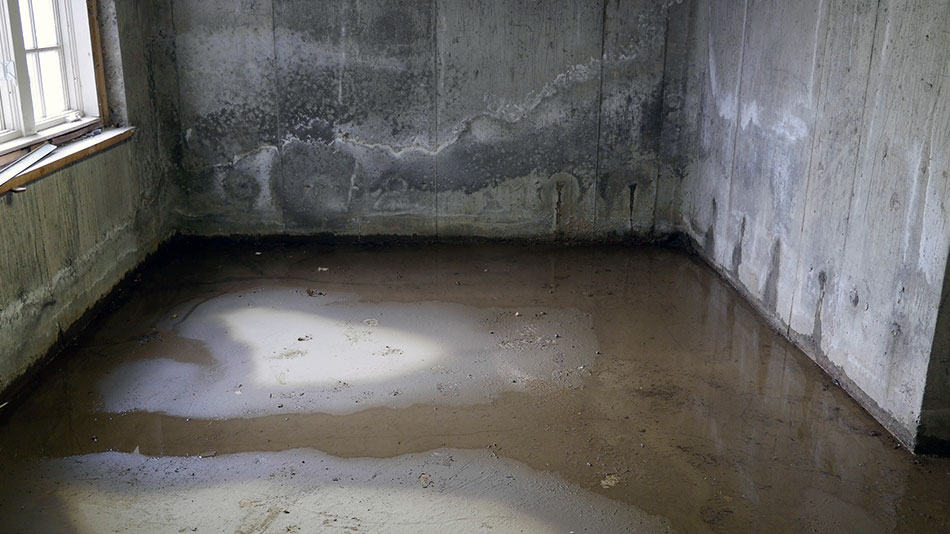
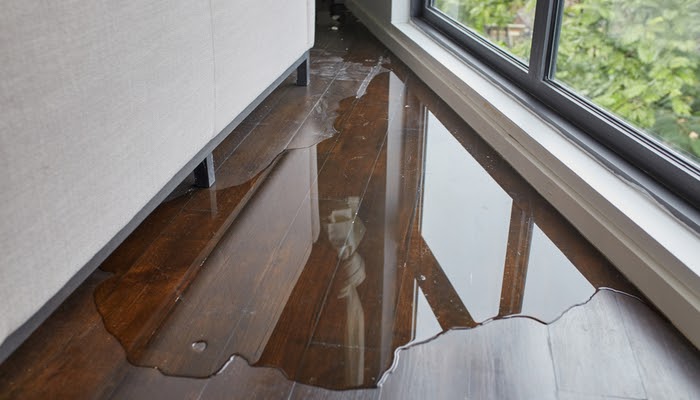
Choosing the right flooring is crucial for any household, especially in areas prone to moisture, spills, or leaks. Water-resistant flooring options have become increasingly popular for their ability to withstand water exposure while maintaining durability and style. Whether you’re renovating a bathroom, kitchen, basement, or entryway, understanding the available choices can help you protect your investment and minimize the risk of water damage.
In this article, we’ll explore the most effective materials for moisture-prone spaces, compare their benefits, and offer practical tips for selecting the best solution for your needs. For those interested in broader water safety, learning about how to install a water shut-off valve can provide an extra layer of protection for your property.
Why Moisture-Resistant Flooring Matters
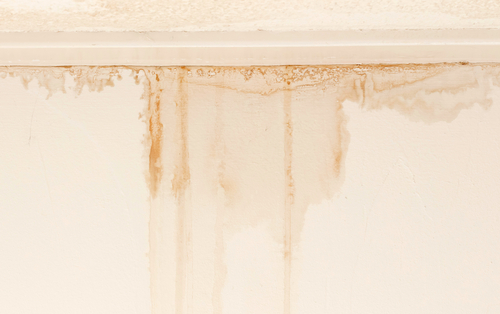
Water damage is one of the most common and costly issues homeowners face. Leaks, spills, and high humidity can quickly ruin traditional flooring materials, leading to warping, mold, and expensive repairs. By investing in water-resistant flooring options, you can significantly reduce the risk of these problems and extend the lifespan of your floors.
Areas like bathrooms, kitchens, laundry rooms, and basements are especially vulnerable. Even small amounts of moisture can seep into cracks, causing damage over time. Selecting the right flooring is a proactive step toward maintaining a healthy, low-maintenance home environment.
Top Choices for Water-Resistant Floors
There are several materials designed to handle moisture without sacrificing appearance or comfort. Here are some of the most popular and effective solutions:
Luxury Vinyl Plank (LVP) and Tile (LVT)
Luxury vinyl has surged in popularity due to its realistic wood and stone looks, affordability, and impressive water resistance. Both planks and tiles are constructed with a waterproof core and a durable wear layer, making them ideal for high-traffic, wet areas.
- Easy to install, often as a floating floor
- Resistant to scratches, dents, and stains
- Comfortable underfoot and available in a wide range of styles
Porcelain and Ceramic Tile
Tile remains a classic choice for moisture-prone spaces. Porcelain is denser and less porous than standard ceramic, offering superior water resistance. Both types are suitable for bathrooms, kitchens, and entryways.
- Extremely durable and long-lasting
- Easy to clean and maintain
- Available in countless colors, shapes, and patterns
Waterproof Laminate Flooring
Modern waterproof laminate has evolved with advanced core technology that resists swelling and warping. It mimics the look of hardwood while providing better protection against spills and humidity.
- Affordable alternative to hardwood
- Simple click-lock installation
- Requires minimal maintenance
Engineered Hardwood with Water-Resistant Features
While traditional hardwood isn’t suitable for wet areas, some engineered wood products are designed with water-repellent coatings and tight locking systems. These can be a good compromise for homeowners who want the warmth of wood in kitchens or entryways.
- More stable than solid hardwood in humid conditions
- Available in a variety of finishes and species
- Requires prompt cleanup of spills to maintain integrity
Sheet Vinyl Flooring
Sheet vinyl is a budget-friendly, seamless solution that offers excellent moisture protection. Its continuous surface prevents water from seeping through seams, making it suitable for bathrooms and laundry rooms.
- Soft and comfortable underfoot
- Wide range of designs, including realistic tile and wood looks
- Easy to clean and maintain
Comparing Durability and Maintenance
When evaluating water-resistant flooring options, it’s important to consider not just water protection, but also durability and ease of care. For example, tile and luxury vinyl are both highly resistant to scratches and dents, making them suitable for families with pets or children. Waterproof laminate and engineered hardwood offer the appearance of wood with added resilience, but may require more attention to spills.
Regular cleaning with manufacturer-approved products will help preserve the finish and prevent buildup of grime or mold. For added peace of mind, pairing your new floors with smart leak detection devices can help you catch leaks early and avoid costly repairs. If you’re interested in learning more about prevention, see our guide on replacing old hoses to prevent water damage.
Installation Tips for Moisture-Prone Spaces
Proper installation is key to maximizing the benefits of any water-resistant flooring. Here are some best practices:
- Ensure the subfloor is clean, dry, and level before installation.
- Use moisture barriers or underlayments as recommended by the manufacturer.
- Seal joints and edges, especially in bathrooms and laundry rooms.
- Follow all manufacturer guidelines for acclimation and installation.
For DIY enthusiasts, many modern flooring products feature click-lock systems that make installation straightforward. However, for tile or engineered wood, professional installation may be worth the investment to guarantee a watertight finish.

Additional Ways to Prevent Water Damage
While choosing the right flooring is a strong defense, combining it with other preventive measures can further protect your home. Installing leak detectors near appliances, using smart home devices for leak prevention, and maintaining appliance water lines are all effective strategies. For more details, see our resources on how to use leak detectors near appliances and smart home devices for leak prevention.
For a comprehensive overview of how to safeguard your property, the Insurance Information Institute offers a helpful guide on how to protect your home from water damage.
Frequently Asked Questions
What is the most durable water-resistant flooring for kitchens and bathrooms?
Porcelain tile and luxury vinyl plank are among the most durable choices for wet areas. Both resist water, stains, and heavy foot traffic, making them ideal for kitchens, bathrooms, and laundry rooms.
Can I install water-resistant laminate in a basement?
Yes, many modern waterproof laminate floors are suitable for basements. Be sure to check the manufacturer’s specifications and install a moisture barrier if required to prevent issues from ground moisture.
How do I maintain water-resistant flooring?
Regular sweeping and damp mopping with approved cleaners will keep your floors looking their best. Promptly clean up spills and avoid using harsh chemicals that could damage the protective layer.
Are there eco-friendly water-resistant flooring options?
Some manufacturers offer sustainable choices such as waterproof cork or bamboo flooring. Always check for certifications and research the product’s environmental impact before purchasing.
Selecting the right moisture-resistant flooring is an investment in your home’s longevity and comfort. By understanding your options and combining them with smart prevention strategies, you can enjoy beautiful, worry-free floors for years to come.