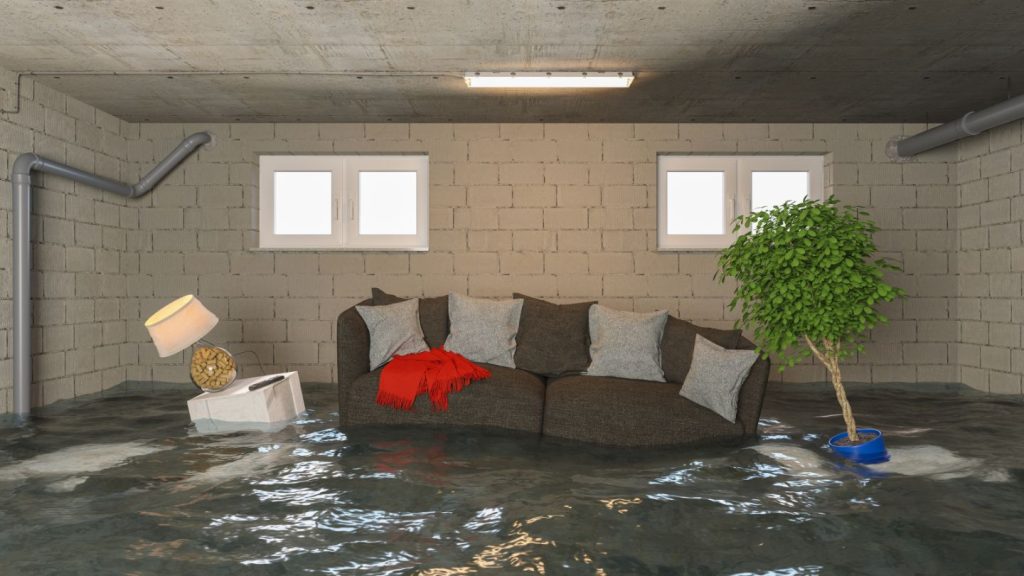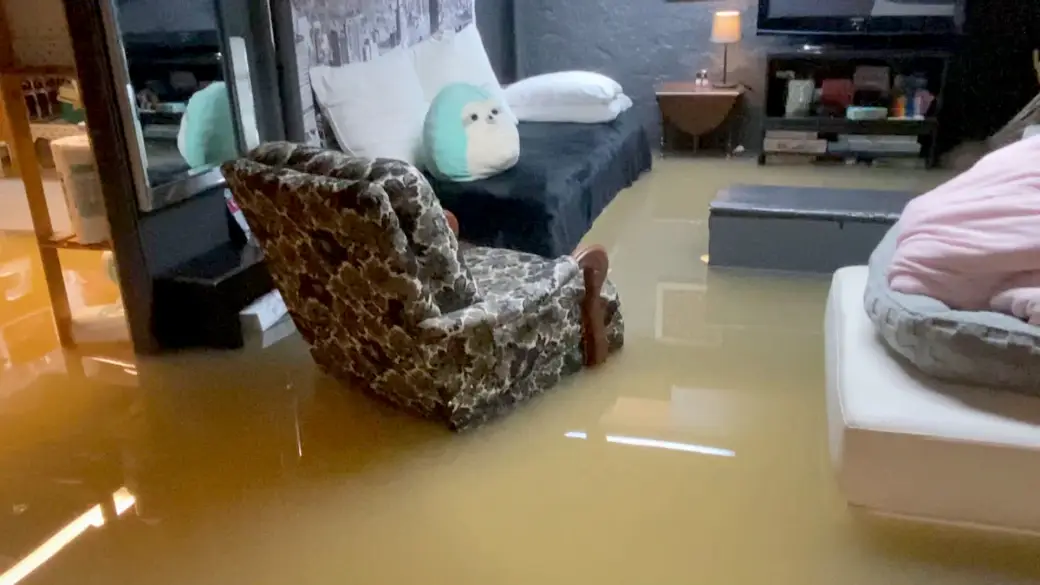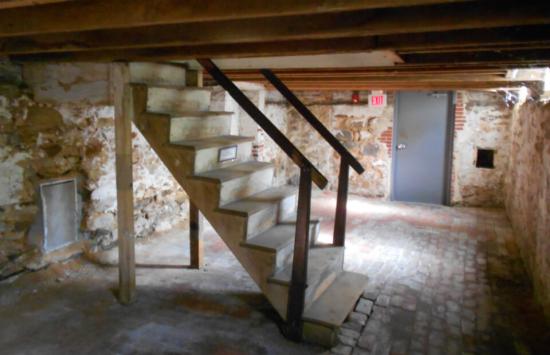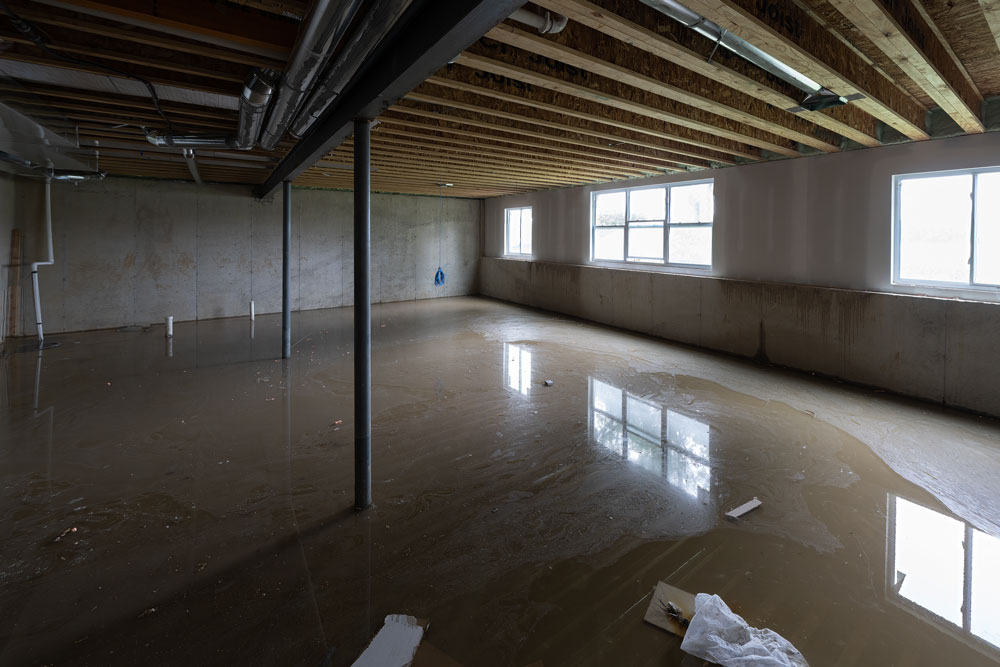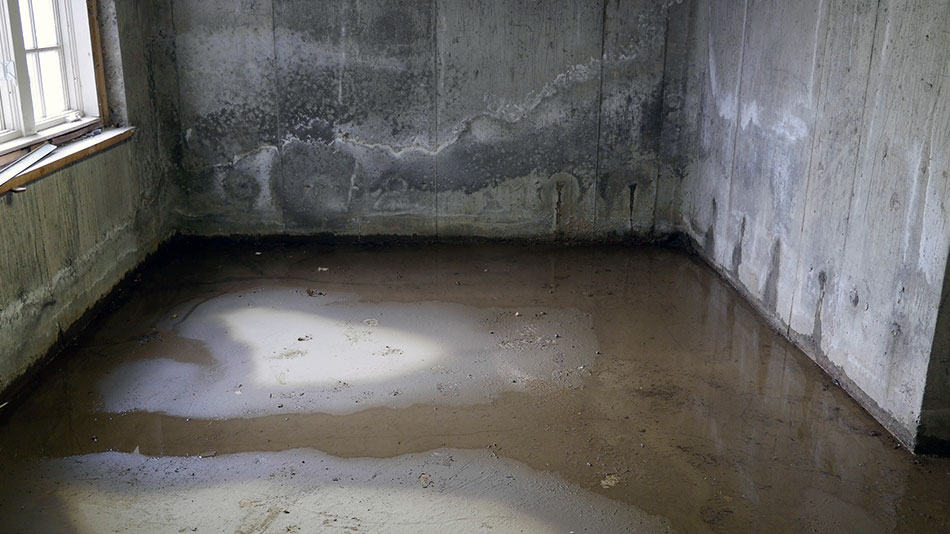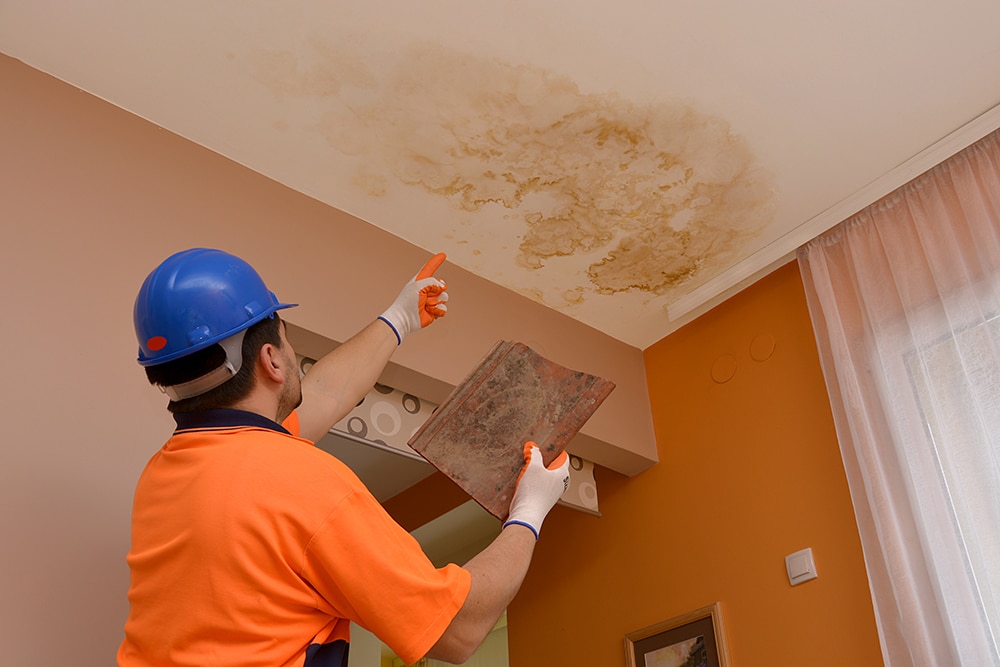
Basements are prone to moisture issues, which can lead to mold, mildew, and structural damage if left unchecked. Applying waterproof paint for basement walls is a practical solution to help protect your home from water intrusion and related problems. This guide will walk you through the essentials of choosing, preparing, and applying moisture-resistant coatings to your basement walls, ensuring a safer and healthier environment below ground.
Before diving into the step-by-step process, it’s important to understand how these coatings work and what you should consider before starting your project. For those interested in broader water protection strategies, learning about how to install a water shut-off valve can further safeguard your home from potential leaks.
Understanding Basement Wall Waterproofing Solutions
When it comes to preventing water damage in basements, there are several approaches. One of the most accessible and cost-effective is using waterproof paint for basement walls. These products are specially formulated to create a barrier that resists water penetration, helping to keep your basement dry and free from mold growth.
Waterproof coatings are typically applied to interior concrete or masonry surfaces. They work by sealing pores and small cracks, making it harder for water to seep through. While these paints are not a substitute for proper drainage or foundation repairs, they can significantly reduce minor moisture problems and improve the overall condition of your basement.
Choosing the Right Waterproof Coating
Selecting the best product for your needs depends on several factors, including the type of wall material, the severity of moisture issues, and your budget. Here are some common options:
- Masonry Waterproofing Paint: Designed for concrete and brick, these paints penetrate and bond with the surface, providing a durable barrier.
- Elastomeric Coatings: These flexible paints can bridge small cracks and withstand minor wall movement, making them ideal for older basements.
- Epoxy Sealers: Known for their toughness, epoxy-based products are often used in areas with higher moisture levels.
Always check the manufacturer’s recommendations to ensure compatibility with your basement walls. If you’re dealing with persistent leaks or visible water entry, consider consulting a professional before proceeding with any coating.
Preparing Basement Walls for Waterproof Paint
Proper preparation is crucial for achieving a lasting, effective seal. Follow these steps to get your basement walls ready:
- Inspect for Damage: Look for cracks, holes, or signs of active leaks. Address any structural issues before applying paint.
- Clean the Surface: Remove dirt, efflorescence (white powdery deposits), and loose paint using a wire brush and mild detergent.
- Repair Cracks: Fill any gaps or holes with hydraulic cement or a suitable patching compound. Allow repairs to cure fully.
- Dry the Walls: Ensure the surface is completely dry. Moisture trapped beneath paint can cause peeling and reduce effectiveness.
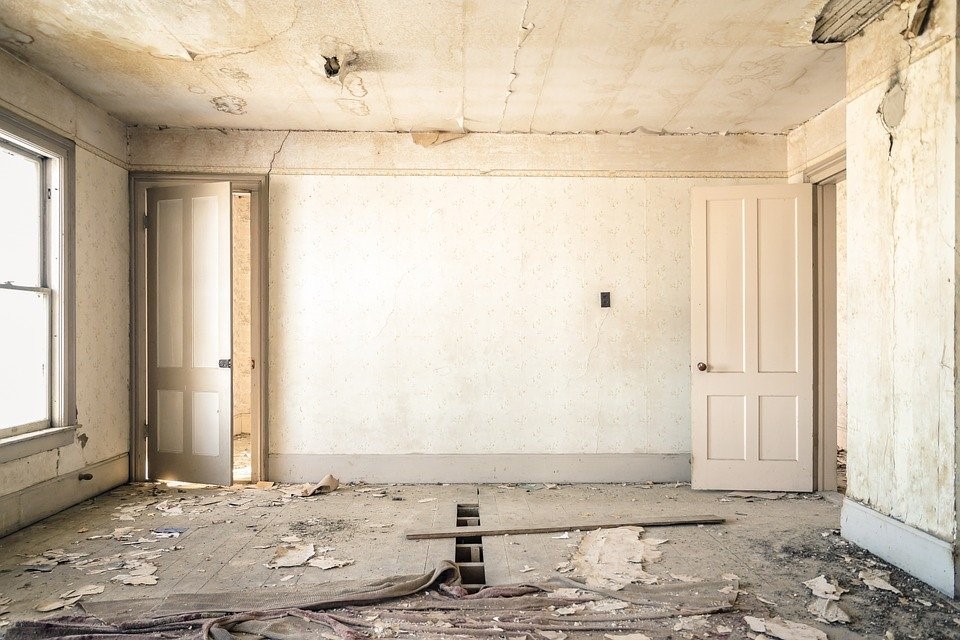
Step-by-Step Guide to Applying Waterproof Paint
Once your walls are clean and dry, you’re ready to apply the waterproof coating. Here’s a straightforward process to follow:
- Prime the Surface: Some products require a primer for better adhesion. Check the instructions and apply as needed.
- Apply the First Coat: Use a thick-bristled brush or masonry roller to work the paint into the pores of the wall. Start at the bottom and work upward for even coverage.
- Allow to Dry: Let the first coat dry completely, following the manufacturer’s recommended drying time (usually 4–6 hours).
- Apply Additional Coats: Most waterproof paints require at least two coats. Apply the second coat perpendicular to the first for optimal sealing.
- Inspect and Touch Up: After the final coat dries, inspect for missed spots or thin areas and touch up as needed.
For best results, maintain good ventilation during application and drying. Avoid painting in humid or rainy conditions, as excess moisture can compromise the finish.
Tips for Long-Term Moisture Protection
While waterproof paint for basement walls offers a valuable layer of defense, it’s just one part of a comprehensive moisture management plan. Consider these additional steps:
- Ensure gutters and downspouts direct water away from your foundation.
- Grade soil around your home to slope away from the basement walls.
- Install a sump pump or interior drainage system if you experience frequent flooding.
- Use a dehumidifier to control humidity and prevent condensation.
- Regularly inspect appliances and plumbing for leaks. For guidance, see how to maintain appliance water lines.
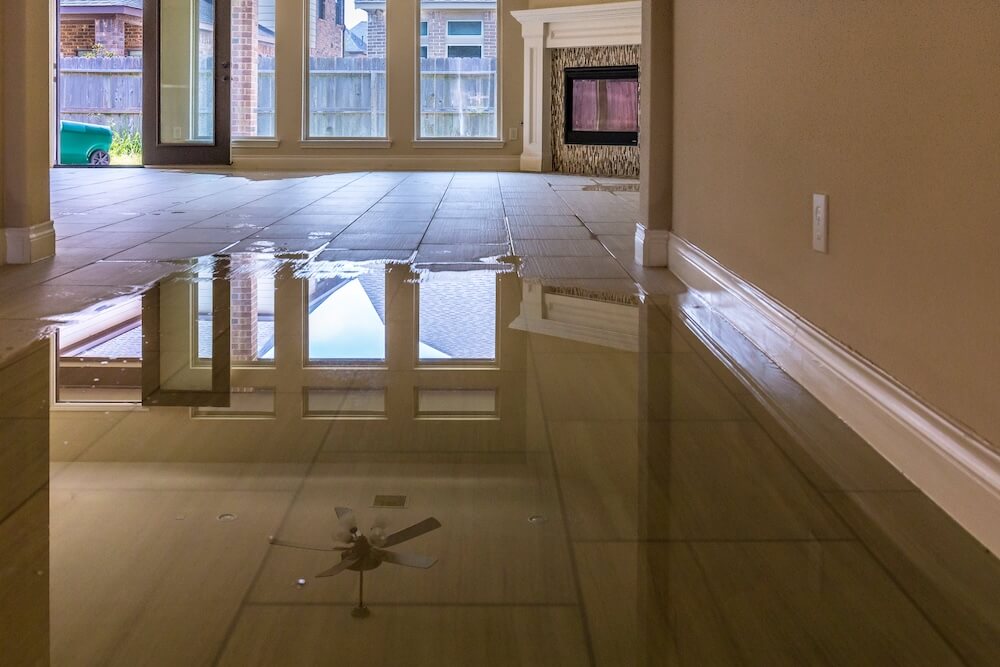
Common Mistakes to Avoid
To maximize the effectiveness of your moisture-resistant coating, steer clear of these frequent errors:
- Skipping surface preparation or painting over damp walls.
- Using regular interior paint instead of a dedicated waterproofing product.
- Ignoring underlying drainage or structural problems.
- Applying thin coats or failing to cover all areas, especially corners and joints.
Remember, these coatings are best suited for minor seepage and dampness. If you notice standing water or significant leaks, address the root cause before painting.
Additional Resources for Water Damage Prevention
Protecting your basement is just one aspect of whole-home water management. For more information on preventing leaks and water damage throughout your house, explore resources like smart home devices for leak prevention and tips on replacing old hoses to prevent water damage. You can also find expert advice on how to use leak detectors near appliances for added peace of mind.
For a broader perspective on protecting your property, this guide to preventing water damage from household fixtures offers practical steps and expert insights.
Frequently Asked Questions
Can I use waterproof paint on basement walls with active leaks?
No, these coatings are designed for minor dampness and seepage. If you have active leaks or standing water, address the source of the problem—such as exterior drainage or foundation cracks—before applying any paint.
How long does waterproof paint last on basement walls?
With proper preparation and application, most products will last several years. However, longevity depends on factors like wall condition, moisture levels, and ongoing maintenance. Inspect coated surfaces regularly and touch up as needed.
Is waterproof paint safe for finished basements?
Yes, once fully cured, these coatings are safe and can be painted over with latex or acrylic paints if you plan to finish your basement. Always follow manufacturer instructions regarding ventilation and drying times during application.