Concrete is a durable material, but exposure to water can lead to cracks, stains, and long-term structural issues. Applying waterproof sealants for concrete is an effective way to protect surfaces from moisture, extend their lifespan, and prevent costly repairs. Whether you’re dealing with a basement floor, driveway, patio, or foundation, choosing the right sealing method is crucial for maintaining both appearance and integrity.
In this guide, you’ll learn how these protective coatings work, the types available, and step-by-step instructions for successful application. We’ll also cover tips for ongoing maintenance and how to integrate other water damage prevention strategies, such as how to install a water shut-off valve, to keep your property safe.
Why Use Protective Coatings on Concrete?
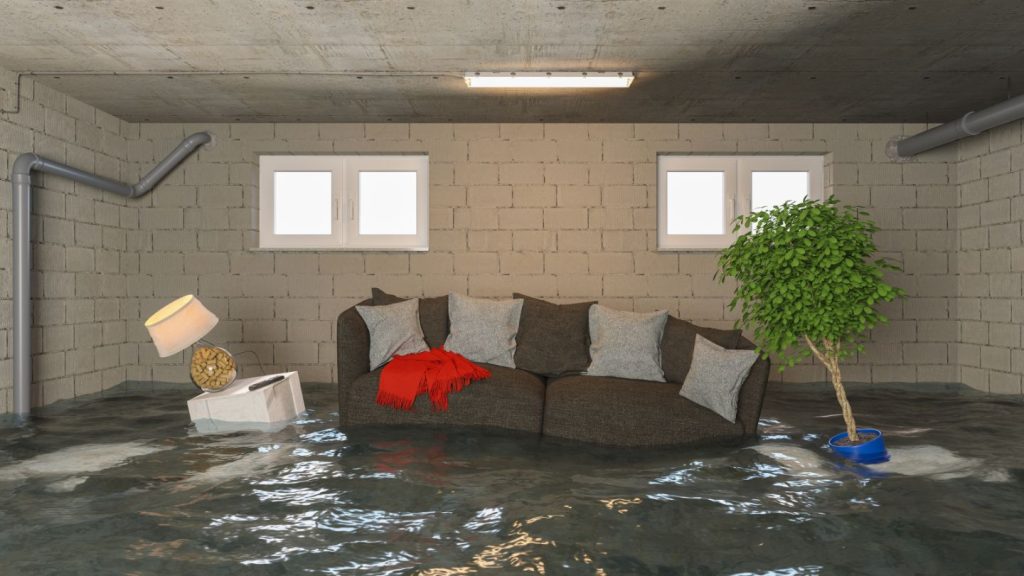
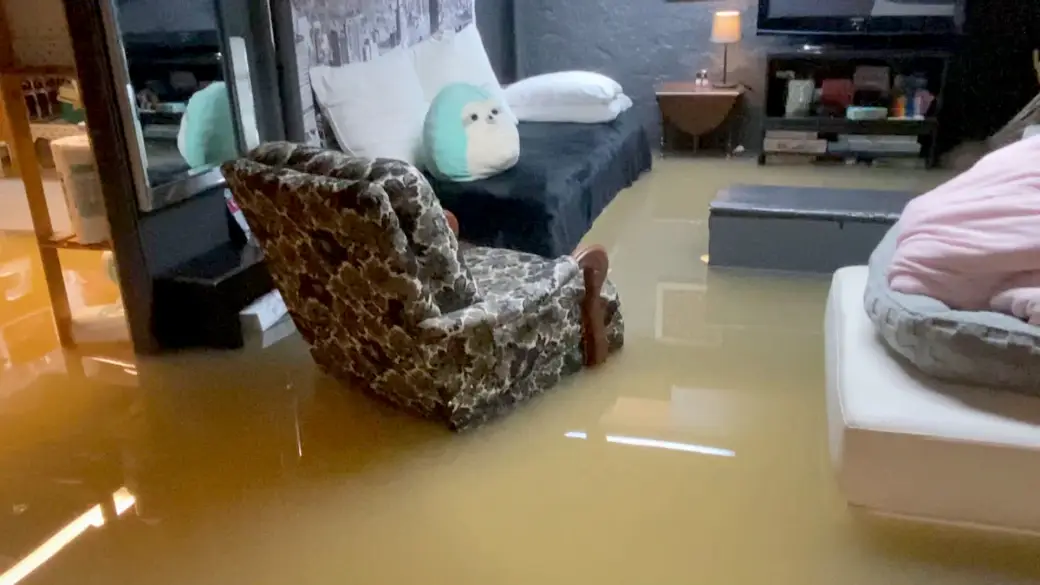
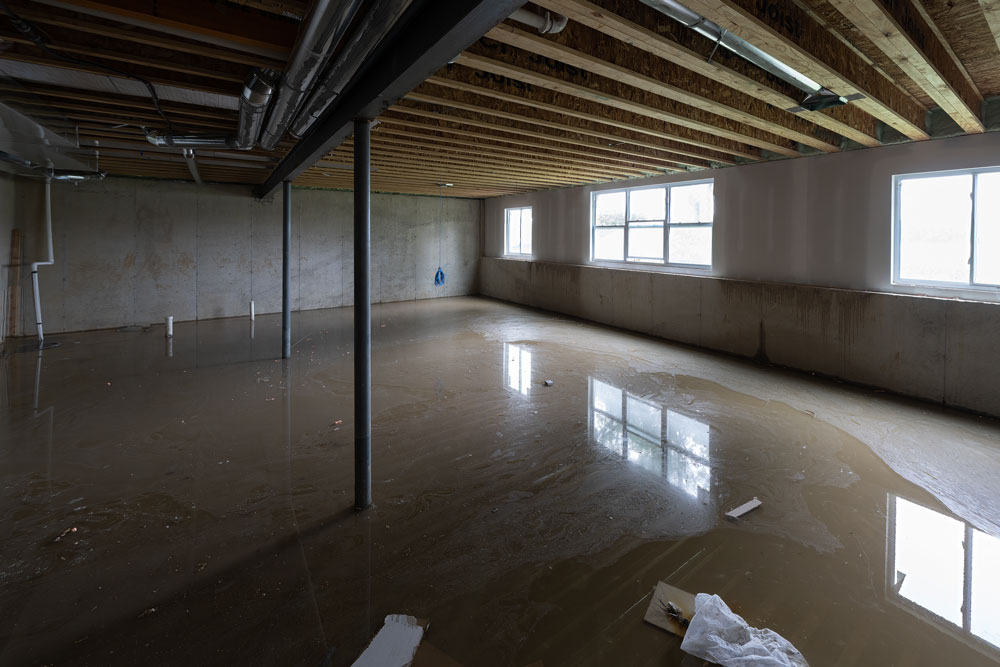
Concrete is naturally porous, which means water can seep in, causing damage over time. Moisture infiltration leads to problems like efflorescence, spalling, mold growth, and freeze-thaw cracking. By applying a waterproof sealant, you create a barrier that blocks water and other contaminants, helping concrete surfaces stay strong and visually appealing.
In addition to preventing water damage, sealants can also make cleaning easier and reduce the risk of stains from oil, chemicals, or organic debris. For areas exposed to heavy rain, snow, or standing water, sealing is especially important.
Types of Waterproof Sealants for Concrete
There are several categories of waterproof sealants for concrete, each with unique properties and best-use scenarios. Understanding the differences will help you select the right product for your project.
- Penetrating Sealers: These products soak into the concrete, forming a chemical barrier below the surface. They are ideal for driveways, sidewalks, and patios, as they don’t alter the appearance of the concrete and provide long-lasting protection.
- Acrylic Sealers: These form a thin film on the surface, enhancing color and providing a glossy or matte finish. Acrylics are easy to apply and are often used for decorative concrete, but may need reapplication every few years.
- Epoxy and Polyurethane Sealers: These create a thick, durable coating that resists abrasion, chemicals, and water. They are commonly used for garage floors, warehouses, and industrial settings.
- Elastomeric Sealants: These flexible coatings are designed for areas prone to movement or cracking, such as expansion joints and foundations.
How to Apply Concrete Waterproofing Sealants
Applying a sealant is a straightforward process, but preparation and proper technique are essential for effective results. Here’s a step-by-step overview:
- Clean the Surface: Remove dirt, oil, grease, and any previous coatings. Use a pressure washer or stiff brush for best results. Allow the concrete to dry completely before proceeding.
- Repair Cracks and Holes: Fill any visible cracks or holes with a suitable concrete patching compound. Let repairs cure according to manufacturer instructions.
- Choose the Right Sealant: Select a product that matches your needs—consider traffic levels, exposure to chemicals, and desired finish.
- Apply the Sealant: Use a roller, brush, or sprayer to apply an even coat. Follow the manufacturer’s guidelines for coverage and drying times. For some products, a second coat may be recommended.
- Allow to Cure: Keep the area free from traffic and moisture until the sealant has fully cured. This can take anywhere from a few hours to several days.

Best Practices for Long-Lasting Protection
To maximize the benefits of a concrete waterproofing solution, follow these best practices:
- Reapply as Needed: Most sealants need to be reapplied every 2–5 years, depending on exposure and product type.
- Inspect Regularly: Check for signs of wear, peeling, or water infiltration. Address any issues promptly to prevent larger problems.
- Maintain Drainage: Ensure gutters, downspouts, and grading direct water away from sealed surfaces.
- Combine with Other Prevention Methods: Use smart home devices for leak prevention, such as those described in smart home devices for leak prevention, to further reduce the risk of water damage.
Common Mistakes to Avoid When Sealing Concrete
Even high-quality sealants can fail if not applied correctly. Avoid these frequent errors:
- Skipping Surface Preparation: Applying sealant over dirty or damp concrete reduces adhesion and effectiveness.
- Using the Wrong Product: Not all sealants are suitable for every application. Read labels and consult with professionals if unsure.
- Applying Too Thickly: Excessive product can lead to bubbling or uneven curing.
- Ignoring Weather Conditions: Temperature and humidity can impact drying and curing times. Always check the weather forecast before starting.

Integrating Sealants with Broader Water Damage Prevention
While applying waterproof sealants is a key step, it’s most effective when combined with other proactive measures. For example, regular maintenance of appliance water lines, as described in how to maintain appliance water lines, and replacing old hoses to prevent water damage are both important strategies.
Additionally, installing leak detectors near appliances (how to use leak detectors near appliances) can provide early warnings of leaks, allowing you to act before significant damage occurs.
For more comprehensive tips on protecting your property, you can review preventing water damage best practices from insurance experts.
Frequently Asked Questions
How often should I reapply a waterproof sealant to concrete?
Most products require reapplication every 2–5 years, but this can vary based on the type of sealant, exposure to weather, and foot or vehicle traffic. Always check the manufacturer’s recommendations and inspect your surfaces annually for signs of wear.
Can I use a waterproof sealant on old or previously sealed concrete?
Yes, but it’s important to clean the surface thoroughly and remove any loose or peeling previous coatings. Some sealants are designed to bond over existing layers, while others require complete removal of old products. Test a small area first to ensure compatibility.
What’s the difference between a water repellent and a waterproofing sealer?
Water repellents, such as silane or siloxane-based products, penetrate the concrete and prevent water absorption while allowing vapor to escape. Waterproofing sealers may form a film on the surface, providing a more robust barrier against both water and contaminants. The best choice depends on your specific needs and the location of the surface.