
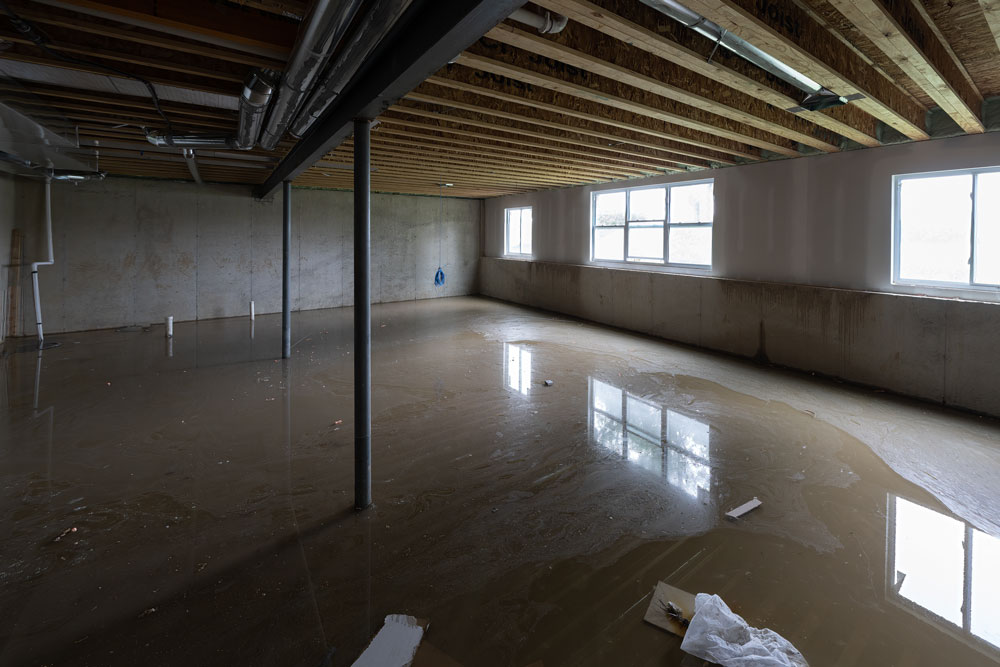
Flooding inside your home can happen unexpectedly, causing significant damage to property and belongings. Whether it’s due to heavy rainfall, burst pipes, or drainage issues, acting fast is crucial to minimize harm and restore safety. Understanding the most effective ways to stop flooding at home can help you take control during an emergency and prevent future incidents.
This guide covers practical steps to halt water intrusion, safeguard your property, and implement long-term solutions. If you’re interested in related household tips, you might also find value in learning how to sanitize a cast iron press for kitchen safety.
Immediate Actions to Prevent Water Damage
When water starts entering your home, quick action is essential. Here are the most effective steps to take right away:
- Shut off the main water supply if the flooding is due to a burst pipe or plumbing failure. This stops more water from entering your home.
- Unplug electrical devices and, if safe, turn off electricity in affected areas to prevent electrical hazards.
- Move valuables and furniture to higher ground or an upper floor to reduce loss.
- Use towels, sandbags, or barriers to block further water entry at doors and low windows.
- Remove standing water using buckets, mops, or a wet/dry vacuum if available.
Acting swiftly with these measures can significantly limit the extent of water damage and make cleanup easier.
Essential Equipment for Flood Prevention
Having the right tools on hand can make all the difference during a flood emergency. Consider these items for your home:
- Water leak detectors alert you to leaks before they become major floods. These devices are especially useful in basements, laundry rooms, and near appliances.
- Sump pumps automatically remove water from basements and crawl spaces, providing a first line of defense against rising water.
- Sandbags or water-activated barriers can be placed at entry points to block water from entering.
- Wet/dry vacuums help with rapid removal of standing water.
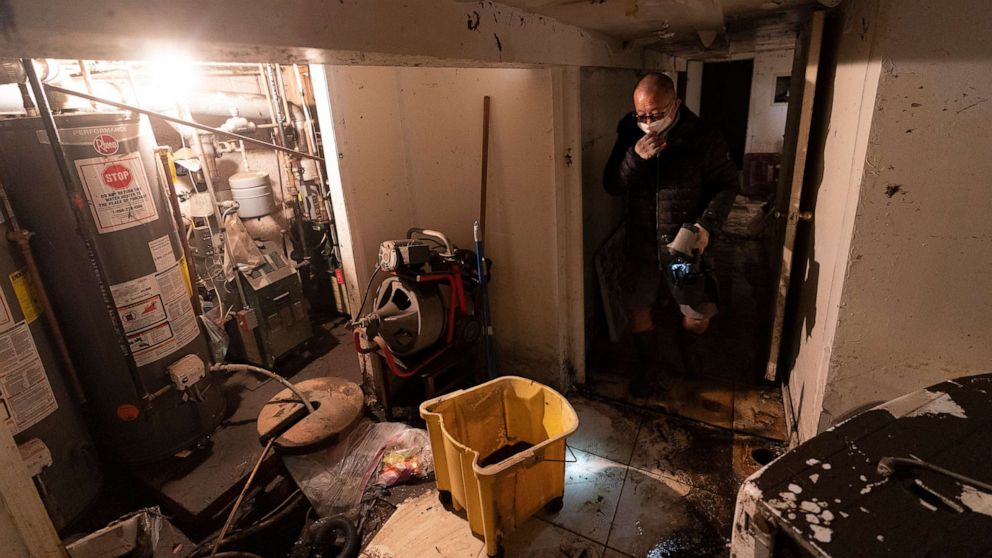
Long-Term Solutions to Reduce Flood Risk
While immediate actions are vital, implementing lasting strategies is the best way to protect your home from future flooding. Here are some proven methods:
Improve Drainage Around Your Property
Ensure gutters and downspouts are clear of debris so water flows away from your home. Extend downspouts at least six feet from the foundation. Consider installing French drains or grading your yard to direct water away from the building.
Seal Vulnerable Entry Points
Inspect your basement, windows, and doors for cracks or gaps. Use waterproof sealants to close any openings where water could seep in. Replacing old weatherstripping and installing flood barriers on doors can add extra protection.
Maintain Plumbing and Appliances
Regularly check pipes, hoses, and appliances for leaks or signs of wear. Replace faulty parts promptly. Installing a backwater valve can prevent sewage from backing up into your home during heavy rain.
Understanding Common Causes of Household Floods
Knowing what typically leads to water intrusion can help you take preventive measures. According to this overview of common causes of house floods, the most frequent sources include:
- Heavy rainfall overwhelming drainage systems
- Blocked or broken gutters and downspouts
- Burst pipes due to freezing or aging infrastructure
- Malfunctioning appliances such as washing machines or water heaters
- Improperly graded landscaping directing water toward the home
Addressing these risks through regular maintenance and upgrades can significantly lower your chances of experiencing a flood.
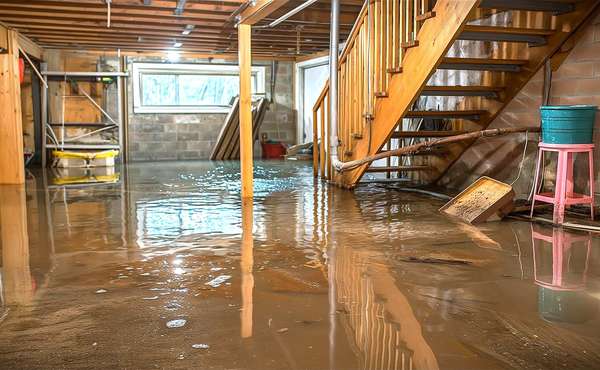
Additional Tips for Protecting Your Home
- Store important documents and valuables in waterproof containers or on upper floors.
- Install water alarms in areas prone to leaks, such as basements and laundry rooms.
- Keep an emergency kit with flashlights, batteries, and first aid supplies ready.
- Review your homeowner’s insurance policy to ensure you have adequate flood coverage.
- Practice a family emergency plan so everyone knows what to do if flooding occurs.
For more home care advice, you may also want to explore how to store corn masa for pressing to keep your kitchen ingredients fresh and safe.
Frequently Asked Questions
What should I do first if my home starts flooding?
The first priority is safety. Turn off electricity in affected areas if it’s safe, then stop the water source if possible. Move valuables to higher ground and start removing water using available tools. Prompt action can prevent further damage.
How can I prevent basement flooding during heavy rain?
Keep gutters and downspouts clear, direct water away from the foundation, and consider installing a sump pump. Sealing cracks and using water barriers at entry points also helps protect basements from water intrusion.
Are water leak detectors worth installing?
Yes, water leak detectors provide early warnings of leaks or flooding, allowing you to respond before major damage occurs. They are especially useful in areas prone to moisture or near appliances that use water.




