
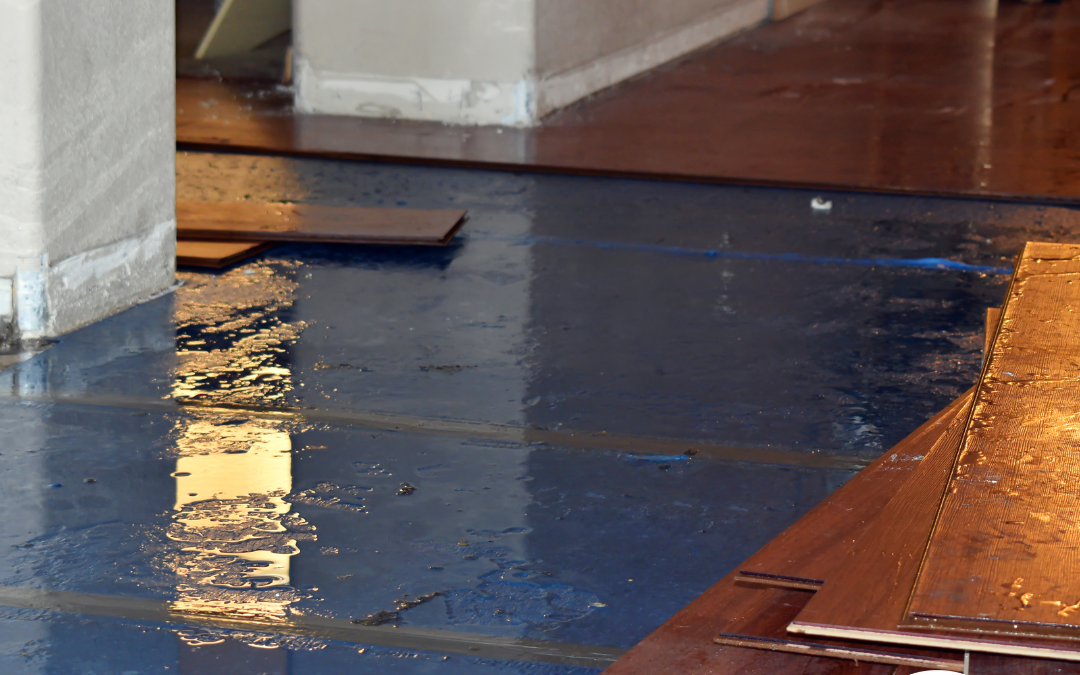
Discovering water dripping from your ceiling during a rainstorm can be stressful and overwhelming. Acting quickly is crucial to minimize damage to your home and protect your belongings. This guide offers step-by-step instructions on how to respond if you notice water coming through your ceiling, how to limit the impact, and what steps to take for repairs and prevention.
Whether you’re dealing with a minor drip or a significant leak, understanding the right actions can help you avoid costly repairs and potential health hazards. Alongside immediate response tips, you’ll also find advice on long-term solutions and when to call in professionals. For those interested in related home maintenance topics, you might also find value in learning how to sanitize a cast iron press between cooking sessions.
Immediate Steps When Water Drips from the Ceiling
When you first spot a leak, it’s important to act fast. Here’s what you should do right away to limit water damage and keep your home safe:
- Move furniture and valuables away from the affected area to prevent water damage to your belongings.
- Place a bucket or large container under the leak to catch dripping water. Line the bucket with an old towel to reduce splashing.
- If the ceiling is bulging, carefully poke a small hole with a screwdriver to release trapped water. This helps prevent a larger collapse and directs the water into your container.
- Turn off electricity in the affected area if water is near light fixtures or outlets. Safety should always come first.
- Dry up standing water on the floor using towels or a mop to prevent slips and further damage.
Identifying the Source of the Leak
Finding where the water is coming from is key to stopping further leaks. During heavy rain, the most common causes include:
- Damaged or missing roof shingles
- Clogged gutters and downspouts
- Cracked flashing around chimneys or vents
- Poorly sealed skylights
- Plumbing issues in the attic or upper floors
If it’s safe, inspect your attic or crawl space for wet insulation, water stains, or obvious drips. Sometimes, water can travel along beams and appear far from the actual entry point. If you can’t find the source or the leak is severe, contact a roofing professional for help.

How to Minimize Water Damage
Once you’ve contained the immediate leak, it’s time to focus on reducing the impact. Here are some practical steps:
- Use fans and dehumidifiers to dry out the area. Mold can start growing within 24–48 hours, so quick drying is essential.
- Remove wet insulation and drywall if they are saturated. These materials can hold moisture and encourage mold growth.
- Document the damage with photos and notes for insurance purposes. This will help with your claim if repairs are needed.
- Check for hidden moisture behind walls or under floors. If you suspect extensive water infiltration, consider hiring a water damage restoration company.
For more detailed information on water damage and restoration, the International Association of Certified Home Inspectors offers a comprehensive guide to water damage that can help you understand the risks and solutions.
Temporary Fixes Until Professional Repairs
If you can’t get a contractor out right away, there are a few things you can do to temporarily stop or slow down the leak:
- Cover the roof with a tarp, securing it tightly over the damaged area. This can help keep out additional rain until repairs are made.
- Seal small cracks or holes with roofing cement or waterproof tape as a short-term solution.
- Clear debris from gutters and downspouts to ensure water flows away from your home.
Remember, these are only stopgap measures. Permanent repairs should be handled by a qualified roofer or contractor to ensure your home is protected for future storms.
Long-Term Solutions and Prevention
After addressing the immediate crisis, focus on preventing future leaks. Here are some effective strategies:
- Schedule regular roof inspections, especially after severe weather.
- Keep gutters and downspouts clean to prevent water backup.
- Replace damaged shingles, flashing, or seals promptly.
- Consider installing a leak detection system to catch problems early. Devices like pipe or toilet leak detectors can provide early warnings and help you avoid major water damage.
- Ensure your attic is well-ventilated and insulated to reduce condensation and moisture buildup.
Taking these steps can save you money and stress in the long run. Preventive maintenance is always more cost-effective than emergency repairs.
When to Call a Professional
Some situations require expert help. Contact a licensed roofer or water damage specialist if:
- The leak is large or persistent
- You notice mold or mildew growth
- There is structural damage to your ceiling or roof
- You’re unsure about the source of the leak
Professionals have the tools and experience to diagnose issues, perform repairs safely, and ensure your home is restored to its original condition.
Frequently Asked Questions
Can a ceiling leak cause mold growth?
Yes, moisture from a ceiling leak can lead to mold within 24–48 hours. It’s important to dry the area thoroughly and remove any wet materials to prevent mold and mildew from spreading.
Is it safe to stay in a room with a leaking ceiling?
If the leak is minor and you’ve turned off the electricity in the area, it may be safe for a short period. However, avoid rooms where the ceiling is sagging or water is near electrical fixtures, as there is a risk of collapse or shock.
How do I know if my roof needs replacement after a leak?
If leaks are recurring, shingles are missing or damaged, or you see significant water stains and mold, it may be time to consider a roof replacement. A professional inspection can help determine the best course of action.
For more home care tips, explore our other guides such as how to store corn masa for pressing to keep your kitchen essentials fresh and ready for use.




