Plumbing issues can develop quietly beneath your kitchen or bathroom sink, often going unnoticed until significant damage has already occurred. Regularly inspecting the pipes under your sinks is a simple yet highly effective way to prevent water leaks, mold growth, and costly repairs. Understanding why you should check under sink pipes empowers homeowners to maintain a safe and healthy living environment while protecting their property from avoidable water damage.
Many people overlook this quick maintenance task, but a few minutes spent looking under your sink can save you from extensive headaches down the road. Early detection of leaks, corrosion, or loose fittings is key to stopping small problems before they escalate. In this article, we’ll outline the main reasons for routine checks, what to look for, and how this habit fits into a broader home maintenance strategy.
While focusing on plumbing, it’s also wise to consider other areas prone to water intrusion. For example, following a roof inspection checklist can help prevent leaks from above, complementing your efforts to keep your home dry and damage-free.
Common Problems Found Under Sinks
The space beneath sinks is a frequent source of hidden trouble. Pipes in these areas are exposed to temperature changes, moisture, and occasional bumps from stored items. Here are some typical issues that can develop:
- Slow leaks from loose or worn fittings
- Corrosion on metal pipes and connectors
- Mold and mildew growth due to persistent dampness
- Clogs forming in P-traps or drain lines
- Cracks or splits in plastic pipes from age or stress
Discovering these problems early is crucial. Even a small drip can lead to warped cabinetry, ruined flooring, or unhealthy mold if left unchecked. That’s why making a habit of looking under your sinks is such a valuable preventive measure.
Benefits of Routine Pipe Inspections
There are several compelling reasons to add under-sink pipe checks to your regular home maintenance routine:
- Prevent Water Damage: Early detection of leaks helps you avoid expensive repairs to cabinets, floors, and walls.
- Maintain Healthy Air Quality: Stopping leaks and moisture buildup prevents mold and mildew, which can trigger allergies and respiratory issues.
- Save Money: Fixing a minor plumbing issue is far less costly than dealing with major water damage or replacing cabinetry.
- Protect Stored Items: Many people keep cleaning supplies or other items under the sink. Regular checks help ensure these aren’t damaged by leaks.
- Increase Plumbing Lifespan: Addressing corrosion or loose connections early can extend the life of your pipes and fixtures.
How to Inspect Under-Sink Plumbing Effectively
Performing a thorough check doesn’t require special tools or expertise. Here’s a step-by-step approach:
- Clear the Area: Remove any items stored under the sink to get a clear view of all pipes and fittings.
- Look for Visible Moisture: Check for water droplets, puddles, or dampness on the cabinet floor.
- Inspect Pipe Connections: Examine joints and fittings for signs of corrosion, mineral deposits, or water stains.
- Check for Mold or Odors: Musty smells or dark spots on wood or drywall indicate moisture problems.
- Test for Leaks: Run water in the sink and observe the pipes closely. Feel around joints for any wetness.
- Assess Pipe Condition: Look for cracks, bulges, or discoloration in plastic or metal pipes.
If you discover any issues, address them promptly. Tighten loose fittings, replace worn washers, or call a plumber for more serious concerns.
Signs You Should Check Pipes Under the Sink Immediately
While regular checks are important, certain warning signs mean you should inspect your under-sink plumbing right away:
- Unexplained musty odors coming from the cabinet
- Visible water stains or swelling in the cabinet base
- Dripping sounds when the sink is not in use
- Sudden drop in water pressure at the faucet
- Presence of pests like silverfish or cockroaches, which are attracted to moisture
Addressing these symptoms quickly can help you avoid more severe damage. Remember, even a small leak can cause significant issues if ignored.
How Under-Sink Leaks Cause Water Damage
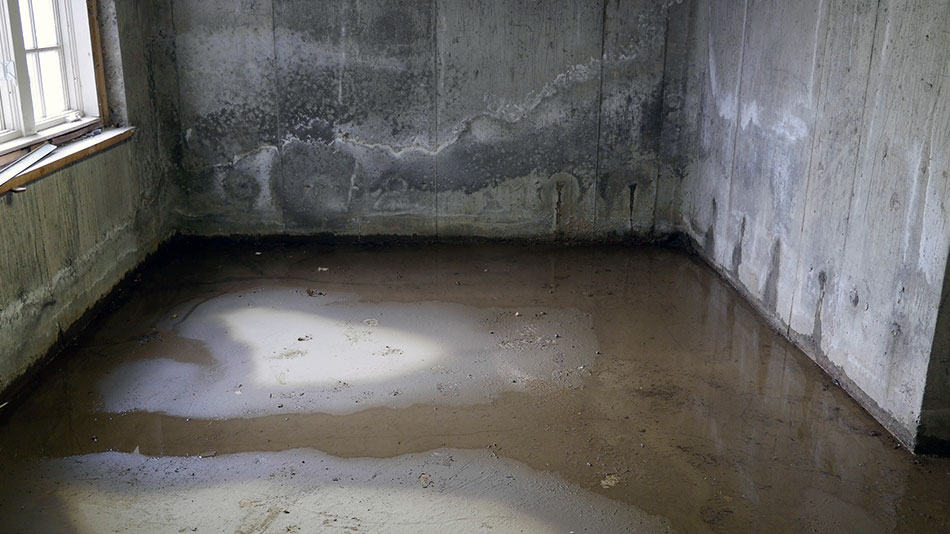
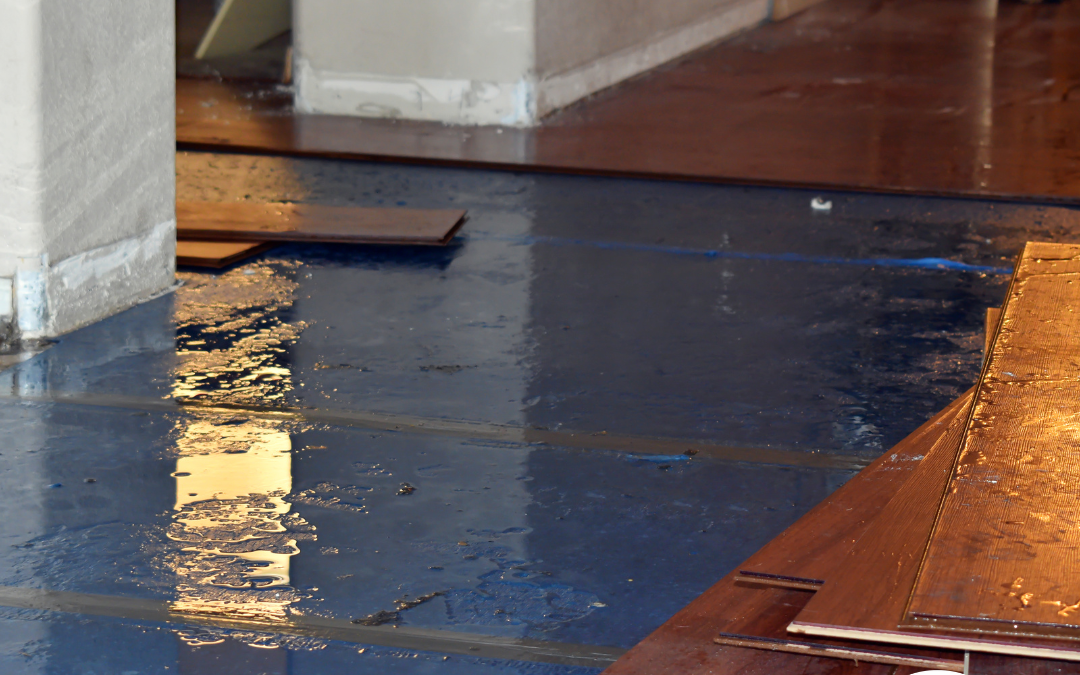
Water escaping from pipes beneath sinks doesn’t just stay contained in the cabinet. Over time, it can seep into flooring, subfloors, and even walls. This can result in:
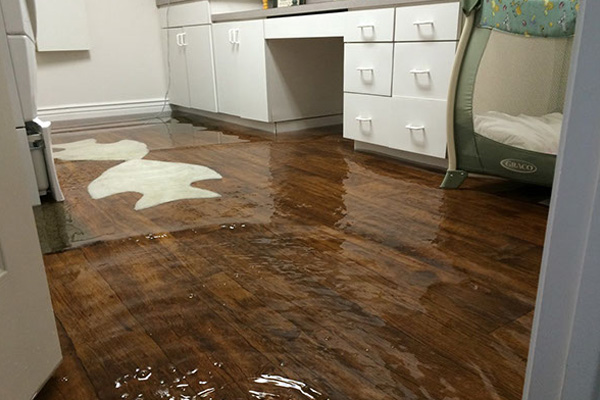
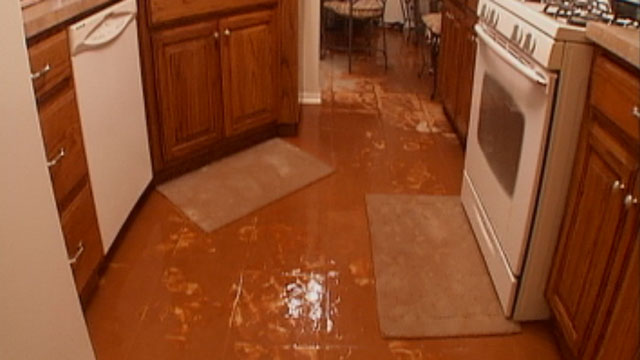
- Warped or rotted wood in cabinetry and floors
- Peeling paint or damaged drywall
- Mold growth that spreads beyond the immediate area
- Structural issues if water reaches framing or subfloor materials
For more information on the broader impacts of water intrusion, see this comprehensive guide to water damage risks.
Integrating Pipe Checks Into Your Home Maintenance Plan
Making under-sink inspections a regular part of your home care routine is straightforward. Aim to check all sinks at least once every three months, or more often if you’ve had issues in the past. Combine this task with other seasonal chores, such as reviewing your exterior drainage systems or cleaning gutters, to create a comprehensive approach to water damage prevention.
Consider keeping a checklist or setting calendar reminders to stay consistent. If you’re away from home for extended periods, ask a trusted neighbor or friend to look in on your plumbing as part of their house-sitting duties.
FAQ
How often should I inspect pipes under my sink?
It’s best to check under-sink plumbing at least once every three months. If you’ve experienced leaks before or live in an older home, monthly inspections are a good idea. Regular attention helps catch issues before they become serious.
What are the first signs of a leak under the sink?
Early indicators include musty odors, water stains, dampness, or visible mold. You might also notice a drop in water pressure or hear dripping sounds. If you see any of these warning signs, inspect the area immediately.
Can I prevent all water damage by checking under my sinks?
While regular inspections greatly reduce your risk, they can’t prevent every possible issue. It’s important to combine this habit with other maintenance steps, such as following a gutter cleaning routine and inspecting your roof and exterior drainage. Together, these actions provide the best protection against water damage.