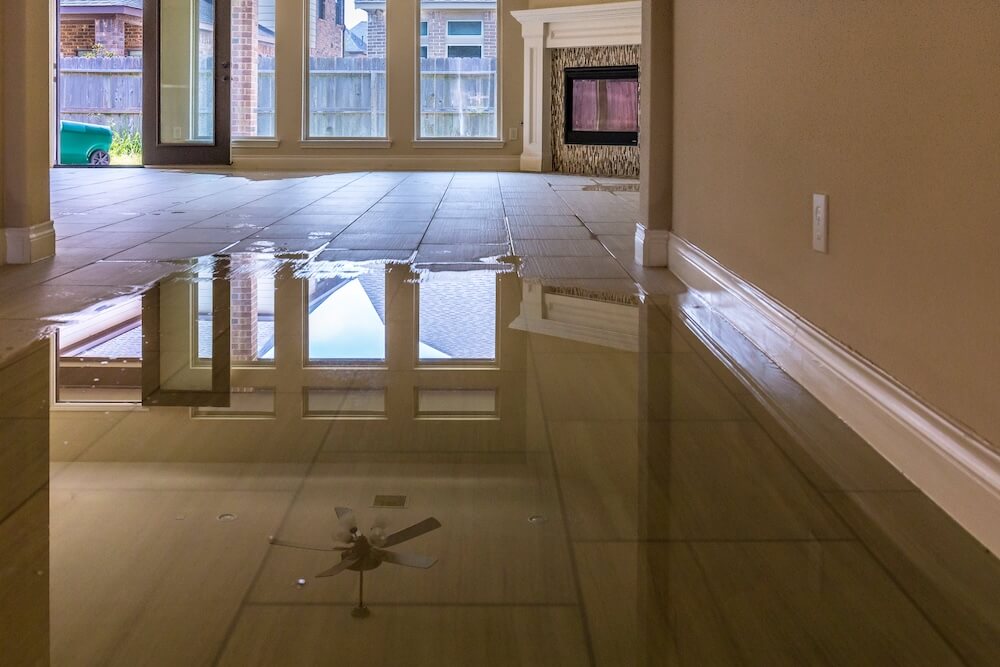
Flooding is a growing concern for homeowners, especially as weather patterns become more unpredictable. One of the most vulnerable points in any home is the window—particularly basement and ground-level windows. Effective window flood protection can help prevent costly water damage, mold growth, and structural issues. This article provides practical advice, proven solutions, and actionable steps to help you safeguard your property from water intrusion through windows.
Whether you live in a flood-prone area or want to be prepared for unexpected storms, understanding the best strategies for keeping water out is essential. We’ll cover both preventative measures and emergency solutions, so you can feel confident in your home’s resilience. For those interested in related home maintenance tips, you might also find value in our guide on how to store a cast iron press long term, which offers advice on protecting valuable equipment from moisture damage.

Understanding the Risks of Window Water Intrusion
Windows are often overlooked when it comes to flood defense, but they can be a major entry point for water during heavy rain or rising groundwater. Basement windows, in particular, are susceptible due to their location below ground level. Even above-ground windows can allow water inside if seals are compromised or if drainage systems fail.
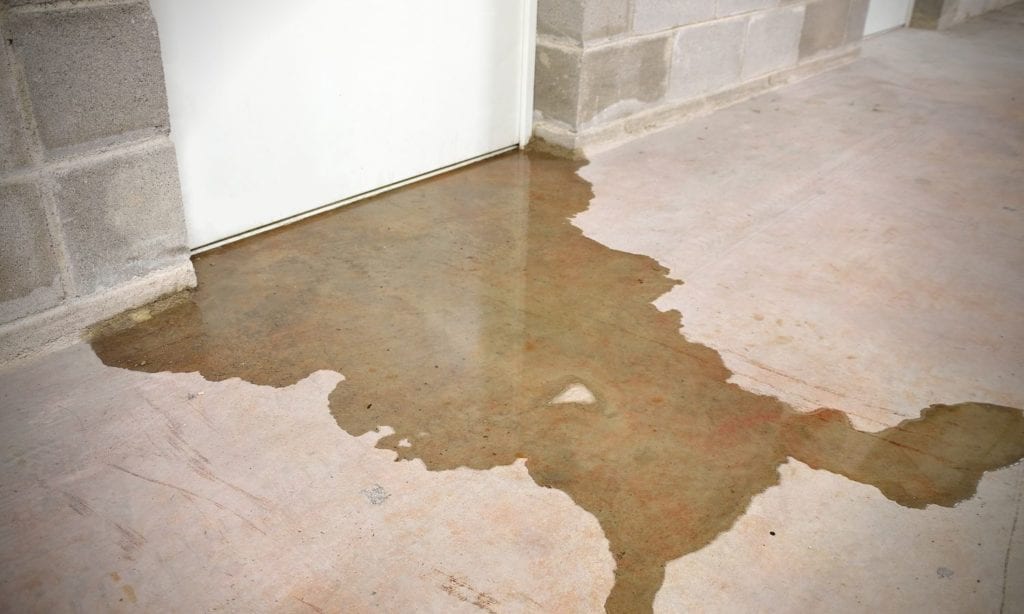
- Basement flooding can result from water pooling around window wells or seeping through cracks in the frame.
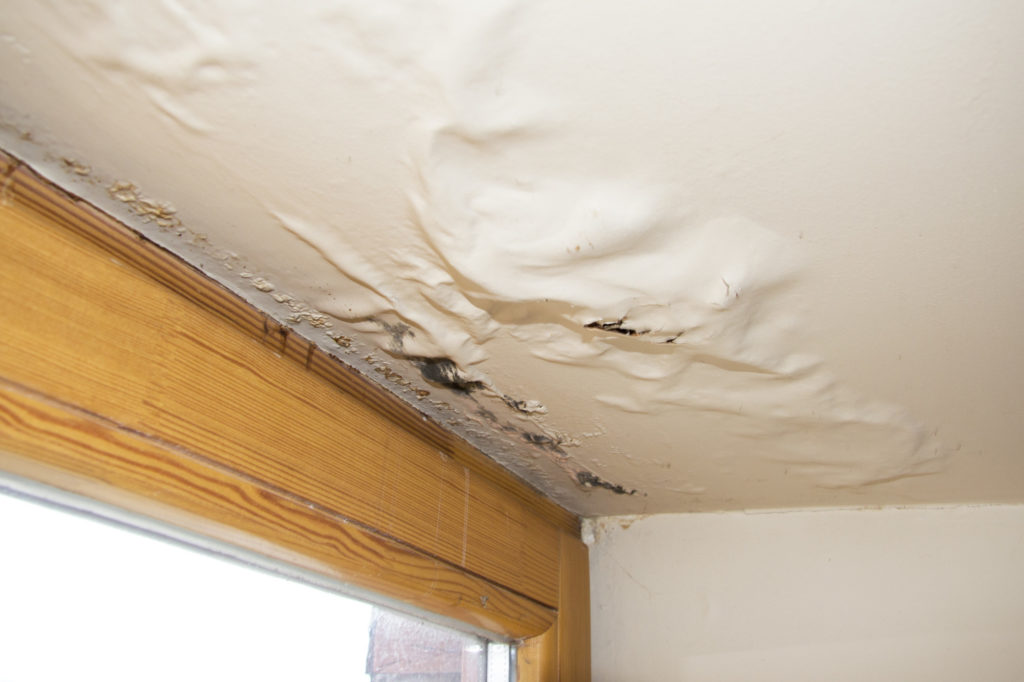
- Improperly sealed windows may allow water to leak in during storms, leading to interior damage.
- Blocked gutters and downspouts can cause water to overflow and collect near windows.
Recognizing these risks is the first step toward implementing effective flood protection for windows.
Essential Steps for Preventing Window Flood Damage
There are several proactive measures homeowners can take to minimize the risk of water entering through windows. Here are some of the most effective strategies:
Inspect and Maintain Window Seals
Regularly check the caulking and weatherstripping around your windows. Over time, these materials can degrade, creating gaps that allow water to seep inside. Reapply caulk or replace weatherstripping as needed to keep windows watertight.
Install Window Well Covers and Drains
For basement windows, window wells are a common source of leaks. Installing clear, durable covers over window wells can prevent rainwater, debris, and snow from accumulating. Additionally, ensure that window wells have proper drainage systems to direct water away from the foundation.
Grade Landscaping Away from Windows
The ground around your home should slope away from the foundation and windows. This simple landscaping adjustment helps direct rainwater away from vulnerable areas, reducing the risk of pooling and infiltration.
Maintain Gutters and Downspouts
Clogged gutters and downspouts can cause water to overflow and collect near windows. Clean these systems regularly and extend downspouts at least six feet from the house to keep water moving away from your windows and foundation.
Top Solutions for Window Flood Protection
When basic maintenance isn’t enough, there are specialized products and solutions designed to provide an extra layer of defense against water intrusion. Here are some of the most reliable options:
Flood Barriers and Shields
Removable flood barriers can be installed over windows before a storm or flood event. These shields are typically made from strong, waterproof materials and can be quickly deployed when needed. They create a physical barrier that prevents water from reaching the window glass and frame.
Waterproof Window Films and Sealants
Applying waterproof films or sealants to window glass and frames can help repel water and reduce the risk of leaks. These products are especially useful for older windows or those in high-risk areas.
Permanent Floodproofing Systems
For homes in areas with frequent flooding, consider investing in permanent floodproofing solutions such as:
- Custom-fit flood panels for basement windows
- Integrated drainage channels around window wells
- Specialized waterproof window frames
These systems are designed to withstand significant water pressure and provide long-term protection.

Emergency Measures for Sudden Flood Events
Even with the best preparation, unexpected storms or rapid snowmelt can overwhelm your defenses. In these situations, quick action is crucial to minimize damage:
- Use sandbags or water-activated barriers to block water from reaching windows.
- Seal cracks temporarily with waterproof tape or plastic sheeting until permanent repairs can be made.
- Move valuables and electronics away from windows and to higher ground if flooding is imminent.
- Install a water leak detector near vulnerable windows to receive early alerts about moisture intrusion. This can help you act before significant damage occurs.
For more comprehensive strategies on protecting your entire home from flooding, consider reviewing this expert guide on home flood protection for additional insights and recommendations.
Long-Term Maintenance and Monitoring
Ongoing vigilance is key to keeping your windows protected from water damage. Here are a few maintenance tips to incorporate into your regular routine:
- Inspect windows and window wells at least twice a year, especially after heavy storms.
- Test water leak detectors regularly to ensure they are functioning properly.
- Keep landscaping trimmed and ensure soil is not building up against window wells or frames.
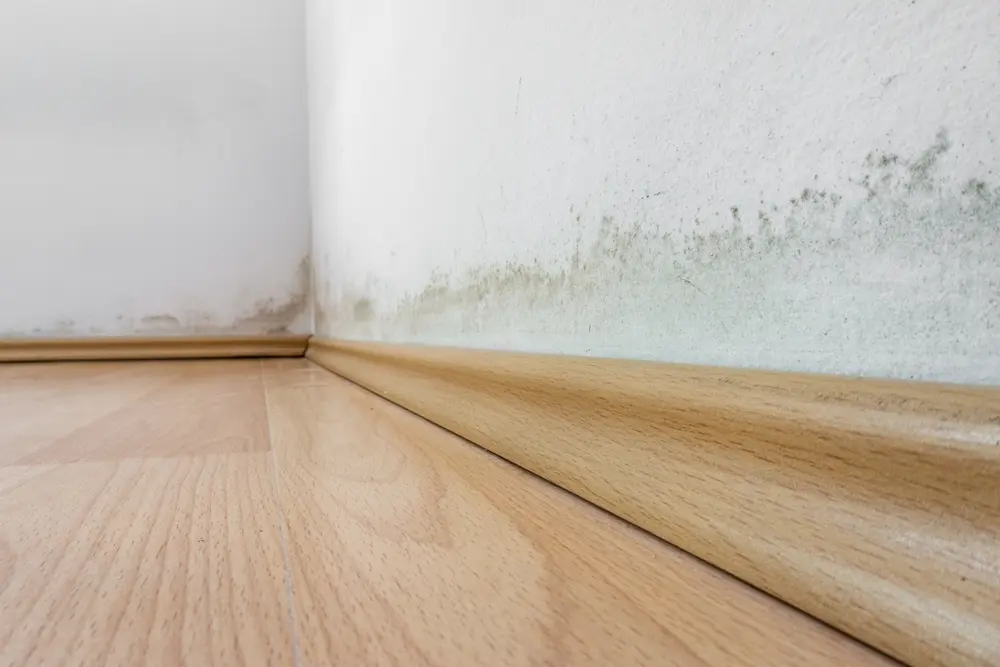
- Address any signs of mold, mildew, or musty odors promptly, as these can indicate hidden leaks.
By staying proactive, you can catch small issues before they become major problems and maintain the integrity of your home’s flood defenses.
Frequently Asked Questions
What is the most effective way to prevent water from entering through basement windows?
The most reliable approach combines several strategies: installing window well covers, ensuring proper drainage, maintaining window seals, and using flood barriers during severe weather. Regular inspections and prompt repairs are also essential for ongoing protection.
Can I install flood protection solutions myself, or should I hire a professional?
Many preventative measures, such as applying caulk, installing window well covers, and setting up water leak detectors, can be handled by homeowners with basic tools. However, for permanent floodproofing systems or if you notice structural issues, it’s best to consult a professional to ensure proper installation and safety.
Are water leak detectors worth the investment?
Yes, water leak detectors provide early warnings of moisture intrusion, allowing you to respond quickly and prevent extensive damage. They are especially valuable for homes with finished basements or valuable items stored near windows.
Protecting your home from water intrusion requires a combination of preparation, regular maintenance, and the right products. By following the tips and solutions outlined above, you can significantly reduce the risk of window-related flood damage and enjoy greater peace of mind, no matter the weather.