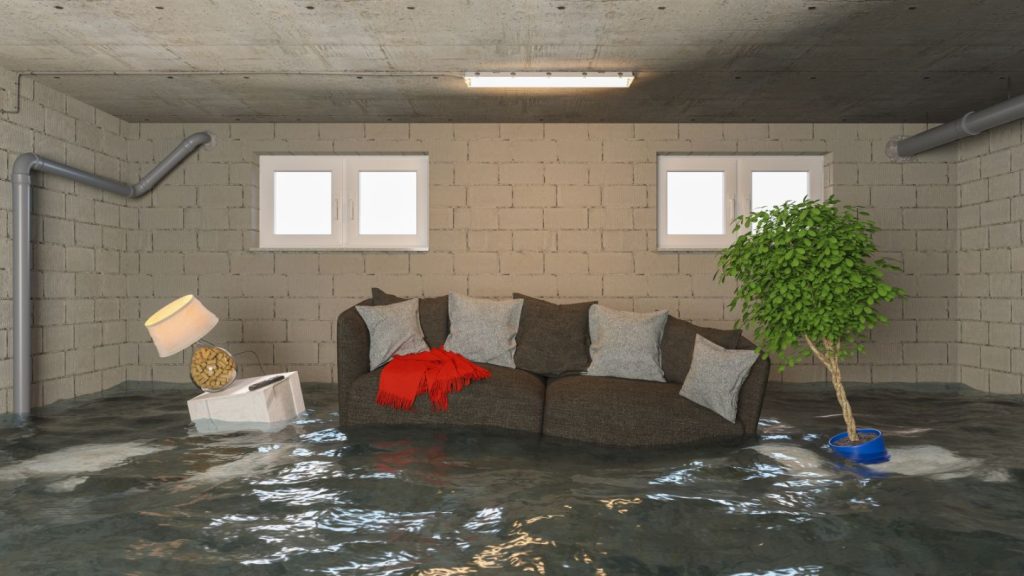
Flooding can strike with little warning, causing extensive damage to homes and property. For those who own a house, being proactive about flood preparedness for homeowners is essential to minimize risk and ensure safety. Understanding how to protect your home, what steps to take before, during, and after a flood, and which resources to rely on can make a significant difference when severe weather threatens your area.
Taking the time to prepare now helps reduce stress and loss if a flood does occur. This article covers practical strategies, from safeguarding your property to assembling emergency supplies and understanding insurance considerations. If you’re interested in other practical home tips, you might also enjoy our guide on using a tortilla press for patacones.
Understanding Your Flood Risk and Insurance Options
The first step in effective flood preparedness for homeowners is to assess your property’s risk. Start by checking if your home is located in a flood-prone area using local government resources or FEMA flood maps. Even if you’re not in a high-risk zone, heavy rainfall or blocked drainage can still cause unexpected flooding.
Review your homeowner’s insurance policy closely. Standard policies typically do not cover flood damage, so consider purchasing separate flood insurance through the National Flood Insurance Program (NFIP) or private insurers. Be aware that there is often a 30-day waiting period before coverage takes effect, so plan ahead.
Document your belongings with photos or videos and keep important documents in a waterproof container or digitally backed up. This will make filing claims easier if you ever need to recover losses after a flood.
Strengthening Your Home Against Flood Damage
Taking steps to make your property more resilient is a core part of flood preparedness for homeowners. Start by inspecting your foundation, basement, and crawl spaces for cracks or leaks. Seal any gaps with appropriate waterproofing materials. Install sump pumps with battery backup systems to help remove water quickly if flooding occurs.
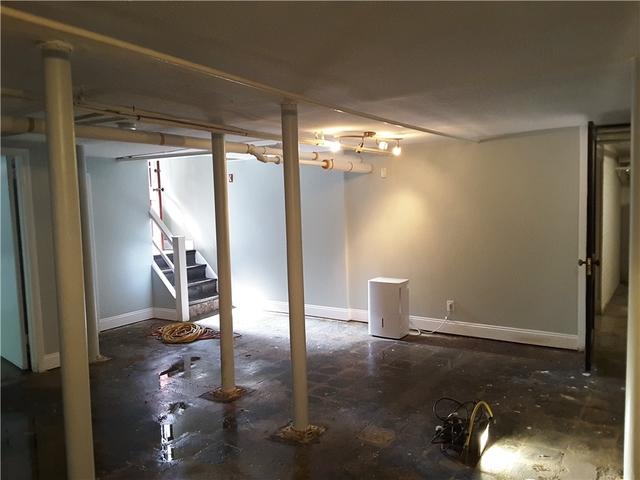
Consider elevating electrical outlets, switches, and appliances above potential flood levels. Use water-resistant building materials in basements and lower floors. Landscaping can also help: grade your yard away from the house, clear gutters and downspouts, and install French drains or rain gardens to direct water away from your foundation.
For more in-depth ideas on resilient construction and retrofitting, check out this comprehensive guide to flood-resistant home design.
Emergency Supplies and Family Safety Planning
No flood preparation is complete without a well-stocked emergency kit. Assemble supplies that can sustain your household for at least 72 hours. Essentials include:
- Non-perishable food and bottled water (one gallon per person per day)
- Flashlights, batteries, and a battery-powered radio
- First aid kit and necessary medications
- Personal hygiene items and sanitation supplies
- Copies of important documents (IDs, insurance, property records)
- Cash in small denominations
- Blankets, clothing, and sturdy shoes
Develop a family communication plan. Make sure everyone knows how to reach each other and where to meet if you need to evacuate. Identify multiple evacuation routes and practice them regularly. If you have pets, include their needs in your plan.
Stay informed by signing up for local emergency alerts and monitoring weather updates. If authorities issue an evacuation order, leave promptly and follow recommended routes.
Protecting Your Basement and Utilities
Basements are especially vulnerable to water intrusion. Install backflow valves on sewer lines to prevent sewage from backing up into your home. Keep valuable items and electrical equipment off the floor or move them to higher levels when a flood threat is imminent.
If flooding is likely, shut off electricity, gas, and water at the main switches or valves. This reduces the risk of fire, electrocution, or further water damage. After the flood, do not turn utilities back on until they have been inspected by professionals.
What to Do After a Flood Event
Once floodwaters recede, safety remains a top priority. Avoid entering your home until authorities declare it safe. Wear protective gear such as gloves and boots when cleaning up, as floodwater can contain hazardous materials.
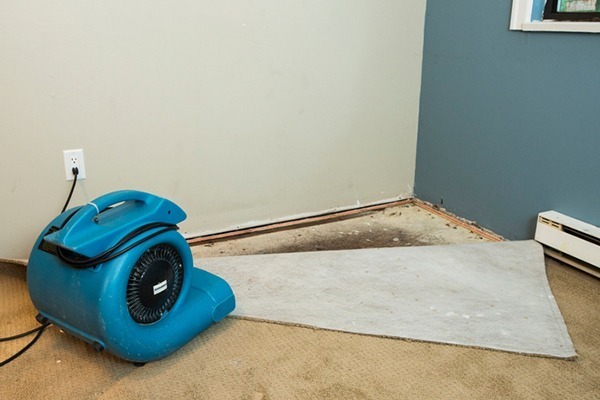
Document all damage with photos and contact your insurance provider as soon as possible. Begin drying out your home by removing wet items, opening windows, and using fans or dehumidifiers. Discard items that cannot be thoroughly cleaned and dried, such as carpeting or upholstered furniture.
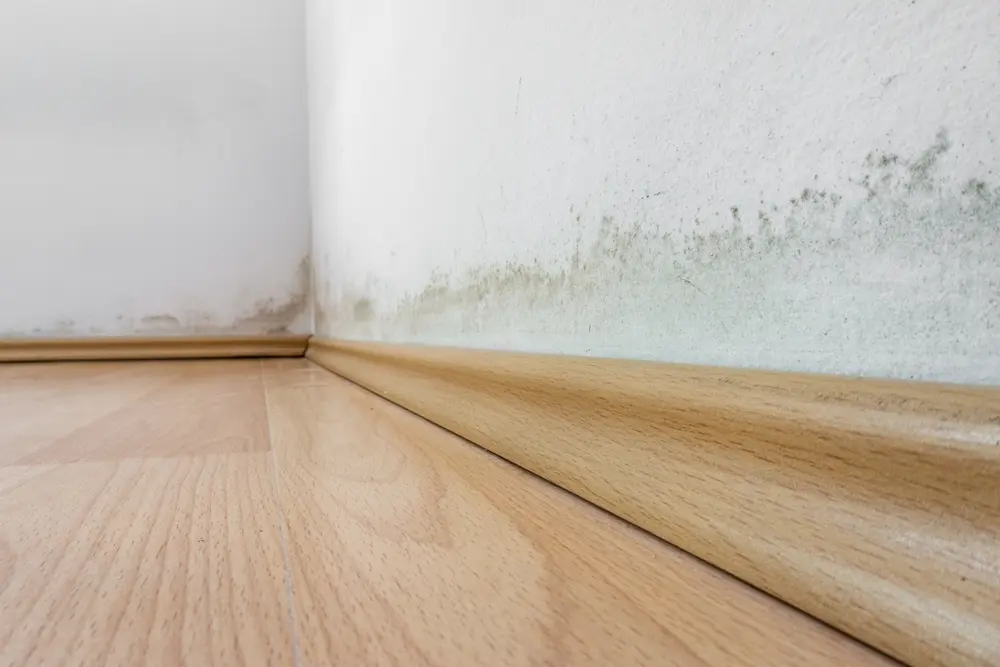
Be alert for signs of mold growth, which can develop within 24-48 hours. If you discover significant mold or structural damage, consult remediation professionals.
Frequently Asked Questions
How can I tell if my home is at risk for flooding?
Check FEMA flood maps and consult your local planning department for information on flood zones. Even if you’re outside a designated floodplain, heavy rain or poor drainage can still cause flooding. Consider your property’s elevation, proximity to water sources, and past local flood events.
What should I include in my emergency flood kit?
Your kit should have bottled water, non-perishable food, a flashlight, batteries, a first aid kit, medications, important documents, cash, clothing, and hygiene items. Don’t forget supplies for pets and any special needs family members.
Does homeowner’s insurance cover flood damage?
Standard homeowner’s insurance does not cover flood damage. You need a separate flood insurance policy, which is available through the National Flood Insurance Program or private insurers. Review your coverage annually and update as needed.